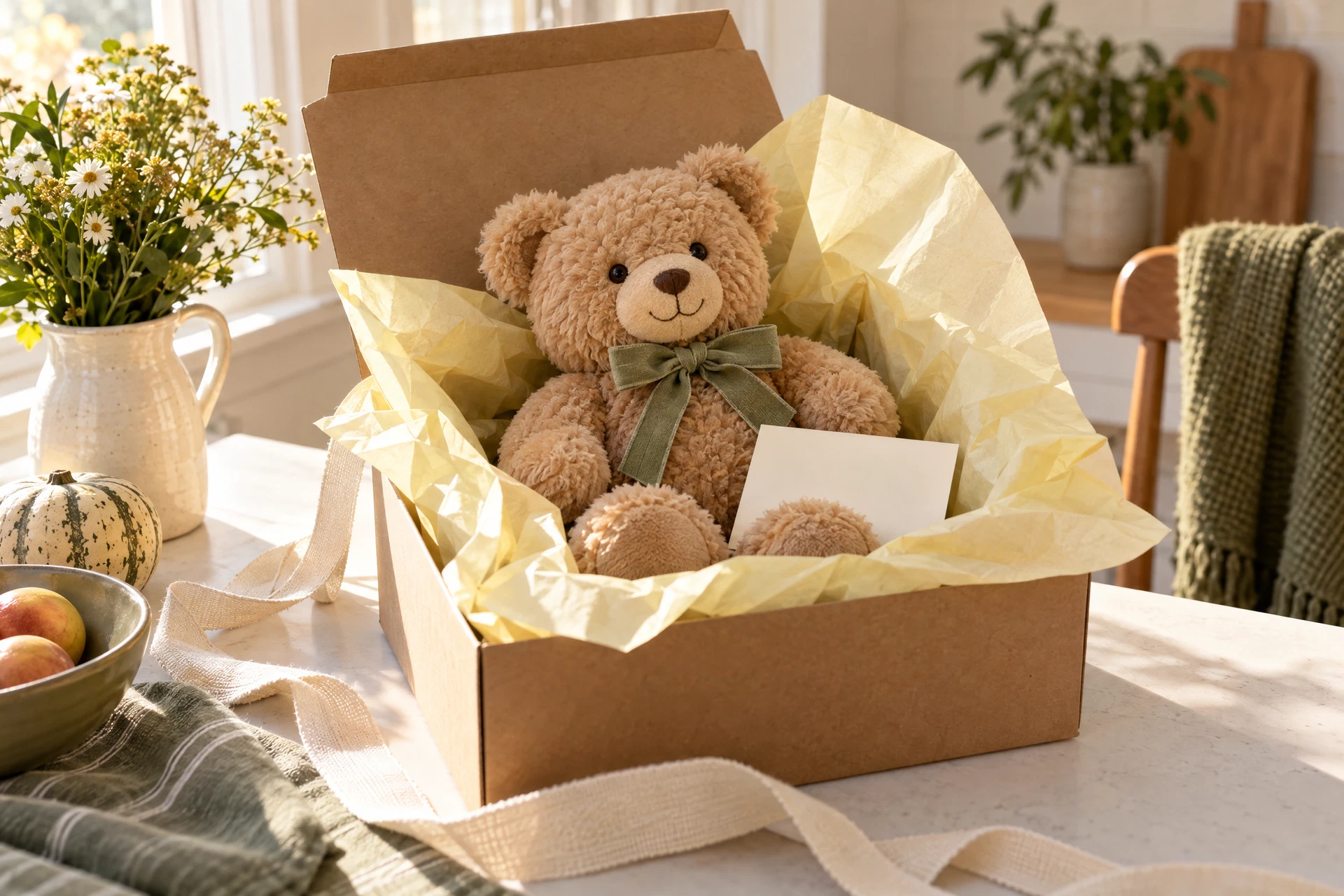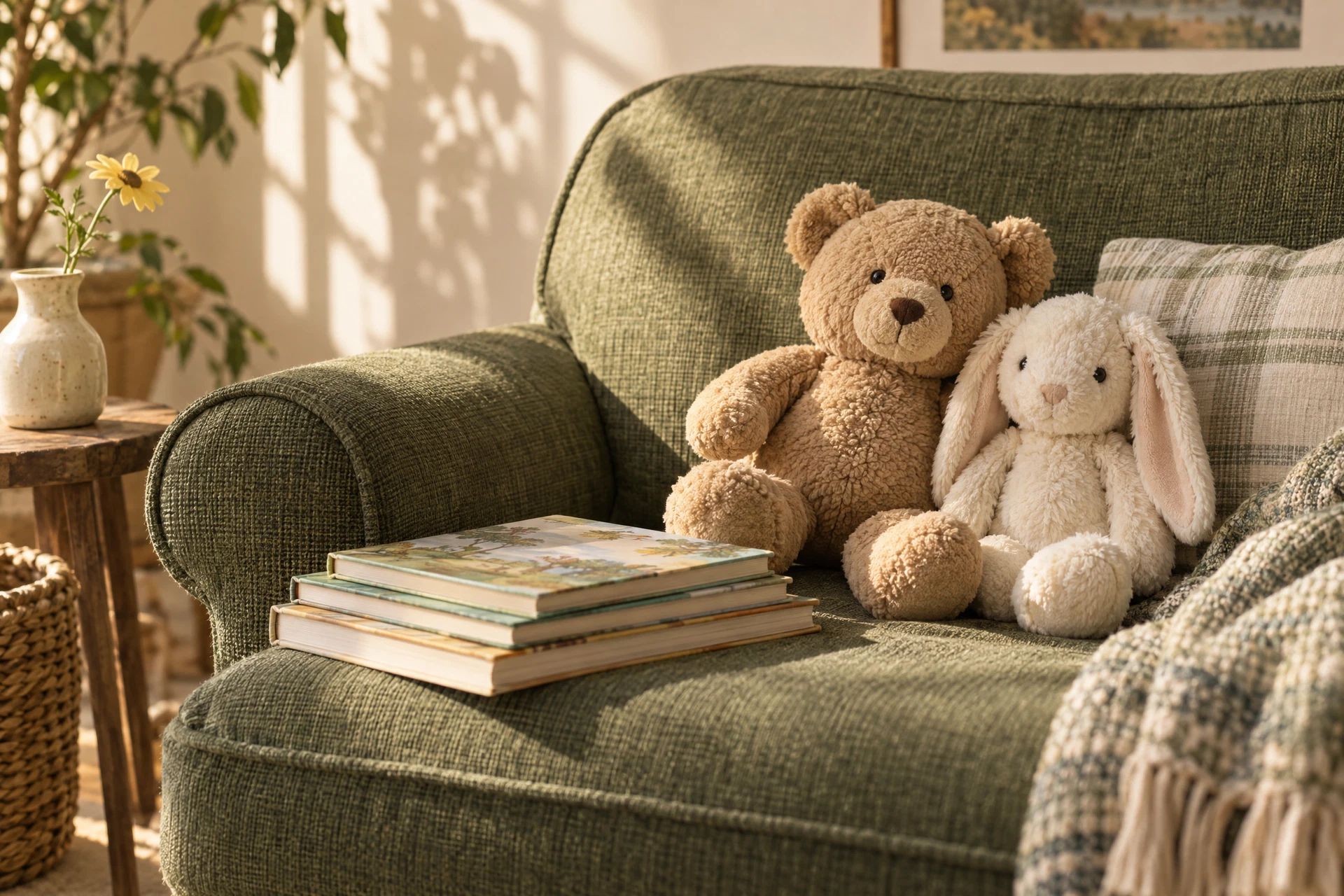
A stuffed animals reading nook focuses on comfort, tactile companionship, and easy maintenance. This guide walks through design choices that keep the space inviting for quiet reading while preventing clutter and wear on beloved plush friends. It emphasizes realistic decision criteria—size, materials, and access—so you can create a durable, user-friendly corner rather than an impractical display.
Start by picturing the nook’s core functions: a comfortable place to sit, enough light to read by, storage that keeps plush clean between sessions, and a simple routine that involves the child in upkeep. Below are practical sections on layout, seating, lighting, selection and rotation of stuffed animals, storage solutions, cleaning and care reminders, organizing for growth, and a short sample plan you can adapt to your room.
Choose the Right Spot and Scale
Locate the nook where reading will realistically happen: a quiet corner of a bedroom, a landing with a window seat, or a small area of a shared living room. Consider traffic patterns—avoid placing the nook where people pass frequently or where toys will be repeatedly stepped on. Measure available floor and wall space so you can choose seating and storage that fit without overcrowding.
Scale matters for both comfort and maintenance. A compact armchair or a deep floor cushion works well in tight spaces; a larger loveseat may be suitable for a shared reading time. For children who like to spread out, include a washable rug or mat. Use a checklist: measure, note electrical outlets (for a reading lamp), and verify natural light times. That concrete data prevents buying oversized furniture or awkward shelving.
Seating That Keeps Kids Comfy and Clean
Prioritize seating that’s easy to maintain. Choose covers with zippers or removable slipcovers that follow the manufacturer’s care instructions on the product label. For lightweight solutions, stackable floor cushions offer flexibility and can be stored when not in use. Think about height: low seats with supportive backrests help younger children sit comfortably while reading aloud to stuffed animals.
Avoid materials that trap dust or are difficult to spot-clean if you expect frequent snacking in the nook. If you plan to use an upholstered chair, place a washable throw or a small lap blanket over the seat to capture crumbs and fur. That decision criterion—ease of spot cleaning—keeps the space presentable with minimal work between sessions.
Lighting for Reading and Ambiance
Good task lighting is essential; a clip-on lamp or small adjustable floor lamp gives direct, shadow-free illumination for books. For fixed overhead lights, add a dimmer so the nook can shift from bright reading to softer, storytime ambiance. Place lamps with stable bases or wall-mounted options if you have very small children to reduce tipping hazards.
Layer lighting with a soft string light or a low-glare lamp that creates a cozy atmosphere without interfering with reading comfort. When selecting bulbs, choose a warm color temperature near 2700–3000K for a calm mood and check lumen output to ensure the task light is bright enough. These concrete lighting choices make the corner useful day or night.
Select and Rotate Stuffed Animal Companions
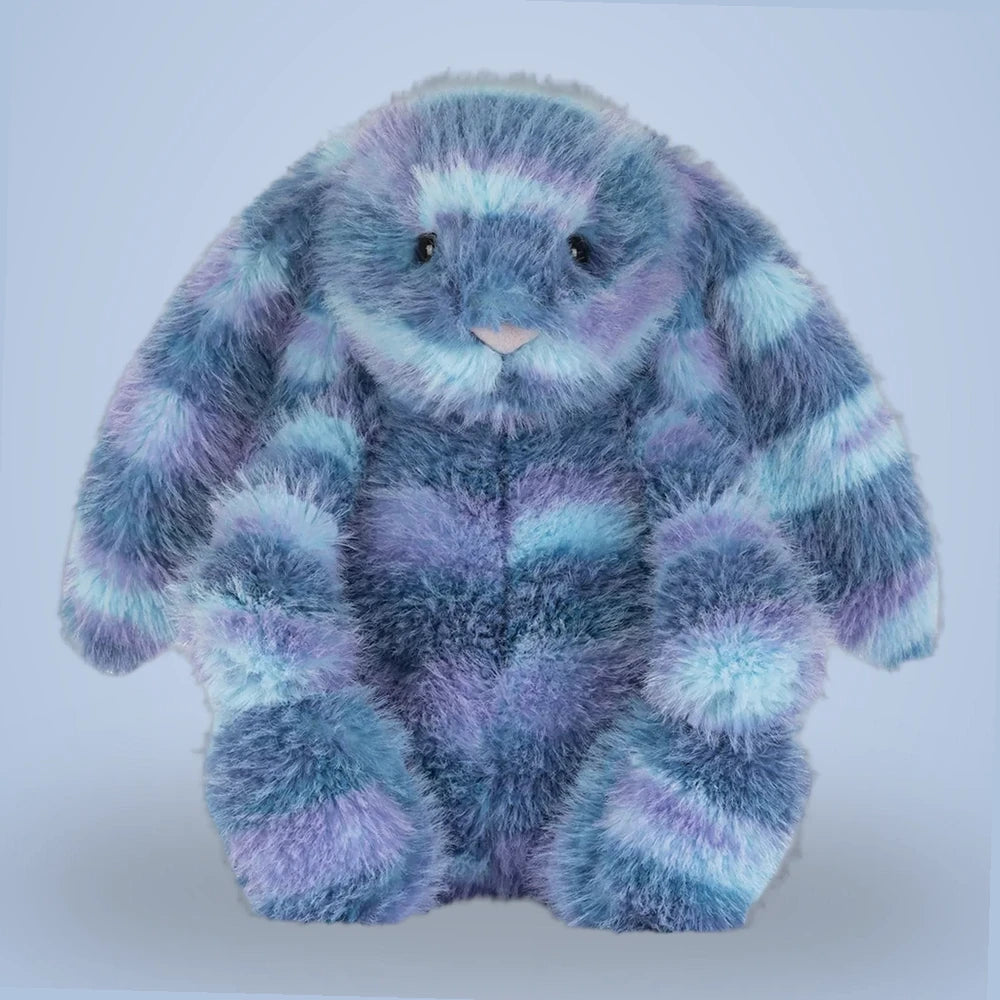
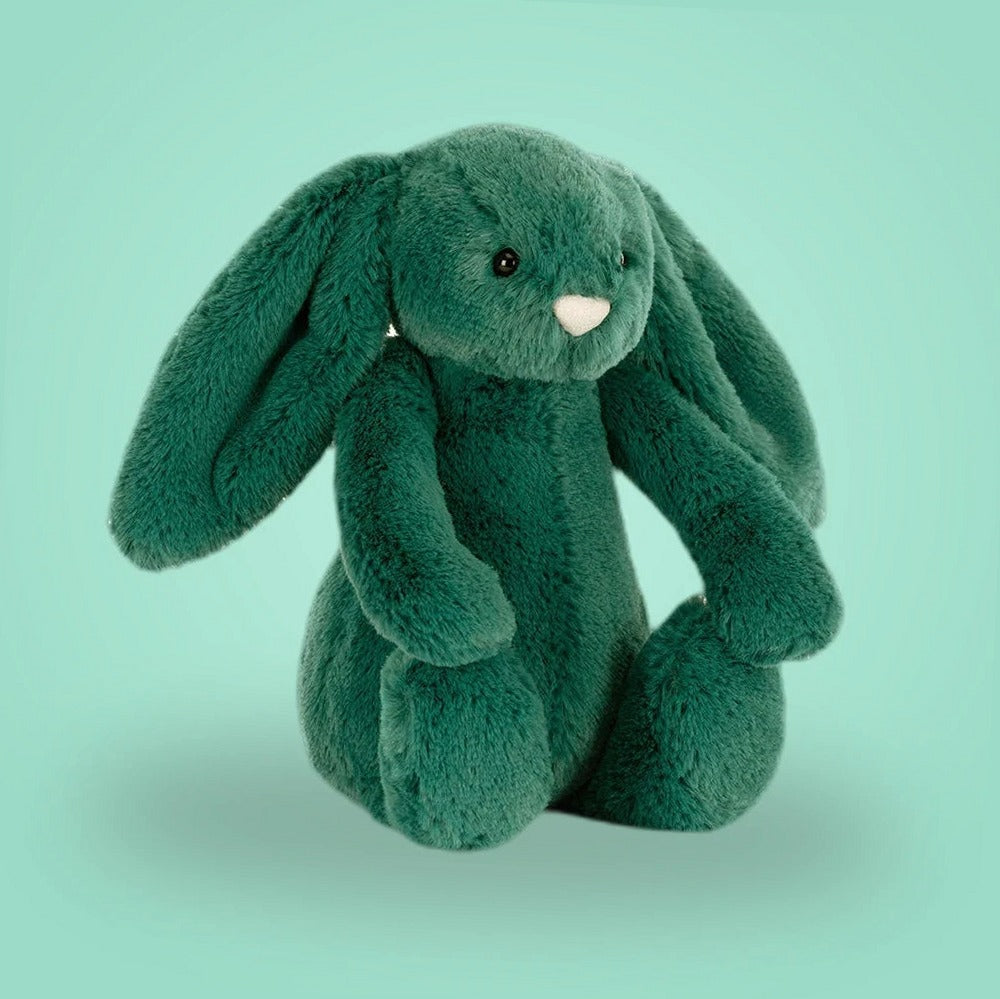
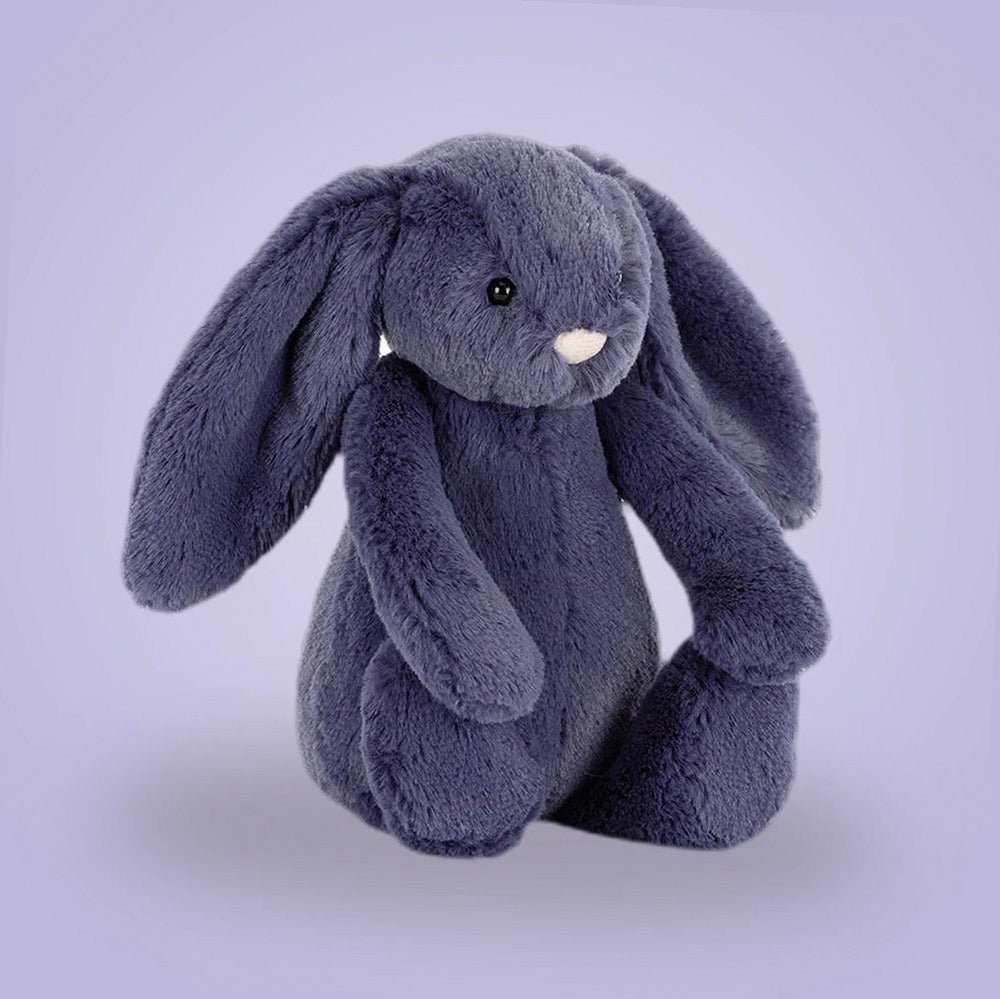
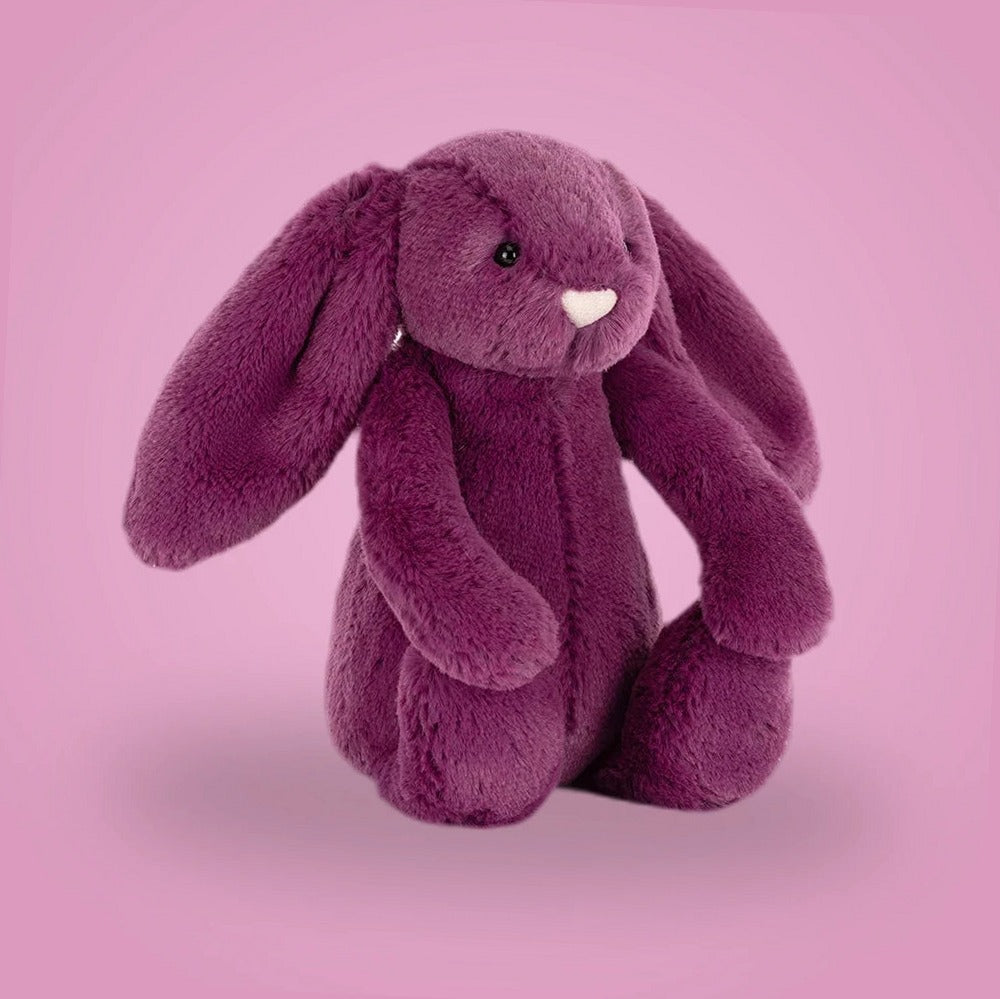
Instead of crowding the nook with every plush toy, curate a small rotating set of companions—three to six favorites depending on the child’s age. Use selection criteria like size (avoid enormous plush that take over the seat), tactile variety (mix soft, squishy, and textured), and emotional significance (include one or two comfort pieces). Rotation keeps interest high and reduces dust buildup across the entire collection.
Create a simple rotation routine: a weekly 'guest list' pinned nearby or a small basket that holds the week’s rotation. This teaches simple organization and gives the child agency in choosing who will join storytime. Track rotation with a quick checklist: pick companions, place extras in labeled storage, and inspect for damage before reintroducing them to the nook.
Practical Storage and Display Options
Combine display and storage to keep the nook tidy. Open-faced cubbies or low shelving let children reach plush without climbing; use fabric bins or baskets inside cubbies to hide extras. For a more decorative solution, a hammock or wall pocket can hold lightweight stuffed animals off the floor, reducing tripping risks while showing favorites at eye level. Ensure whatever method you choose is anchored correctly and follows weight guidance on mounting hardware.
Label storage visually with photos or simple text so young readers can return toys to the right spot. If space is minimal, under-bed storage boxes are a discreet option for out-of-rotation pieces. A quick inventory checklist—active rotation bin, washed-since-last-use bin, and long-term storage box—prevents forgotten toys from accumulating in closets or under furniture.
Cleaning, Care, and Longevity
Follow the manufacturer’s label for cleaning and care—do not assume that all plush can be machine washed. For surface dirt, spot clean with a damp cloth and mild soap, test in an inconspicuous area first, and let toys dry completely. Keep a small care kit near the nook: soft brush, lint roller, mild detergent, and a list of items that require special handling per their labels.
Schedule brief regular maintenance: a weekly quick fluff and surface wipe, plus a monthly deeper check for loose seams or detached eyes. When a toy requires more than surface cleaning, set it aside in a designated 'care' bin. For guidance on general handling and repair tips, refer to the care page at our care guide which outlines common methods and when to consult manufacturer instructions.
Avoid Common Mistakes and Practical Decision Criteria
A frequent mistake is overfilling the nook with too many toys; this crowds seating and makes cleaning harder. Use the decision rule: if more than three plush fit on the seat without displacing the reader, scale back. Another error is choosing fragile decorative pieces for daily play—reserve delicate decor for higher or out-of-reach display, and select durable, washable toys for the active nook.
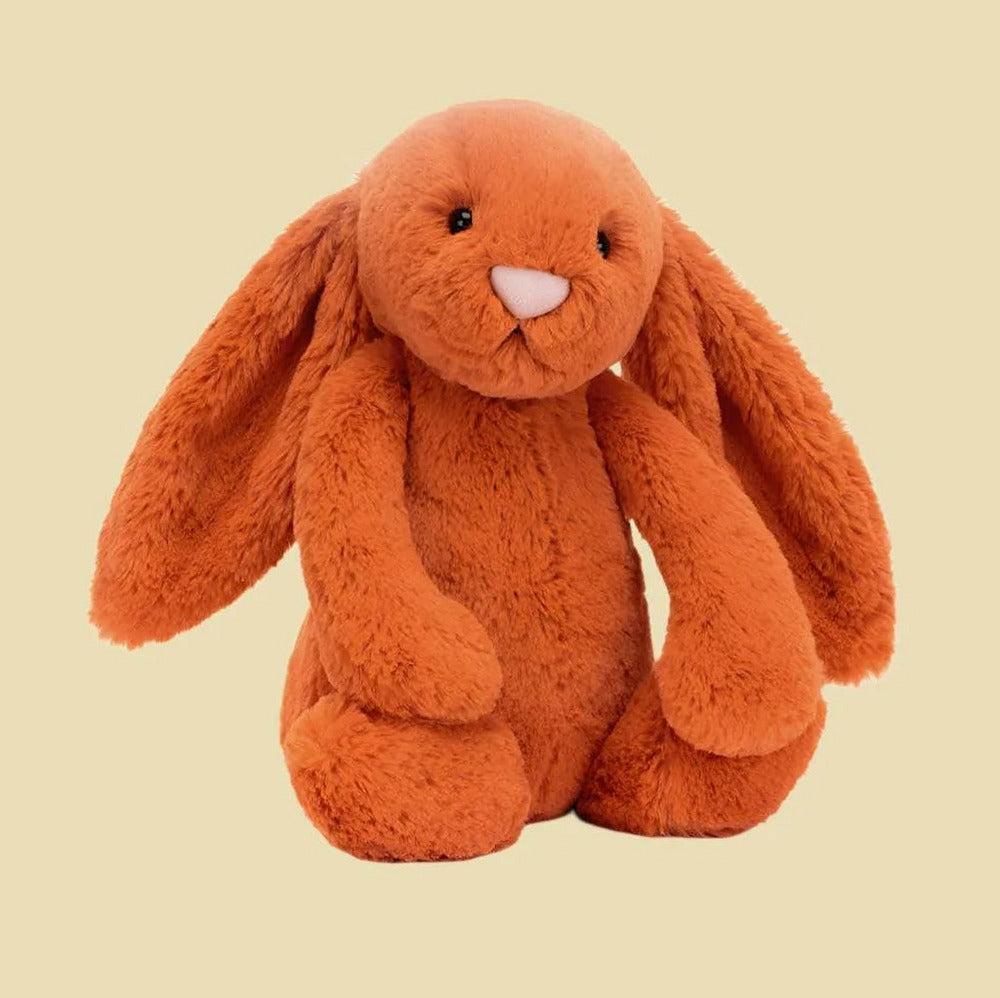
Base purchase and placement decisions on measurable criteria: available square footage, ease of access for the child, and cleaning methods compatible with your routine. When buying new plush, ask where it will be stored and how it will be cleaned; if the label’s care instructions conflict with your practical needs, consider a different choice. If you need help locating rabbit-themed options, see the bunnies collection at the Bunnies collection for inspiration.
Organizing for Growth and Shared Use
Design the nook to grow with children by choosing modular furniture and adaptable storage. Replace floor cushions with a small armchair when the child outgrows floor seating, and swap smaller bins for larger baskets. For shared nooks among siblings, color-code storage or assign labeled cubbies so each child has identifiable space for their plush friends.
If you plan to host playdates, keep a quick guest kit: a small selection of extra plush in a closed bin and a hand-wipe station nearby. For bulk inquiries from educators or small retailers, direct them to the contact page at the contact page to ask about options and support. This helps maintain order and prepares the nook for different users without sacrificing the cozy character.
A Small Example Plan You Can Copy This Weekend
Measure a 4' x 4' corner near a window. Place a low-backed armchair or two floor cushions on a washable 3' round rug. Add a small adjustable lamp with a stable base on a low side table. Hang a single shelf 3' above the floor to display two favorite plush and use a fabric bin under the shelf for the weekly rotation.
Establish a short routine: after reading, the child returns plush to the bin, runs a quick lint roll over the chair, and checks the 'care' bin for anything needing deeper attention. Keep a care checklist taped inside the storage bin lid: spot-clean today, wash per label next week, inspect seams monthly. For wholesale or repeated purchases for classrooms or reading corners, see the wholesale inquiry route at wholesale inquiries to learn about starting a conversation.
Explore the details before choosing
Take a closer look at Bunnies, review our plush and clothing care guidance, or ask about specifications and availability before making an order request.