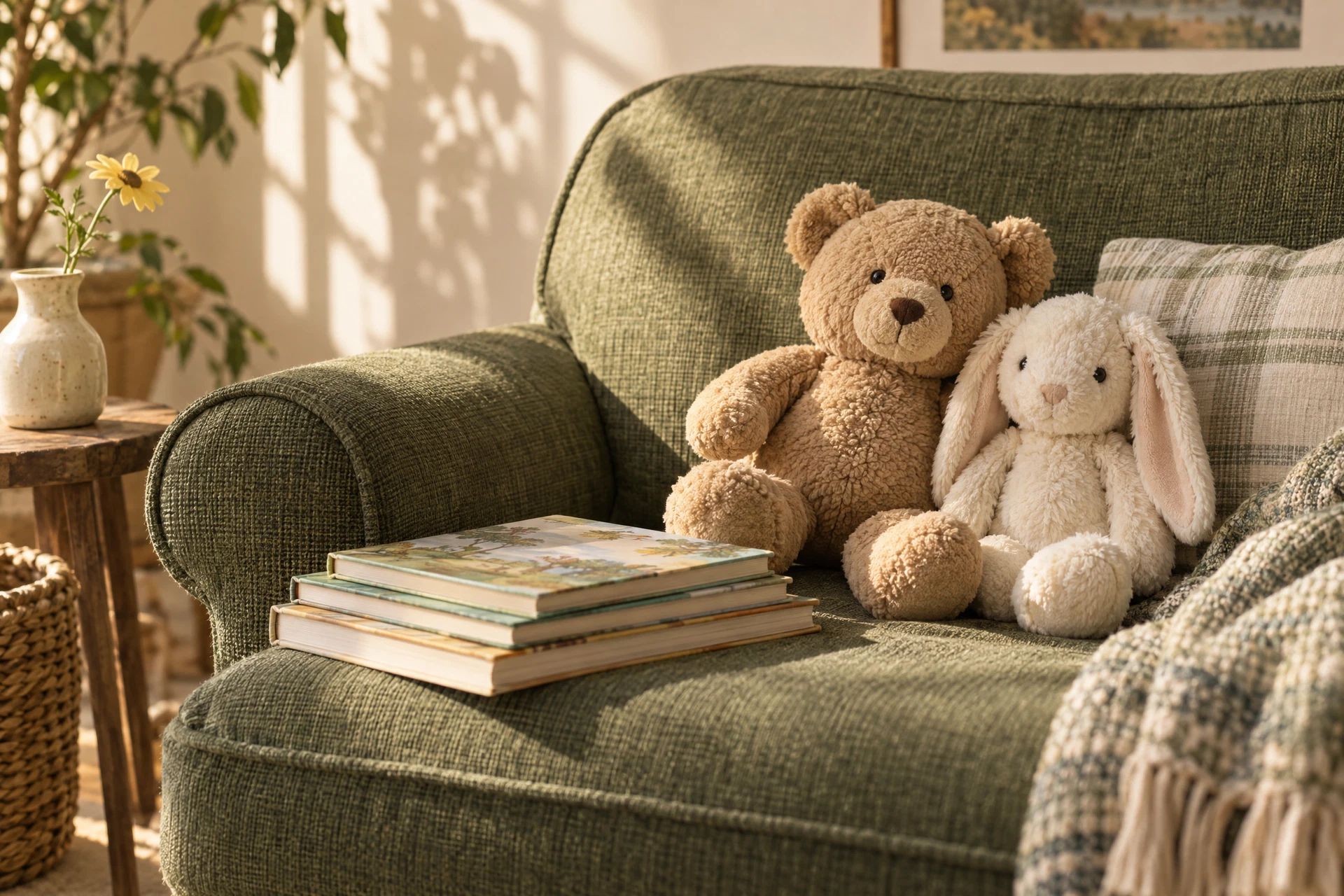
A quiet afternoon with a plush toy and a picture book can be more than a distraction—it can be a compact lesson in attention, narrative sequencing, and sensory comfort. This article focuses on plush picture book activities: repeatable setups you can assemble quickly, adaptable to different ages and settings, and designed to encourage calm engagement rather than high-energy play. The goal is to give caregivers specific patterns to try, plus practical checklists so each session runs smoothly.
Below you will find concrete pairing strategies, prop suggestions that cost little or use things already at home, a few simple scripts to scaffold participation, and a short troubleshooting guide for common missteps. If you’re considering purchases for this kind of activity, see the collection of soft animals at the Bears collection and check any product’s label carefully for age and care guidance. For questions about ordering or special requests, use the contact page.
Choosing the right plush for the book
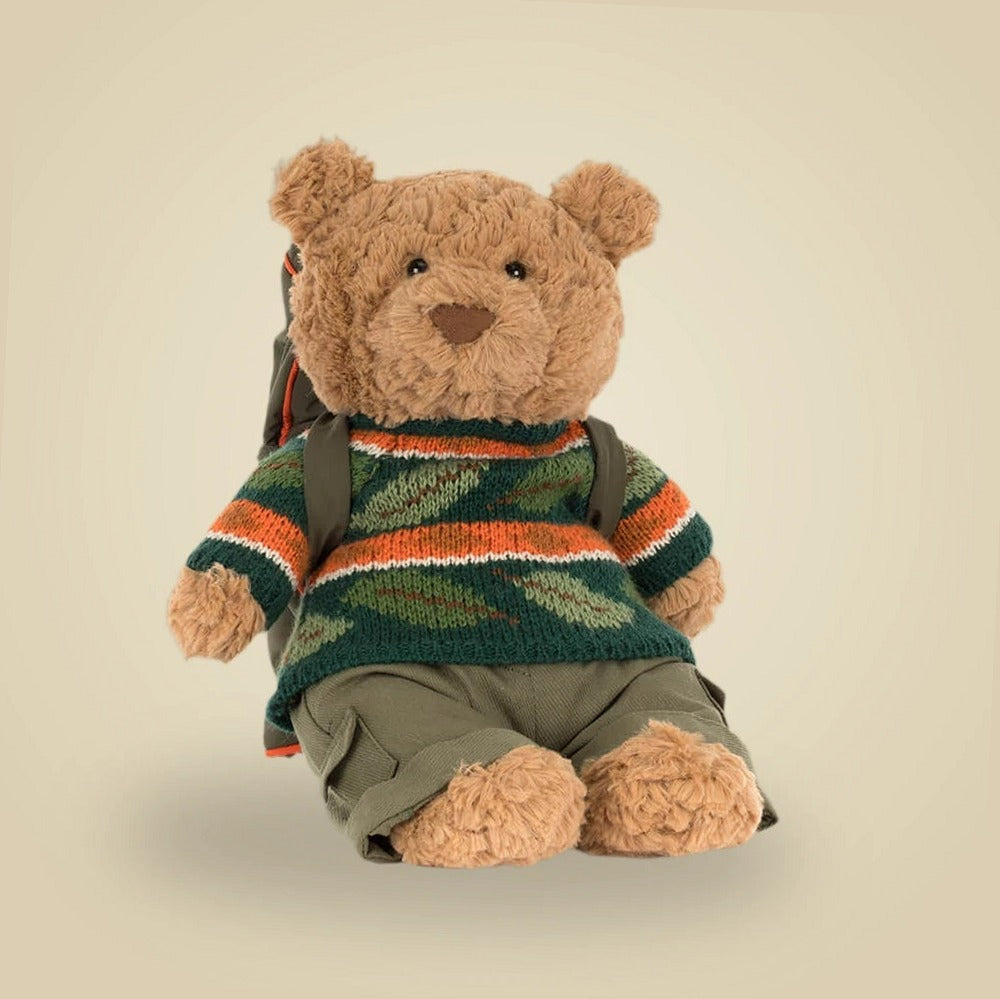
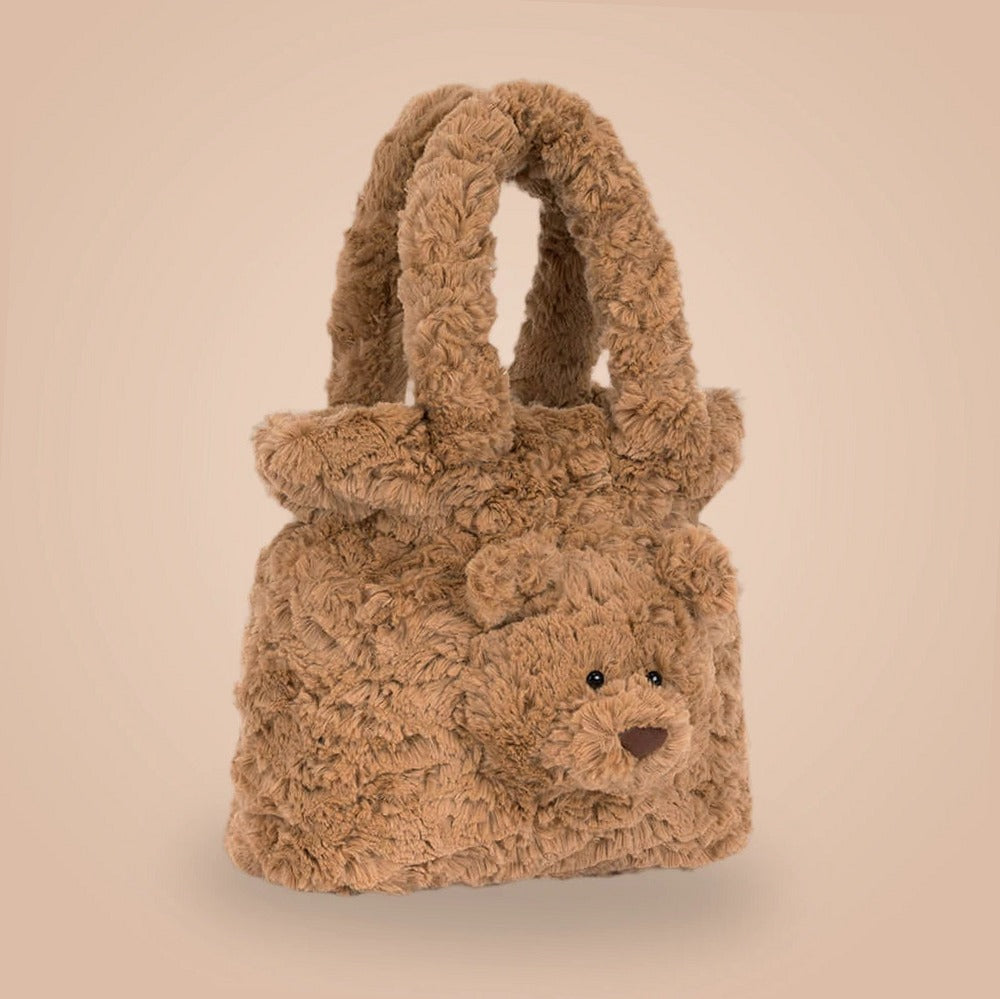
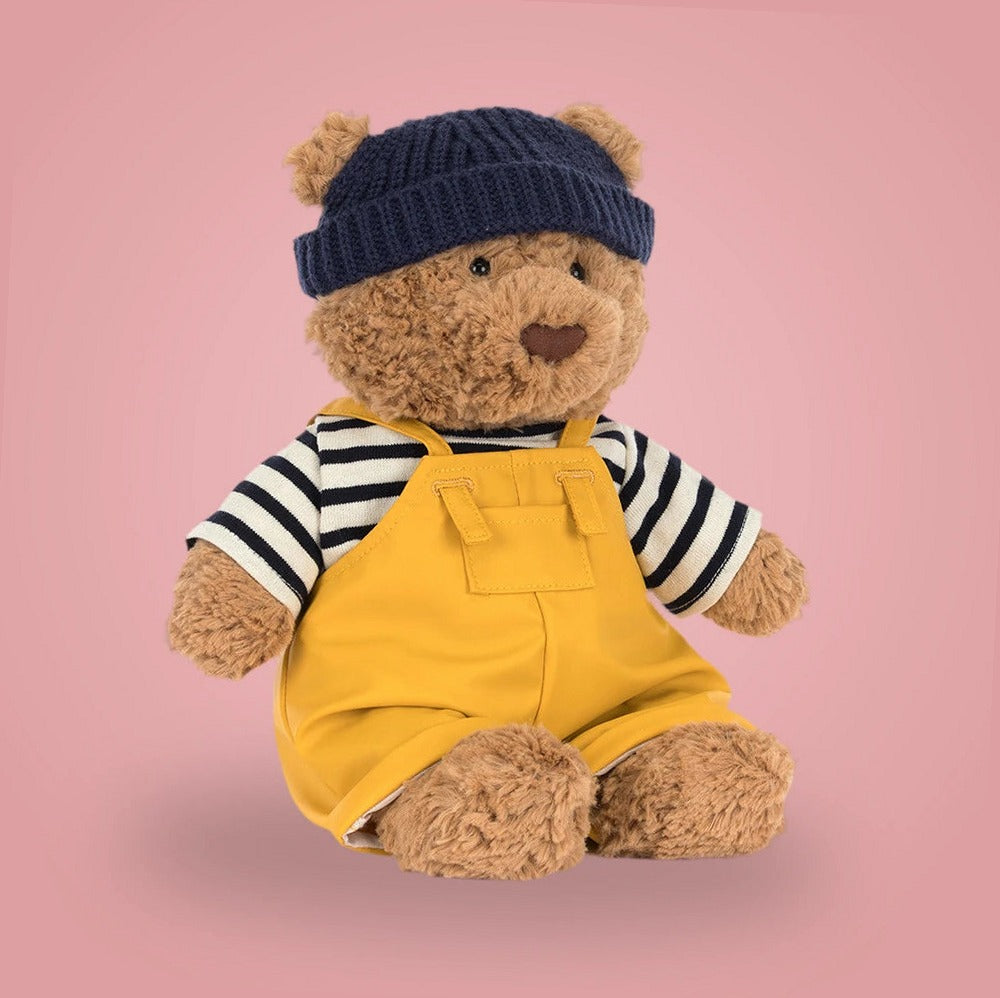
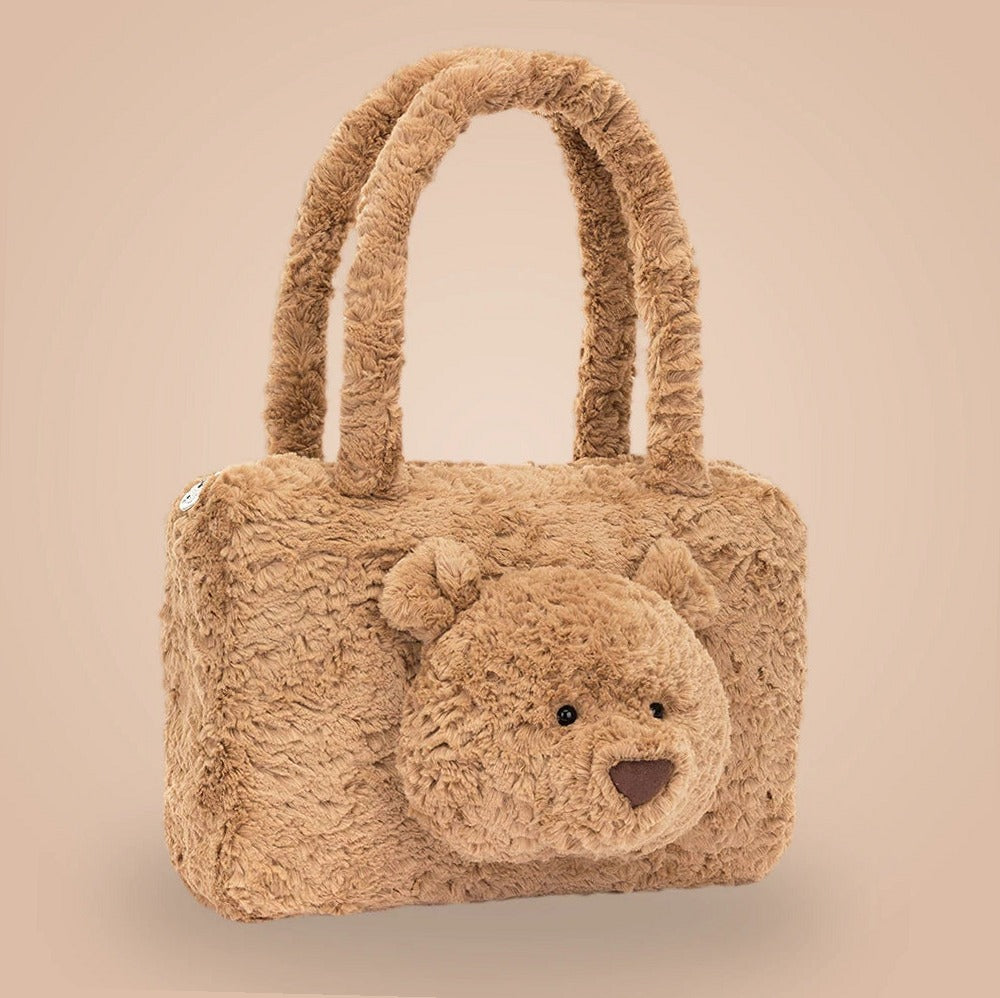
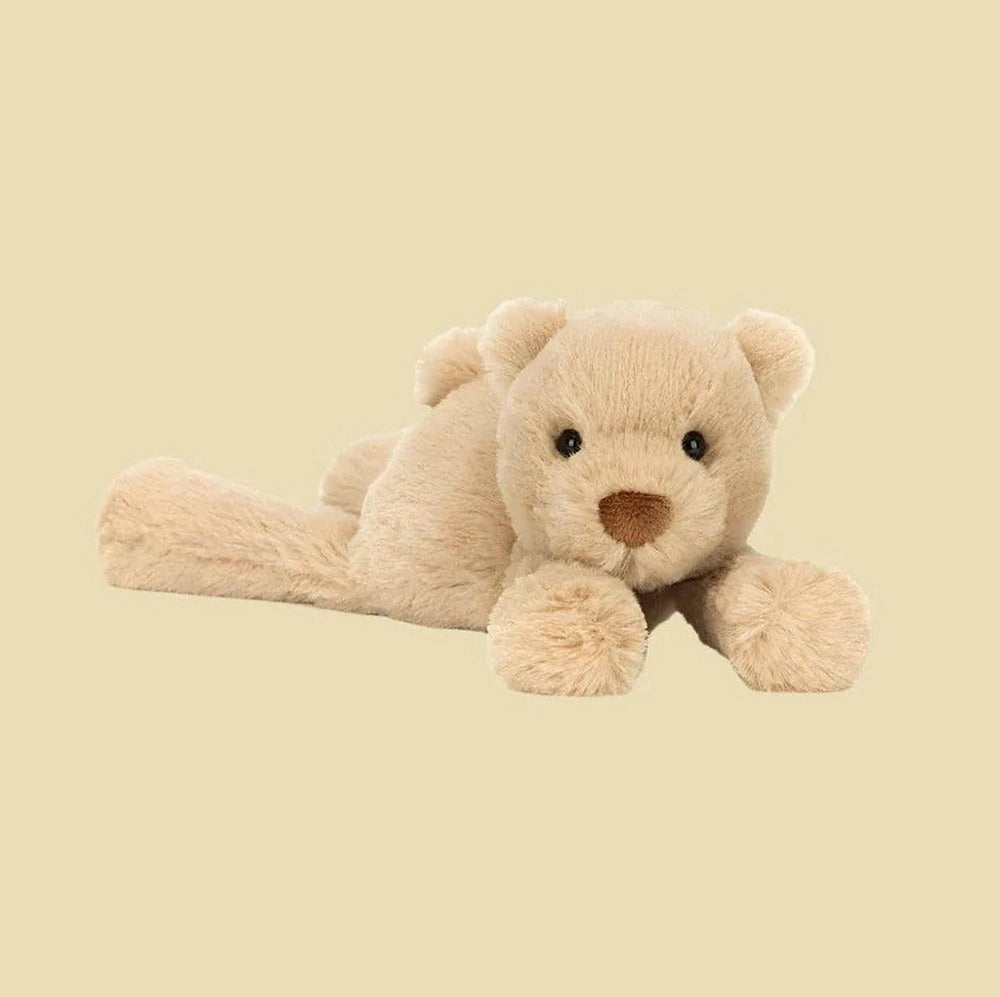
Start by matching the plush toy’s visual and tactile qualities to the book’s tone. A small, soft plush with muted colors works well for soothing picture books with gentle rhythm; a brighter, more textured plush suits stories with active language or sound effects. Decision criteria: size (comfortable to hold while turning pages), weight (light enough not to smother pages), and safety features (no loose parts for younger children).
Common mistakes include selecting a plush that’s too large for lap use or one whose texture distracts from the narrative. If a book centers on a particular animal or object—say, a rabbit or a little red car—choose a plush that echoes that protagonist to reinforce recognition. For shopping questions or bulk inquiries, visit the wholesale inquiries page to learn about retail options.
Pairing books and plush: three reliable formulas
Formula one: mirror the protagonist. Use a plush identical or similar to the main character. This reinforces identification and helps young listeners anticipate actions. During reading, pause and have the plush 'act out' a page turn or a simple gesture like a wave. Keep the action short—one or two movements—to avoid pulling attention entirely away from the text.
Formula two: contrast for curiosity. Pair a calm picture book with a plush that adds a playful visual or textural contrast. For example, a smooth, monochrome plush with a brightly illustrated, detail-heavy book encourages children to switch attention between picture and tactile sensation. Formula three: role-switching. Use a plush that represents a secondary character; afterward, ask children to tell the plush why that character acted as it did. These approaches provide scaffolding while leaving room for imaginative responses.
Setting the space for calm engagement
A defined reading spot helps signal this is a quiet activity. Arrange a low rug or small blanket, a basket with a few picture books, and the chosen plush nearby. Remove noisy toys and mute digital devices. Light should be soft but adequate for reading; natural daylight or a shaded lamp works well. If you expect more than two children, add a few cushions so no one feels crowded.
Keep transitions simple: a short verbal cue like 'three-minute quiet story' or a visual timer lets children know the session length. A common mistake is an open-ended plan—set a clear, short duration (5–12 minutes depending on age) and extend only if everyone is engaged. For care information about plush maintenance, check the product label and the our care guide page rather than assuming universal cleaning methods.
A small, actionable activity example
Activity: 'Follow-the-Plush Narrative.' Materials: one picture book, one themed plush, a small cloth bag. Setup: place the plush in the bag and present the closed book. Before reading, ask a single question—'Where might our friend be going today?'—then begin the story. At three planned pause points, remove the plush and have it 'respond' with a single gesture: point, hop, or peek at the page. Keep language brief and invite one child to mimic the plush’s gesture.
This short routine models turn-taking and reinforces story sequence. Tips: rehearse the plush’s gestures so they’re consistent, choose pause points that map to clear events, and limit responses to one child at a time. If a child becomes overstimulated, move the plush aside and continue listening without the action; the story alone still offers value.
Using props and low-tech aids
Simple props extend interaction without clutter. Cloth scarves for peekaboo, a pocket-size felt board for repeating motifs, and small laminated cards depicting emotions or key items in the book can all be integrated. Checklist for prop selection: lightweight, easy to clean, few pieces, and directly tied to the story’s imagery. Avoid toys that require batteries or complex assembly.
An effective tactic is the 'object spotlight': before turning a page, hold up a matching prop and ask children to name it. This keeps attention anchored to the narrative while allowing tactile exploration. Keep props on a tray to prevent scattering; a common error is introducing too many props at once, which shifts focus from listening to sorting.
Scaffolding language and participation
Use short, repeatable prompts that invite responses without pressure: 'Can our friend say hello?' or 'What do you think comes next?' Encourage imitation of a single line or refrain rather than open-ended storytelling. For older children, ask them to whisper a description of the plush’s feelings to the toy, which fosters perspective-taking while keeping noise low.
When introducing choice, offer limited options: 'Should the plush go left or right on this page?' Two choices make decision-making manageable and help maintain pace. Be mindful of not asking too many questions; a steady rhythm of one question per page, or fewer for very young listeners, preserves the calm tone.
Common mistakes and how to fix them
Mistake: turning every session into a performance. Solution: keep plush actions brief and functionally related to the text—avoid long puppet monologues. Mistake: overloading props. Solution: rotate one prop per session and store extras out of sight. Mistake: choosing a plush that distracts because it’s noisy or has many attachments. Solution: choose simpler toys for focused reading.
Another frequent issue is inconsistent pacing—rushing through pages or lingering too long on one image. Fix this by planning three to five natural pause points in advance and using them as anchors. If engagement drops, switch to a quieter script: dim lighting slightly, lower your voice, and read a short, lyrical paragraph to soothe attention back.
Transitioning after the session
A short winding-down routine signals the end and preserves the calm atmosphere. Simple transitions: return the plush to its basket with a gentle narration ('Now Teddy is sleepy—let’s tuck him in'), offer a quiet reflection question, or sing a brief two-line goodbye song. Keep the closing consistent so children know what to expect after each session.
If you want to continue learning objectives from the story, add a small follow-up: draw a favorite page for five minutes, match plush expressions to emotion cards, or retell the book using only three gestures. These activities extend comprehension without reviving high energy. If you plan to store or launder the plush, check the manufacturer’s label for specific care instructions before cleaning.
Explore the details before choosing
Take a closer look at Bears, review our plush and clothing care guidance, or ask about specifications and availability before making an order request.