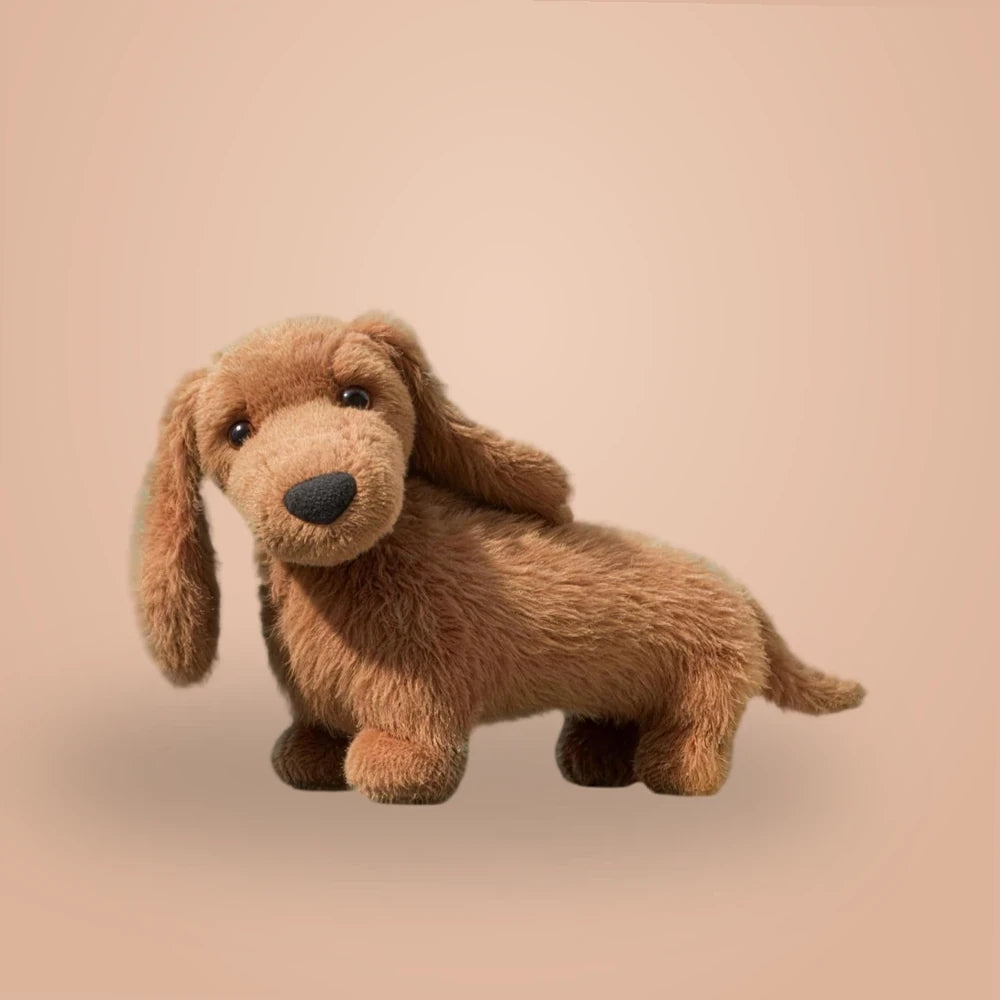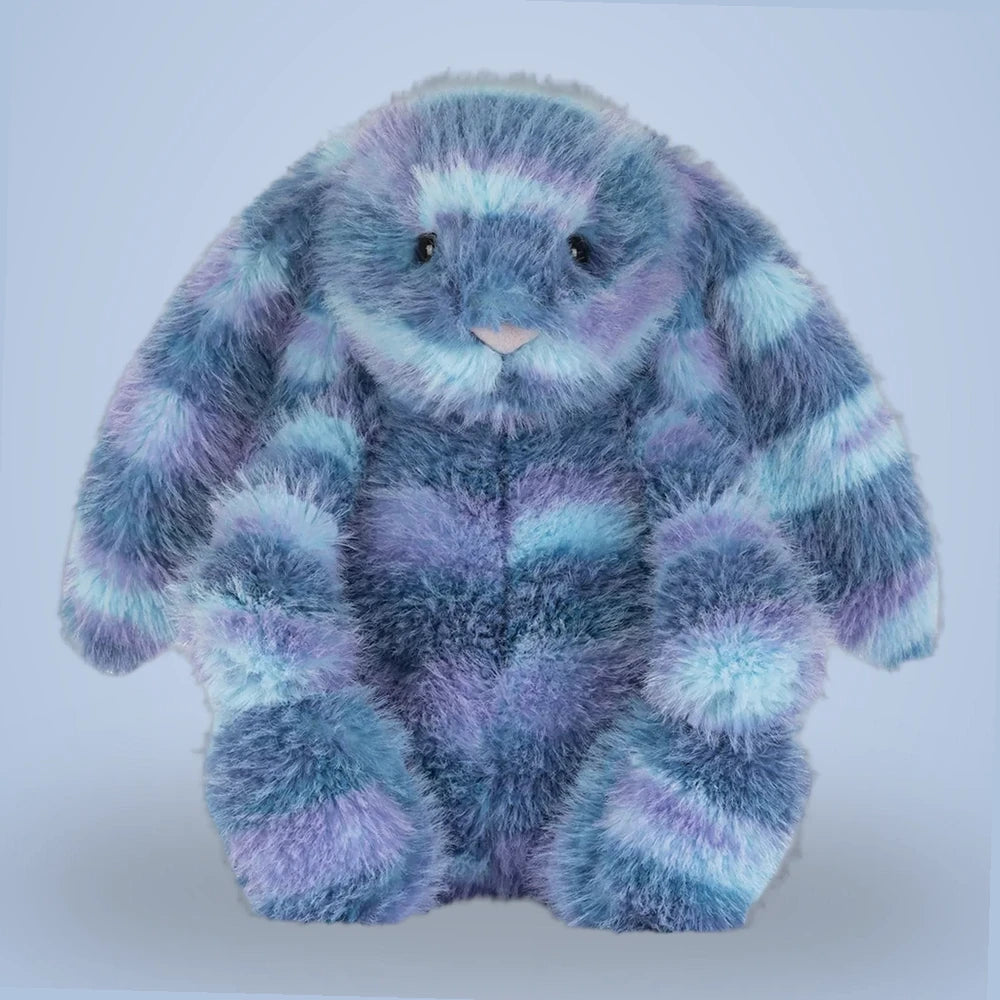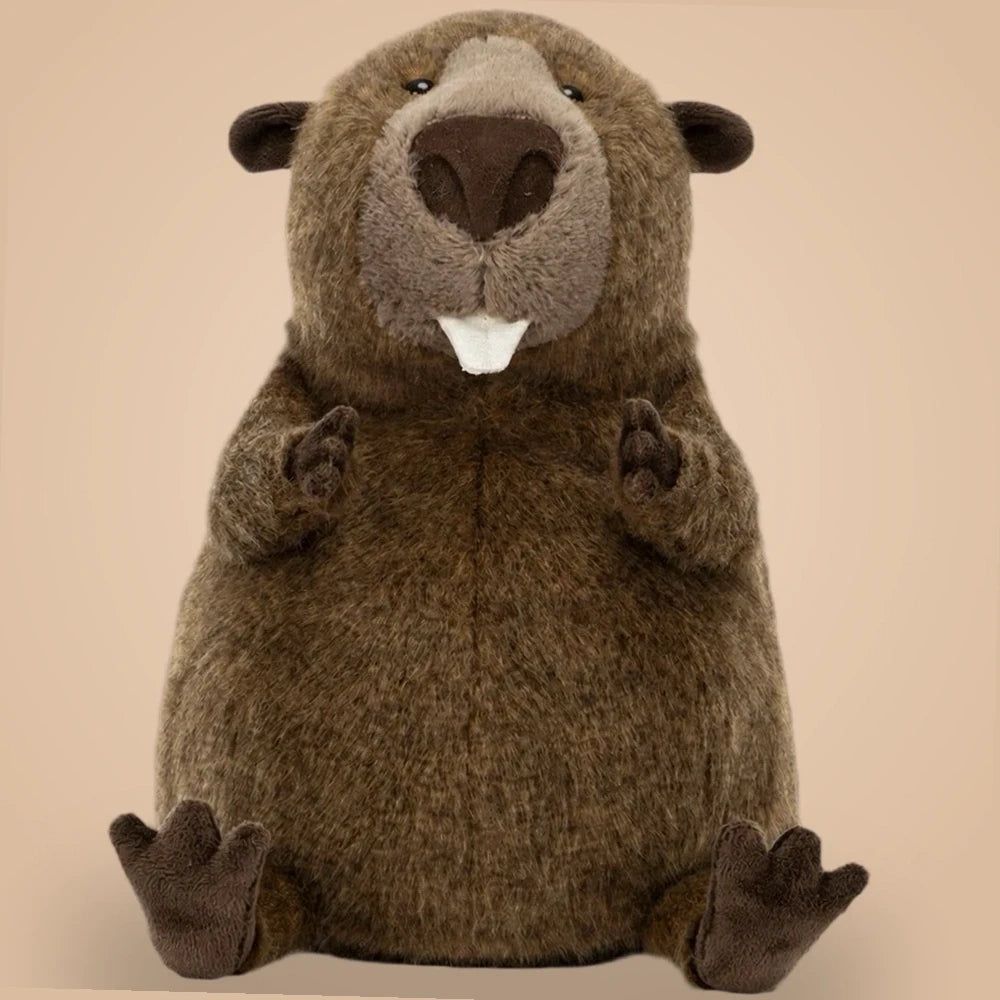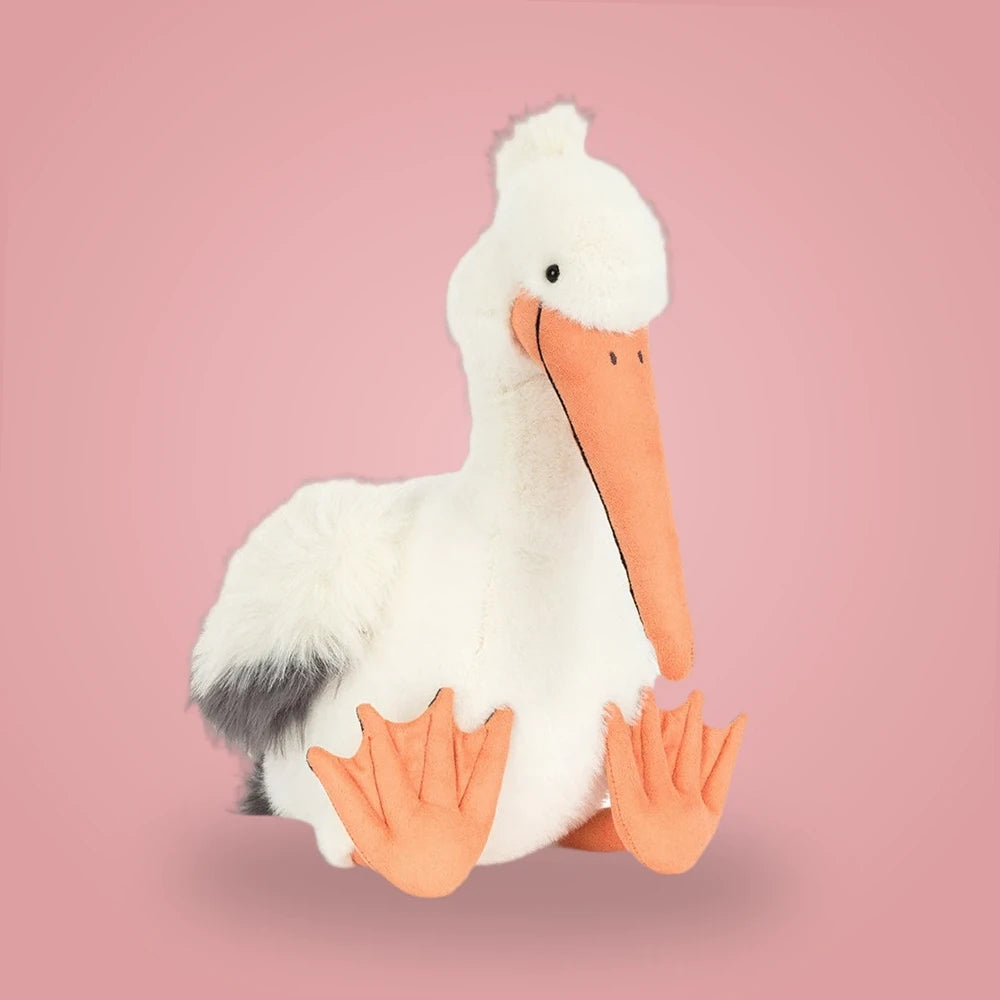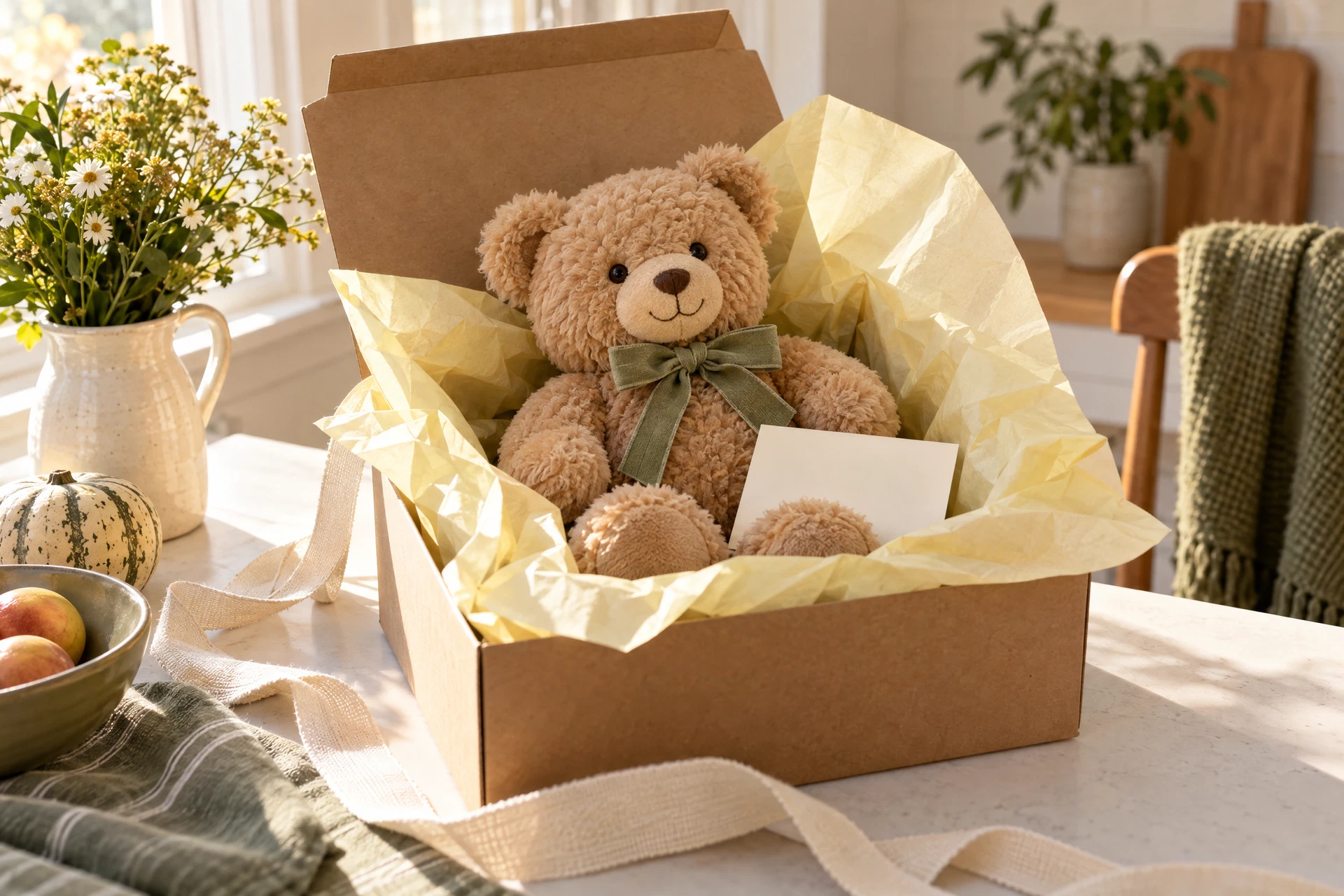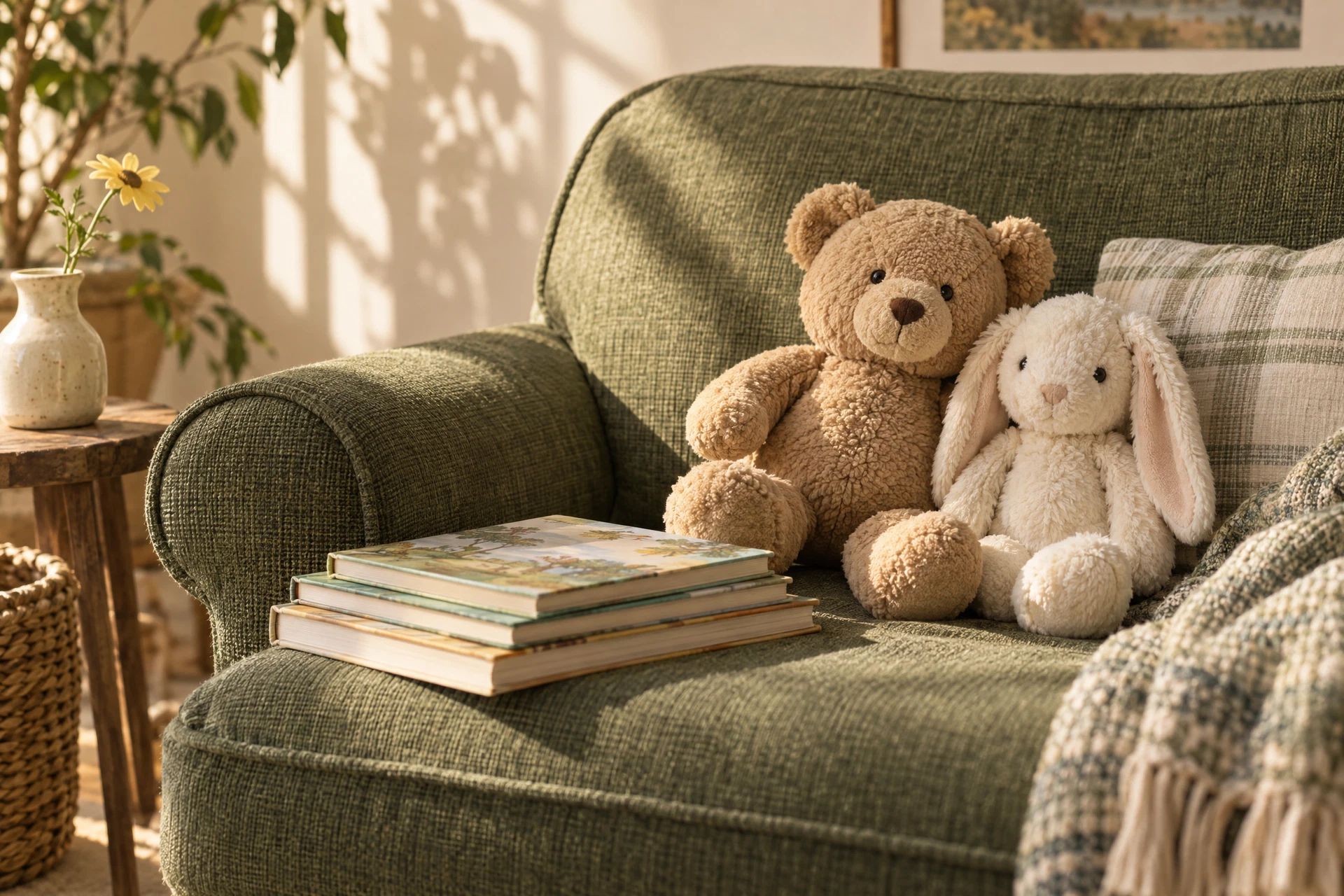
A woodland plush story basket is a single, portable set of materials that invites repeated storytelling, sensory play, and simple puppet-style dramatization. The goal is narrow: assemble a small collection of tactile plush animals and a handful of durable props that fit in one basket so caregivers, teachers, or parents can pull it out quickly for a focused session. A well-curated basket reduces decision fatigue and supports language development, turn-taking, and narrative structure without overwhelming a child with too many choices.
Before you buy, define where the basket will live and how it will be used. Will it be an open shelf item in a preschool circle, a take-along set for car trips, or a seasonal display at home? Answering that will determine size constraints, materials, and how frequently items will be laundered or rotated. For shopping inspiration, see the animal-focused assortment in our animal friends collection: the Animal Friends collection.
Choosing the Right Plush Animals
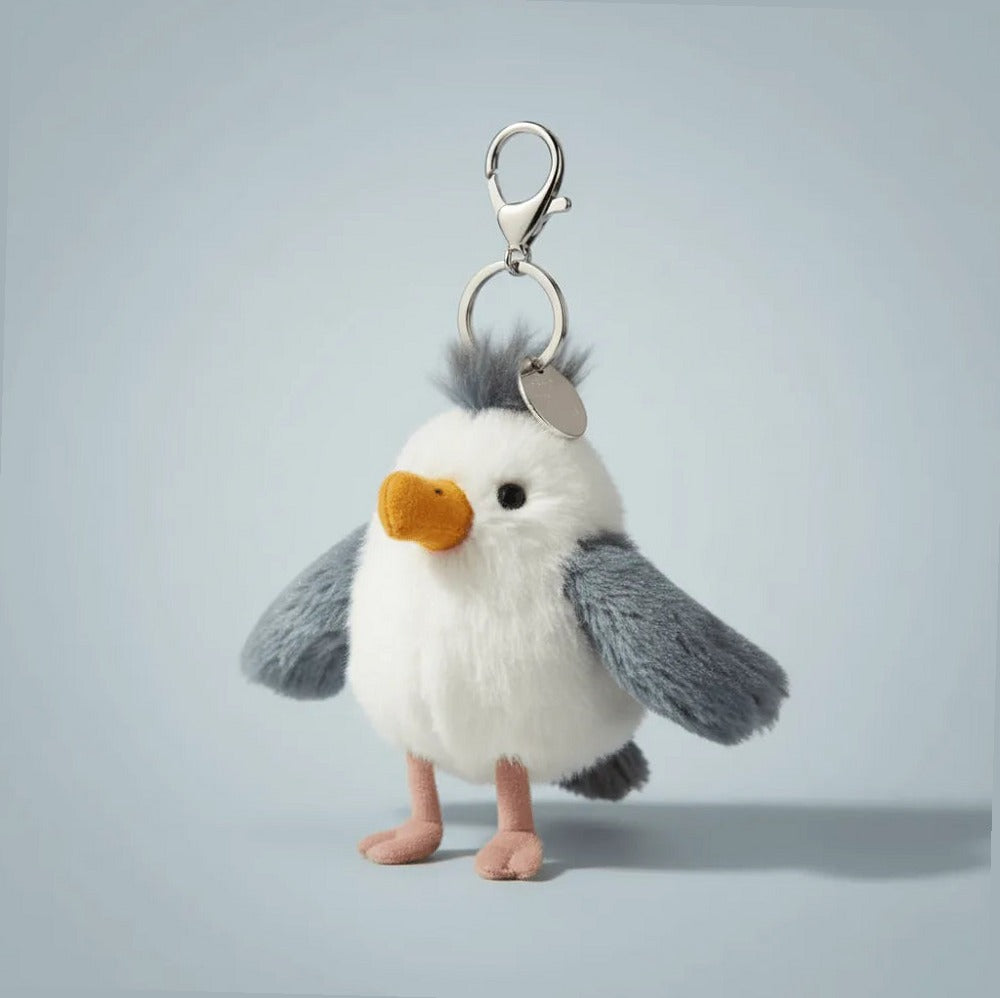
Start with a short list of core characters: a fox, a rabbit, a deer, a bear, and a squirrel cover common woodland roles and personality types—sly, curious, graceful, strong, and busy. Select animals with clear silhouettes and minimal small parts. Prioritize plush that feels substantial in the hand so children can manipulate them during storytelling. If you need to limit cost or space, choose three core animals and rotate the rest seasonally.
Decision criteria to weigh: scale (hand-sized vs. palm-sized), texture (smooth vs. textured fur), and durability (tight seams, reinforced joints). Common buyer mistakes include picking very large plush that won't fit in the basket or buying too many near-identical items that confuse identity and role-play. If you're considering themed sets, compare individual pieces rather than relying on marketing images to judge scale and presence.
Complementary Props and Textures
A handful of non-plush props will expand narrative possibilities. Natural-feeling items—small wooden logs, felt leaves, a cotton bandana to serve as a picnic blanket—help set scenes. Include at least one open-ended object like a plain wooden bowl that can double as a pond or a nest. When choosing props, look for rounded edges and washable surfaces, and avoid tiny decorations that could detach during play.
Texture variety boosts sensory engagement: a leaf-shaped fabric square, a knitted mushroom, or a faux-fur scrap provide tactile contrast with the plush animals. Assemble a checklist: soft textile, hard natural element, flat scene-setting piece, and one prop that makes soft noise (e.g., a crinkly leaf) if you want auditory cues. Keep props fewer than animals to ensure the animals remain the narrative focus.
Basket and Storage Solutions
Choose a basket sized to hold the entire collection with a little breathing room—too-tight storage invites crushed plush and uneven drying after spot cleaning. Wicker, fabric bins with handles, or low-sided wooden crates are common choices. For classroom use, label the basket with a picture and short text so children can self-serve; in shared settings, a clear, laminated checklist stuck inside the lid helps staff ensure all pieces are returned.
Consider portability: handles make the set easy to carry between rooms, while removable liners simplify wiping out crumbs after snack-time storytelling. If moisture or laundering will be frequent, select a basket material that tolerates dampness or choose an inner removable bag that can go in the wash following the manufacturer's care instructions.
Care, Cleaning, and Safety Reminders
Regular maintenance keeps the basket inviting and hygienic. Establish a simple routine: quick visual inspect after each use, spot-clean spills promptly according to the toy’s label, and perform a deeper check weekly to assess loose seams or frayed fabric. For general guidance about cleaning and care, refer to our care guide so you can follow manufacturer instructions on each plush item.
Avoid universal claims about washing methods—different plushes have different labels and inner fillings. If a piece cannot be laundered easily, consider replacing or designating it for home-only use. Keep an eye on loose buttons, brittle tags, or seams that might expose inner stuffing, and remove damaged items until they can be repaired or replaced to reduce choking hazards in mixed-age settings.
Simple Story Starters and Prompts
Create a short bank of prompts attached to the basket to help adults who are unsure how to begin. Examples: 'The fox finds a shiny button—who else would like to see it?' or 'It rained all night. Which animal builds a shelter first?' Keep prompts to one sentence and include role-specific cues such as 'What does the squirrel do with the acorn?' that invite action rather than yes/no answers.
An actionable small example: place three animals and two props in the basket—fox, rabbit, wooden log, and felt leaf. Prompt: 'The rabbit wants to visit the log. How can the rabbit cross the stream?' Encourage children to use the leaf as a bridge and narrate the crossing. This short scene trains sequencing (first, next, last) and problem-solving in under five minutes.
Rotation, Theming, and Seasonal Updates
Rotating pieces keeps the basket fresh and maintains attention. Split your wider collection into two or three subgroups and swap them monthly or with the seasons. For example, add a tiny felt pumpkin and a thicker scarf piece in autumn or introduce a soft blue felt pond in spring. Keep a rotation log so you remember what’s in each set and avoid duplicates that make swaps meaningless.
When theming, limit the number of special items so the core animals remain recognizable. A seasonal theme works best when anchored by one new prop or one alternative animal rather than a full redesign. That preserves the narrative continuity children build when they encounter familiar characters across rotations.
Using the Basket in Groups and Classrooms
In group settings, set clear expectations: the basket is a shared resource with turn-taking rules. Use a simple token system—one token per child per turn—to pace interaction and reduce squabbles. For storytime, invite two or three children to collaborate on a short vignette with teacher facilitation; assign one child as narrator and the others as actors to distribute roles and encourage participation.
Common classroom pitfalls include overcrowding the play area and allowing the basket to become a catch-all. Keep a dedicated, open space for the story basket with a visible checklist and a small drying rack nearby for items that need airing. If a piece goes missing, consult your inventory list before buying a replacement; many narrative functions can be fulfilled by everyday classroom materials.
Purchasing Tips and Questions to Ask
When buying individual plush, request clear photos or inspect items in person for seam quality, fabric density, and realistic scale relative to other pieces you already own. Ask sellers about return policies in case colors or sizes differ from expectations. Check manufacturer labels for age guidance and care specifics before adding an item to a communal basket.
If you're sourcing bulk or classroom sets, ask about consistent sizing across the order and whether the supplier can provide replacement parts. For larger purchases or questions about assortments, contact customer service or wholesale departments—see wholesale inquiries for avenues to inquire—and have your desired character list and budget ready to streamline communication.
Display, Documentation, and Next Steps
Keep the basket visible and accessible to promote spontaneous play. Add a small card that names each animal and prints two suggested prompts, plus a reminder to check the care label before laundering. Document favorites by photographing short play sessions (with permission) to note which animals inspire the most storytelling; this helps when planning future purchases or designing lesson plans.
If you have questions about availability or want catalog-level help choosing pieces, reach out through the the contact page page. Include your intended use (home, classroom, rotating shelf), approximate budget, and any space constraints so the response can be specific and practical rather than generic.
Explore the details before choosing
Take a closer look at Animal Friends, review our plush and clothing care guidance, or ask about specifications and availability before making an order request.