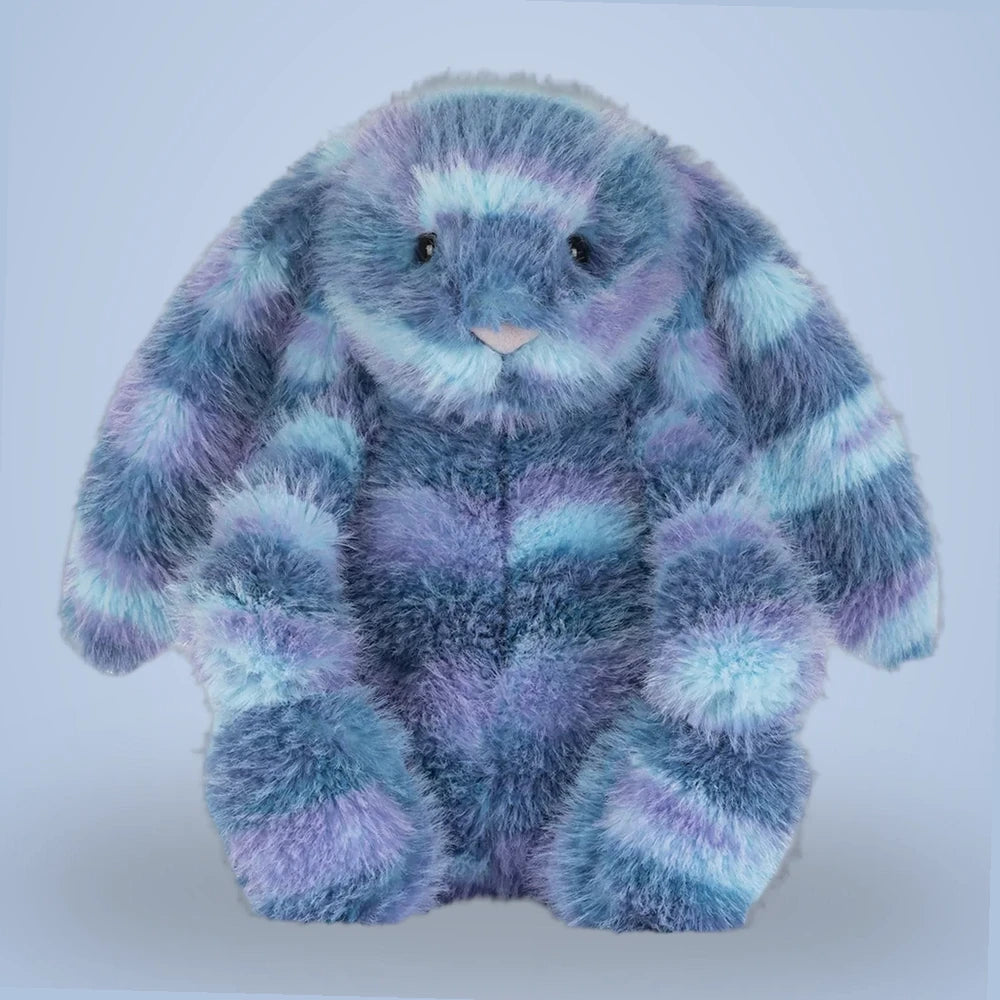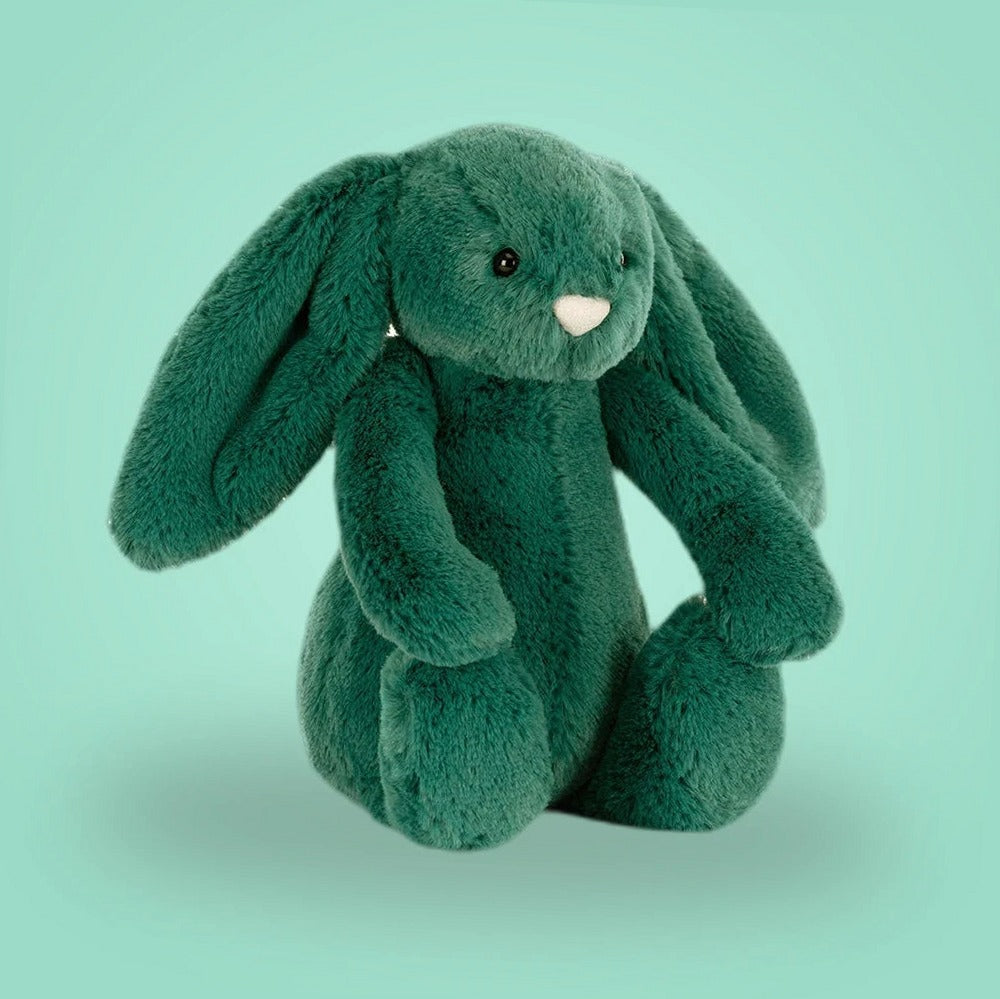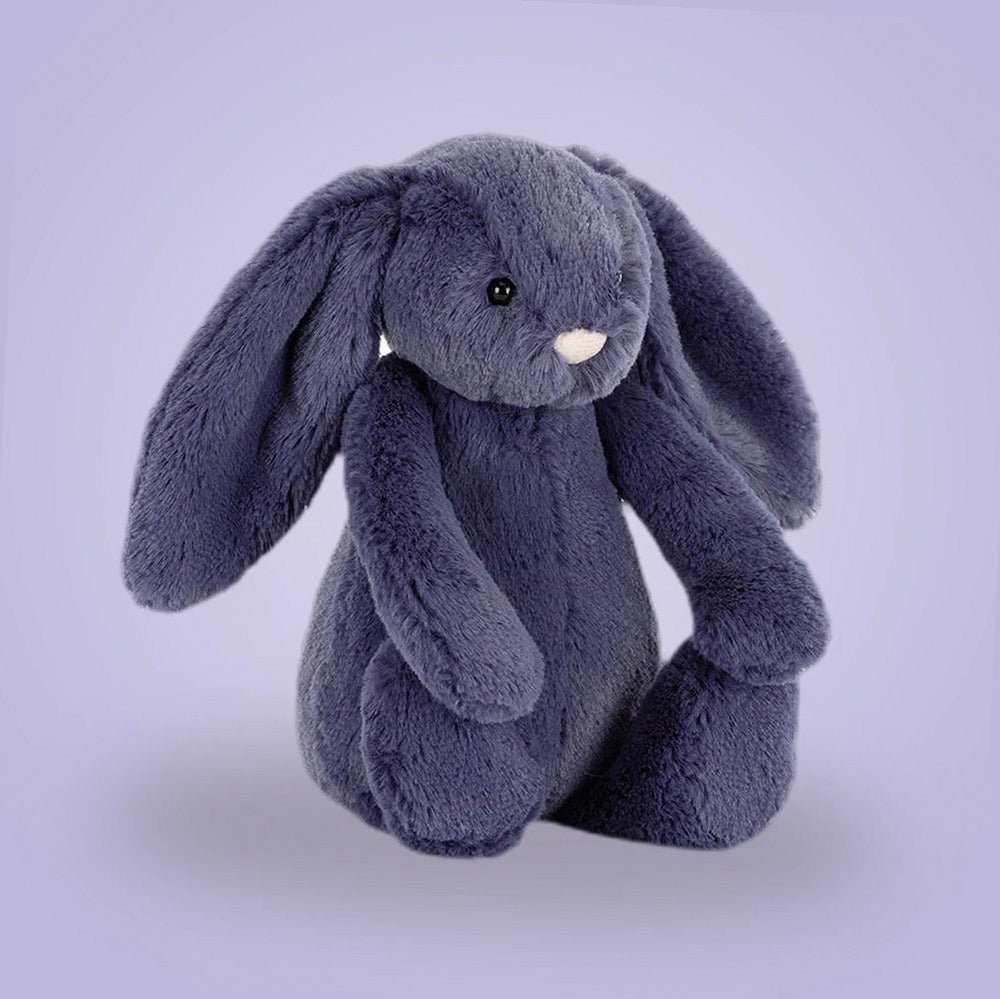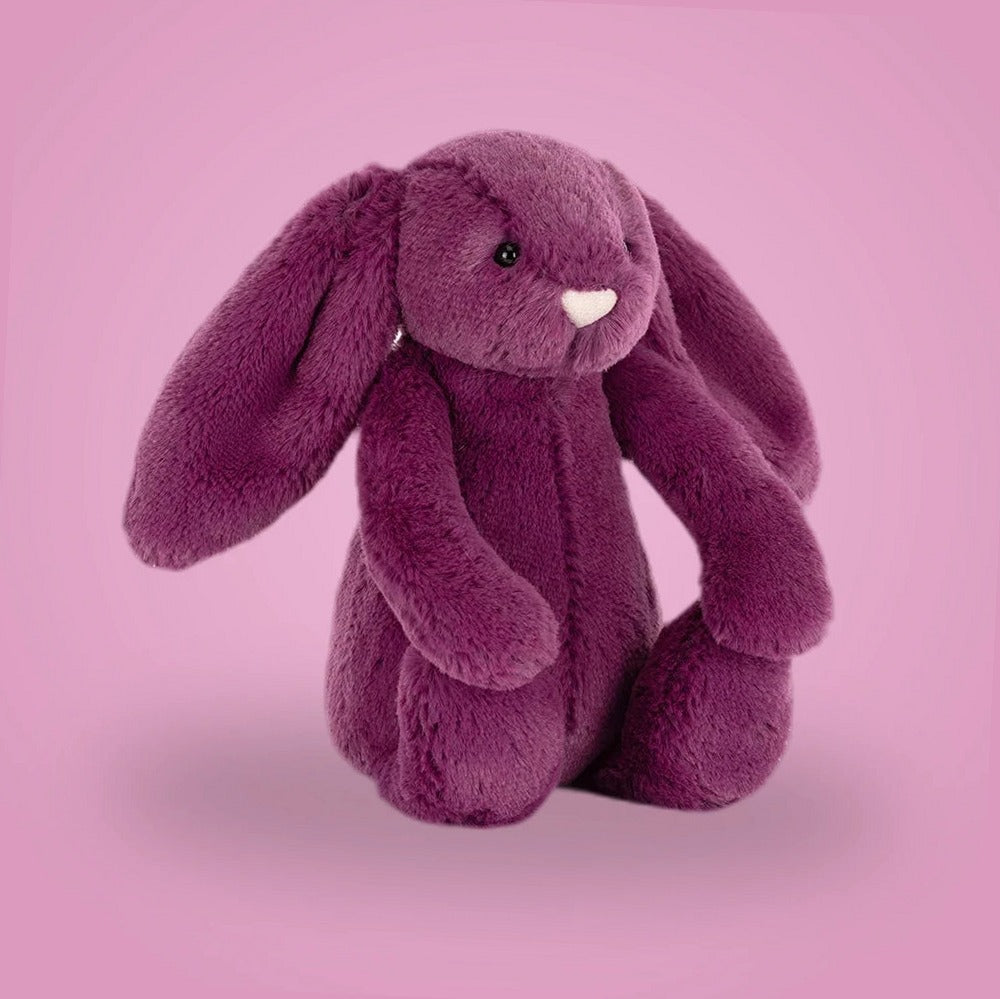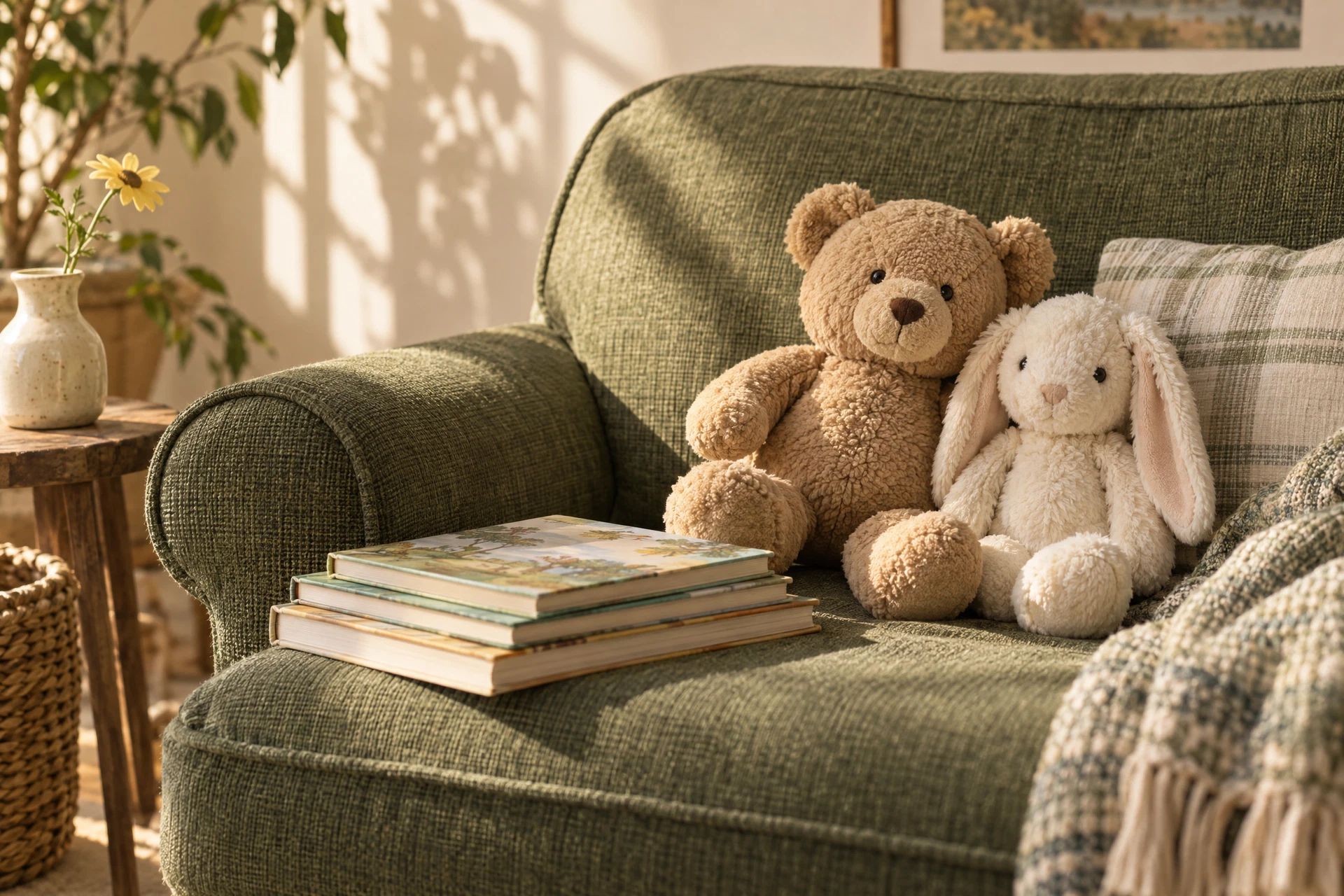
Meaningful plush gifts are more than soft objects; they can carry memory, comfort, and a touch of personality. This guide focuses on selecting plush that connects—matching character, scale, and storytelling to the recipient—so each gift feels chosen rather than incidental. I’ll walk through decision criteria, common mistakes, and specific suggestions for different relationships and occasions.
Because fabric, construction, and labeling vary, always check the manufacturer’s care instructions and age guidance on the product label before buying. Below you’ll find season-by-season ideas, personalization and presentation options, an actionable small example to rehearse the process, and pointers for care and sourcing. For more plush styles, see the bunnies collection and for care details consult the care page.
Start with Why: Intention and Recipient
A meaningful plush gift begins with intention. Ask what you want the plush to represent: comfort after a loss, celebration of a milestone, or a playful keepsake. Intent shapes choices like color, pose, and whether the plush should be cuddly, decorative, or display-only. Write a one-sentence purpose before shopping; it will narrow options and reduce impulse buys.
Consider the recipient’s lifestyle. For someone who travels often, pick a compact, resilient plush with a loop or clip for a bag. For a desk worker, choose a small, weighted plush or one with an interesting texture that can sit on a shelf. When uncertain, prioritize versatility: neutral colors, mid-sized proportions, and materials that suit handling frequency.
Occasion-Specific Picks
Different occasions call for different approaches. For birthdays, opt for a plush tied to a personal interest—an animal, hobby-themed mascot, or a character silhouette. For graduations and farewells choose a design that suggests transition, like animals known for travel or growth. For anniversaries, pick something that reflects a shared memory—a plush shaped like a favorite pet or an inside-joke character.
Seasonal events influence fabric and presentation. In winter, denser, plush pile and warmer tones feel appropriate; in summer a lighter, breathable material is better for storage and travel. For holiday gifting, combine the plush with a small accessory—scarf, miniature hat, or a handwritten tag—to make it feel curated without excess.
Personalization without Overdoing It
Personalization adds meaning but should remain tasteful and functional. Monogramming initials on a paw or adding a small embroidered date can turn a plush into a keepsake. Avoid large printed messages that limit future use or aesthetic appeal. Consider a removable element—an embroidered bandana or sewn-in tag—that allows personalization without permanently altering the overall look.
If you want to add a voice, pair the plush with a short handwritten note or a recorded message on a tiny audio module. For children or close family members, attach a small fabric card that explains why you chose this plush—two sentences are enough. When ordering personalization from a vendor, confirm placement, thread color, and production timelines ahead of purchase.
Safety, Size and Material Decisions
Choosing materials and size depends on recipient and intended use. Plush intended for frequent hugging should have secure stitching and minimal detachable components. For decorative-only gifts, fine fabrics and delicate trims are appropriate, but check the label for recommended age guidance. Always inspect for small parts and loose fibers before gifting.
Think practically about storage and display. Larger plush can be impressive but are harder to ship, store, or travel with. A mid-sized design (about the size of a pillow) strikes a balance between presence and practicality. Look for tight pile, reinforced seams, and quality closures if the item includes clothing or accessories that might be removed and lost.
Presentation: Wrapping, Bundles and Stories
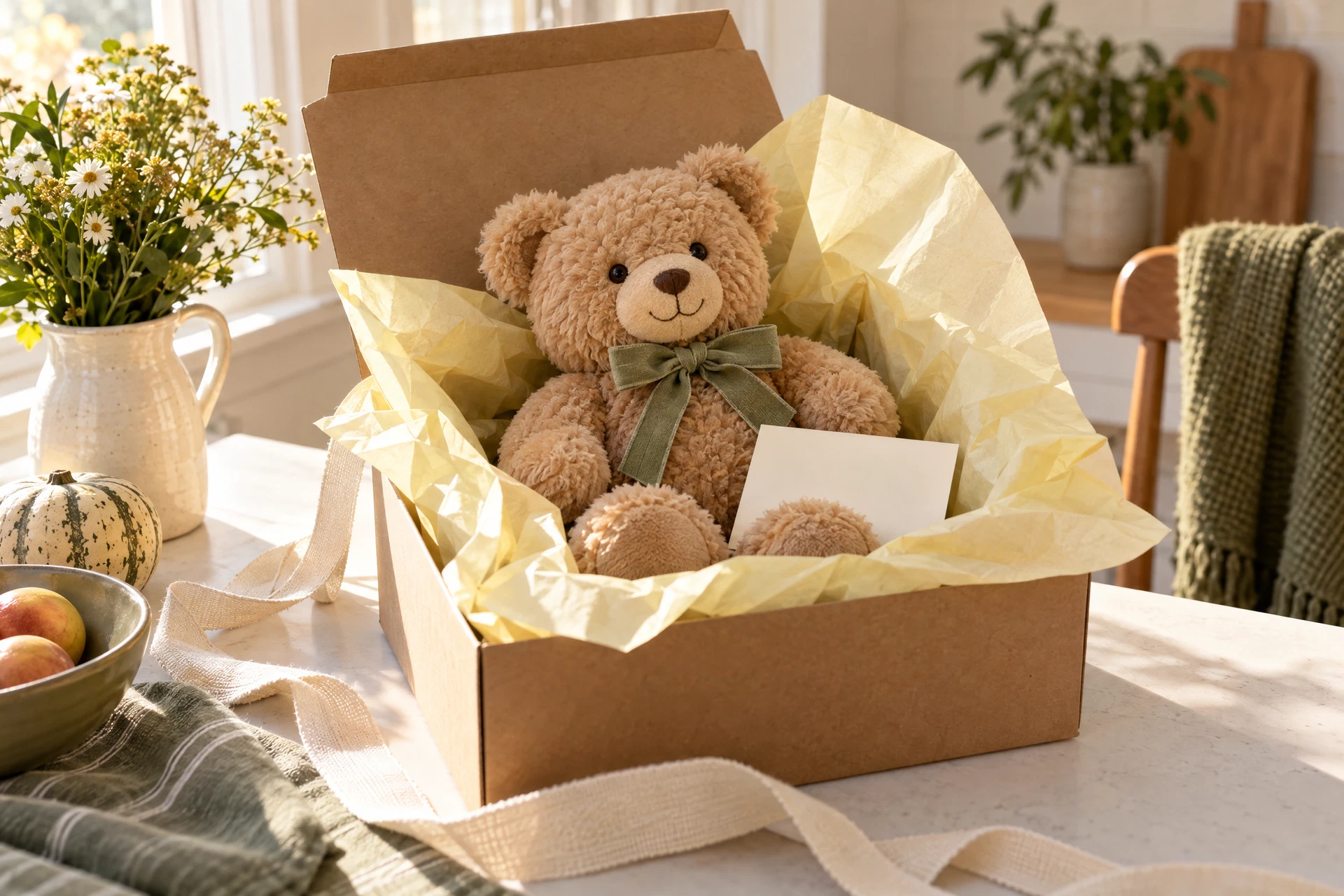
Wrapping can make a plush feel like an event. Use tissue and breathable packaging so the plush keeps shape and smells fresh. Rather than oversized boxes, consider fabric wrap, reusable tote bags, or a simple gift box that fits snugly; this keeps presentation tidy and makes unwrapping more satisfying. Include a tag that restates the gift’s intention—comfort, celebration, or memory.
Bundling increases perceived value. Pair the plush with a small printed booklet of memories, a matching hand-knit accessory, or a themed item—like a bedtime story for a sleep-time plush (always check the label first). For corporate or group gifting, create small kits with a plush, a note, and an instruction for a shared photo or social media moment to strengthen communal ties.
Care, Longevity and Common Mistakes
Proper care keeps a plush meaningful over time. The most common mistake is assuming all plush can be machine washed; don’t. Check the product label for manufacturer guidance and follow it. For light surface cleaning, use a damp cloth and mild detergent; for delicate finishes, dry-clean or spot-clean recommendations on the label should take precedence. Store plush away from direct sunlight to prevent fading.
Another frequent error is choosing overly trendy or character-specific plush without considering long-term relevance. Trend-based gifts can delight briefly but may lose meaning. Opt instead for timeless shapes or neutral colorways if you want the gift to endure. Finally, avoid excessive embellishments that catch easily; simplicity often translates into durability and daily usability.
Budgeting and Sourcing Sensibly
Meaningful doesn’t always mean expensive. Allocate your budget across three priorities: design quality, personalization, and presentation. If you must compromise, prioritize build quality over flashy features. A well-constructed, simple plush often feels more substantial than a larger, poorly made counterpart. For bulk or repeat needs, consult wholesale options and request samples before placing a large order; see wholesale information for potential vendor contacts.
Sourcing locally can add a storytelling element—find an artisan maker or small shop and include a note about origin. If buying online, read recent, specific reviews and check return policies. When possible, inspect for consistent stitching and color in person; if not, ask the seller for close-up photos of seams and tags. This avoids surprises on delivery day.
An Actionable Example: A Comfort-First Gift Kit
Example checklist: 1) Purpose: comfort for a friend recovering from illness. 2) Size: mid-sized, easy to hold with one arm. 3) Material: short pile with secure seams. 4) Personalization: small embroidered initial on a paw. 5) Bundle: add a soft eye mask and a handwritten note. 6) Presentation: snug box with tissue and a sachet of dried lavender (optional).
As you prepare the kit, test-fit the items in the chosen box to ensure a neat presentation. Include a short card explaining care with the exact instruction to follow the plush label. For sourcing matching accessories, check local stores or the contact page of your preferred seller to confirm availability. This small, concrete example can be adapted for birthdays, anniversaries, or a simple thank-you.
When Buying for Groups or Events
Large events need scale and consistency. Decide whether uniformity or variety fits the event better. For a baby shower or classroom celebration, grouped colors or a single animal silhouette maintain cohesion. For corporate gifting, include a branded tag rather than branding the plush itself; it keeps the item usable. Confirm production lead times and minimums well in advance when ordering multiples.
Avoid last-minute substitutions that change the gift’s quality or look. Request samples of plush when ordering for teams or events, and ask about replacement policies for defects. For ongoing partnerships, create a simple spec sheet—preferred size, color palette, and acceptable materials—to ensure repeat orders match expectations without needing detailed approvals each time.
Sustainability and Ethical Questions
If sustainability matters to you or the recipient, ask sellers targeted questions about materials and production. Avoid broad claims; request specifics such as fabric types or packaging materials. Smaller, higher-quality plush that lasts longer can be more sustainable than cheap, disposable alternatives, so longevity is a practical sustainability criterion.
Be realistic about repairability: some plush are designed to be mended, while others are not. A simple repair kit—matching thread and a basic needle—can extend a plush’s life. When donating or passing along a plush, wash or freshen it according to its label and include a note about its care to help the next owner preserve its condition.
Explore the details before choosing
Take a closer look at Bunnies, review our plush and clothing care guidance, or ask about specifications and availability before making an order request.