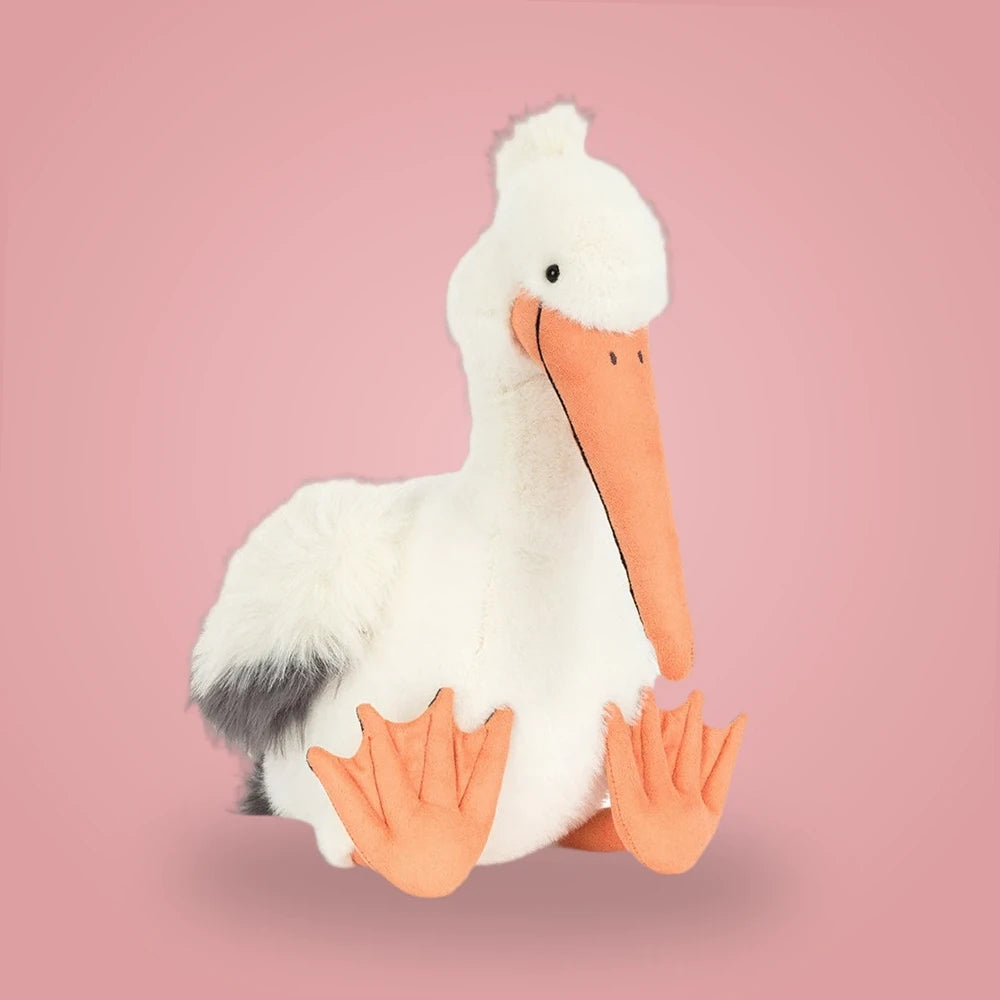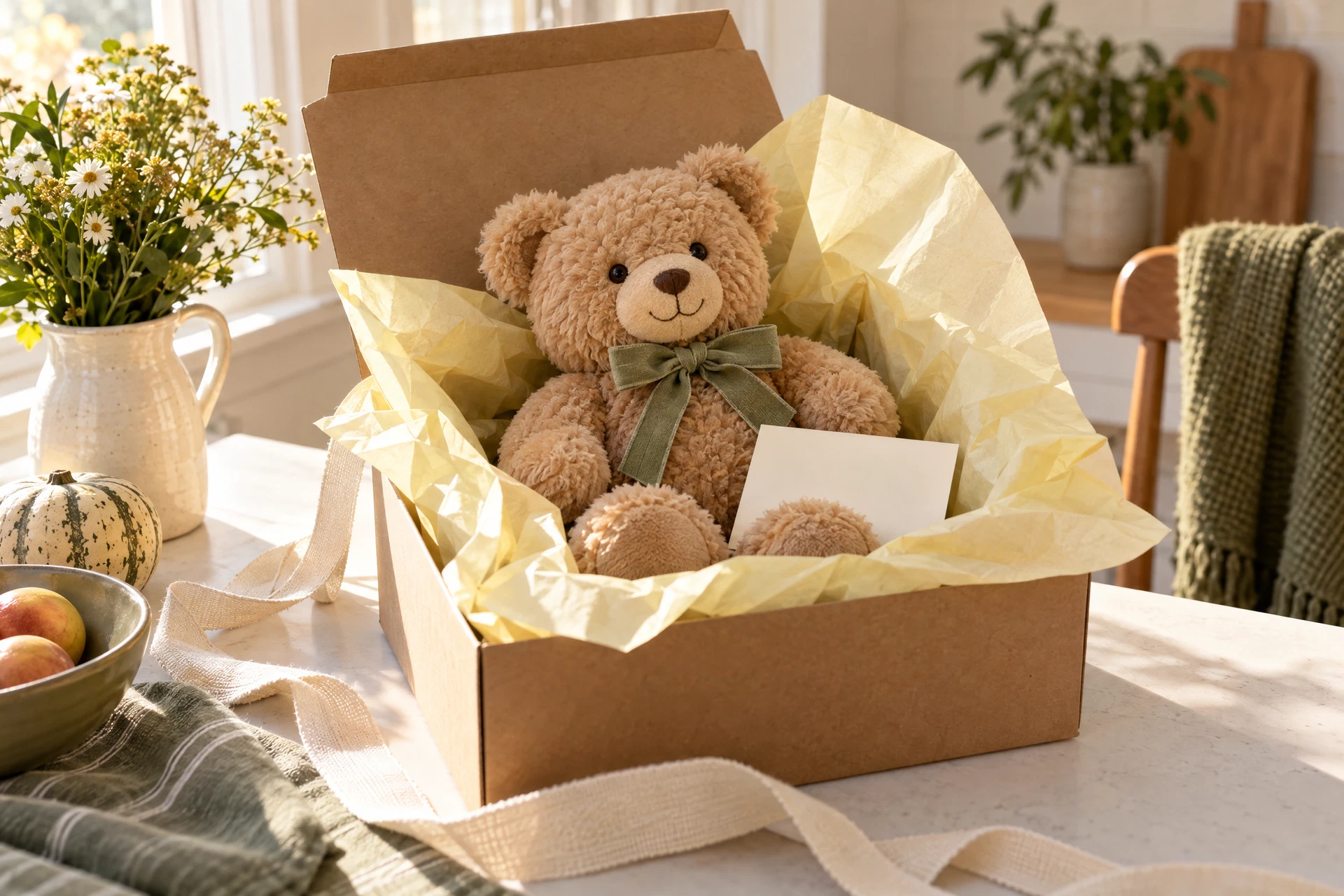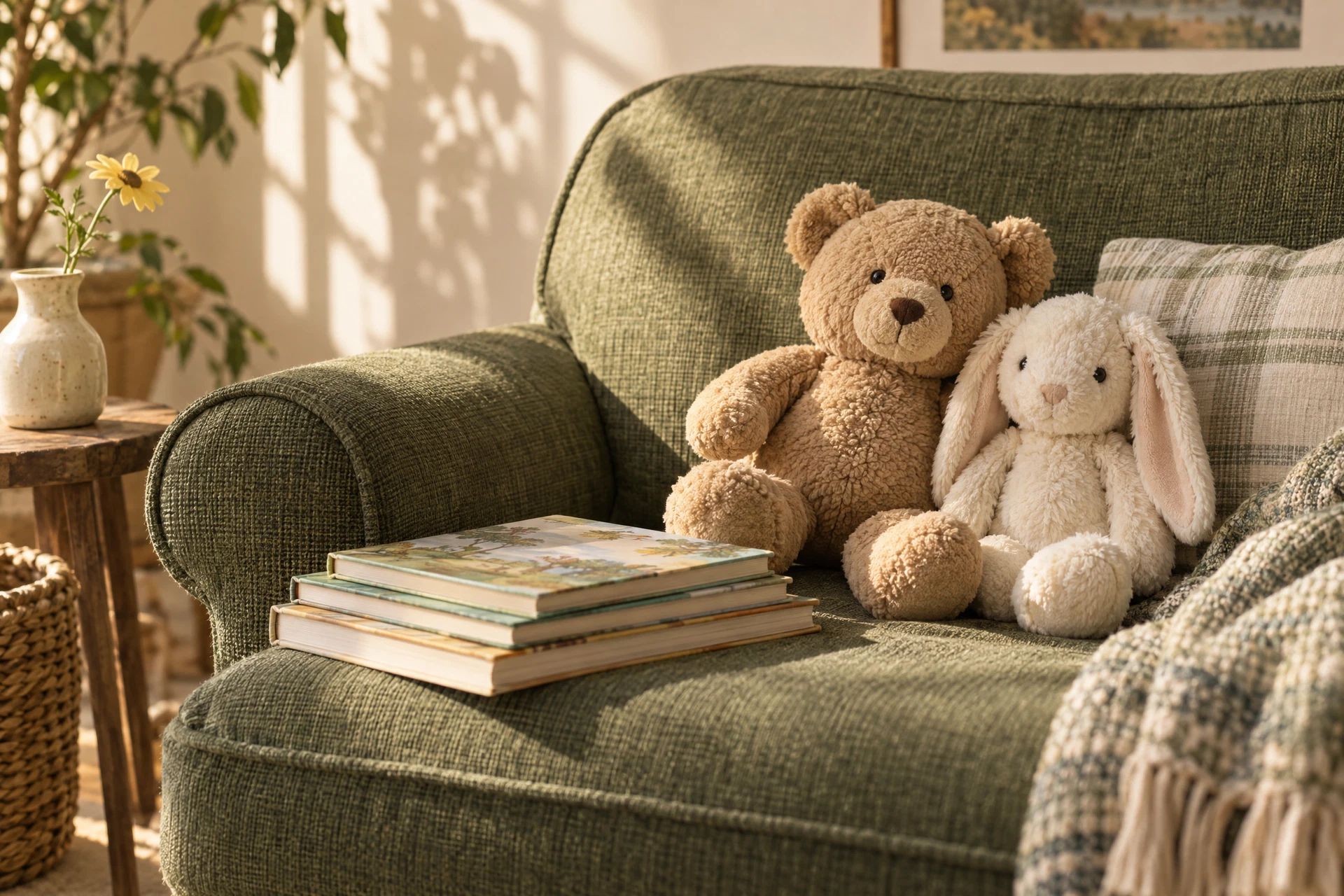
Bird plush toys make approachable, characterful accents for a shelf—whether you want a tiny companion peeking from a bookcase or a row of colorful avian figures along a window ledge. Narrowing the field to bird-themed plush keeps choices focused: you can compare beak shape, wing pose, and scale instead of being overwhelmed by every animal type. Think of the shelf itself—depth, height, and load-bearing—before you buy: a deep bookcase handles bulkier, seated plush, while narrow ledges work best with small, perched designs.
When choosing bird plush toys, practical questions help more than vague aesthetics. Consider how often the items will be handled, whether you need washability, and if you want a cohesive color story or a playful mix. A clear buying checklist saves time: measure shelf depth, decide on an approximate size range, note any fabric restrictions, and plan how many pieces you want per linear foot. These early steps keep the final arrangement cheerful instead of cluttered.
Sizing and Scale: Fit the Shelf and the Room
Sizing is the first practical decision. Measure shelf depth and divide the width into visual zones: a trio of small birds across 36 inches reads balanced, while one large plush centered on a deep shelf becomes a focal point. Pay attention to posture—standing, sitting, or perched—since wing span and tail length affect the amount of usable shelf space more than height alone.
A simple exercise: mark a rectangle on the shelf with painter’s tape that represents the footprint of a candidate plush. If you plan multiple pieces, use smaller rectangles to test spacing and sightlines. This quick mock-up prevents purchases that overwhelm or underwhelm the space and gives a sense of proportion next to books, frames, or greenery.
Material and Texture: Read the Label and Feel the Fabric
Fabric choices alter the look and durability. Short-pile plush gives a tidy, modern silhouette; long-pile or faux-feather textures create a cozy, tactile presence. Read fabric and filling labels to understand longevity and care. If the manufacturer’s label suggests spot cleaning only, plan placements out of reach of spills or sticky hands.
Texture can also determine how a bird interacts visually with other shelf items. Smooth microfiber birds sit nicely beside glossy décor, while fuzzy varieties warm up a minimalist arrangement. When possible, request a swatch or inspect a sample in person to judge color fidelity and pile behavior under light, which influences how vibrant the plush appears at different viewing angles.
Color Strategy: Create Harmony or Playful Contrast
Choose a color strategy before buying to avoid a haphazard look. A monochrome scheme—shades of blue or neutral grays—reads sophisticated and ties the shelf together. Alternatively, plan a limited palette of three complementary tones for a lively but controlled display. Keep in mind that artificial lighting can shift color tones, so view potential purchases in conditions similar to their intended display spot.
If you prefer contrast, pick one vivid accent bird amid subtler companions to draw the eye. Periodic rotation of the accent piece keeps the shelf fresh without wholesale changes. A simple checklist helps: pick base color, choose one accent color, and decide on one texture contrast to maintain visual coherence across multiple plush.
Poses and Personality: Functional Considerations
Bird plush come in poses that affect stability and display options. Perched designs with flat bases stand well on narrow ledges; round, floppy bodies work on deeper shelves or inside cubbies. If you plan to layer items—placing a plush in front of books or leaning it against a frame—count on some compression over time and select firmer-stuffed pieces for longevity.
Beyond stability, pose influences perceived personality. A tilted head or raised wing adds dynamism; a repose pose suggests calm. Decide whether you want a consistent mood across the shelf—playful, elegant, or sleepy—or prefer an eclectic mix. An actionable test: place a potential purchase in front of a camera and take photos from typical viewing distances to see which poses read best at human scale.
Arranging for Impact: Grouping Techniques and Layouts
Effective groupings use odd numbers, varied heights, and negative space. Group three small bird plush toys with a taller central piece and two flanking companions to create a triangular composition that reads balanced from afar. Leave breathing room—about the width of one bird—between clusters to avoid visual clutter, and stagger heights using small risers or stacked books for depth.
Try layering: place a medium plush slightly in front of a row of low-profile pieces to create foreground interest. For a repeating rhythm, alternate similar sizes or colors every other shelf. A short checklist before final placement: confirm stability, ensure no overhang beyond shelf edge, and step back from multiple angles to verify that the arrangement looks intentional rather than accidental.
Care and Maintenance: Practical Upkeep Without Overpromising
Regular maintenance preserves both look and hygiene. Light dusting with a soft brush or gentle vacuuming on a low-suction setting reduces surface dust. Rotate plush periodically to avoid uneven fading from sunlight and to redistribute filling that may settle over time. For any deeper cleaning, always follow the manufacturer's care label instructions exactly; do not assume machine washing or chemical sanitizing is universally safe.
Spot-clean spills promptly using a damp cloth and mild detergent if the label permits; test an inconspicuous area first to check colorfastness. For display cases or high-traffic locations, consider placing bird plush toys on a washable mat or behind glass to minimize direct exposure to grime and curious hands. For more general fabric-care guidance, see the store's care page at our care guide.
Common Mistakes Buyers Make (and How to Avoid Them)
One frequent error is buying solely by appearance without checking dimensions or shelf compatibility. Avoid this by always measuring and using mock-up rectangles on the shelf. Another mistake is mixing too many scales or textures—limit variables to three to maintain cohesion. Keep a running list of dimensions and materials for pieces you’re considering so comparisons are apples-to-apples.
Buyers also sometimes underestimate maintenance: delicate faux-feathers can mat quickly in high-traffic areas. If you want a durable display, prioritize firmer fills and short-pile fabrics. Finally, don’t assume color photos online match real tones under your lighting; request swatches or inspect items in person when possible. For questions about ordering or product specifics, use the contact form at the contact page.
Buying Tips and Small Example Walkthrough
A short, actionable shopping plan helps turn intention into results. Start with an inventory: measure shelf depth and width, note lighting conditions, and choose a color strategy. Next, set a size range—say 4–8 inches for narrow shelves—and list three texture preferences. Use those filters during browsing so you don’t get distracted by appealing yet unsuitable options.
Example: You have a 36-inch floating shelf in a sunroom. After measuring, you pick a plan for five small birds: three 5-inch plush in neutral tones and two 7-inch accent birds in teal. You tape the rectangle layout, layer books as risers for two pieces, and choose short-pile fabrics for ease of upkeep. With that concrete plan, you can confidently shop collections like the Animal Friends collection or inquire about group orders at wholesale inquiries if you’re buying for multiple locations.
Storage and Seasonal Rotation: Keep Displays Fresh
Store spare or seasonal bird plush toys in breathable containers away from direct sunlight and humidity. Acid-free tissue between pieces preserves fabric surfaces and prevents color transfer. If storing for longer periods, place desiccant packets nearby to reduce moisture risk, but avoid direct contact with the plush.
When rotating displays, re-evaluate the shelf composition rather than swapping items randomly. Use rotation as an opportunity to clean, restuff, or repair pieces that need attention. This routine extends the life of your collection and helps the shelf feel intentionally curated over time.
Explore the details before choosing
Take a closer look at Animal Friends, review our plush and clothing care guidance, or ask about specifications and availability before making an order request.