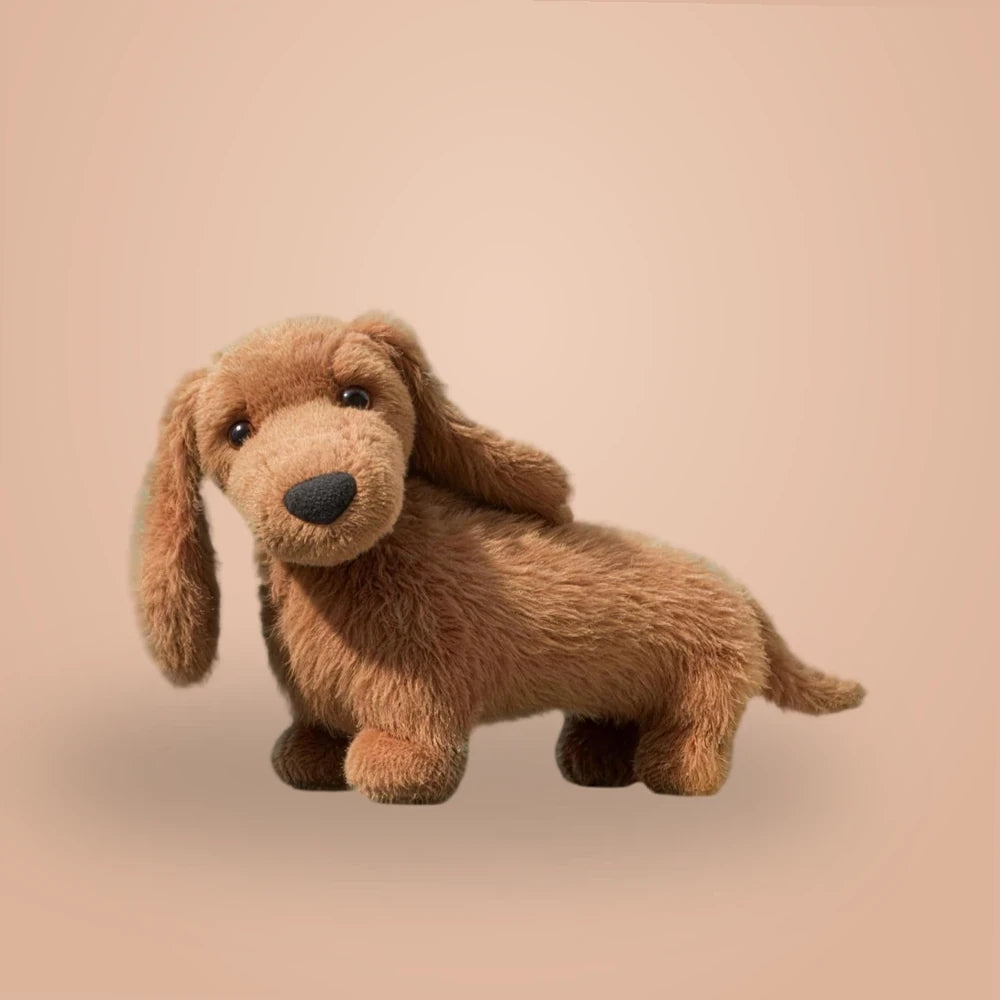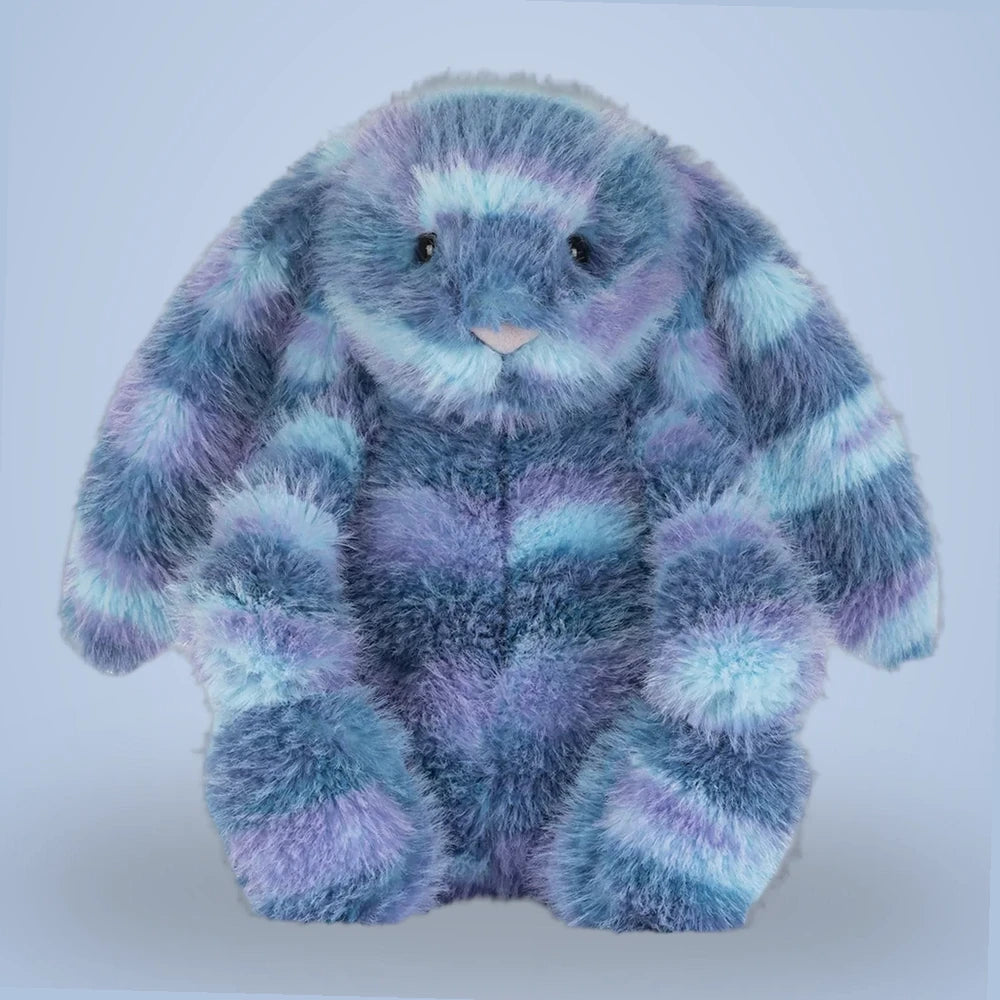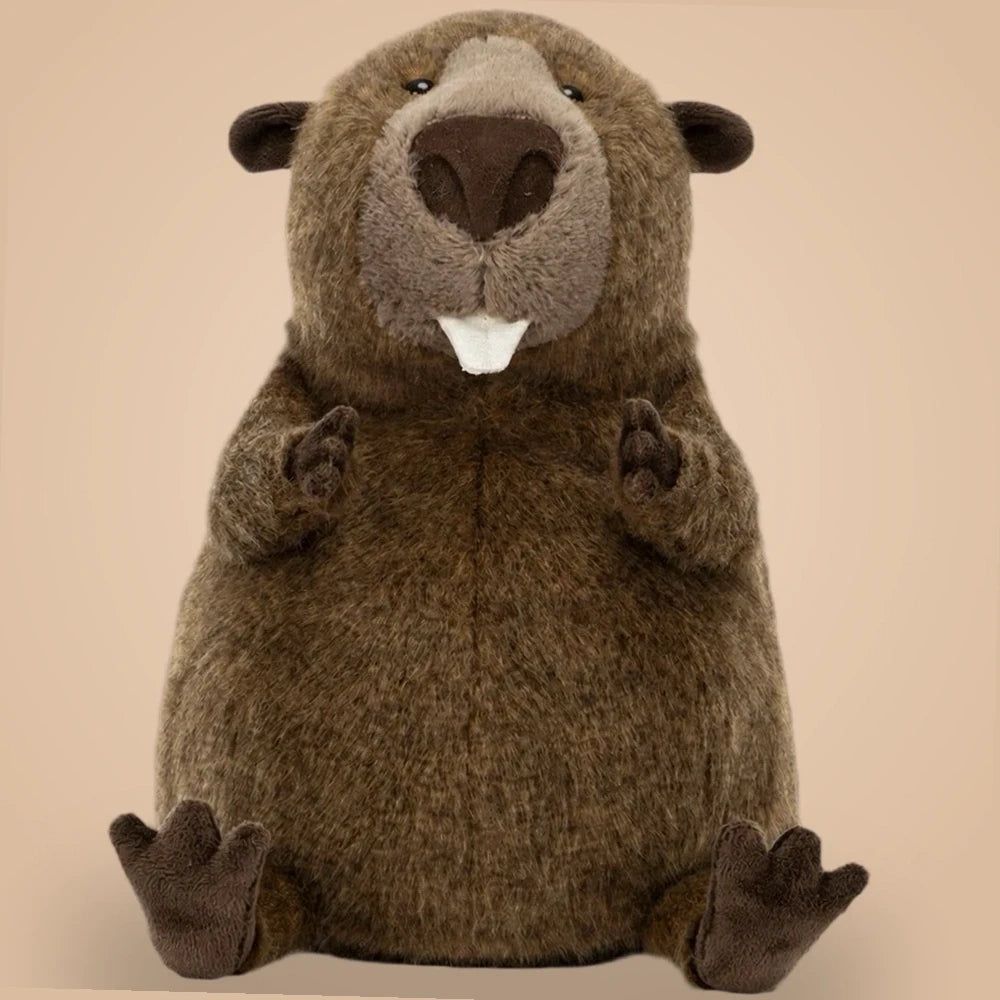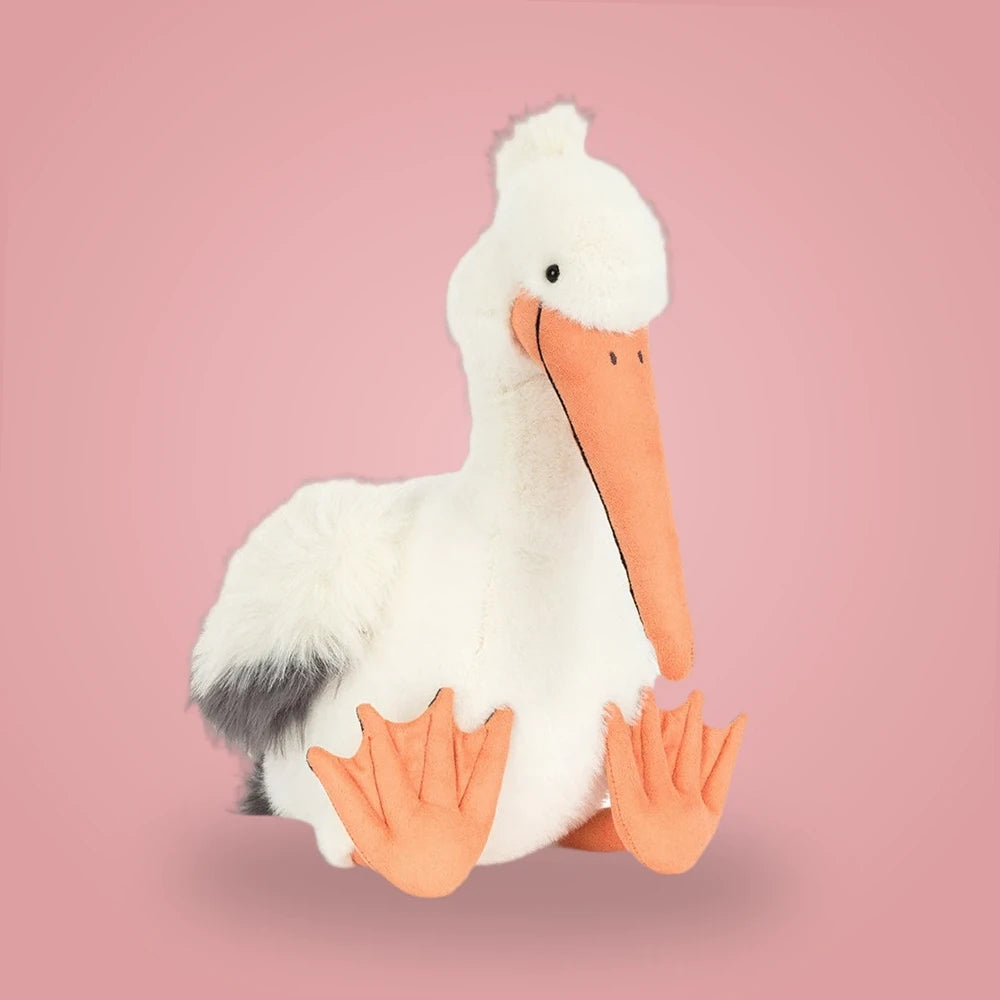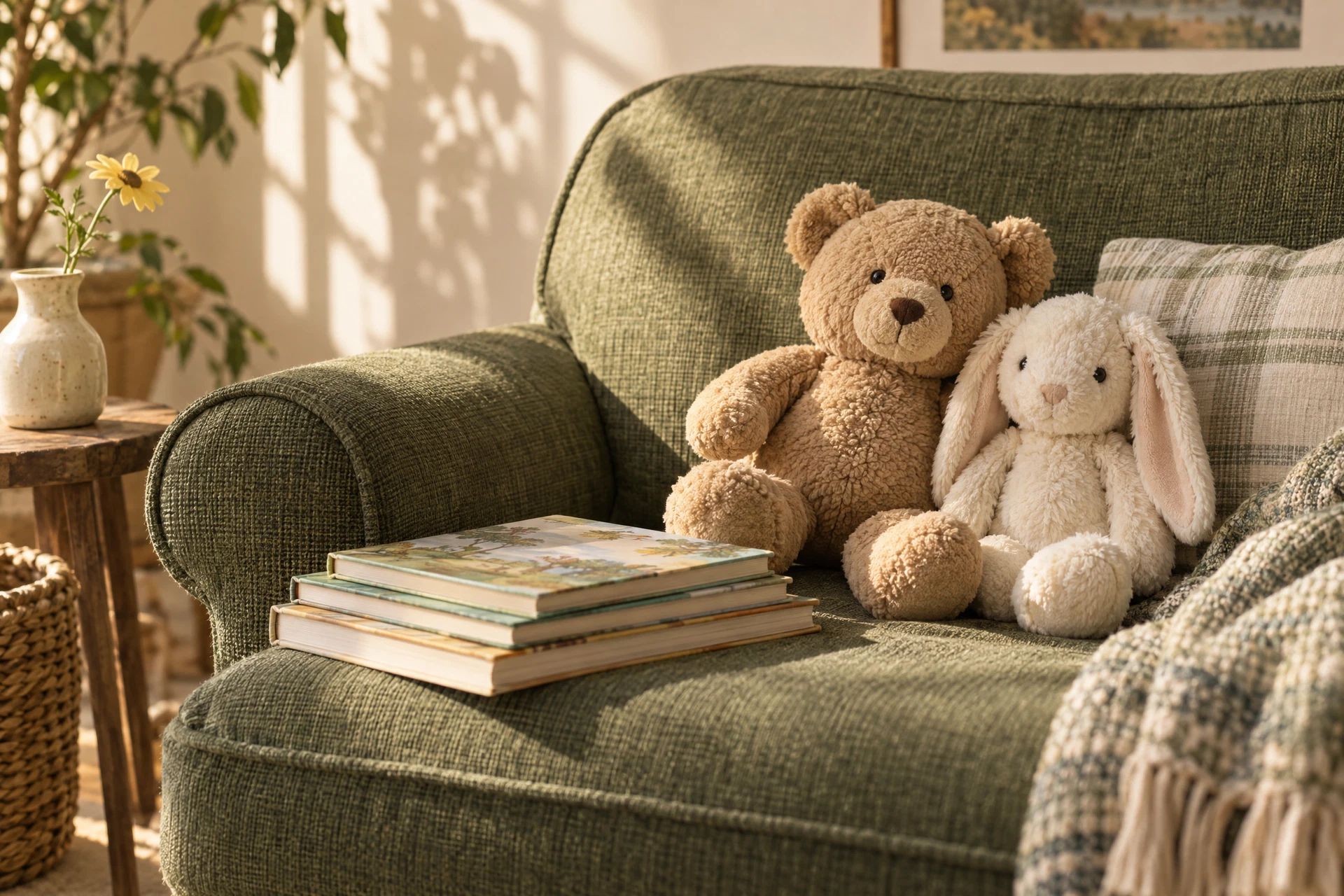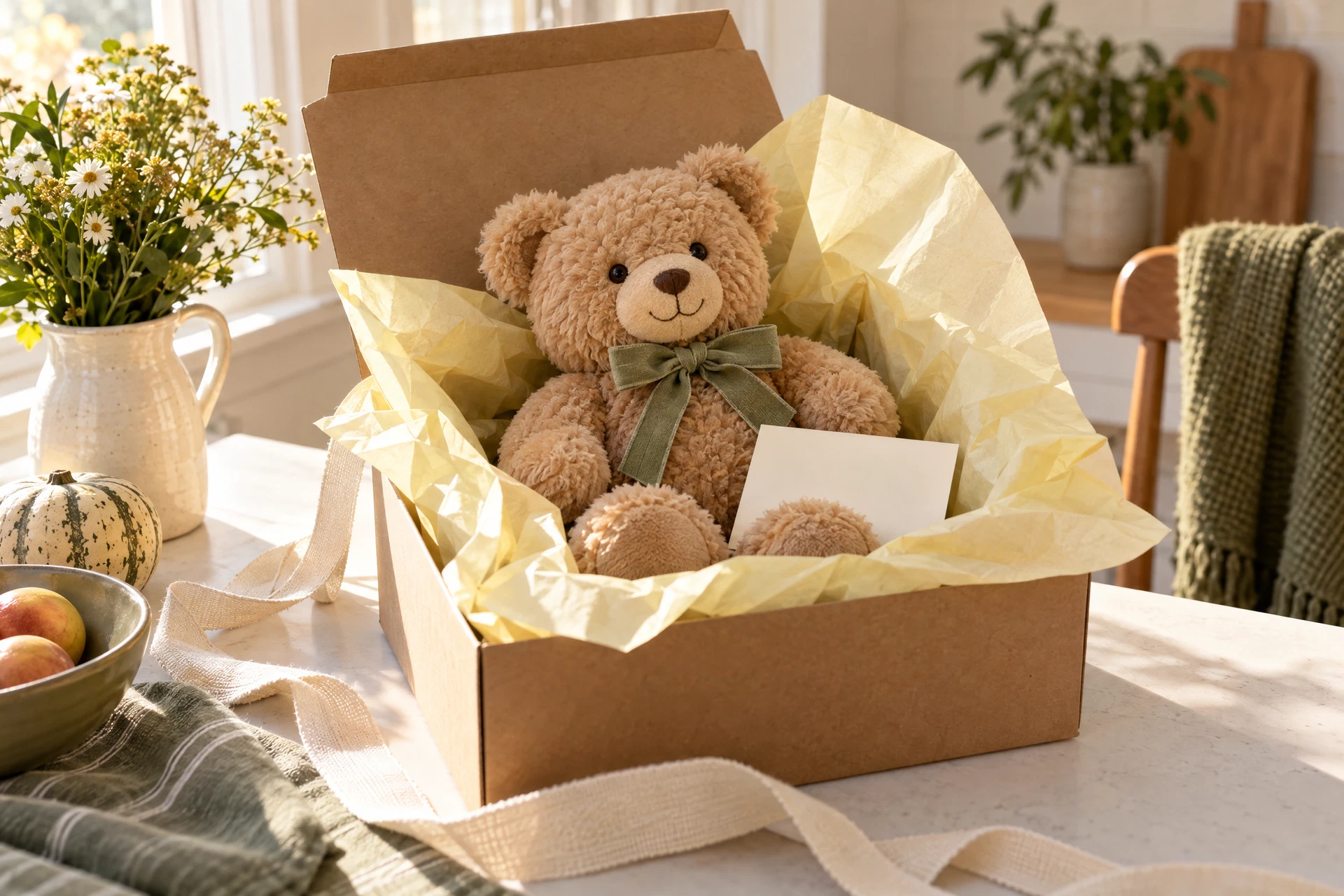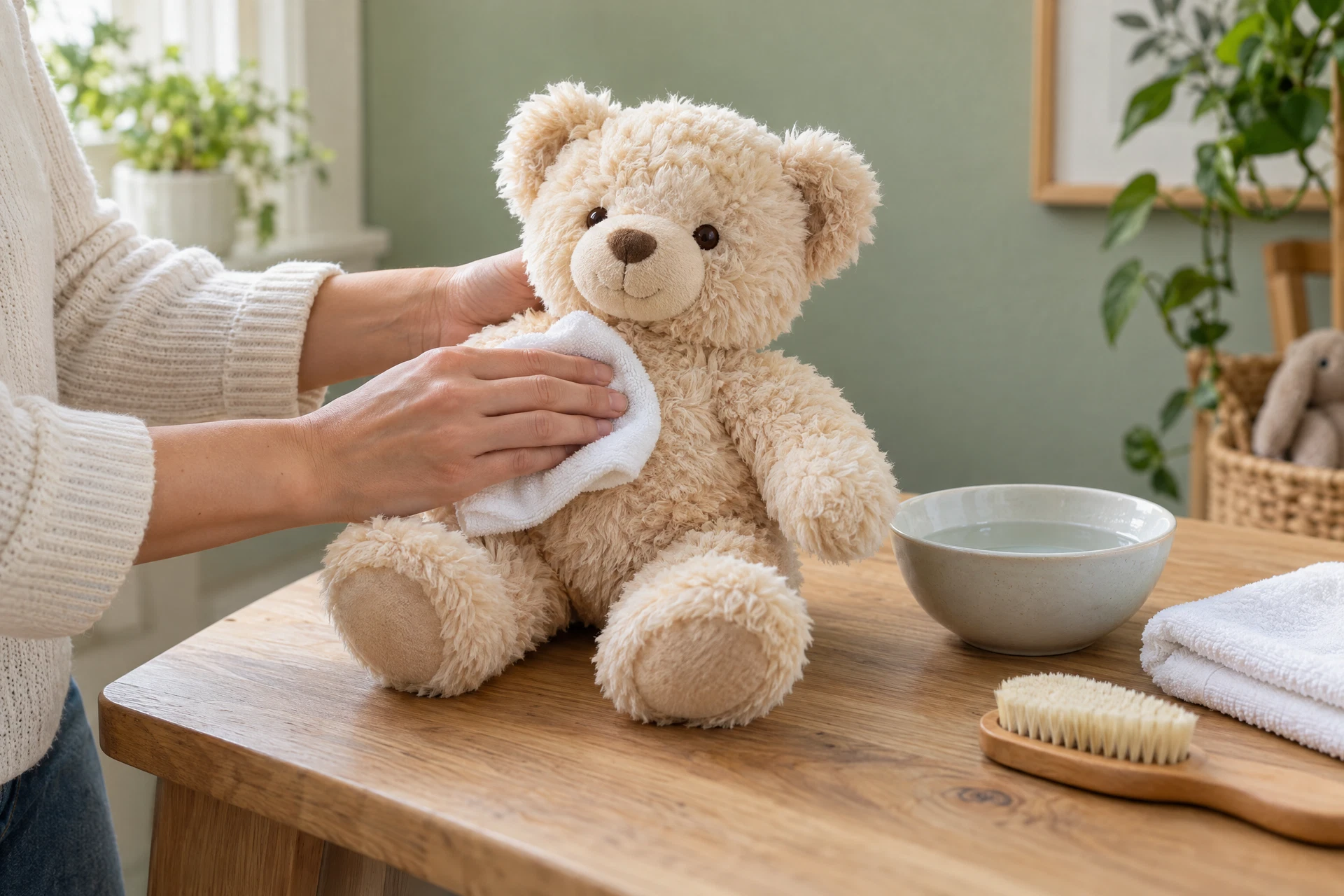
A compact, well-chosen plush wholesale assortment can make a small store feel thoughtful and curated without overwhelming shelf space or your buying budget. Narrowing choices down to a focused set of toys reduces inventory risk, simplifies visual merchandising, and makes it easier for staff to recommend products. This guide assumes you want a deliberate selection rather than a broad category buy; it concentrates on practical decision criteria, layout, and a concrete sample assortment that you can adapt to your shop’s size and customer base.
Before you visit wholesale pages or sample boxes, clarify three basic goals: the customer need you want to meet (gifts, comfort, collectors, educational play), the display footprint you can devote, and the price points you need to hit to reach your margin targets. Having those objectives written down will speed conversations with suppliers and make tradeoffs easier when faced with tempting one-off pieces. For product suggestions, check the animal and character range at the Animal Friends collection and for ordering questions use wholesale inquiries or reach out via the contact page.
Define Your Store’s Plush Personality
Start by describing the emotional or situational need your plush range should meet. Is your shop primarily gift-focused, where buyers want bright, giftable items with easy gift-wrapping? Or is it a boutique that prefers artisanal, handmade-feeling plush with muted palettes? Write a one-sentence positioning statement like “affordable gift plush for kids ages 3–10” or “stylish soft toys for interior-minded customers.” This helps guide fabric choices, sizes and character types.
Next, pick a tone and stick to it across the assortment. A mixed tone—cute cartoon mascots paired with realistic wildlife—can confuse customers and dilute display impact. If you want variety, keep one consistent attribute, such as color palette or price band, to tie pieces together. When sampling or ordering, use your positioning statement to filter options quickly and avoid impulse buys that don't support the core identity.
Set Clear Selection Criteria
Use a short checklist to evaluate candidates: size range, price band, durability, appealing story, safety/age guidance on the manufacturer label, and care instructions. For a small assortment aim to cover three size tiers—mini, mid, and large—so customers can choose by budget and purpose. Be sure the pieces you select work together visually from across the room; grouping should look intentional.
Don’t rely solely on photographs. Request swatches or samples when possible and inspect seams, eyes, and stitching. Ask suppliers about minimum order quantities and sample costs before committing. If you plan to display seasonal items, note lead times; a small store benefits from predictable replenishment rhythms, not one-off drops that create gaps in the assortments.
Balance SKUs for Turnover and Margin
A small assortment needs a mix of fast-moving, lower-margin SKUs and a few higher-margin signature pieces. Fast movers are usually mid-priced, widely appealing items that are easy to gift; signature items can be larger, exclusive designs that draw customers in and improve average sale. Decide on a ratio—many small shops do roughly 70% core, 30% specialty—and apply it to the total number of SKUs you plan to carry.
Calculate basic profitability before ordering: target retail price, expected cost from wholesaler, and desired margin. Avoid carrying many items at identical price points; offer distinct price steps (e.g., $12, $24, $45) so customers can select based on budget. Keep records of reorder thresholds so you can restock core SKUs frequently and treat specialty pieces as limited editions.
Merchandising for a Small Footprint
Design the display to tell a cohesive story in a small space. Use vertical height, risers, and a backing color to make a compact assortment read as curated. Group by use-case—gift, bedtime companion, desk buddy—rather than by manufacturer, and create small vignettes that show how plush functions in a real-life setting. Include a short handwritten tag or printed card explaining the story or suggested use for each grouping.
Rotate featured pieces weekly to keep the shelf fresh without expanding the SKU count. Use an A-frame sign for the week’s highlight and shift the most visible items to match seasonal demand. Keep a simple planogram that notes which items occupy primary, secondary and overflow positions; this prevents accidental overstocking of less-desirable pieces in prime locations.
Create Clear Care and Safety Guidance
Customers value straightforward care directions at the point of sale, but you must always defer to the exact manufacturer label. Provide generic tips that encourage checking the toy’s sewn label for precise instructions: show how to remove battery packs when present, and suggest spot-cleaning or hand-washing only if the label permits. For sanitation needs in retail, explain your in-store policy—such as no handling of plush on the floor and use of a sanitized prop—without claiming universal washability.
Include a small display card that reminds buyers to read the manufacturer’s age guidance and care label before purchase. This protects your customer relationships and reduces returns. If you offer a printed or online care sheet for common fabrics, make sure it stresses label-first guidance and lists safe practices for upkeep that won’t contradict individual product tags; link customers to our care guide for more general store-level advice.
Common Mistakes and How to Avoid Them
One frequent error is buying too many novelty designs and too few classics. Novelties can spike interest but often have short shelf lives. Counter this by committing part of your budget to staple shapes and reliable colorways that sell year-round. Track sell-through on novelty pieces tightly and be ready to reduce reorder quantities after a single slow season.
Another mistake is ignoring display turnover logistics: too many large items will crowd the shelf and reduce perceived variety. Limit bulkier plush to one or two SKUs and use them as anchors, then rely on mid-size items for breadth. Keep a reorder cadence—weekly or biweekly for core items—so stockouts are minimized without overcapitalizing on trend buys.
Sample Mini Assortment: A Five-Item Plan
Here’s an actionable small-plan you can adapt to a 3–6 square-foot display: 1) One large signature plush (anchor), 2) Two mid-size giftable companions in different price bands, 3) One mini/keychain style for impulse buys, 4) One specialty item with an artisanal look. This covers sizes and price points while keeping total SKUs low enough to manage easily.
Inventory the example: order two to three units of the large anchor, five to eight of each mid-size companion, ten to twelve minis, and one to two specialty pieces to start. Track weekly sales, and after six weeks, adjust reorder quantities. The ratio ensures visible variety for customers and manageable restocking for you.
Vendor Selection and Minimum Orders
When choosing wholesalers, ask for transparent answers about minimum order quantities, sample policies and lead times. Compare a few vendors to understand typical MOQ ranges for the types of plush you want. Small retailers often benefit from vendors who allow mixed-case orders or low MOQ for core SKUs so you can test sell-through without large upfront costs.
Negotiate terms that match your buying rhythm: slower restock cadence for signature items, and more frequent, smaller shipments for core mid-size pieces. Use written notes from conversations to evaluate suppliers consistently: price, communication speed, sample availability, and flexibility on returns or damaged goods. If you need help starting conversations, consult the wholesale contact page at wholesale inquiries.
Operational Tips: Receiving, Storing, and Reordering
Establish a receiving procedure so new plush arrives sale-ready. Inspect all pieces against invoices, check labels for care and safety guidance, and store excess inventory in breathable bins to avoid moisture buildup. Keep a simple stock card for each SKU with reorder points; when a core item hits its threshold, send a reorder request rather than waiting for a manager to remember.
Set up a small-plan reordering calendar: weekly checks for fast movers, biweekly for core SKUs, and monthly review for specialty pieces. Use sales data to tighten order quantities over time and reduce deadstock. If you have questions about placing a sample order or need to discuss minimums, use the store’s contact resources at the contact page to gather specifics before committing to a larger buy.
Explore the details before choosing
Take a closer look at Animal Friends, review our plush and clothing care guidance, or ask about specifications and availability before making an order request.