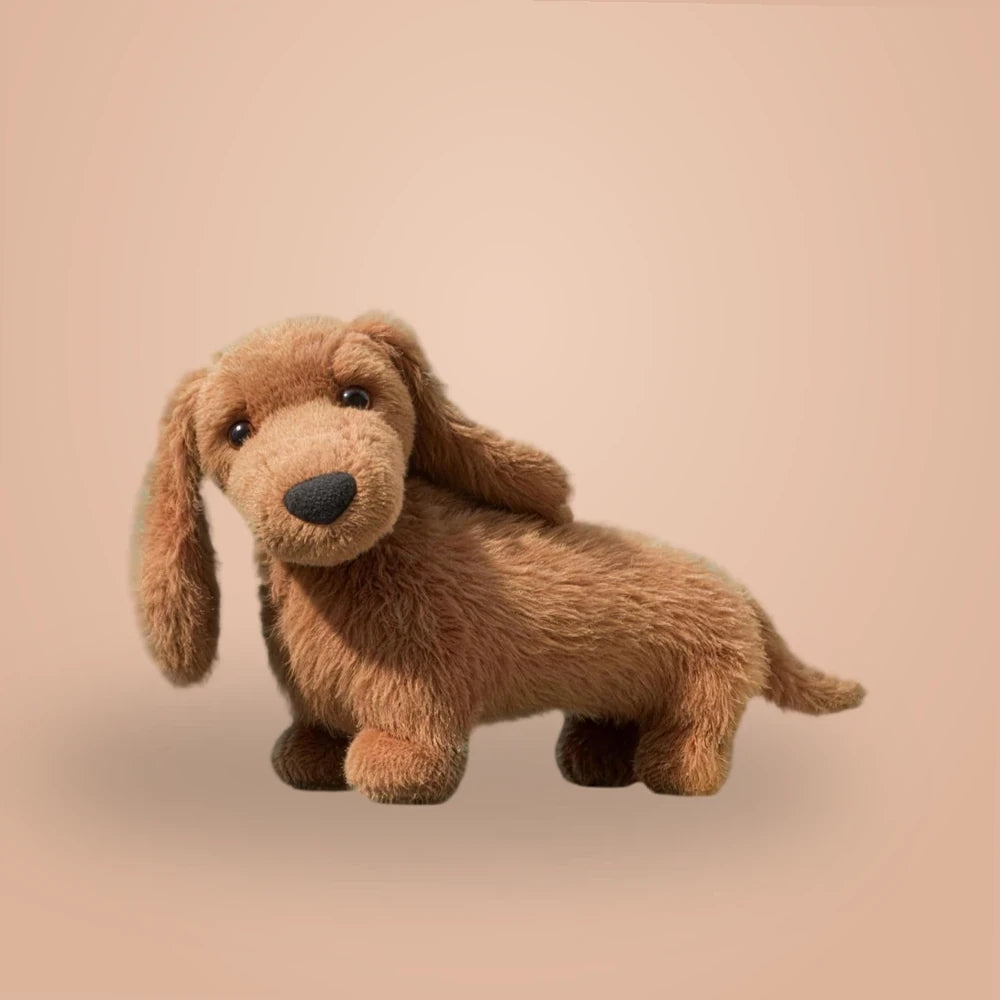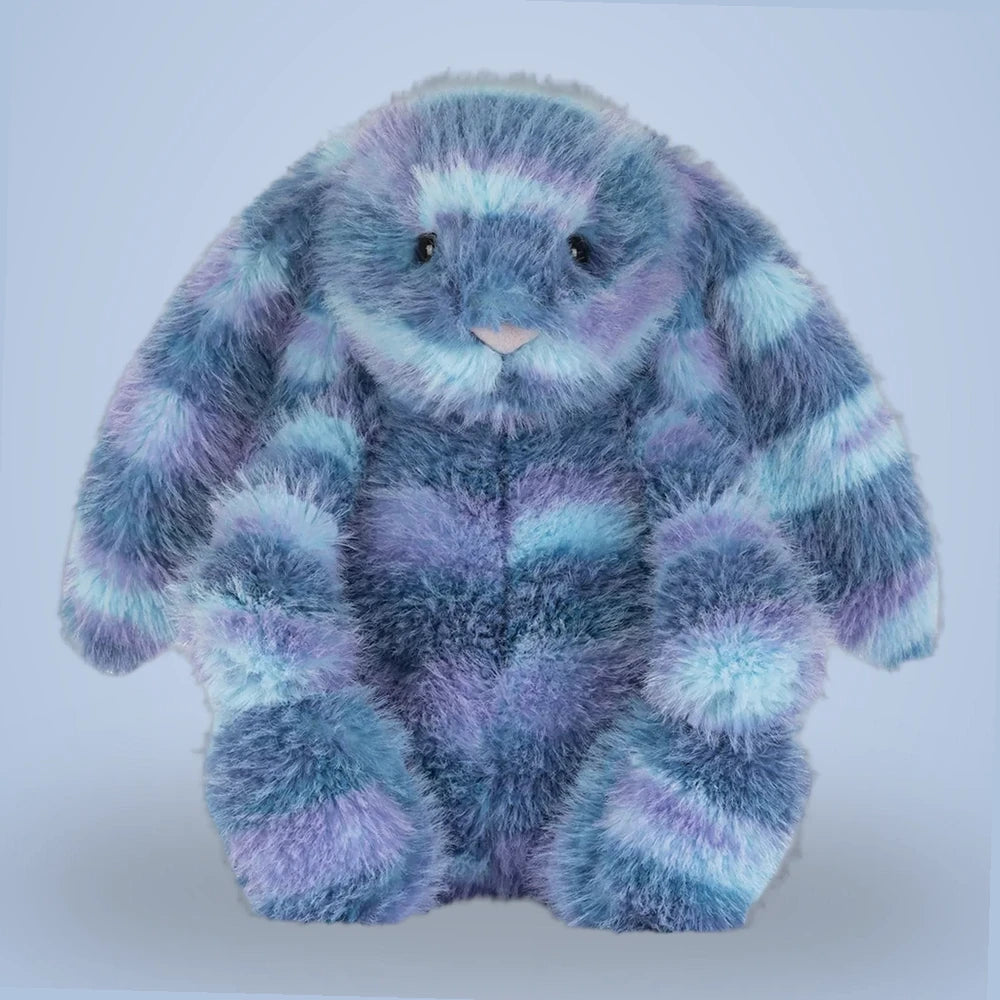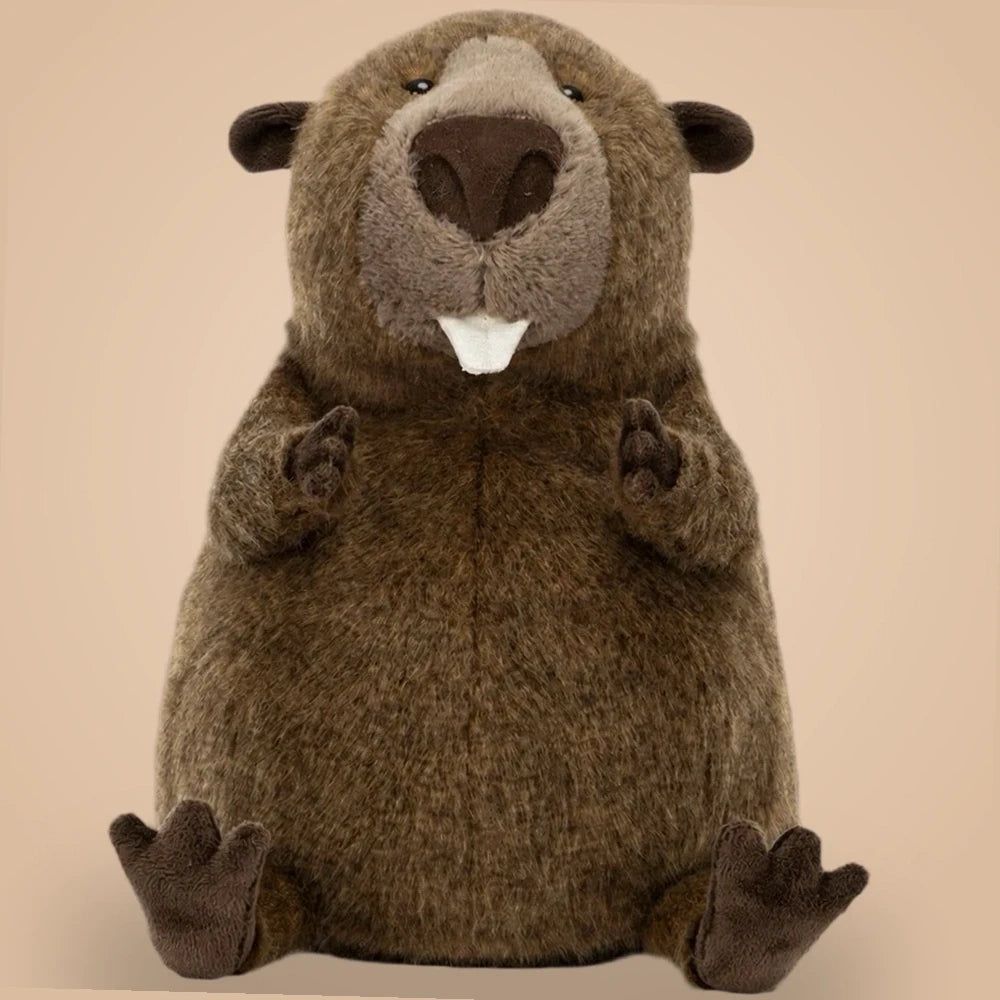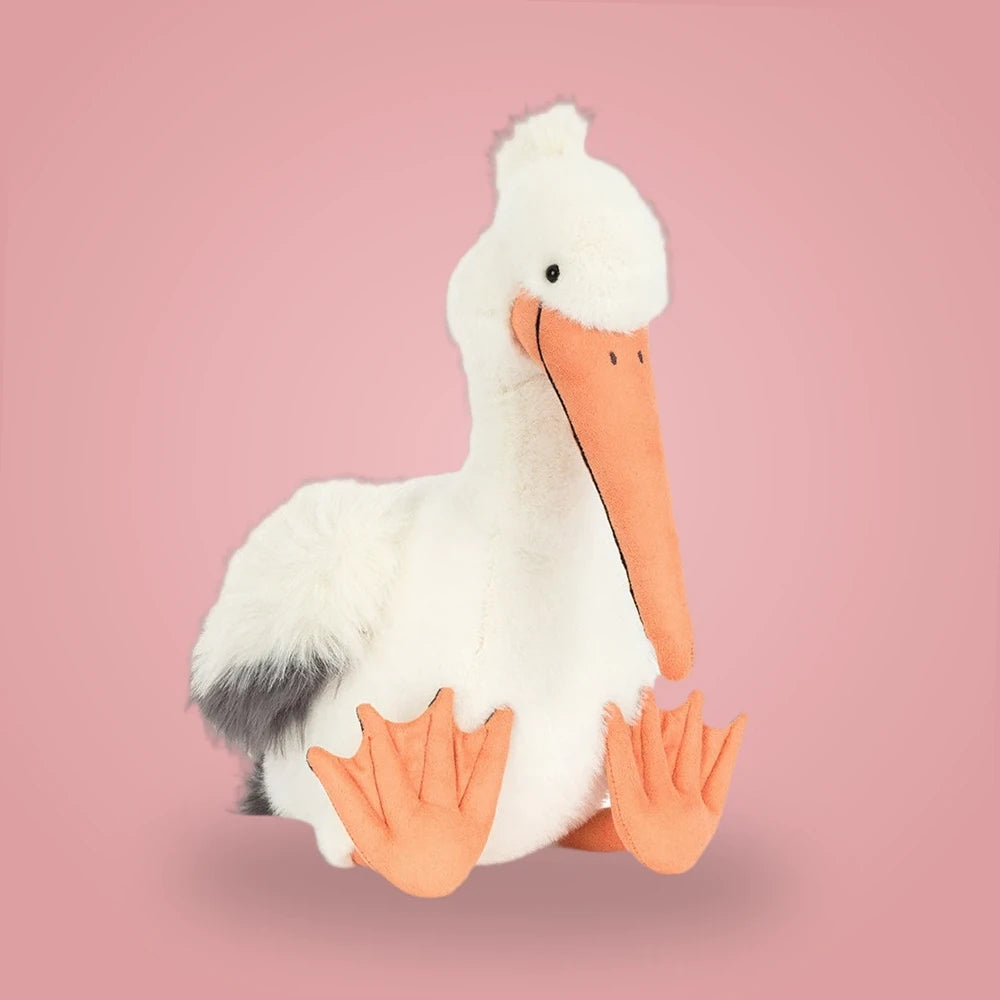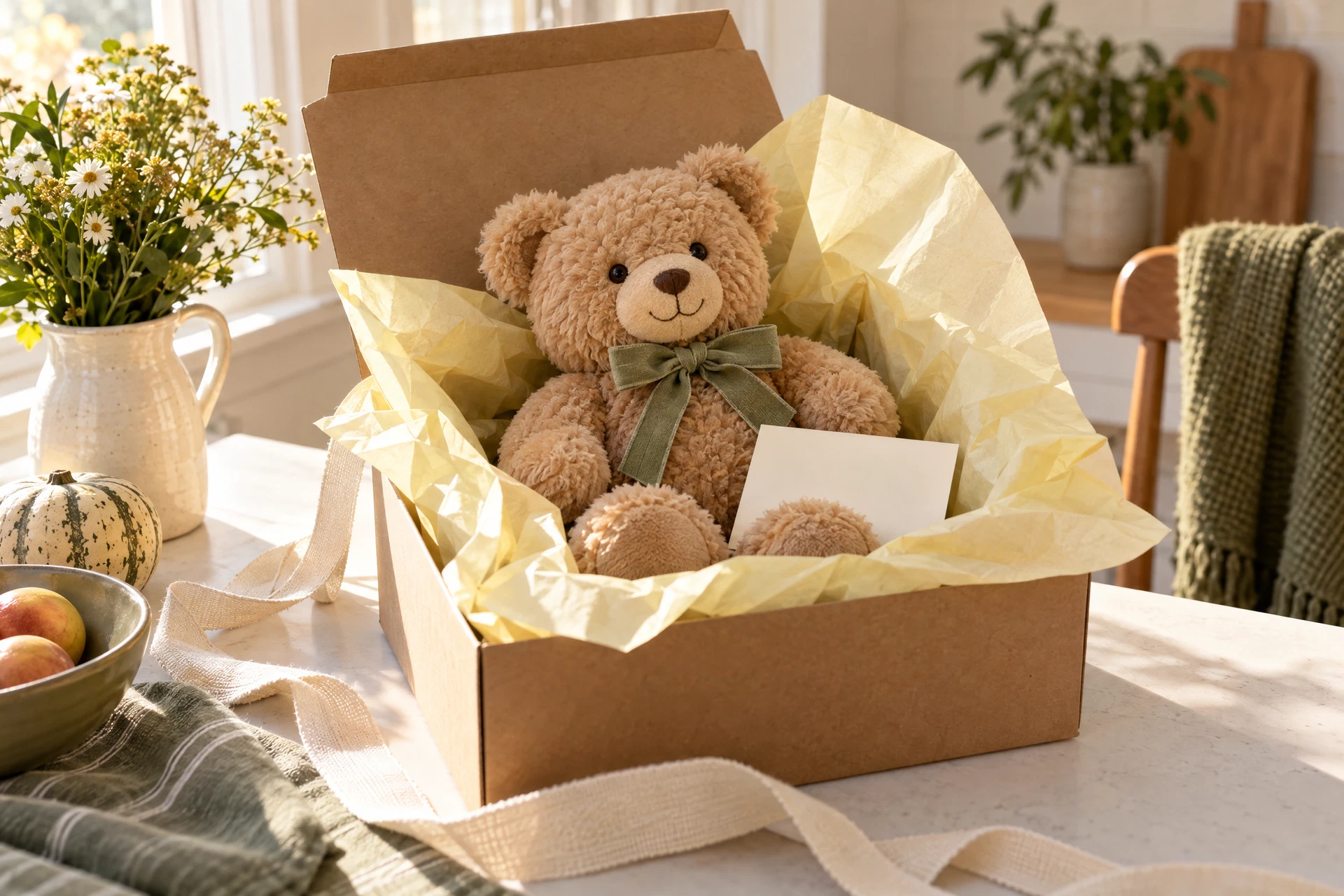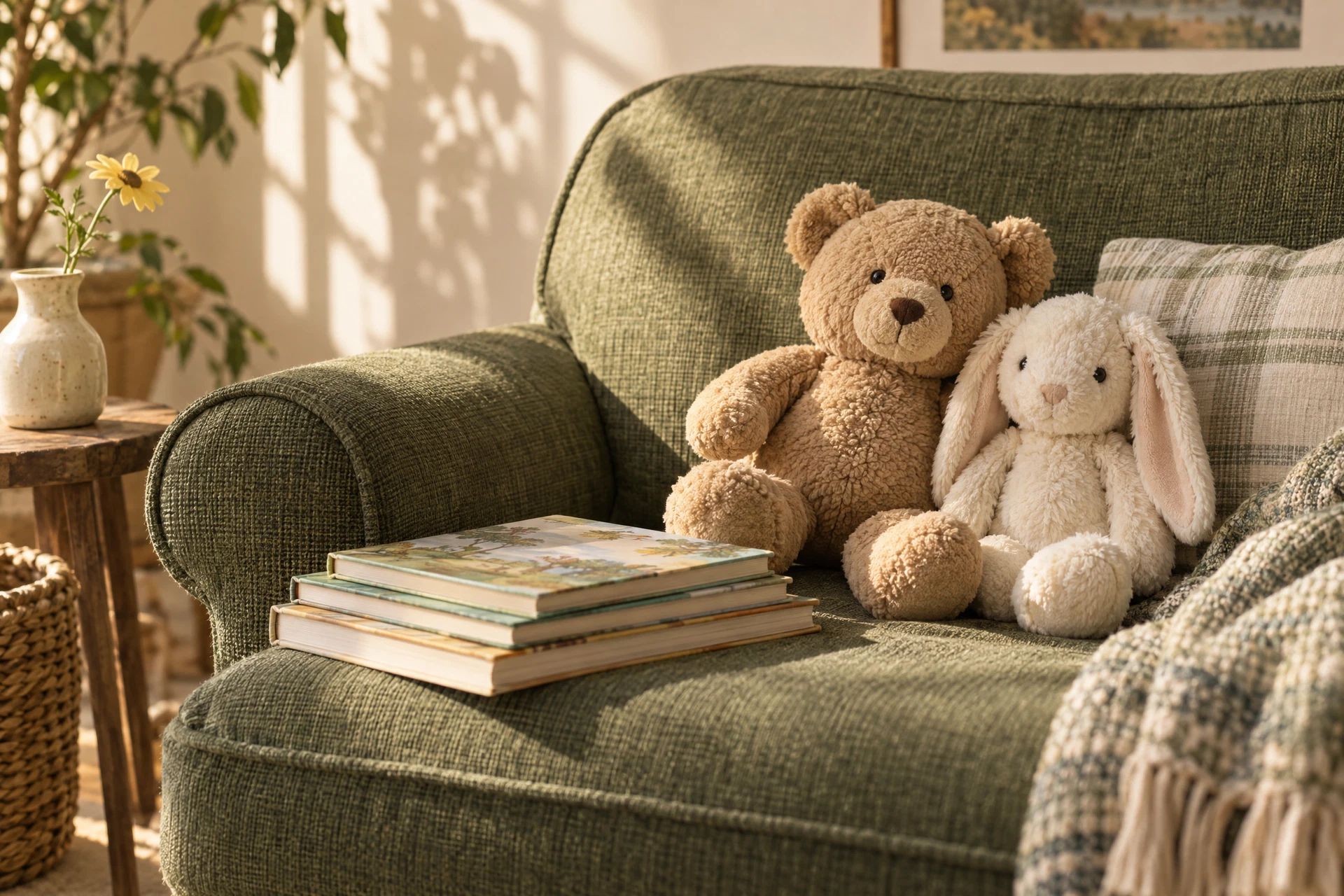
Dog plush toys are more than soft objects; they carry emotional weight for people who love dogs. Whether you collect breeds, buy a plush to remember a pet, or pick up a whimsical companion for the office, the right toy balances look, durability, and tactile appeal. This guide narrows the field so you spend less time overwhelmed by options and more time enjoying the pieces that matter.
We focus on practical decisions: how to evaluate materials, spot sloppy construction, and choose the right size and style for intended use. I also include actionable examples and checklists for gifting, display, and care. For browsing options that emphasize animals, see the animal friends collection at the Animal Friends collection.
Start with use: cuddle, display, or collect?
Your primary use should determine the first set of choices. Plush meant for frequent cuddling needs softer fabrics and resilient seams, while display pieces prioritize accurate coloring, sculpted faces, and possibly unique trims like embroidered eyes. Collectors who display on shelves may prefer limited runs or breed-specific details that stand up to close inspection rather than squishability.
To decide, list three scenarios: living-room snuggle, office shelf, or a display cabinet. For each, note required size, presence of small parts, and how often it will be handled. If you want a toy to live in a child’s play rotation, check the manufacturer's age and safety guidance. For items intended for display, look for reinforced stitching and consider whether the piece includes dust-prone materials that require careful cleaning.
Materials and fillings: what to look for
Fabric choice impacts look and longevity: short-pile polyester mutes shine and resists matting, while longer fur fabrics create a more realistic appearance but trap dust and flatten with handling. Velvet-like microplush offers a cozy hand-feel for cuddle toys, whereas textured chenille or bouclé can add character to stylized designs. Examine photos or samples for nap direction; the way the pile catches light often reveals quality.
Fillings determine shape retention. Polyester fiberfill is common and provides springiness; denser fiber or pellets offer weight that helps a plush sit upright. For collectible display pieces, a small amount of weighted material in the torso or paws improves posture. If body weight matters for shipping or balance, request specifics from the seller or consult product notes on packaging.
Construction details that predict durability
Inspect seams, eye attachments, and accessory fastenings when possible. Double-stitched seams and hidden tape at stress points reduce the chance of splits from repeated hugging. Safety eyes that are embroidered or sewn through a backing are less likely to be pulled out than plastic snap-on eyes, making them preferable for longer-lasting pieces or households with pets.
Check closures for removable parts—scarves, collars, or clothing should have secure but user-friendly fastenings. A common mistake is overlooking how small accessories are attached; loose buttons or beads create choking hazards and will likely detach. For items you plan to wash periodically, reinforced seam tape and an inner lining can prevent inner-filling migration and maintain shape after cleaning.
Size, scale, and how to choose the right dimensions
Size decisions depend on use and storage. A lap-sized plush (roughly 12–18 inches) makes a satisfying cuddle friend without dominating furniture, while smaller keychain or mini versions function as ornaments or travel companions. For shelf display, consider scale relative to other items—an 8-inch plush will look lost next to a 24-inch centerpiece. Measure available shelf depth and clearance before purchasing.
Think about handling and travel: larger plushes can be cumbersome if you intend to bring them to work or travel, while ultra-small figures lose tactile presence. A practical example: if you want a desk companion you can move between home and office, choose a 10–14 inch toy with a weighted base to stay upright but still fit in a tote.
Choosing styles: realistic, stylized, or breed-specific
Realistic plush dogs emphasize accurate proportions, color gradation, and subtle features like ear shape and tail set—these appeal to breed enthusiasts or those commemorating a specific pet. Stylized or kawaii designs simplify anatomy, prioritizing expressive eyes and compact shapes; they work well for gifting because they read as universally adorable.
If you want a breed-specific piece, compare photos closely to ensure hallmark traits are captured—coat length, muzzle shape, and ear set are telltale details. Avoid settling for vague ‘looks like’ descriptions; request close-up photos or consult the product description. A checklist: snout length, ear placement, coat pattern, and tail carriage—these four items will help you assess fidelity to the breed.
Gifting and personalization: meaningful choices
When buying a plush as a gift, think about the recipient’s relationship with dogs. Someone mourning a pet may appreciate a realistic replica or a memorial tag, while a child often prefers tactile features like crinkly ears or a squeaker—check safety and age guidance before selecting. Consider adding a handwritten note explaining why you picked that specific breed or color; that context makes the gift read as thoughtful rather than generic.
Personalization options include embroidered names, custom collars, or sewn-in tags. If ordering bespoke work, ask for a photo proof and confirm thread colors, placement, and expected turnaround before finalizing. Many retailers will list customization details on a dedicated page—if you need wholesale or bulk personalization for an event, the wholesale inquiry page at wholesale inquiries can direct you to vendor options and contact steps.
Care and maintenance without overstepping instructions
Basic upkeep keeps plush looking fresh: regular light brushing with a soft brush removes surface dust, and spot-cleaning with a mild detergent addresses stains. Always check the manufacturer’s care label before cleaning; labels will state whether a piece can be machine washed, needs hand washing, or should be surface-cleaned only. For delicate trims or glued-on accents, surface-clean only to avoid loosening attachments.
Air-drying is safer than heat-based methods for most plushes; reshape the toy while damp and dry away from direct sunlight to prevent fading. If the label permits machine washing, use a gentle cycle and protect the toy in a mesh bag. For more detailed guidance on fabric-specific care and product notes, consult the care section at our care guide which outlines common practices and the questions to ask before cleaning.
Display, storage, and avoiding common mistakes
Display considerations begin with environment: pet-friendly households or sunlit rooms require different choices than a glass-covered cabinet. Sun exposure fades colors over time, so rotate displayed pieces periodically and avoid direct windows. A common mistake is overcrowding a shelf; plushes press against each other lose shape and flatten—give each item breathing room and occasional reshaping.
For long-term storage, use breathable fabric bags rather than airtight plastic to prevent moisture buildup and mildew. Label storage containers with photos and a brief description so you can retrieve specific pieces quickly. If you need to transport a collection to a show or event, pack each plush in tissue and use soft dividers in a sturdy box—this reduces abrasion and keeps embellishments intact. For wholesale inquiries about display-ready presentation or larger orders, the contact page at the contact page provides a direct way to ask suppliers about photo-ready options.
Budgeting and where to splurge
Set a budget range before you search to avoid impulse buys. Entry-level plushes can be inexpensive and still pleasant, but spend more on higher-quality fabrics and fine construction when the piece is sentimental or intended as a long-term collectible. Splurge on items that have details you value—expert embroidery, hand-finished accents, or weighted bases—rather than on brand name alone.
A small actionable example: allocate 60% of your budget to the plush itself, 20% to personalization or protective accessories (dust cover, display stand), and 20% to shipping or insurance if the piece is rare. This breakdown ensures the core product gets priority while covering practical ownership costs. If you’re buying multiple items for resale or event giveaways, check wholesale terms and supplier minimums through the wholesale inquiries page to compare cost-per-unit effectively.
Explore the details before choosing
Take a closer look at Animal Friends, review our plush and clothing care guidance, or ask about specifications and availability before making an order request.