Deciding on a plush gift alongside a child can be joyful but surprisingly complicated. Children want to give something that reflects friendship and fun, while adults must balance safety, practicality, and the recipient’s tastes. This guide focuses specifically on choosing plush gifts with kids, offering concrete decision criteria and real-world examples so the process feels intentional rather than last-minute.
Start by framing the activity as a game of discovery rather than a shopping sprint. Use the child’s natural curiosity—color preferences, favorite animals, or story characters—as starting points, while checking essential factors like age recommendations, care instructions, and sensory features. The sections that follow break those ideas into bite-sized steps, common mistakes to avoid, and an actionable mini-plan you can try right away.
Ask Practical Questions Before You Start
Begin with a short checklist you and the child can use while browsing: What age is the friend? Do they have allergies to certain fabrics? Is there a color or animal the friend really likes? Does the friend’s family have laundry preferences that might rule out fussy care requirements? These quick questions anchor the search so it doesn’t drift toward whatever plush happens to be loudest on the shelf.
Make the checklist visual for the child—draw three boxes labeled “age,” “likes,” and “care.” As you look, tick boxes together. This keeps the child involved and teaches decision-making. If you’re shopping online, keep the same questions in mind and have the child point to pictures or click filters for colors and themes.
Safety and Suitability: What Adults Should Confirm
Always check the manufacturer's label for age guidance, materials, and care. That label is the authority on whether a plush is appropriate for a recipient of a certain age or has detachable parts that could be a choking risk. If you’re uncertain, choose options without small detachable accessories or exposed wires for lights, and avoid anything with long cords.
Think about household realities: pets, storage space, and whether the recipient uses shared laundry facilities. A plush that requires special or delicate cleaning might be impractical for a busy household. Remind the child that a hardworking gift—easy to wash, durable seams, and a simple shape—can be thoughtful because it’s made to be enjoyed for a long time.
Match Personality, Not Just Appearance
Encourage the child to think about the friend’s personality. Is the friend outgoing and likely to choose a bold, colorful plush, or quieter and comfort-oriented, preferring soft textures and muted colors? Ask the child for a memory: what did the friend hug, carry, or talk about during playdates? Those clues tell you more than current trends.
Offer concrete examples: a friend who loves adventurous games might appreciate a plush that represents a favorite animal or character for imaginative play. A shy friend might enjoy a smaller, extra-soft plush suitable for cuddling and quiet moments. Let the child justify their pick aloud—it helps teach empathy and the habit of choosing for someone else, not for themselves.
Consider Practical Features: Size, Weight, and Construction
Size matters. Very large plush toys can be hard to store or carry home, while very small ones can be easy to lose. Present a range of sizes and let the child compare by holding them. Ask: will the recipient want to carry this around, or have it decorate a shelf? Choose something proportional to the friend’s typical possessions.
Construction details are practical decision points: tightly sewn seams resist splitting, double-stitched paws hold up to play, and embroidered facial features reduce loose parts. Pointing these out to a child helps them learn to look beyond color and into durability. If available, check product pages or the in-store tag for construction notes before deciding.
Texture, Sensory Qualities, and Accessibility
Texture can be decisive. Some children—and their friends—prefer marshmallow-soft plush, others like short, velvety piles they can stroke. Let the child feel swatches or the toys themselves and describe the sensation. Encourage them to imagine the friend relaxing with it; if the texture evokes calm, that’s a strong sign.
Be mindful of sensory differences. If the recipient is sensitive to strong scents, noisy attachments, or scratchy fabrics, those should be avoided. Use neutral, sensory-friendly language with the child—ask them what would be pleasant to touch for a long time, not just what looks cool for five minutes.
Personalization Without Costly Extras
Personal touches can be simple: a small ribbon in the friend’s favorite color, a handwritten note about why the child picked the plush, or a tiny accessory that won’t detach. Teach the child to think about meaning over money. A note that links the plush to a shared memory makes an ordinary toy feel special.
If you want to add a low-cost personalization, consider a removable tag with the friend’s initials written in a permanent marker or a tiny fabric patch attached safely. Avoid sewing on delicate decorations that could come off. The goal is to keep the plush safe while making the gift feel unique.
Common Mistakes to Avoid
A frequent error is choosing a plush purely on the child’s own preferences. Encourage them to explain why their pick suits the friend rather than themselves. Another mistake is overlooking practical care needs—selecting a plush that requires delicate care for a home that prefers easy machine washing can lead to unused or damaged gifts.
Avoid impulse purchases driven by packaging or seasonal displays. Teach the child to pause and revisit the checklist or try the mini-decision process described below. This reduces buyer’s remorse and helps the child practice thoughtful giving—skills that transfer to many other decisions.
An Actionable Mini-Decision Example to Try
Try this short exercise at the store or with an online cart: 1) Set a simple rule with the child—pick three candidate plush items that meet age and care constraints. 2) For each candidate, have the child name one reason it fits the friend (color, texture, character). 3) Rank the three by which reason feels strongest. This keeps the process quick and gives the child a concrete way to articulate their choice.
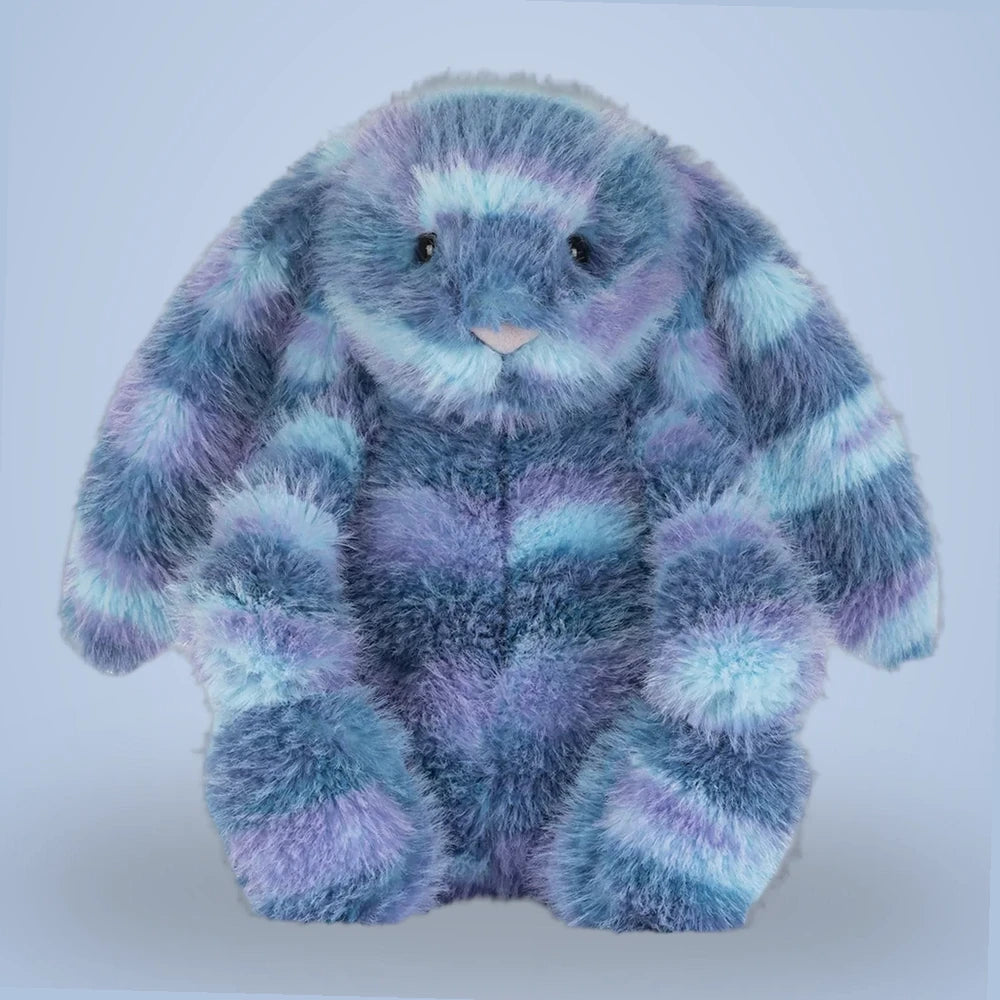
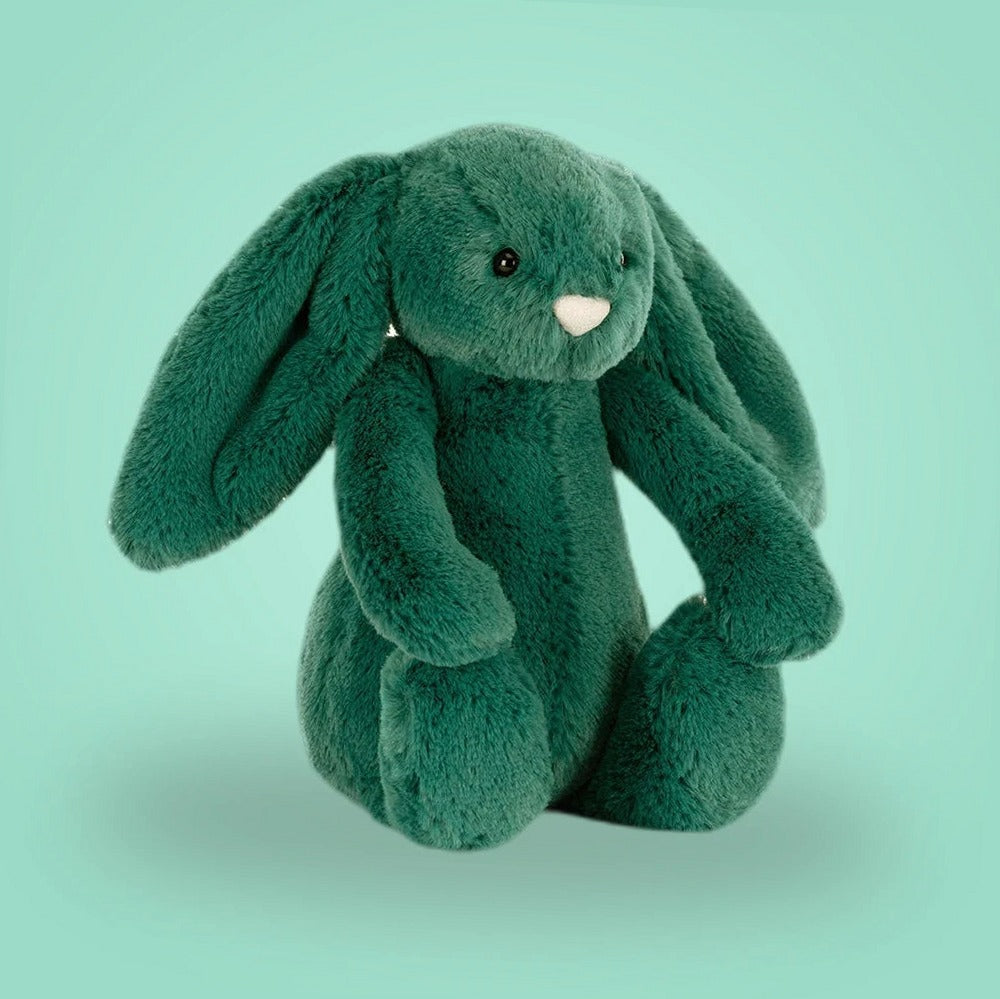
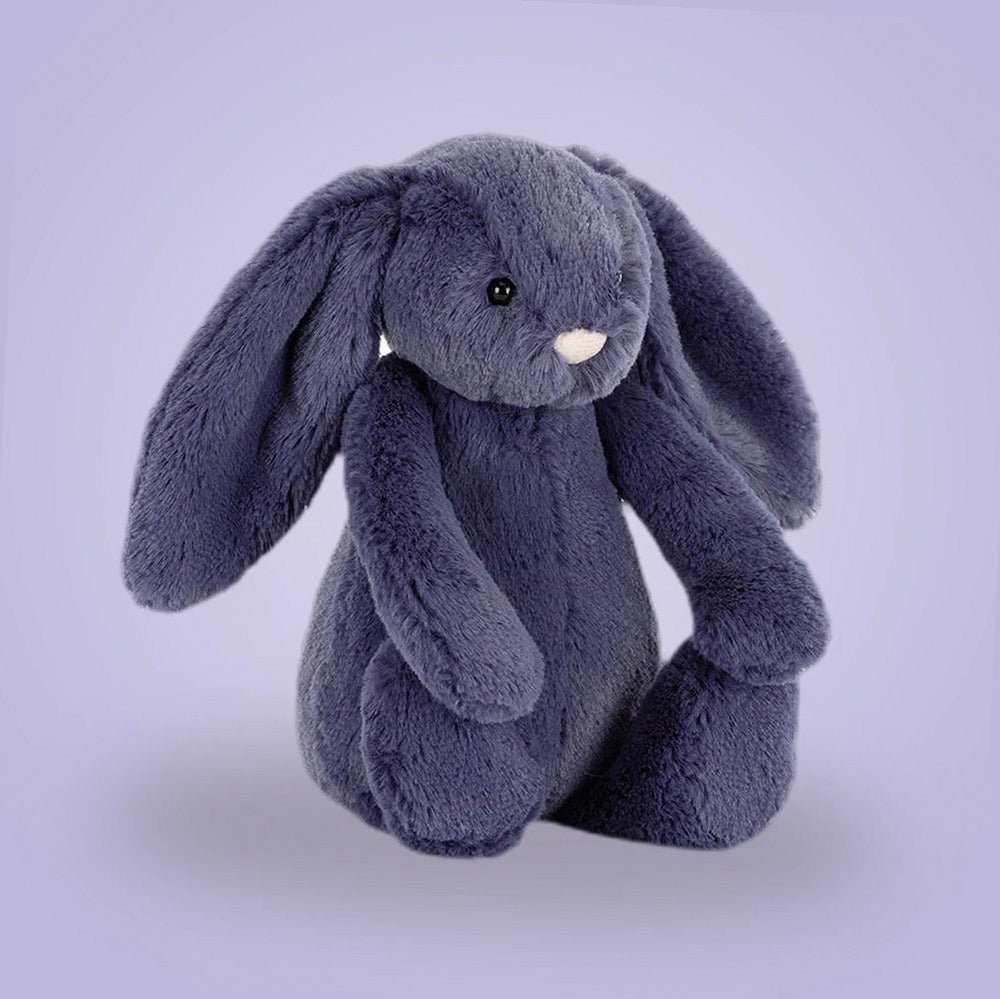
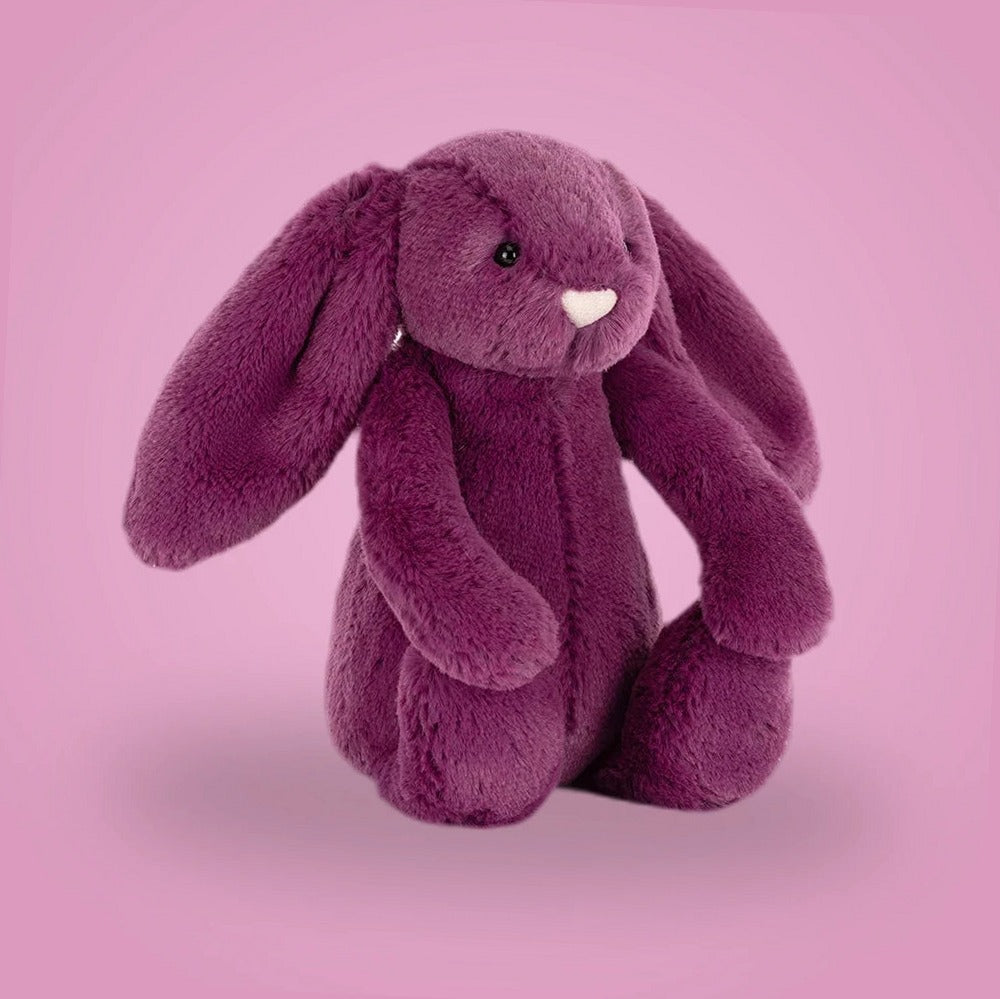
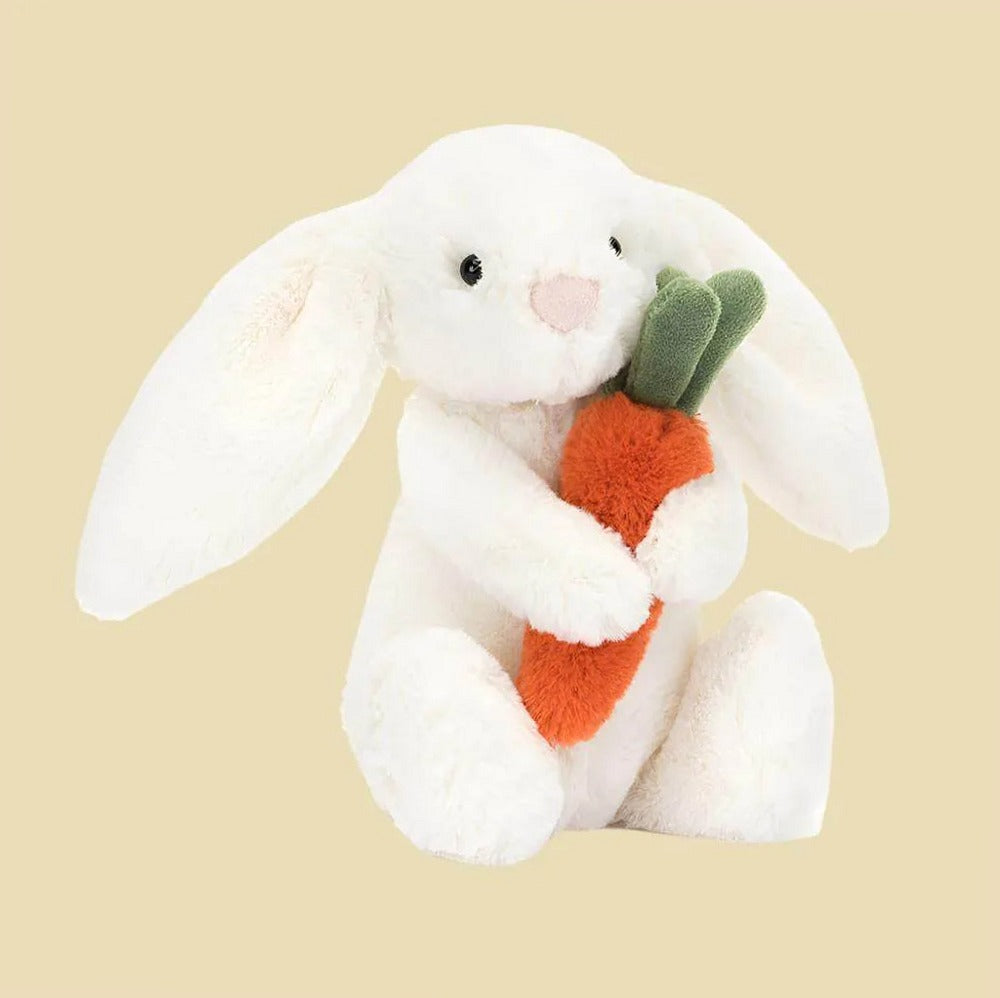
Use the results to compose a tiny gift note together: one sentence about why the friend will like it and one sentence from the child saying they chose it. If you want more variety, browse themed selections—look at the bunny collection if the friend loves rabbits at the Bunnies collection. For questions about product materials or care, consult the item's label and the shop's care page at our care guide, or reach out to the seller through the contact page.
Wrapping Up and Following Through
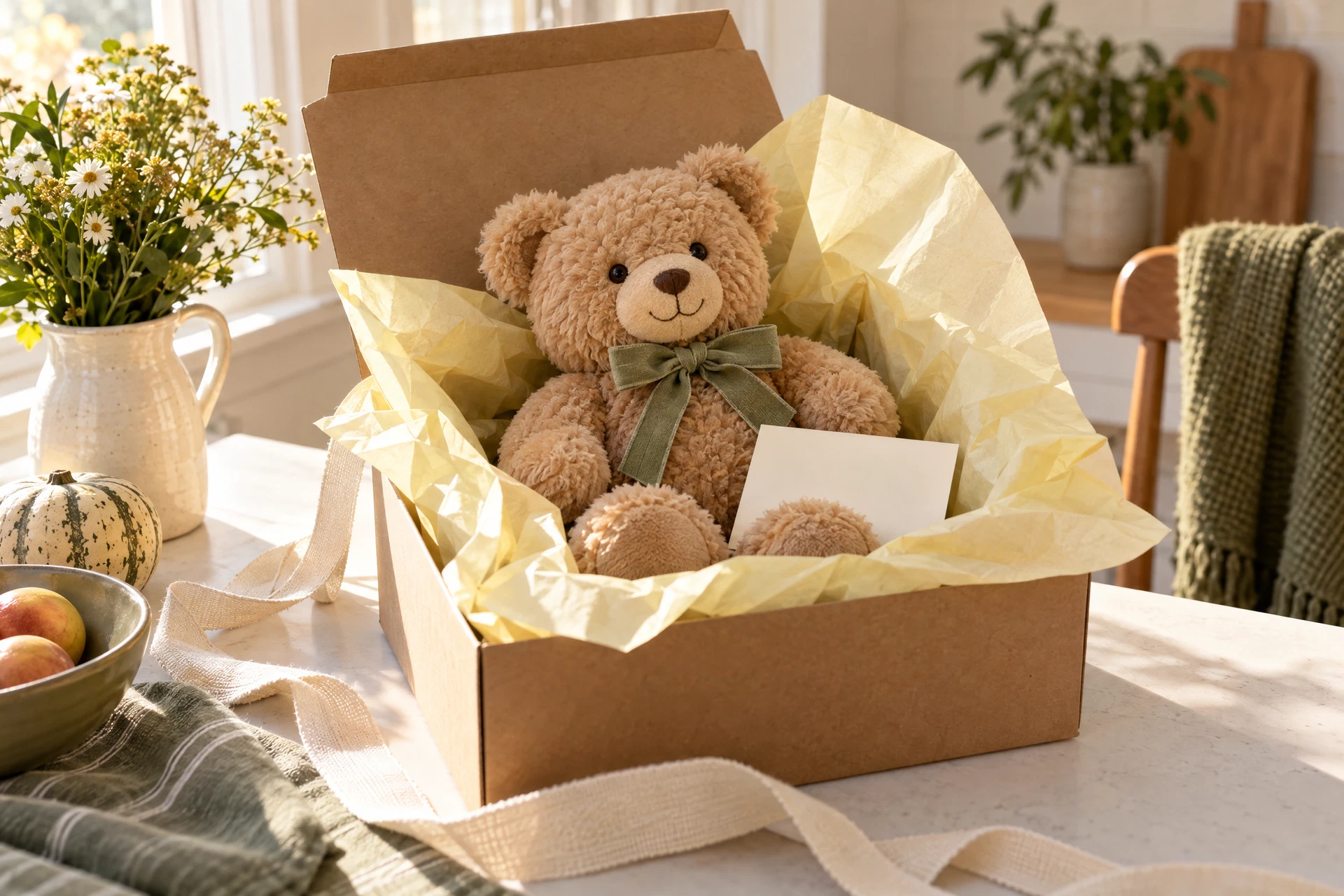
When it’s time to present the gift, involve the child in safe wrapping choices: soft tissue or a reusable fabric bag that can also become part of play. Encourage a short presentation: let the child explain why they chose the plush. That moment reinforces thoughtfulness and gives the child confidence in giving.
After the gift is given, reflect briefly with the child—what surprised them about the friend’s reaction and what would they do differently next time? If you’re considering buying for a group or a small store, find out about bulk options on the wholesale page at wholesale inquiries before making future plans; this helps with budgeting for class parties or team events without committing to a specific offer now.
Explore the details before choosing
Take a closer look at Bunnies, review our plush and clothing care guidance, or ask about specifications and availability before making an order request.