Sourcing plush toys at wholesale requires more than a one-line email. Suppliers will evaluate your inquiry for clarity on product specifics, quantities, lead times and terms before they commit time to a quote. Preparing a concise, complete wholesale plush inquiry reduces back-and-forth, speeds up quoting, and helps you compare suppliers on apples-to-apples terms.
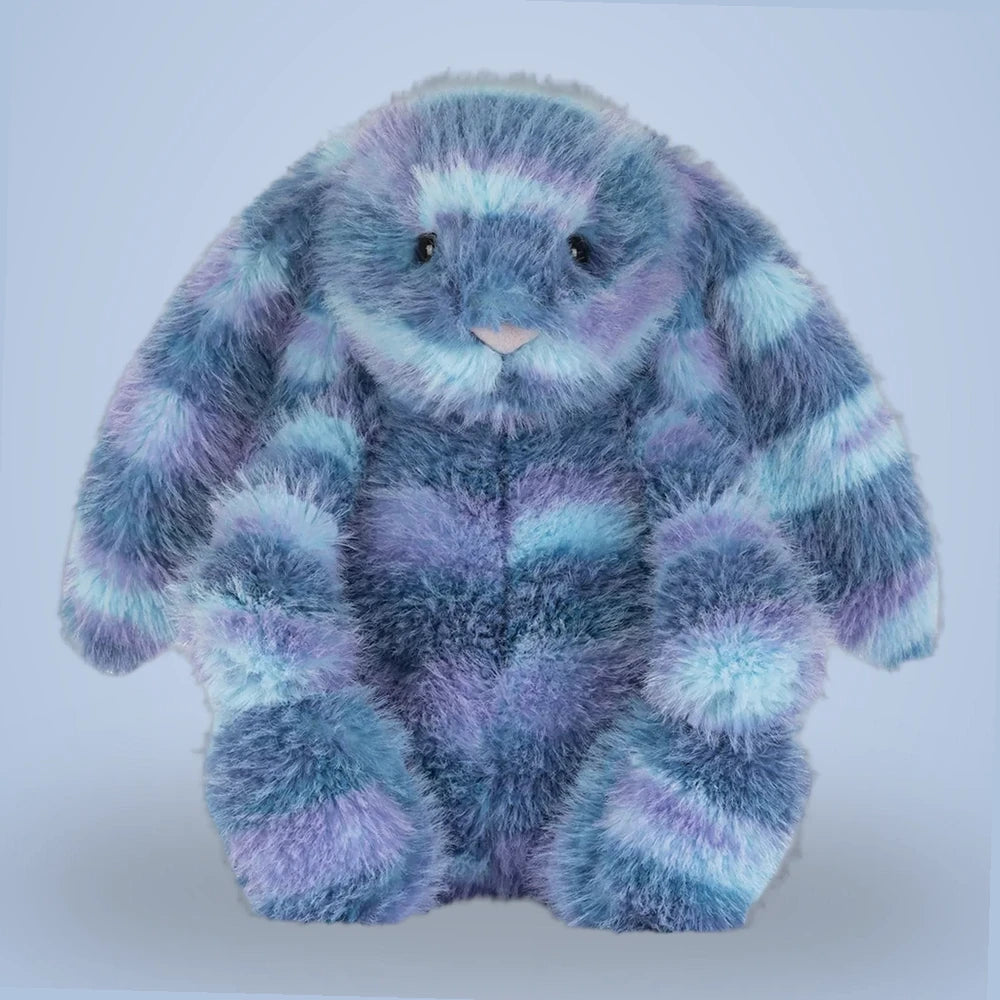
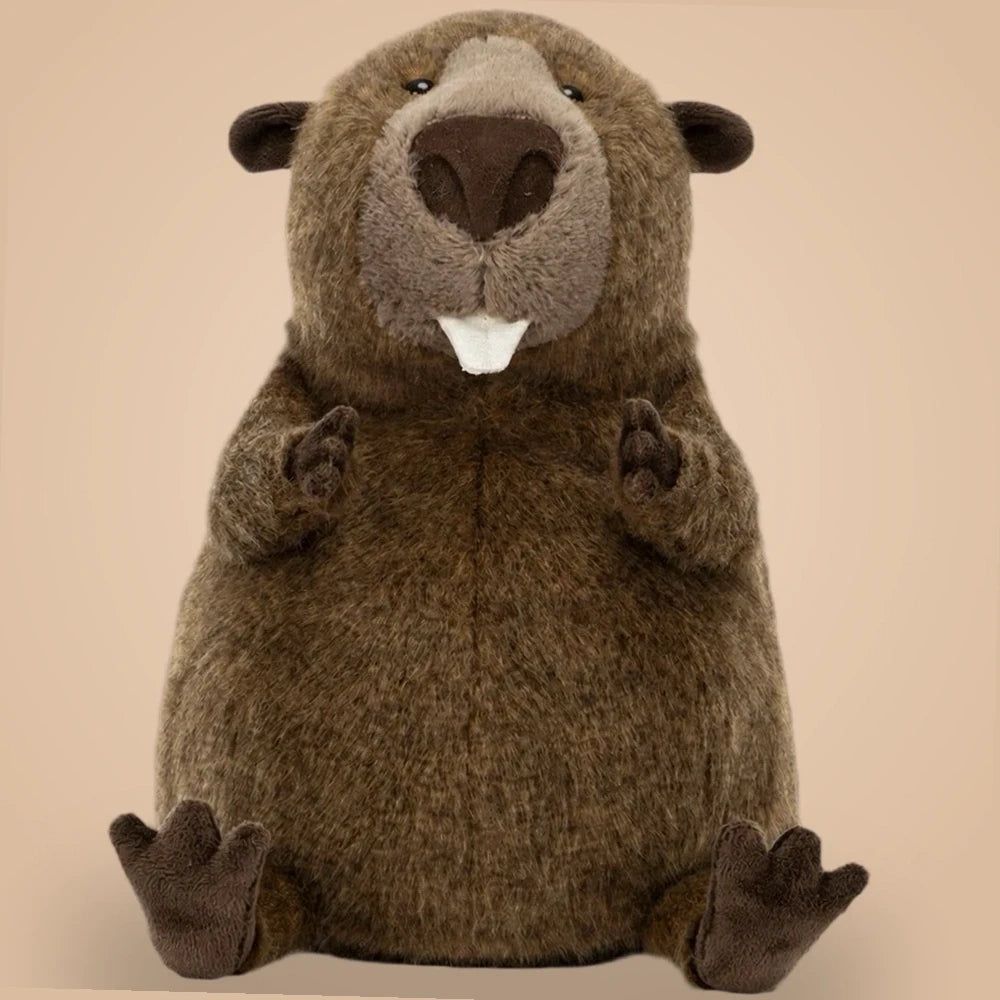
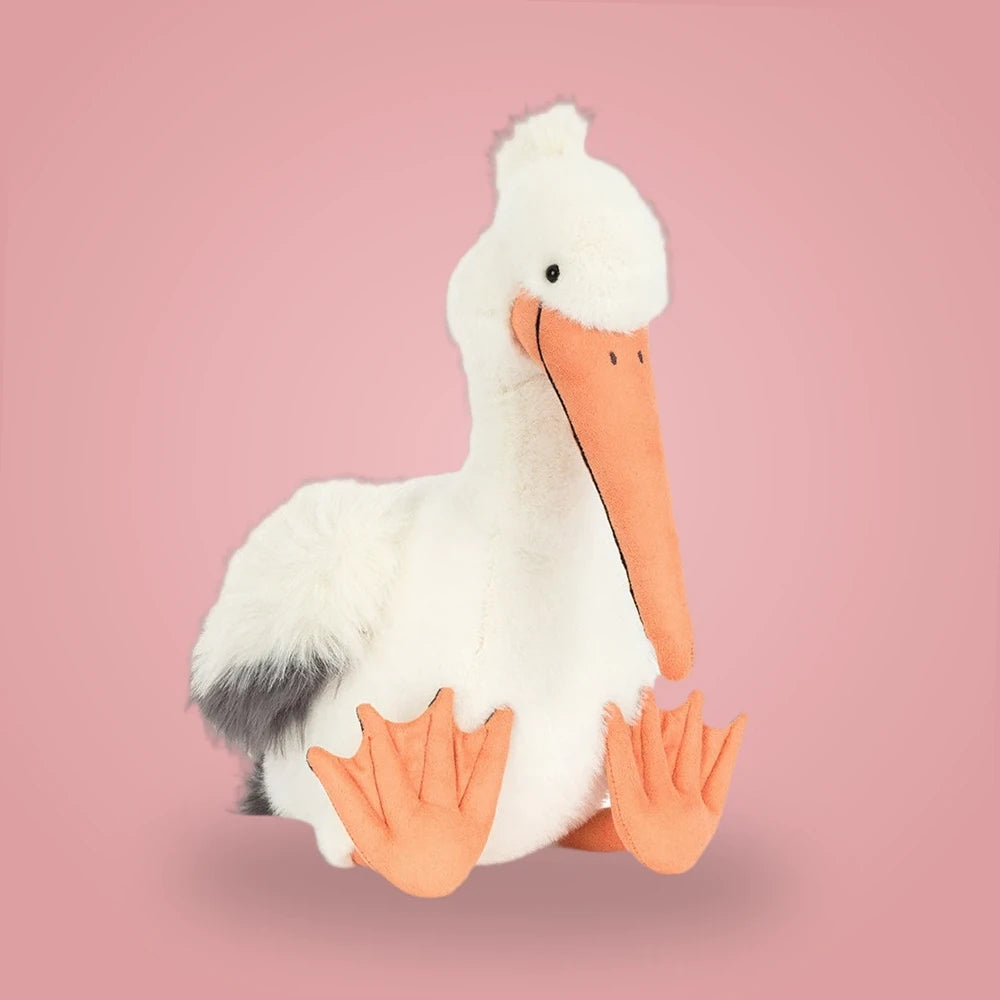
This guide breaks the process into concrete steps you can follow. It covers what to include, how to prioritize requirements, common mistakes to avoid, and a short example you can adapt. If you need manufacturer care instructions or product pages, check the supplier’s label and catalog; for example browse our animal options at the Animal Friends collection or review handling guidance at our care guide.
Start with Your Buying Objective
Begin by describing the business reason for the purchase: seasonal stock, a permanent line, a limited-edition run, or a promotional giveaway. Suppliers use this context to suggest minimum order quantities, lead times and potential cost-saving options. Concrete objectives allow them to propose alternatives such as different fabric weights, simpler fills, or adjustments to embroidery size.
Translate the objective into measurable goals. Include target retail price, desired margin band, and any brand constraints such as exclusive colors or safety standard needs. If you have a launch date, state the deadline for sample approvals and the date inventory must arrive. Clear timing expectations prevent surprises and guide the supplier toward realistic production schedules.
Specify Product Details with Priorities
List the exact types of plush you want: character, animal, pillow-style, or novelty. For each item give a shortlist of attributes and then mark them as 'required', 'preferred' or 'optional'. Attributes include size ranges, colorways, fabric types (e.g., short-pile, minky), closure methods, and labeling needs. Prioritizing attributes lets a supplier propose comparable options if a required feature is unavailable.
Provide tolerances and acceptable substitutions to speed responses. For example, accept +/-10% on finished size or alternative fabric codes with similar hand-feel. If you need a specific design element such as embroidered eyes instead of plastic safety eyes, mark that as required and explain why. These specifics reduce ambiguity and highlight deal-breakers early in the conversation.
Be Precise About Quantities and Packaging
State initial order quantity and preferred re-order cadence. Suppliers will react differently to one-time small runs versus ongoing monthly orders. If you expect to scale, include forecast ranges for the next 6–12 months. This helps the supplier price according to volume and suggest tiered costing or tooling amortization where applicable.
Detail packaging and shipping preferences up front: polybagged single units, hangtags versus sewn-in labels, inner cartons, and master carton counts. Specify whether you require individual UPCs, retail-ready packaging, or custom printed cartons. Small clarifications—like whether you need barcodes printed or just space for them—prevent late-stage changes that delay fulfillment.
Ask Targeted Questions About Lead Times and Samples
Request a complete timeline: sample lead time, pre-production approval window, production time per batch, and usual shipping modes. Ask the supplier what contingencies they have for delays and whether they can split shipments. Suppliers will often quote optimistic times—asking for both typical and worst-case lead times gives you a realistic planning buffer.
Clarify sample procedures and costs. Ask whether samples are charged, how revisions are handled, and whether a physical prototype must be approved before mass production. Request photos and video inspections as part of sample review if you cannot travel. Knowing whether the supplier will retain molds or patterns also affects future reorders and cost estimates.
Define Quality, Safety and Compliance Expectations
List any required standards—such as flammability, phthalate limits, or country-specific toy safety tests—as part of your inquiry, but do not assume suppliers meet them. Request documentation the supplier can provide: test reports, material certificates, or previous compliance records. Be clear whether you require the tests to be completed before shipment or if you will arrange third-party testing upon arrival.
Provide your inspection criteria and acceptance thresholds. Explain whether you perform incoming QC, sample inspections, or random audits, and how you will handle non-conforming batches. A practical checklist: acceptable stitch density, seam integrity, loose-part count, and acceptable cosmetic defect rate (e.g., 1%). Stating inspection plans up front aligns expectations and avoids disputes later.
Clarify Pricing, Payment Terms and Incoterms
Ask for a detailed price breakdown: unit price at specified quantities, sample fees, customization charges (embroidery, labels, hangtags), packaging cost, and any tooling or setup fees. Request pricing at multiple quantity tiers so you can compare cost-per-unit as volume increases. Also ask what is included and excluded, to avoid hidden charges later.
Specify preferred payment terms, acceptable methods, and whether you need credit terms. Include your desired Incoterm (e.g., FOB, CIF) so shipping responsibilities and costs are clear. If you’re open to different Incoterms, ask suppliers to show how each affects the landed cost. Clear financial terms help you compare supplier offers on equal footing.
Include Logistics and Shipping Preferences
State your delivery location, whether you can receive full containers or prefer LCL (less-than-container-load), and whether you require delivery to a fulfillment center or retail hub. Provide working port options and any embargoed or restricted routing. This information helps the supplier estimate freight costs, transit time, and customs handling.
Ask about typical packing density and palletization practices to forecast storage and handling needs. If you need consolidated shipments from multiple styles into one container, tell vendors up front so they can coordinate timing. Also clarify whether you require drop-shipping, cross-docking, or direct-to-consumer labeling so the supplier can accommodate or refuse those services early.
Common Mistakes and Decision Criteria
Common mistakes include asking too vaguely (‘we want plush’), omitting lead-time constraints, or failing to prioritize features. Avoid sending multiple, conflicting documents; consolidate your request into a single summary and attach detailed tech sheets if necessary. Provide one clear contact for questions and insist suppliers list any assumptions made in their replies.
Use a simple decision matrix when evaluating responses: score suppliers on price, lead time, sample quality, compliance documentation, and communication clarity. Weight each criterion by importance to your project—e.g., 30% lead time, 25% compliance, 20% price, 15% quality, 10% communication. This turns subjective impressions into actionable comparisons and helps you choose the best fit.
Actionable Example Message
Short sample inquiry you can adapt: 'Hello — We are sourcing a plush animal line for a fall seasonal rollout. Initial SKU: 3 sizes of fox plush. Required: embroidered eyes, minky outer fabric preferred, soft polyester fill, retail hangtag. Initial order 1,000 units (300/300/400). Please confirm MOQ, sample cost and lead time for one prototype, unit pricing for 1k/2k/5k, packaging per unit, and whether you can meet required flammability tests. Ship to Cincinnati, OH. Contact: [name, phone, email].' This keeps the message focused while giving suppliers the exact data they need.
After sending, follow these next steps: 1) Track replies and record each supplier’s assumptions, 2) Request photos and sample tracking numbers, 3) Compare quotes using your decision matrix and ask clarifying questions immediately. If a supplier’s reply omits critical details, send a short follow-up checklist rather than asking open-ended questions; that saves time and yields comparable answers. For additional assistance or to arrange an introductory conversation, visit the contact page or review wholesale options at wholesale inquiries.
Explore the details before choosing
Take a closer look at Animal Friends, review our plush and clothing care guidance, or ask about specifications and availability before making an order request.