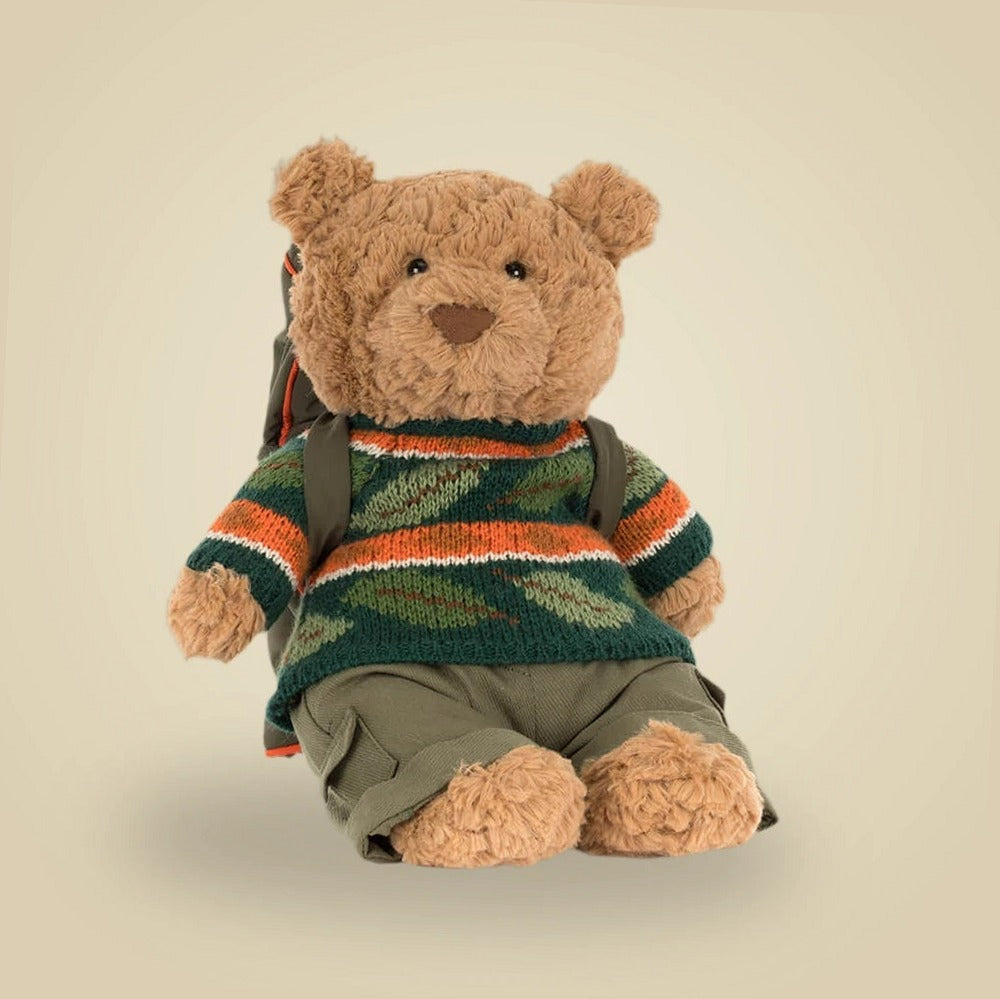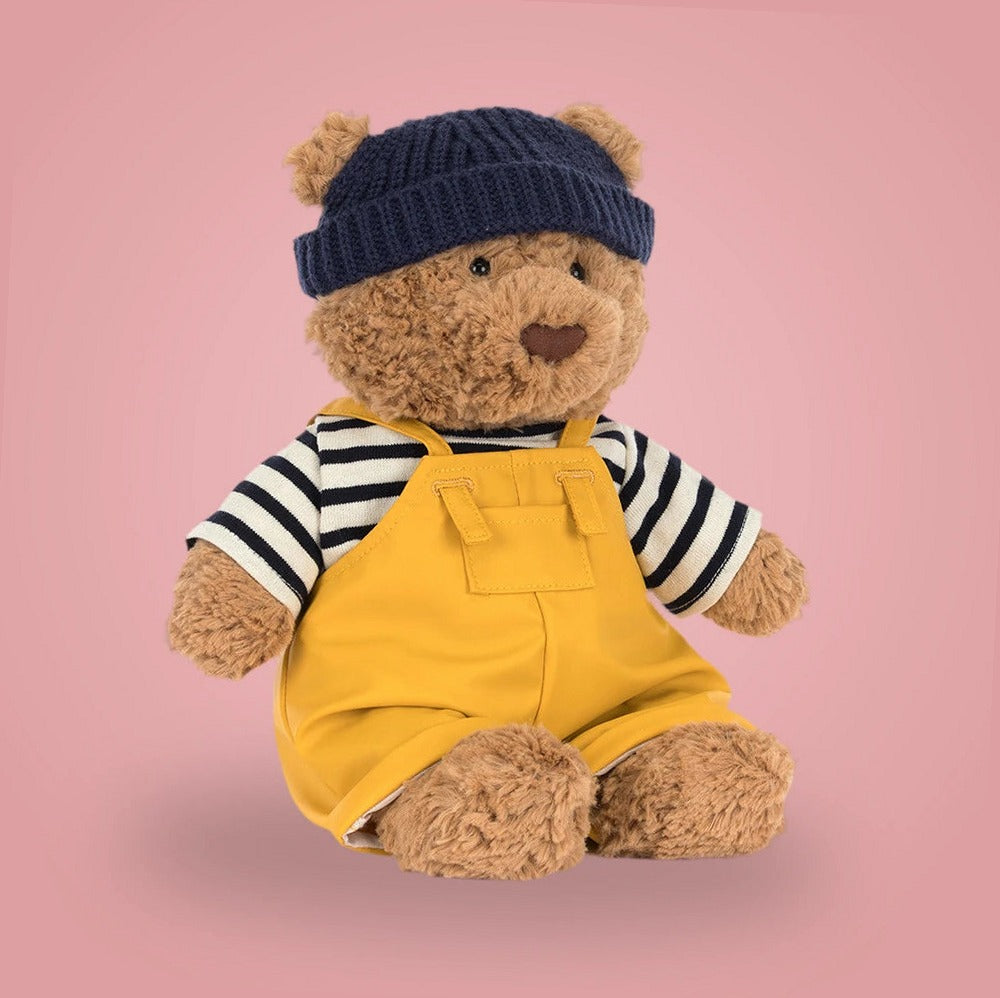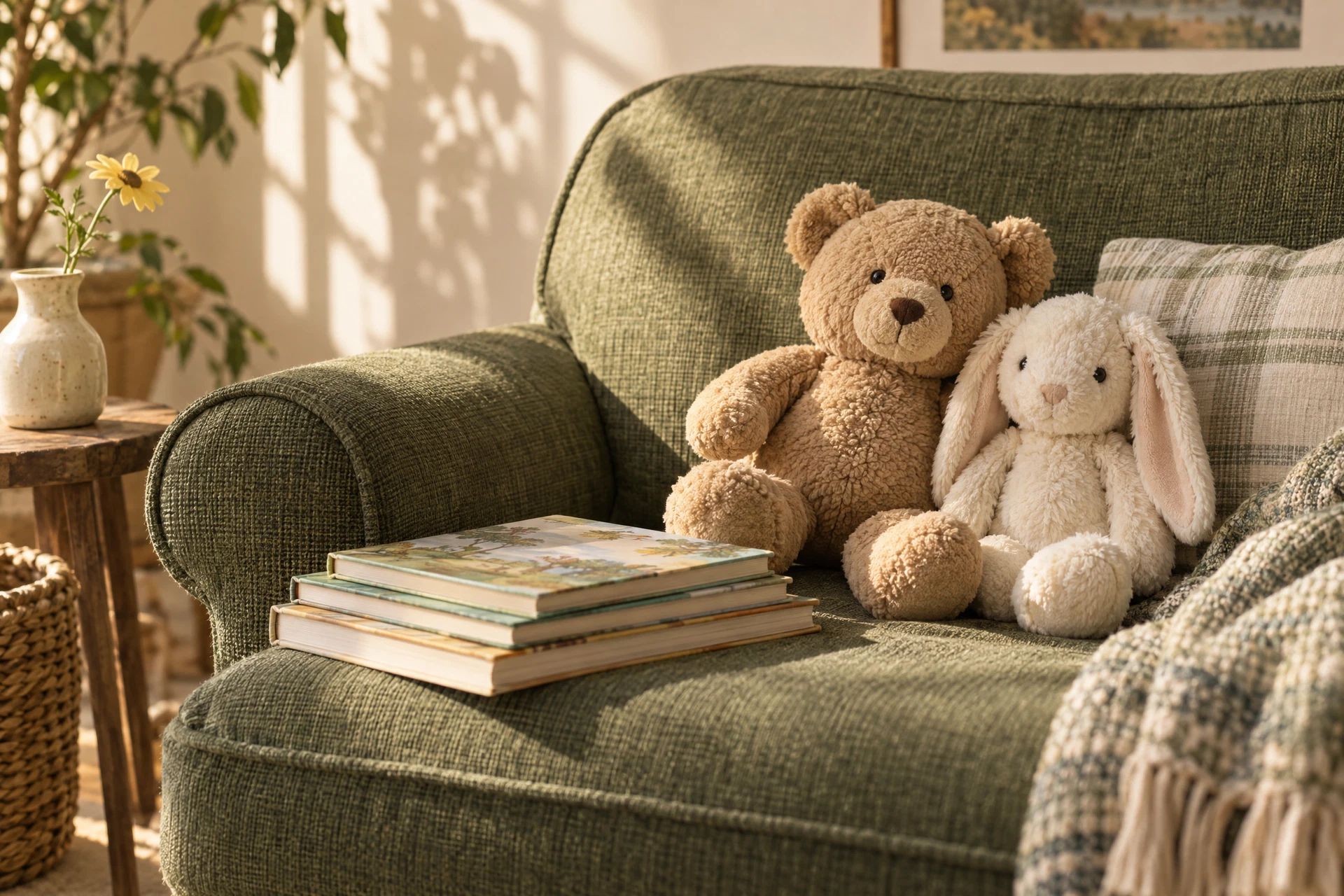
A classic teddy bear collection is often built on a handful of cornerstones: shape, fabric, color and that timeless expression. Collectors who add whimsical character plush—cartoonish animals, fantasy creatures, or pop-culture figures—face the challenge of keeping the bears’ quiet elegance from being overwhelmed by louder personalities. The goal is a cohesive shelf where the bears’ heritage and the characters’ charm each have room to breathe.
This guide focuses narrowly on practical decisions: how to choose complementary pieces, arranging them visually, dealing with varied care needs, and avoiding common buying mistakes. You’ll get concrete checklists and one short example layout you can try. For browsing options, start with the curated assortment in our storefront at the Bears collection to see how proportions, scale, and fabric choices affect pairing decisions.
Define the Role of Each Piece
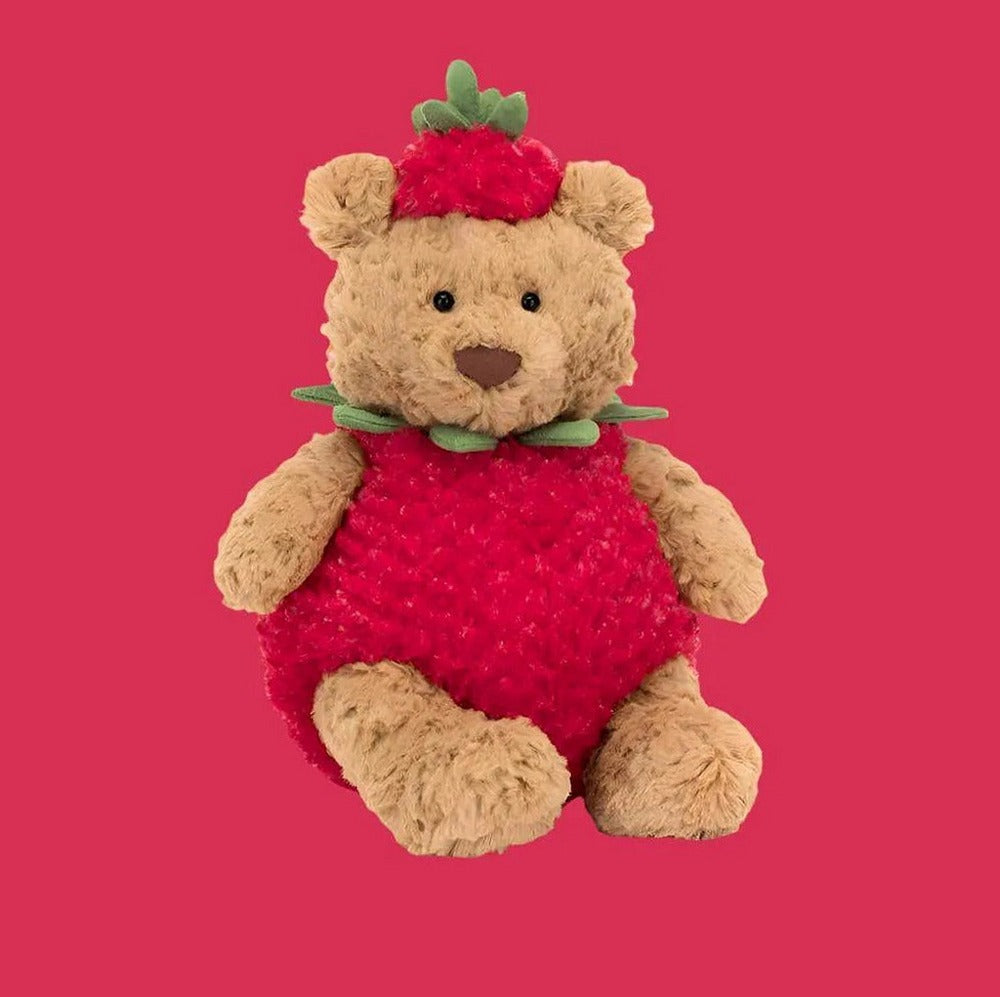
The first step when mixing a classic teddy bear collection with whimsical characters is assigning roles. Classic bears often act as anchors—timeless, neutral, and slightly formal. Whimsical characters can serve as accents, conversation starters, or thematic focal points. Write down three roles you want on each shelf: anchor (usually a bear), accent (a character with color or pattern), and filler (smaller toys that support scale).
Decide what emotional tone you want: cozy and nostalgic, bright and playful, or a curated museum-like display. Criteria to evaluate when choosing a toy for a role include scale relative to the bear, texture contrast (e.g., mohair vs. plush), and color temperature. Use these criteria as a short checklist at the store or when browsing online so purchases stay intentional rather than impulsive.
Prioritize Scale and Proportion
Scale makes or breaks a shelf arrangement. A large whimsical creature placed next to a small classic bear can swallow the bear visually, unless you plan for a dominant focal piece. Measure heights and bulk before buying: if the median bear in your collection is 16 inches, aim for characters within 60–140% of that height to preserve balance. Consider depth as well—some plush have wide bodies that push forward and disrupt a shallow display.
When mixing sizes, use tiering to help smaller pieces show up: raise tiny bears on small risers or boxes covered in fabric, and set larger characters further back if the shelf depth allows. This creates layers rather than a single flat row, which helps both bears and characters be seen and appreciated.
Match or Contrast Textures Intentionally
Classic teddy bear collection pieces typically feature specific textures—rougher mohair, brushed plush, or velour—that imply age and craftsmanship. Whimsical characters often arrive in smoother synthetic plush or mixed media. Decide whether to match textures for unity or contrast them for visual interest. A group of similarly textured bears will feel cohesive; one or two plush characters in a markedly different fabric can create a playful highlight.
A simple test: hold a candidate character next to a representative bear and feel the fabrics together in natural light. If they read as complementary, the pairing is likely to work on a shelf. If the textures clash—one shiny and new, the other matte and worn—either find a different position for the character or add transitional pieces (small pillows, books, or neutral plush) to bridge textures.
Create a Color Palette and Stick to It
Establish a three-color rule for each display row: primary (dominant hues of your bears), secondary (colors of the characters), and accent (small pops like ribbon or button details). For example, a neutral primary palette of creams and browns for a classic teddy bear collection pairs nicely with secondary pastel characters and an accent of muted teal or marigold to add interest without chaos.
Avoid introducing too many saturated colors at once. If a whimsical character has an intense hue, balance it by repeating that color in a tiny accessory elsewhere—like a ribbon around a small bear’s neck or a book spine on the shelf. This repetition helps the eye move across the display and ties disparate pieces together.
Display Layouts: Grouping, Stagers and Negative Space
Choose one unifying layout style: symmetric clusters, asymmetric clusters, or linear arrangements. Symmetric clusters center a principal bear with mirrored characters on each side. Asymmetric clusters use a large bear offset by a character and several small fillers. Linear arrangements work when shelf space is narrow or when you want a parade-like effect.
Negative space is a powerful tool. Don’t overcrowd: leave breathing room around a classic teddy bear so its silhouette and face can be appreciated. Introduce small stagers—antique books, picture frames, or folded fabric panels—that can raise or separate pieces. Create a small checklist for staging: (1) choose a focal bear, (2) place two supporting items at differing heights, (3) leave 1–2 inches of clear space around the focal piece.
Practical Care and Maintenance Considerations
Different materials require different care, and when mixing a classic teddy bear collection with mass-produced characters you’ll face varied cleaning instructions. Always check the toy’s label for specific directions; never assume machine washing or sanitizing is safe. For dusting, use a soft brush or gentle vacuum with a brush attachment held slightly off the fabric. Spot-clean stains using the manufacturer’s recommended method.
Rotate items periodically to reduce sun fading and uneven dust accumulation. If you’re storing seasonal or rare pieces, place them in breathable containers with acid-free tissue; avoid airtight plastic for long-term storage if the label cautions against it. For a quick care checklist: inspect label, remove dust monthly, spot-clean per instructions, rotate seasonally, store in breathable packing.
Common Buying Mistakes to Avoid
A common error is buying every cute character that catches the eye, then realizing the shelf lacks a cohesive theme. Use your earlier role and color checklists to avoid impulse purchases. Another mistake is underestimating scale: buyers often think a tiny plush will be an unobtrusive filler, but several small items can create visual clutter instead of cohesion.
Also watch for fabric mismatches in lighting. A character that looks harmonious under store lighting may clash in your home’s warmer or cooler light. If possible, view images of the piece in different lighting or ask for measurements and fabric descriptions before purchasing. When in doubt, place a short trial hold and review how the new toy reads beside your anchor bears at home.
Actionable Example: A Small Shelf Layout
Try this 6-step layout on a single 30-inch shelf: (1) choose a mid-sized bear as anchor and place it slightly left of center, (2) set a whimsical character 4–6 inches to the right to act as counterpoint, (3) add a smaller bear or two on risers behind or beneath the anchor, (4) include one flat accessory— a small framed print or book—on the left to balance color, (5) leave an inch of negative space at each edge, and (6) step back and view from eye level to check harmony.
If the character overwhelms the anchor, swap positions or reduce the number of filler items. This small experiment helps you practice scale, color balance, and texture contrast without committing to permanent changes. If you need inspiration for grouping options, see curated choices at the Bears collection or reach out with specific questions via our contact page at the contact page.
Purchasing for Display vs. Play: Decision Criteria
Decide up front whether a piece will be primarily for display or for handling. Display pieces can be more delicate and may require special storage; play pieces should have robust seams and clearly labeled, washable surfaces when the manufacturer indicates those options. Create a short decision rubric: display if fragile or vintage-looking; play if seam strength, fabric durability, and easy-clean instructions align with frequent handling.
For mixed households where both display and play are desired, consider duplicate or companion purchases—one pristine bear for the shelf and a sturdier version for hands-on enjoyment. If buying wholesale or in bulk for retail display planning, consult the wholesale inquiries page for procedural inquiries, and always check each piece’s label for care and suitability details.
Explore the details before choosing
Take a closer look at Bears, review our plush and clothing care guidance, or ask about specifications and availability before making an order request.