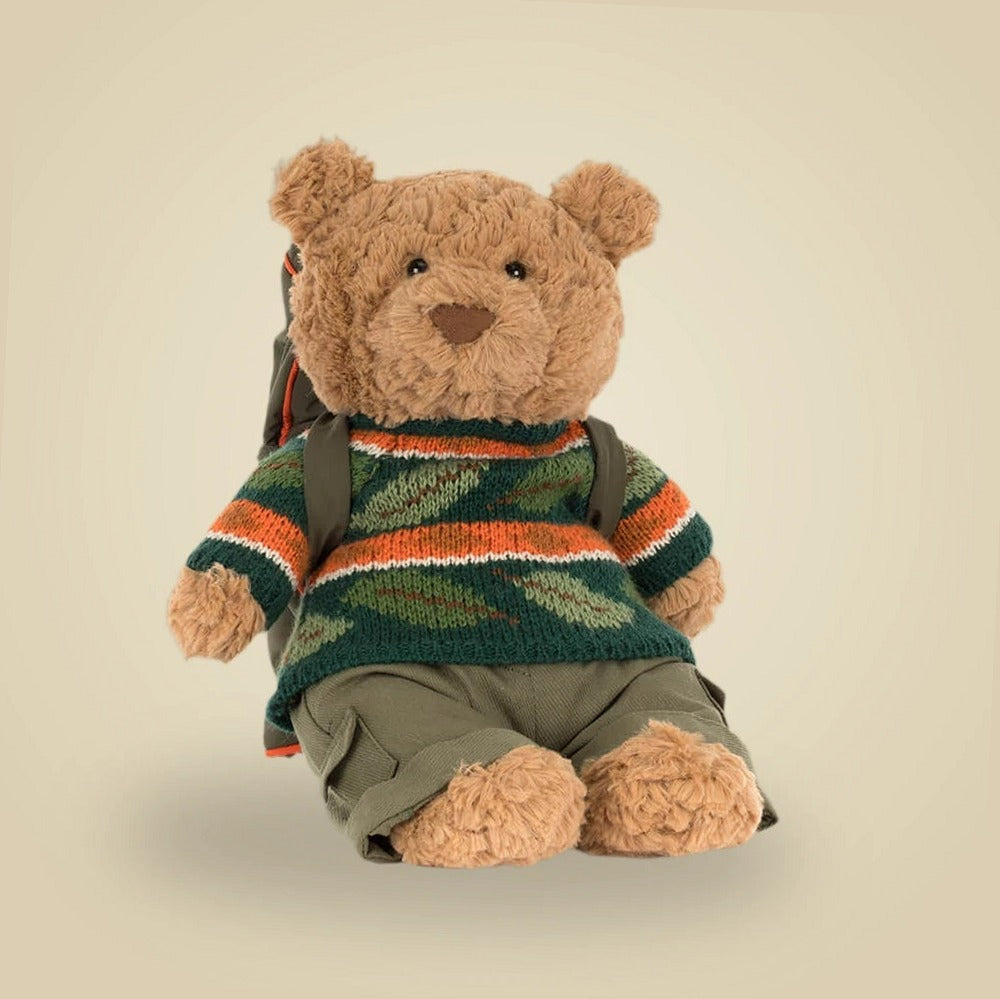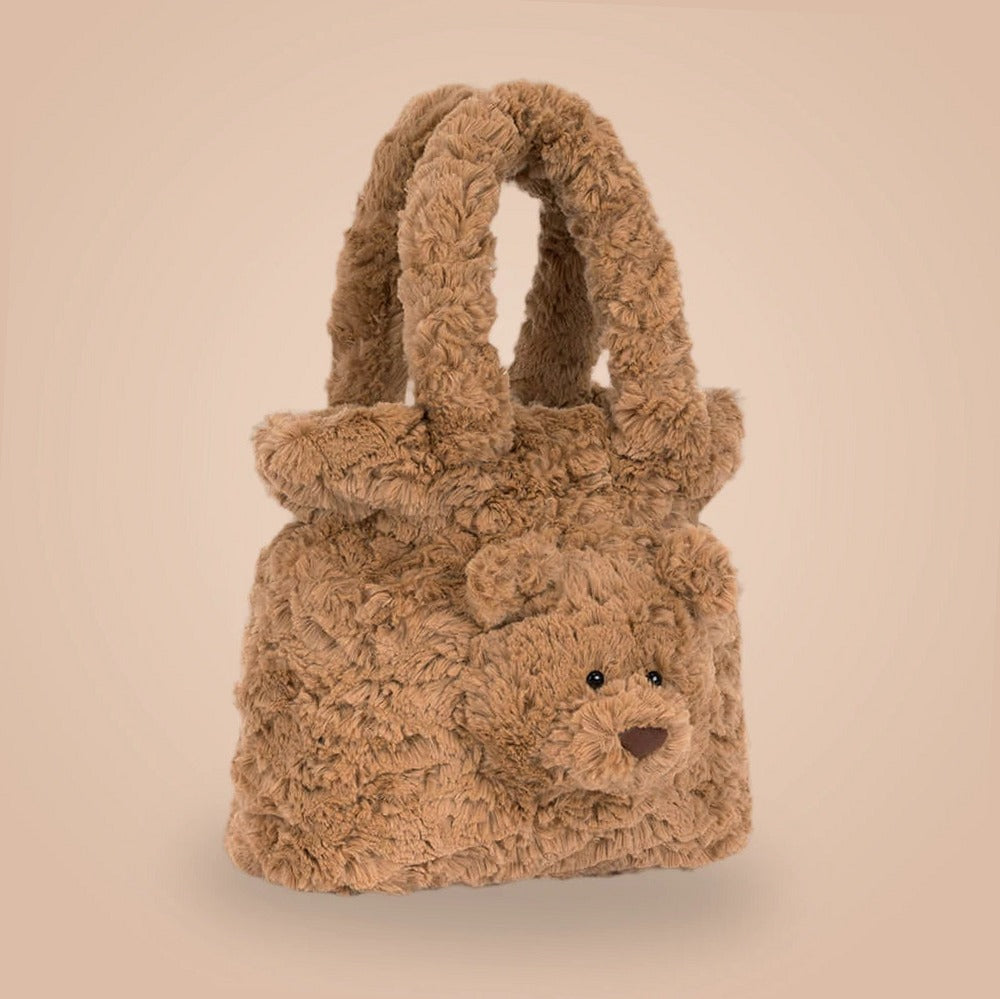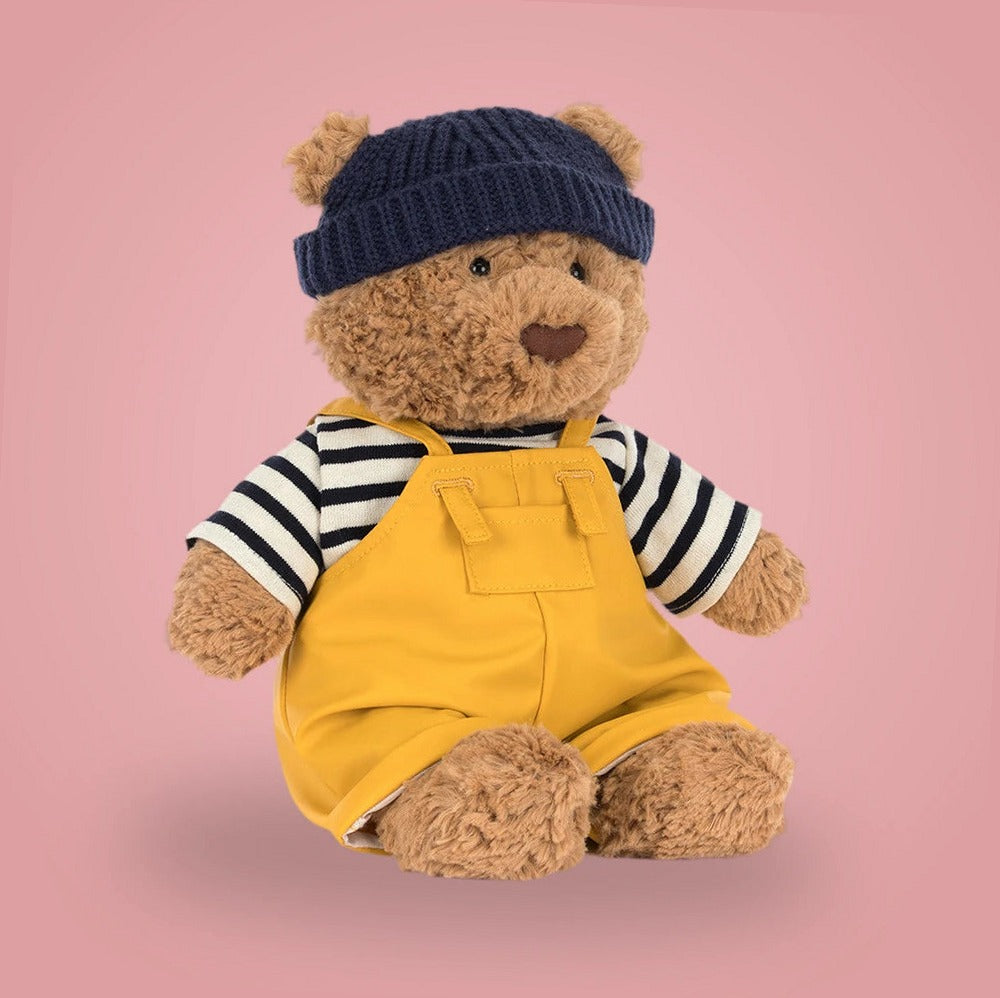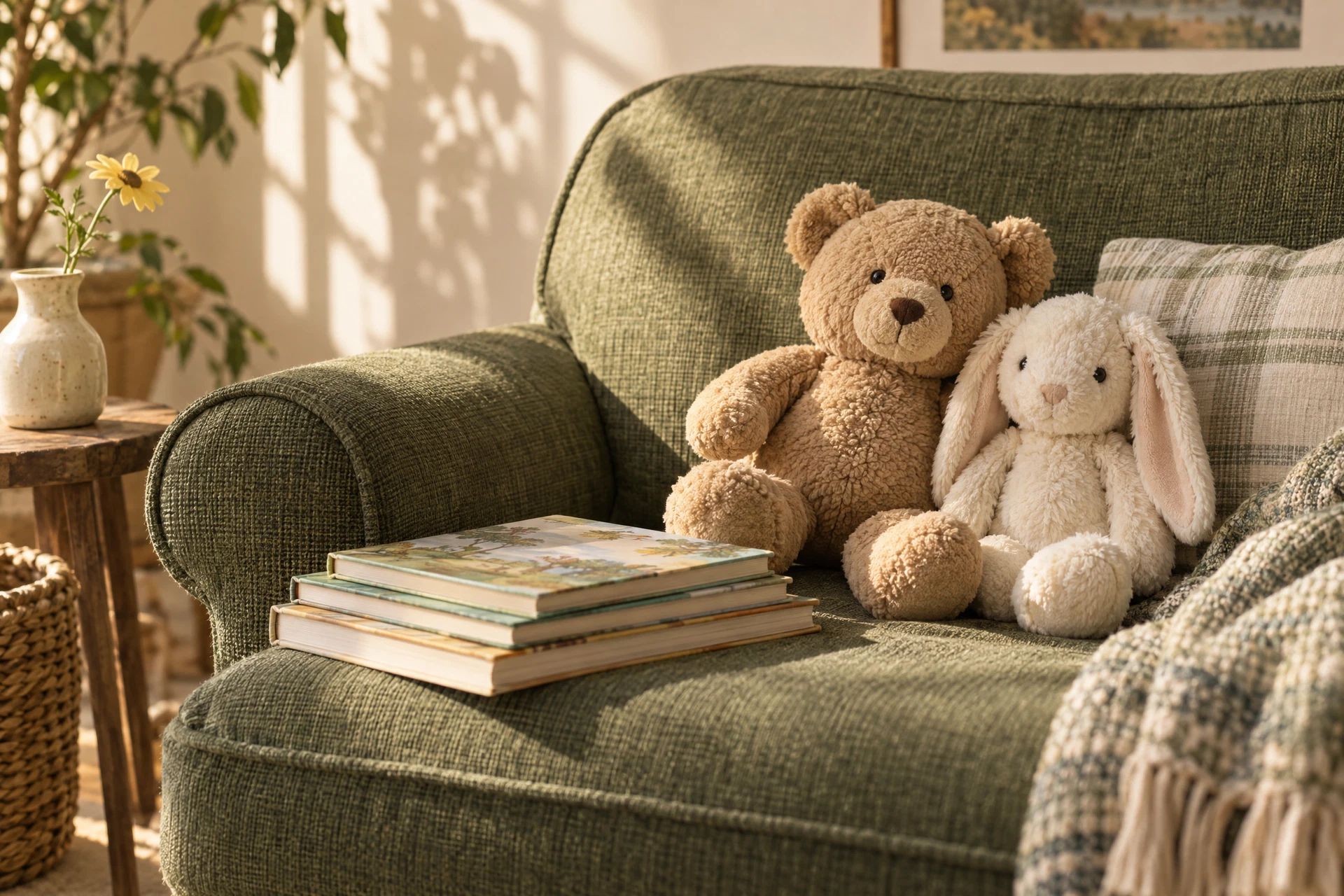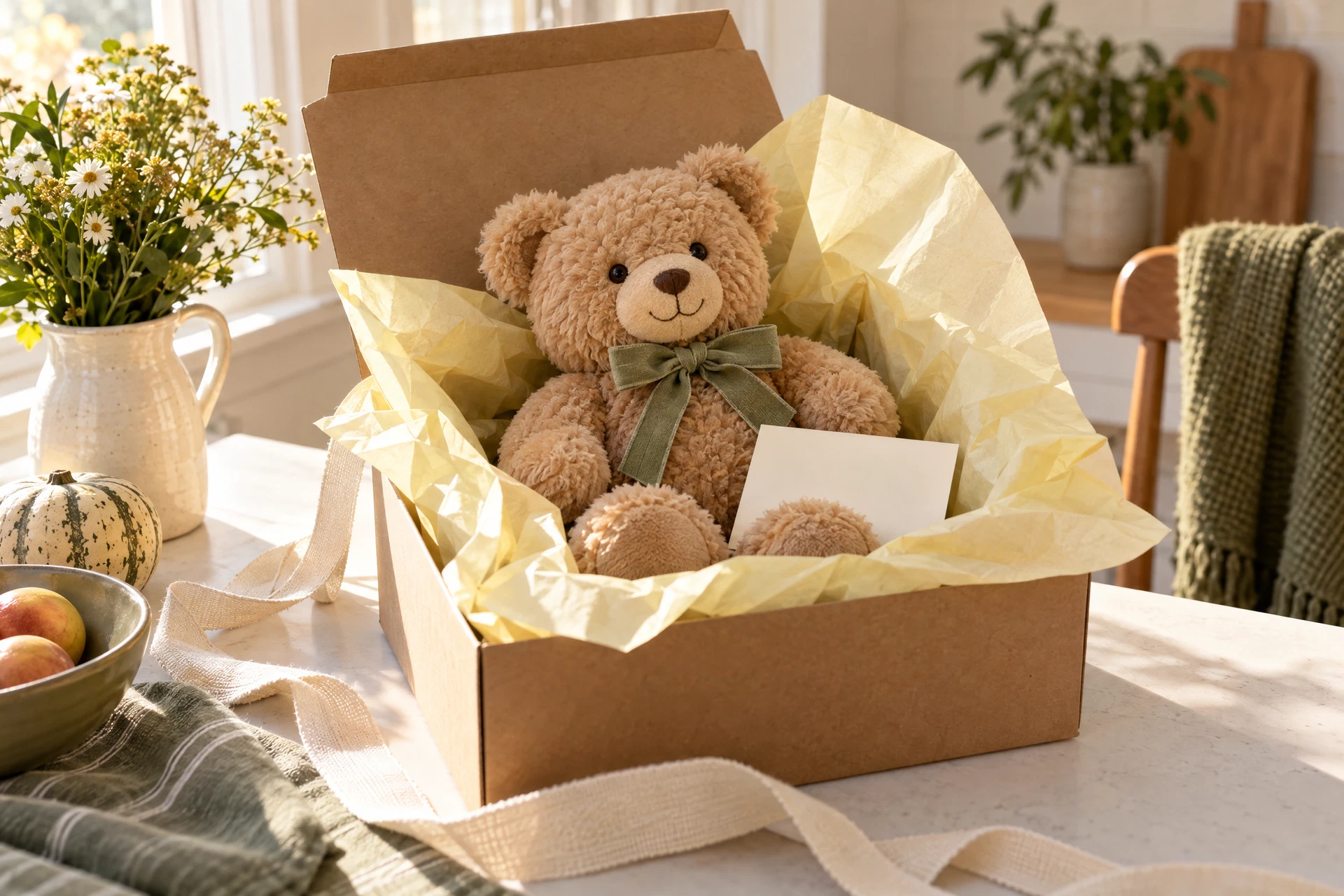
Packing plush gifts has two linked goals: protect the item from dirt, moisture and crushing, and present it so the recipient gets the same personality the toy had on your shelf. A plush's charm comes from its texture, pose and expression; flattening or over-compressing removes much of that. Thoughtful packing means choosing materials and techniques that cushion without smooshing, and wrapping in a way that preserves tactile details like ribbon bows, embroidered faces or floppy limbs.
Before you reach for boxes and tape, make a quick decision checklist: how fragile are accessories; will the plush travel long distances or be hand-delivered; does the recipient expect a pristine unboxing presentation or a simple protective wrap? That short assessment guides whether you focus on display-oriented presentation, heavy-duty transit protection, or a mix. Keep the manufacturer's care label in mind and follow its advice for handling and cleaning—this will inform whether you can use certain wraps or need separate instructions for the recipient.
Assess the Plush Before Packing
Start with an inspection: check seams, removable accessories, embroidered versus glued-on features, and any foam or wire inside. Make a list of problem points—loose threads, shiny plastic eyes, glued bows—that need special protection. For instance, a plush with button eyes may benefit from a soft barrier inside the box, while a stuffed animal with sewn-in felt petals might need extra cushioning around the head so the petals keep their shape.
Decide whether accessories travel attached. If a toy has a detachable hat or removable pacifier, either secure those items with a small fabric tie or pack them separately in a labeled pouch. This avoids lost pieces and prevents heavier items from pressing into softer areas. Keep the care label visible and follow its directions for handling—this will also help you decide if you can use adhesive labels directly on fabric or must attach tags to packaging instead.
Choose the Right Container
Boxes give the most protection; soft mailers are lighter but allow more compression and potential crushing during transit. Select a rigid box with at least two inches of clearance on all sides when the plush is gently fluffed to its intended volume. If the gift is being presented in-person and you want a decorative reveal, a shallow gift box with a clear top or tissue-lined interior can maintain shape and look polished.
For oversized or very soft plush toys, consider a tall upright box so the item can sit without folding. Reinforce corners and seams of the box with tape to resist crushing. If you must use a poly mailer, stabilize the toy inside by inserting a lightweight backing board or a thin cushion around delicate areas, and never compress the plush flat to make it fit—the resulting creases can be hard to remove.
Stuffing and Support: Keep the Shape
Use soft but supportive fillers to keep contours. Crumpled acid-free tissue paper, cotton batting, or crinkle paper work well for small gaps; bubble wrap or soft foam sheets are better for maintaining roundness in heads and limbs. Place cushioning material inside limbs or cavities where fabric sags; a small amount of batting pushed into an ear or paw will help restore a natural contour without adding bulk.
Avoid over-packing. The goal is to support, not to stretch. If you add too much filler the seams can be stressed and the toy can look unnaturally puffed. A gentle finger test—press and release different areas—helps you judge whether the plush will hold its intended shape when removed from the box. If it compresses too easily, add a layer of protective padding on top, not more stuffing inside the plush.
Protect Delicate Features
Safeguard embroidered faces, ribbons, glued trims and plastic parts. Wrap delicate areas with tissue paper or a soft fabric wrap before adding bulk cushioning around them. For example, fold a square of tissue over a bow and secure with a small sticker away from the fabric, or slip a thin foam strip behind button eyes to prevent pressure during transit.
If features are removable, tuck them into a labeled small zip bag and place the bag on top of the packed plush so it’s not accidentally crushed. For items with wire or poseable elements, lock the pose with a soft wrap or use a removable cardboard stay to avoid bending. Always avoid direct adhesive contact with fabric—use tags or external labels instead.
Sealing, Labeling and Presentation
A tidy seal helps shipping and creates a pleasant unboxing for gift recipients. Wrap the plush in an outer layer of tissue or a reusable gift bag, then place it in the chosen container with cushioning layers around it. Use tape sparingly on external packaging and never stick tape to the plush itself—adhesive can pull fibers and leave residue. If you want a decorative ribbon, add it once the recipient opens the box rather than tying tightly beforehand.
Label clearly for delivery and include a small note or care instructions inside. If the plush requires special handling—'Fragile: Do Not Crush'—place a sticker on the exterior of the shipping box, but know that stickers don’t guarantee gentle handling. For in-person gifting, present the plush in a breathable fabric bag or tissue-lined box so the recipient sees and feels the texture immediately upon unwrapping.
Common Mistakes and How to Avoid Them
Compressing plush to fit a smaller box is a frequent misstep. Compressed packing flattens pile and can leave permanent creases. Measure the toy and choose a container that maintains its natural volume. If budget or shipping size is a concern, consider alternative solutions such as shipping in a more protective parcel but offering local pickup or hand delivery for presentation-sensitive items.
Using heavy plastics or rigid inserts directly against fabric is another error. Materials like corrugated cardboard may help structure a package, but when placed inside or against a plush without a soft barrier, they can create hard spots that show through the material. Always cushion hard supports with a layer of soft tissue or batting to create a smooth interior surface.
Small Example: Packing a Ribboned Bear for Shipping
Example checklist: 1) Inspect bear and tie ribbon loose or remove and place in a small bag. 2) Fluff bear to desired appearance and measure width/height. 3) Choose a box with two inches clearance around the bear. 4) Line box bottom with a layer of tissue and add loose crinkle paper for a soft bed. 5) Place bear upright, tuck small batting into paws and behind the head, and wrap delicate ribbon in tissue before reattaching in the box.
Finish by filling remaining space with more crinkle paper to prevent shifting, place a printed care note and greeting card on top, and close the box. Seal the box edges, attach the shipping label to the box top, and add a 'Do Not Crush' sticker if desired. This approach preserves the bear’s ribboned look and reduces the likelihood of deformation during transit.
Special Cases: Long Transit and International Shipping
Long journeys mean more handling and more potential for moisture exposure. Add a breathable moisture barrier such as a clean plastic-lined bag around the plush, but avoid airtight wrapping that traps humidity and can create odors. Include silica gel packets or a small desiccant pouch outside the plush but inside the box to reduce moisture risks—never place desiccants directly against dyed fabrics without a soft barrier.
International shipments may face rougher handling and customs inspections; pack with extra padding around delicate faces and seams, and use a sturdy double-walled box where possible. Include an internal inventory sheet that lists components and attachments so if a customs officer opens the package for inspection, it’s easy to repack without missing parts. For buyers seeking multiple units or business-level orders, review wholesale options and inquiries on the wholesale page to guide larger shipments and packaging strategies.
Aftercare Notes for the Recipient
Include a short aftercare card inside the package that repeats the manufacturer’s label instructions and suggests gentle fluffing or spot-cleaning tips where appropriate. A brief note about how to restore the toy—light steaming from a safe distance or air-fluffing in a dryer on a low/no-heat setting if recommended by the label—helps recipients revive the plush after unboxing, but always urge them to check the exact care label first.
Provide contact options in case the recipient has questions about packing or condition on arrival; for example, a customer-facing contact link to ask about handling or to request replacement accessories can reduce confusion. If you sell multiple designs, consider pointing recipients to a collections page like the Bears collection for coordinating items or to the care page at our care guide for further handling suggestions. Businesses packing many gifts may want to coordinate through the the contact page page for bulk packing guidance.
Explore the details before choosing
Take a closer look at Bears, review our plush and clothing care guidance, or ask about specifications and availability before making an order request.