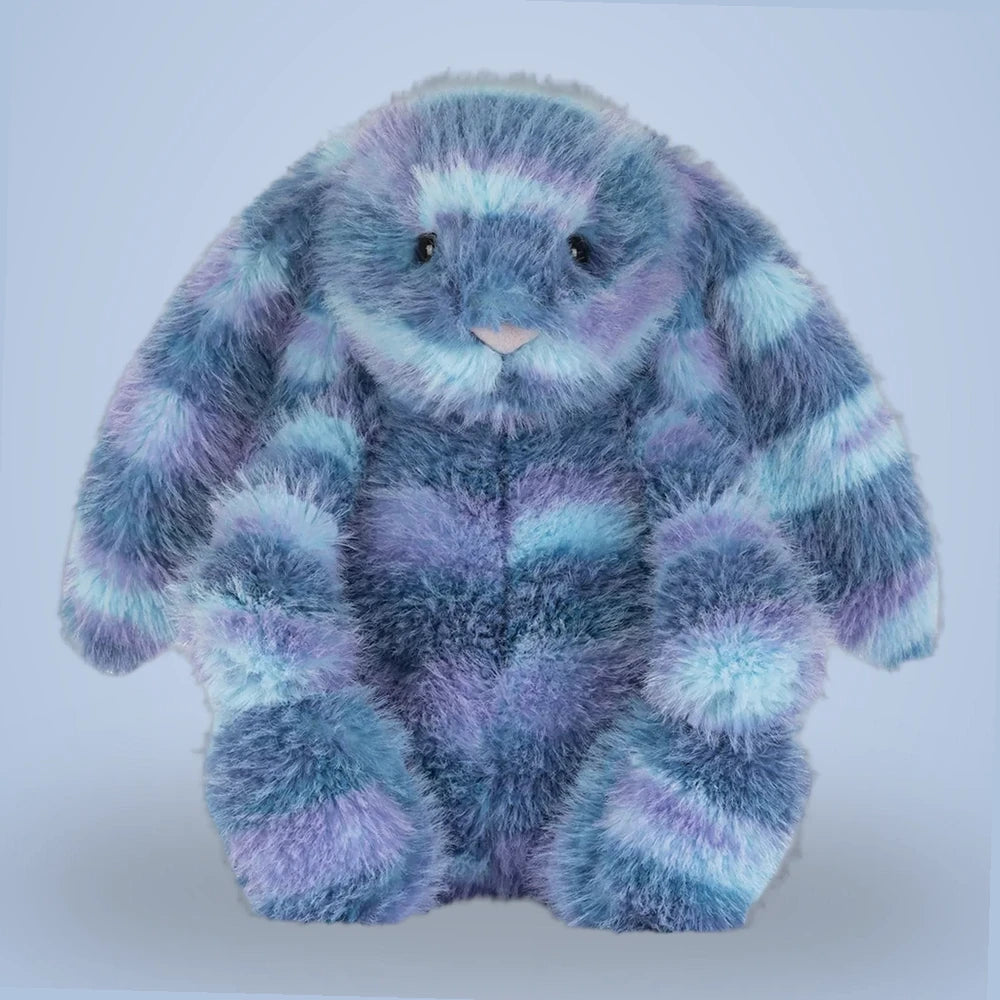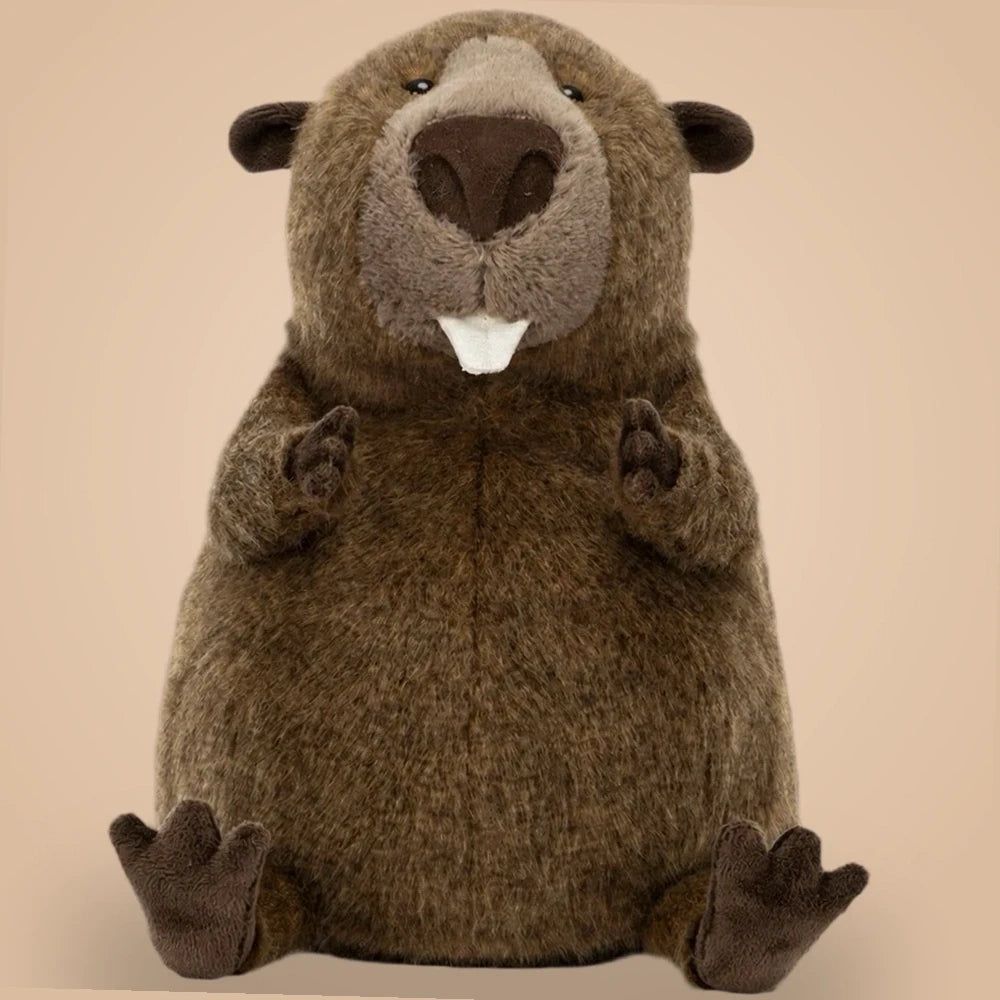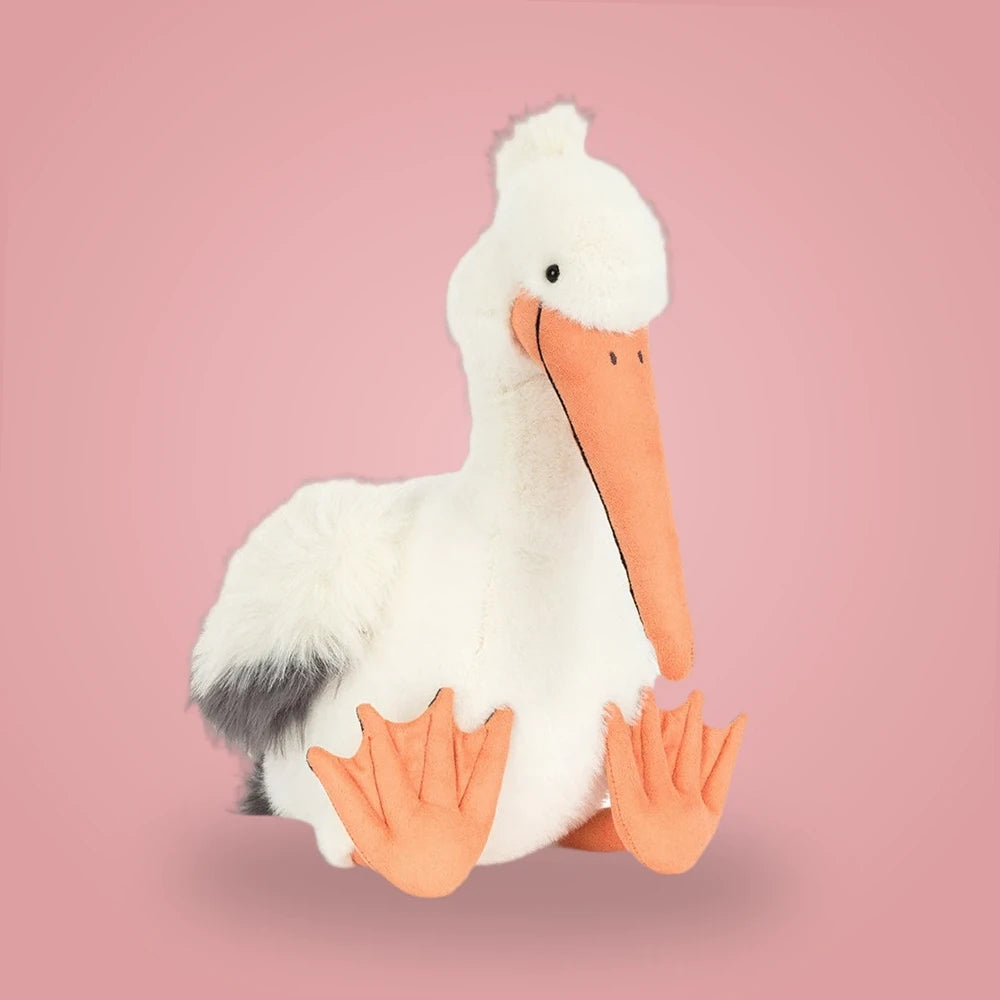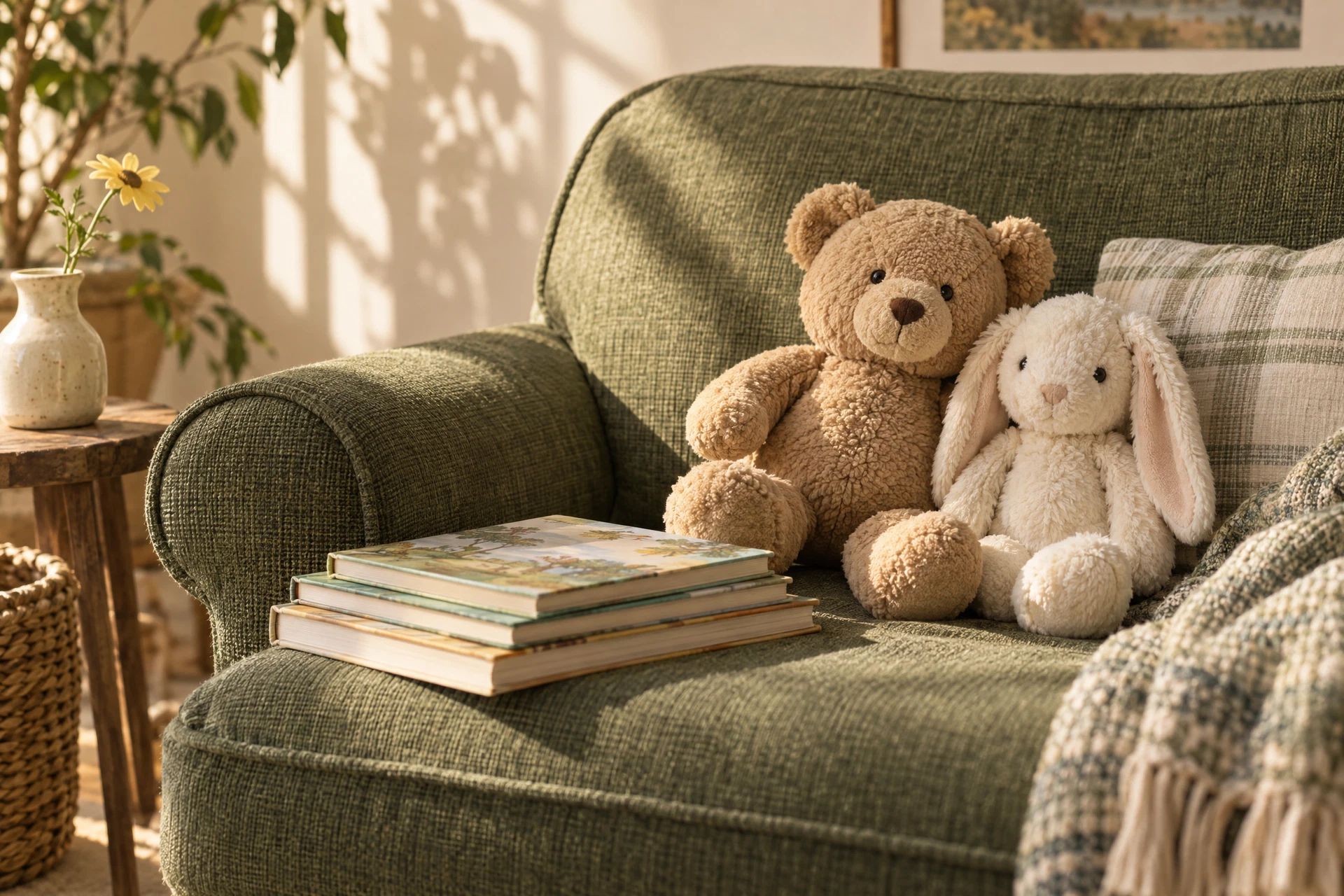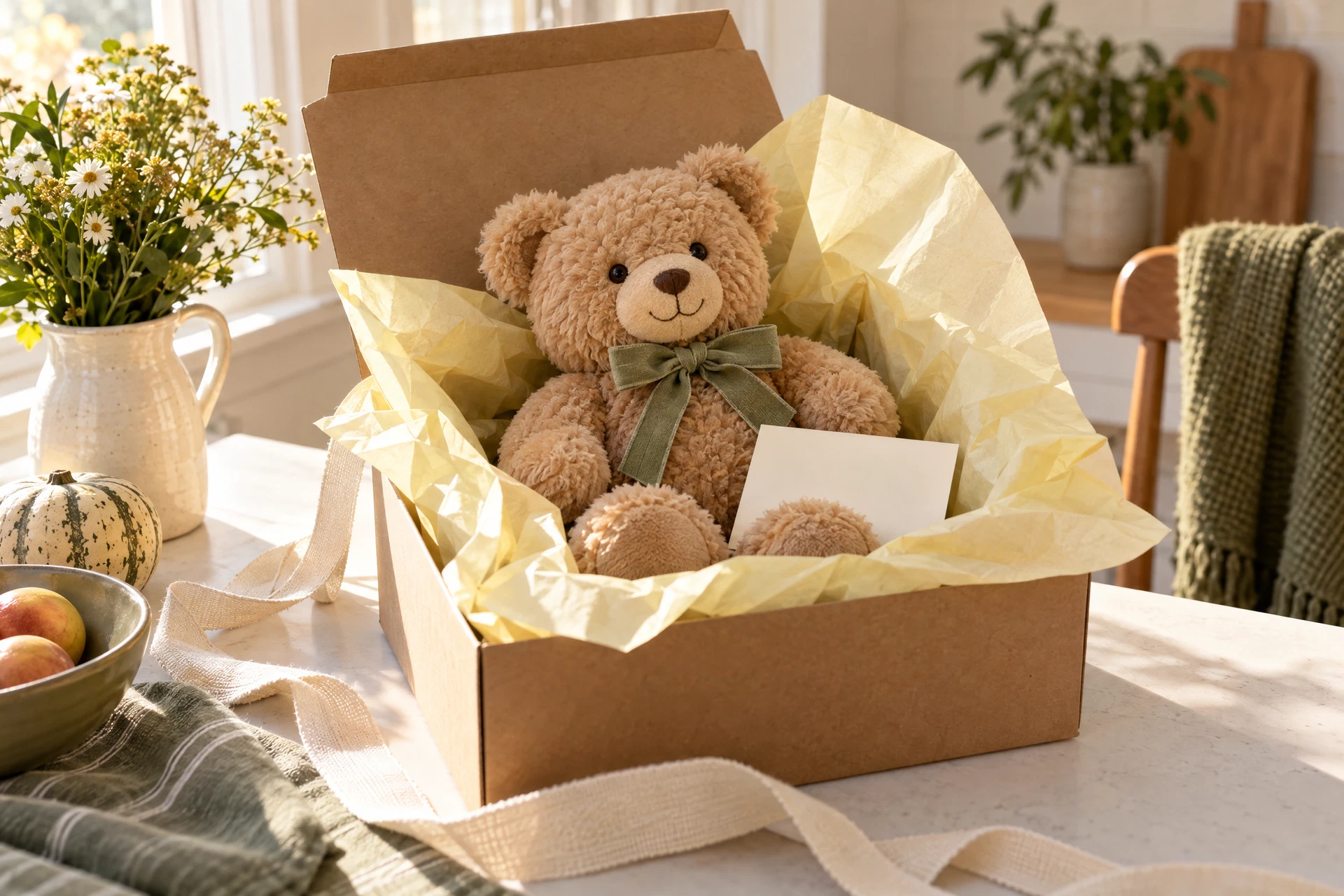
Pairing plush with books is a tactile strategy that turns a browsing stop into a thoughtful gift moment. A focused plush book retail display does more than show products side by side — it tells a little story and removes friction for customers who want a ready-made gift, themed purchase, or sensory shopping experience. The visual and textural combo helps shoppers imagine the recipient using the items together, which shortens the decision path and increases the likelihood of an immediate purchase.
This article concentrates on the practical decisions behind such displays: which plush to pair with which titles, how to size and place the kit, and how to guide customers without interrupting the store’s overall flow. I’ll walk through layout templates, merchandising rules of thumb, sample pairings, signage wording, inventory checklists, common mistakes to avoid, and a short actionable example you can implement in a day.
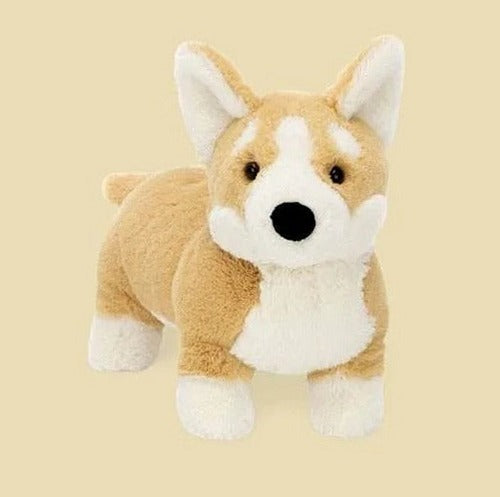
Define the display’s purpose and target customer
Start by naming the display’s purpose: are you creating a birthday gift station, a bedtime bundle, a museum-themed souvenir, or a holiday seasonal corner? The target purpose narrows the selection of both books and plush. A birthday-focused display should favor celebratory picture books and bright, cheerful plush; a winter holiday corner would feature gift-ready wrapping, holiday stories, and plush that reads as cozy or collectible.
Identify the typical buyer: quick impulse buyers, parents on a time crunch, tourists looking for a local keepsake, or gift-givers seeking a present for an older child. Each group needs different merchandising cues. Impulse customers benefit from clearly priced combos and small, finished sets; parents appreciate clear age and content cues on the book face and plush that are easy to inspect. Name the customer on a planning sheet and use that persona when choosing stock and signage.
Select complementary pairings, not every match
Resist the urge to pair every plush with every book. Pick combinations that communicate a clear story: an ocean-themed story with a soft whale, a farm book with a felt barnyard cow, or a construction-themed title with a plush dump truck. The connection can be direct (same character) or thematic (shared habitat, color palette, or mood). Too many loose associations dilute the offer and confuse shoppers.
Use a simple rubric to choose pairs: visual match (color/size), thematic match (subject/setting), tactile match (softness/texture appropriate for the story), and price tier alignment (don’t pair a $5 picture book with a $60 plush without explaining the value). Score each possible pairing on these factors and prioritize those with at least three strong points. This keeps the display coherent and helps you avoid mismatched combinations that look accidental.
Display layouts that guide the eye
Three layout templates work well: the vignette trio (one book, one plush, one accessory), the tiered bookshelf (books on back, plush in front at varying heights), and the gift shelf (pre-bundled, wrapped or boxed sets). Vignette trios are compact and visually clear on endcaps; tiered bookshelves maximize vertical space while keeping items visible; gift shelves communicate ready-to-buy convenience.
Use height and depth intentionally. Place the book cover at eye level with the plush slightly forward and lower so the shopper can see both elements at once. If using shelving, add inexpensive risers or bookends to keep small plush from being hidden. Leave breathing room around each pairing so the eye reads them as a unit rather than part of a crowded mass.
Pricing, packaging and signage that reduce friction
Customers often abandon a purchase when they have to do math or ask staff about price. Use clear pricing: label the book, label the plush, and show a combined price if you’re offering a bundle discount. For a quick decision path, offer a single SKU for pre-bundled items so cashiers can ring them up in one step. If you can’t create a combined SKU, make the discount obvious on a tag that says “Bundle: Save $X” with the component prices visible.
Signage should include the target recipient and an action-oriented hint: “Gift for New Readers,” “Bedtime Set,” or “Museum Keepsake.” Avoid long copy; a one-line benefit plus price works. Include a small note to direct shoppers to further product care or sizing details and link on your online channels — for example the store’s care page — rather than trying to summarize every label on the tag.
Inventory and restock workflow
Track paired inventory separately from individual units. When a bundle sells, it removes components from inventory differently than single-item sales. Keep a replenishment card either physically behind the display or in your point-of-sale system that states: pair SKU, book SKU, plush SKU, and preferred reorder lead time. This prevents the display from looking depleted and avoids the awkwardness of a lone plush sitting without its book.
Schedule a quick morning check to tidy plush, straighten books, and confirm bundle quantities. If staff are limited, set the rule that any display with fewer than three complete pairs gets reset to a basic single-theme shelf until a full restock is possible. For larger stores, consider a daily low-stock alert for top-selling bundles so you can reorder proactively.
Common mistakes and how to avoid them
A frequent mistake is overcrowding: stuffing too many plush into a small space makes the display look chaotic and devalues the perceived quality of both items. Avoid this by limiting each display module to three to five pairings with consistent spacing. If you have a large assortment, rotate featured pairs weekly rather than displaying everything at once.
Another error is mismatched price perception: pairing a premium plush without context next to a low-cost book confuses customers about value. If you want to include higher-priced plush, use premium signage and separate those sets onto a dedicated shelf with clearer messaging about what makes the pairing special — collector appeal, higher-quality materials, or an author tie-in — and always make the price obvious.
Care messaging and product handling at point of sale
Shoppers often ask about cleaning plush. Don’t attempt to summarize all care rules — instead, direct customers to check the individual manufacturer’s label and provide a printed or digital care reference if you keep one in-store. A small sign reading “Check label for care instructions” is better than paraphrasing, and you can offer to photograph a label for a customer who wants to confirm home care later.
Train staff to handle plush respectfully when demonstrating texture or size. Encourage them to mention care only if the customer asks and to avoid definitive claims about machine washing or sanitizing unless those specifics are printed on the product. Clear handling reduces wear on display samples and maintains an attractive presentation.
An actionable one-hour implementation example
Set a 60-minute task list to build a small endcap: 0–10 minutes, choose the theme (bedtime stories) and three books; 10–25 minutes, select three plush that visually and thematically match the books; 25–40 minutes, assemble pairs using risers and small props like a tiny blanket or a nightlight model to suggest use. Photograph each finished pairing for your online thumbnail and POS reference.
40–55 minutes, create simple tags: one-line benefit, component prices, bundle price if applicable, and care reminder to check labels. 55–60 minutes, adjust lighting and add a single call-to-action sign such as “Ready to Gift: Bedtime Sets.” This quick process yields a coherent, attractive display you can duplicate for other themes and track for performance.
Measuring success and iterating
Decide on two practical metrics: units sold per week from the display and conversion rate (display views to purchases if you can approximate foot traffic). Track those for four weeks and then compare to the same period before the display was installed. If sales are low but traffic is high, test clearer signage or a different price point; if traffic is low, try moving the display to a busier route or endcap.
Collect small qualitative data too: ask cashiers if customers comment on the combos and note repeat purchases. Use that feedback to swap underperforming pairs for stronger thematic matches from your back stock, and document which pairings consistently sell together — these are good candidates for permanent bundling or cross-promotion on your wholesale or product pages such as the animal-themed collection on your collections page.
Explore the details before choosing
Take a closer look at Animal Friends, review our plush and clothing care guidance, or ask about specifications and availability before making an order request.