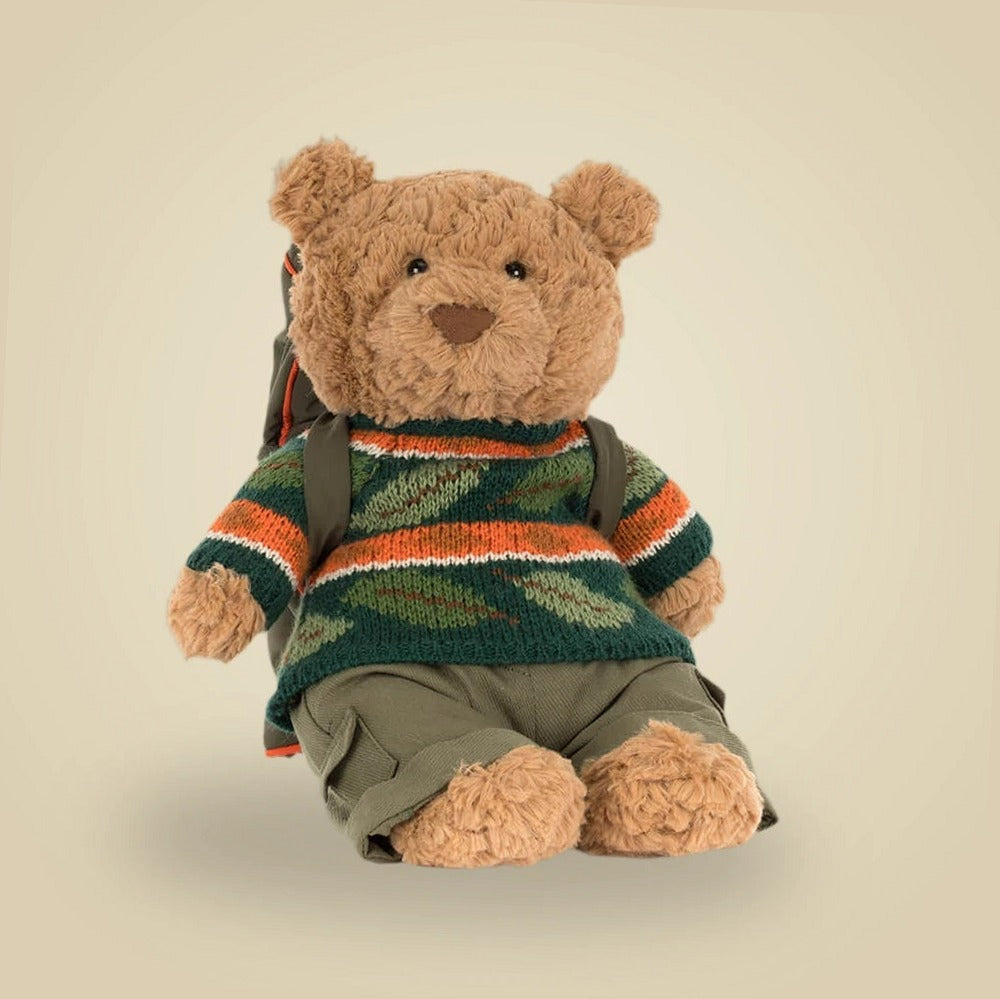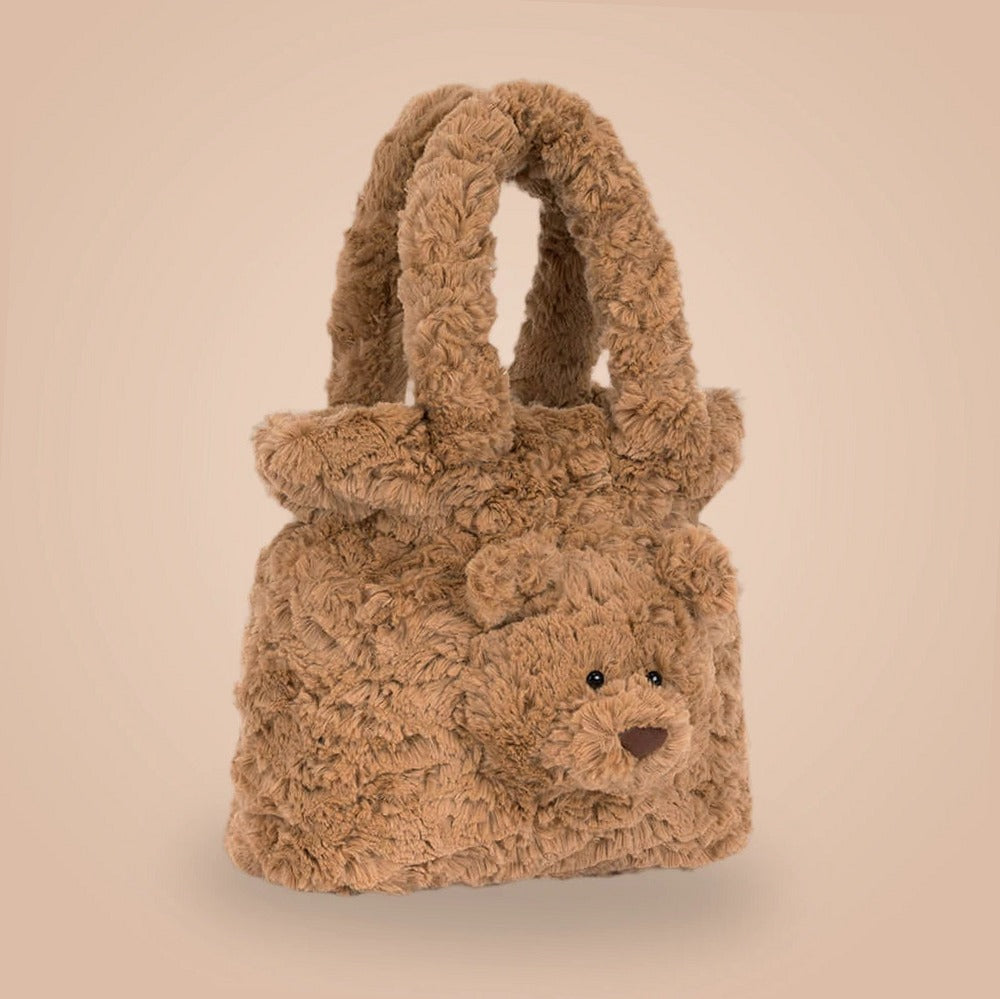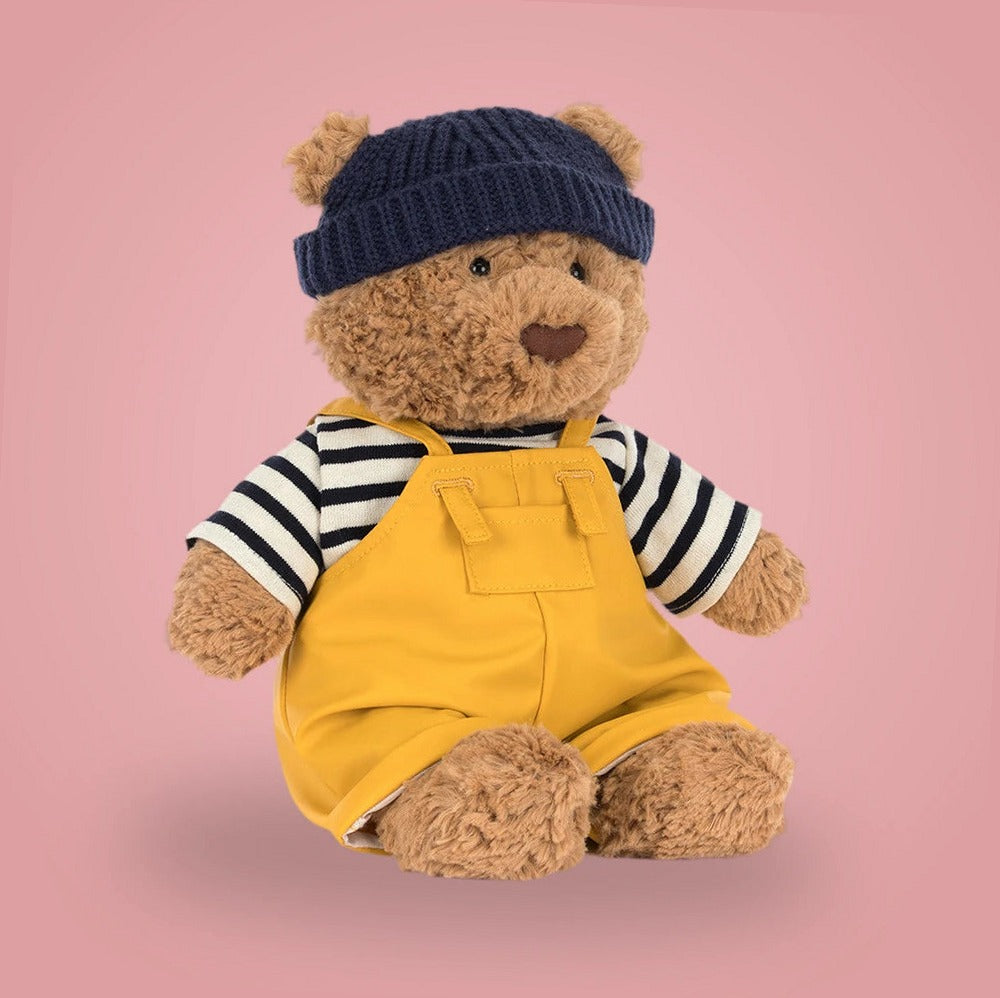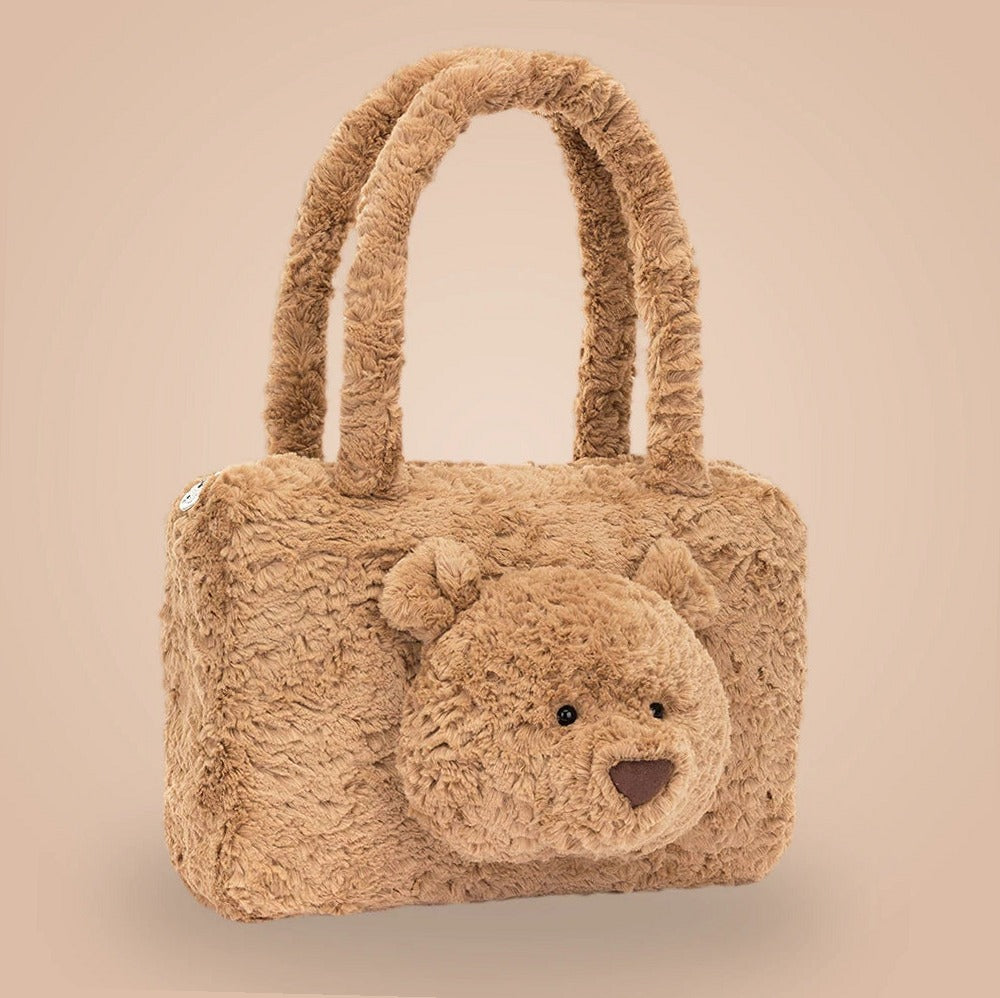
When shopping for plush—whether you’re picking a single collectible bear, stocking a storefront, or sourcing for an event—understanding how price and availability interact will save time and money. Plush price availability questions are about more than sticker numbers: they reveal supply chain rhythms, seasonal pricing, and seller flexibility. Start by separating the factors you control (order size, timing, payment terms) from the ones you can only inquire about (manufacturer production runs, distributor restocks).
A useful first step is to prepare a short list of concrete questions you can ask any seller or manufacturer. These should cover current stock, expected restock dates, pricing tiers, minimums, return and cancellation policies, and lead times. Keep a written record of answers and compare them side-by-side—buyers who document responses avoid repeating the same conversations and can identify trends in responsiveness and transparency.
Ask specific availability questions, not general ones
General questions like “Is this in stock?” are a start, but they don’t give you the context you need. Instead, ask whether stock is available at the seller’s warehouse, at a regional distribution center, or only at the manufacturer. If you’re buying multiple units, clarify whether the inventory shown is a total available quantity or a per-location count. A small shop may display an item as available online while the nearest fulfillment center is empty.
Request concrete timelines: when was the last restock, when is the next expected shipment, and are there open production slots for custom runs? If the seller offers backorders, check how they communicate expected ship dates and whether they charge immediately or upon shipping. These details influence whether you accept a pre-order or switch to a different SKU with similar characteristics.
Distinguish between list price, street price, and negotiated price
List price (MSRP) is a baseline, but street price—the price most customers actually pay—often reflects discounts, promotions, or marketplace competition. When evaluating a quote, ask the seller to itemize any line items beyond the base price: shipping, handling, insurance, packaging upgrades, and fees for rush orders. For wholesale inquiries, request a sample invoice that shows how the total breaks down at different order sizes.
If negotiation is possible, know your leverage beforehand: larger orders, off-season purchases, and willingness to accept slightly older SKUs can all justify lower prices. Have a target price and a walk-away price. For a quick example, if a plush unit is listed at $25 and your target landed cost is $18, prepare to ask for volume discounts, extended payment terms, or bundled promotions that close the gap.
Understand minimums, MOQs, and bundle requirements
Sellers and manufacturers often set minimum order quantities (MOQs) for pricing tiers. A common buyer mistake is assuming retail prices apply to small wholesale orders. Ask what the MOQ is for each price tier and whether mixed-SKU orders count toward that minimum. Some suppliers allow mixed bundles—say, ten units across three styles—to meet a MOQ, while others require ten identical units.
If MOQ is a barrier, explore alternatives: ask for sample packs, request to join group buys coordinated by other retailers, or look for distributors with lower minimums. Also inquire about incremental discounts: does a small increase in quantity unlock a significantly better unit price? That information helps evaluate whether stretching an order makes financial sense.
Check lead times, production runs, and seasonal effects
Lead time is the period between order placement and delivery; production run cycles and seasonality affect it. Popular plush items often have limited production runs tied to seasons or licensing windows. Ask how frequently the item is produced and whether the current offering is part of a single limited run or an ongoing SKU. Short production runs usually mean higher short-term prices and scarcity-driven premiums.
For seasonal planning, map expected lead times against promotional calendars. If you need stock for a holiday, count backward from the event date to set an order cutoff that includes manufacturing, shipping, customs clearance (if applicable), and in-store merchandising. When a seller gives an estimated lead time, request the data behind it—recent order-to-ship examples or shipment dates for previous months.
Confirm return, cancellation and price-adjustment policies
Before committing, clarify the seller’s policies for returns, cancellations, and post-purchase price adjustments. For bulk or custom orders, many suppliers have stricter or nonrefundable terms. Ask whether items can be returned for credit, if restocking fees apply, and how returns are handled for defective goods. This is a frequent source of dispute when expectations aren’t documented.
Also ask about price protection: if you place an order and the price drops soon after, will the seller honor the lower price or provide a partial refund? Some sellers offer short windows for adjustments; others do not. For clarity, request policy language in writing or a link to a terms page and keep that alongside your order confirmation.
Compare total landed costs, not just unit price
Unit price can be misleading if shipping, duties, and handling add significantly to the final cost. Calculate a landed cost that includes packaging, freight, insurance, and any import duties. For international suppliers, ask for freight estimates under different Incoterms and compare options: door-to-door versus port-to-port can change both price and lead time. A cheaper unit price may end up costing more once these factors are added.
Create a simple spreadsheet that lists unit price, shipping estimate, expected duties, and potential storage fees. Use this to compare offers from multiple sellers on an apples-to-apples basis. This exercise often reveals that a slightly higher unit price from a domestic distributor can still offer faster delivery and lower overall landed cost.
Spot common buying mistakes and what to do instead
One common mistake is buying based solely on low unit price without asking about availability constraints. Buyers sometimes find later that the low-price seller had limited stock and long lead times. Another misstep is ignoring the seller’s customer service responsiveness; slow replies predict trouble if issues arise. When comparing vendors, track response times and the completeness of their answers as part of your decision criteria.
Don’t neglect the labeling and care instructions—always check the manufacturer’s tag for recommended care and use, and confirm suitability for your intended customers. If the seller can’t provide clear care guidance, consider that a red flag: unclear care instructions can lead to higher return rates. If you need cleaning guidance for display or handling, list specific questions about cleaning methods and request written guidance from the manufacturer.
Practical negotiation checklist and an actionable example
Use this checklist when negotiating: 1) Ask for a written quote with itemized fees; 2) Confirm MOQ and whether mixed SKUs count; 3) Request recent lead times and next restock dates; 4) Get return and cancellation terms in writing; 5) Calculate landed cost and compare at least three suppliers; 6) Track seller responsiveness; 7) Ask for a sample before large orders if possible.
Actionable example: imagine you need 50 plush units for a retail event in 10 weeks. You receive two quotes: Supplier A offers $15/unit with MOQ 100, 12-week lead time; Supplier B offers $18/unit, MOQ 50, 8-week lead time. Applying the checklist shows Supplier B meets timing and MOQ. Negotiate with Supplier B by requesting a 10% discount for prepayment or asking Supplier A if they can split their MOQ or offer a small sample order with expedited production—this concrete comparison makes the decision data-driven rather than price-driven.
Where to go next: practical links and next steps
If you’re researching specific product families, start with focused category pages such as our plush bears collection at the Bears collection for style comparisons and tracking similar SKUs. When you receive a product, consult the care guidance on the manufacturer’s tag and visit our care guide for general handling resources, remembering to follow the exact label instructions for each item.
For direct availability or wholesale inquiries, use the appropriate contact channel—ask for written confirmation of lead times, MOQs, and return policies at the contact page or for bulk pricing details visit wholesale inquiries. Document every reply and attach it to your purchase order so that both parties have the same expectations.
Explore the details before choosing
Take a closer look at Bears, review our plush and clothing care guidance, or ask about specifications and availability before making an order request.