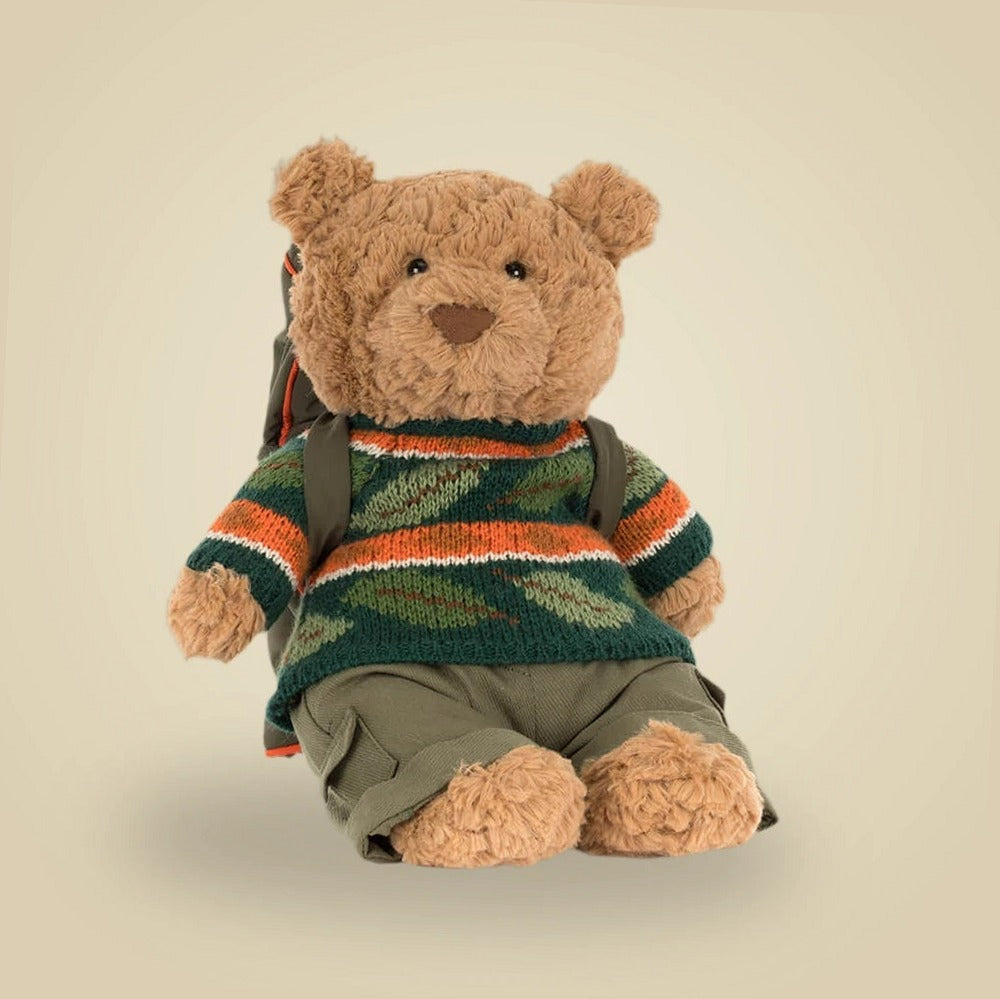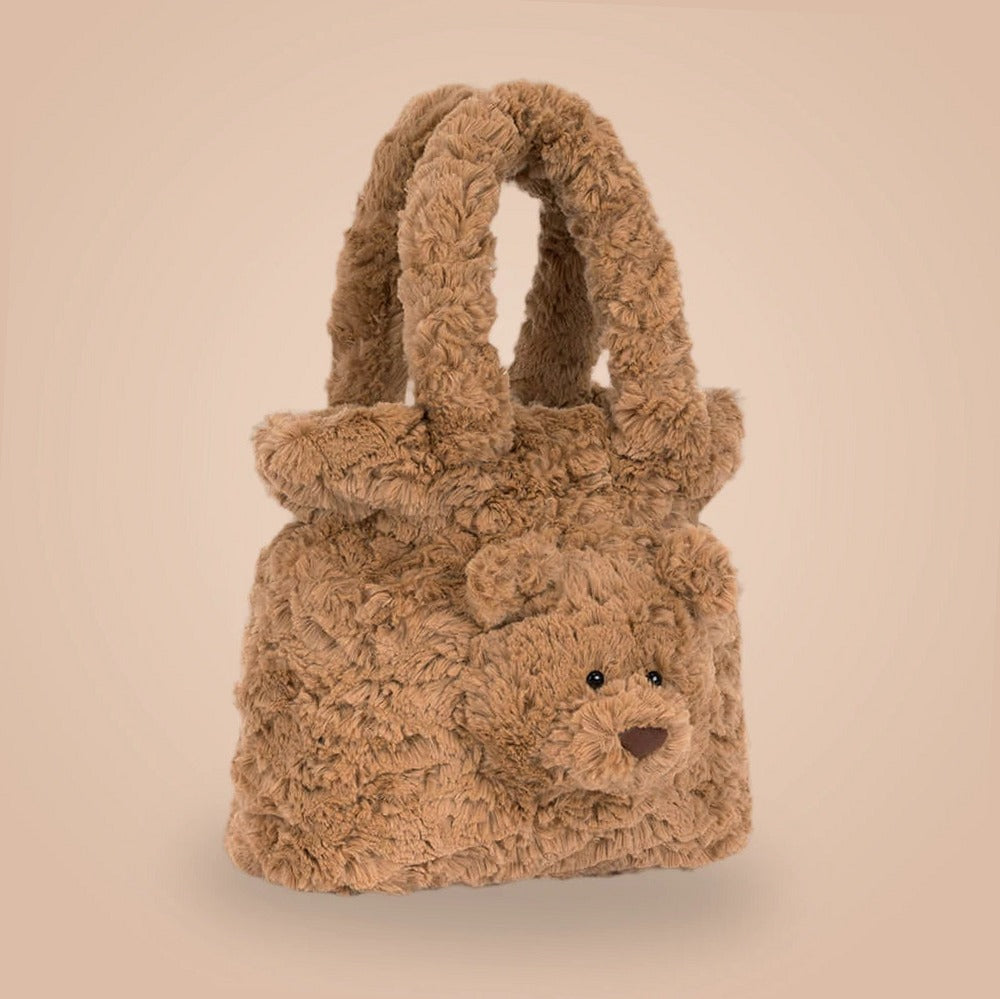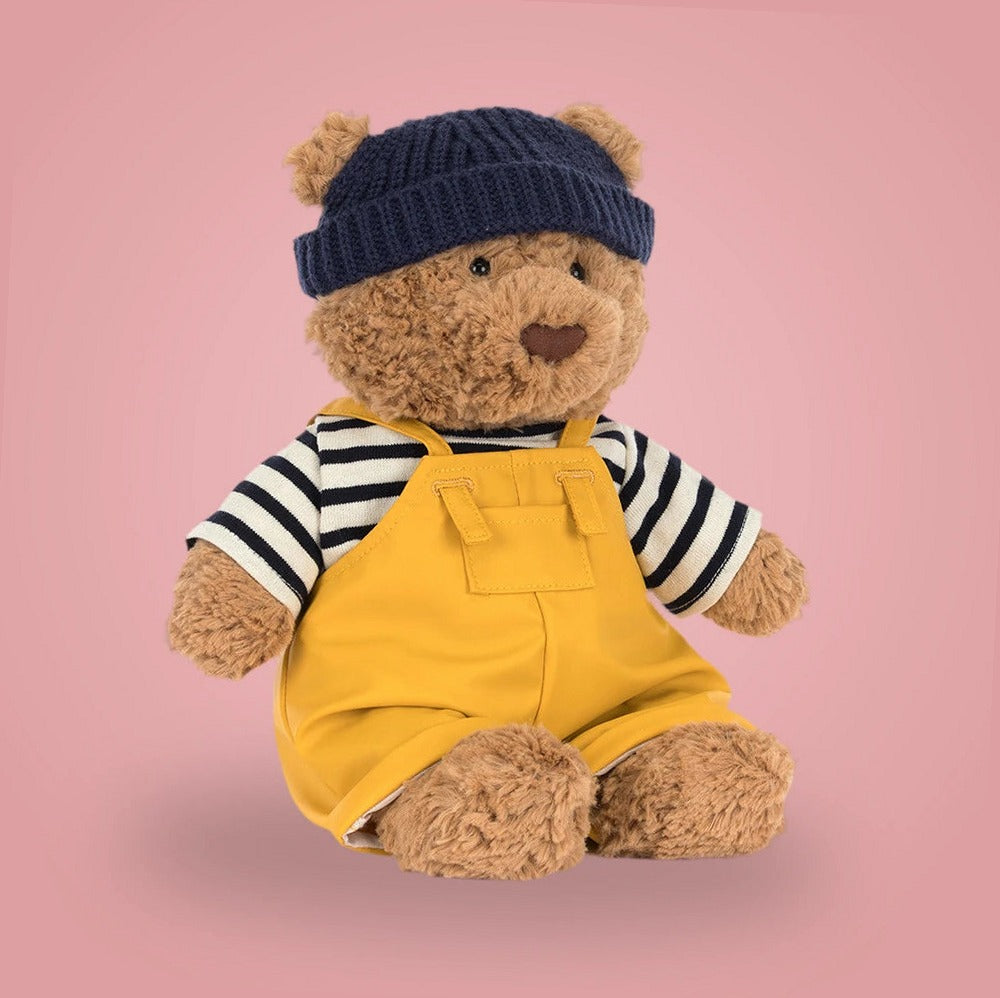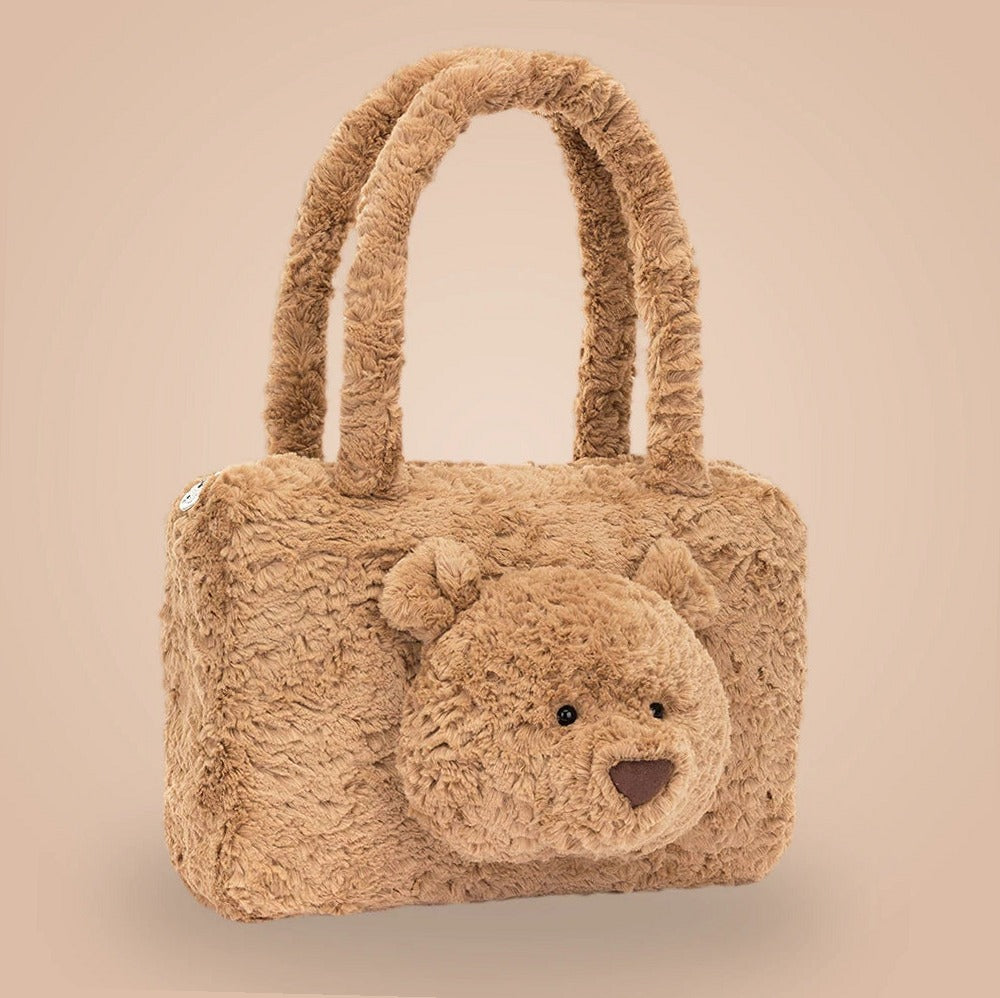
Shopping for a plush toy from a product listing means trusting photos and text to represent something you can’t touch. A practical plush product photo guide helps you read images for scale, seam quality, fabric pile, and closure types so you can decide whether an item fits your expectations. This guide walks through the visual cues and description elements that matter most when you evaluate plush products online.
I’ll focus on what buyers should look for in photos and product details: distinct shot types, fabric clues, stuffing and structure, label and safety information, and common listing omissions. Use the included checklists and a short example comparison to make side-by-side choices faster and more consistent. For more fabric care basics, see the care page linked here: "our care guide".
Why curated photos matter: what to prioritize
A plush product photo guide should start with the principle that certain shots answer common buyer questions faster than long paragraphs. Prioritize images that show the full front and back view, a close-up of the face and seams, a fabric texture shot, and a scale reference (an everyday object or a hand). These images reduce surprises about proportions, construction, and surface finish.
Also look for staged shots that show the product’s posture: is it floppy, semi-posed, or rigid? Photos where the plush is arranged naturally—sitting, lying, or being held—give you an idea of stuffing distribution and joint limitations. If a listing lacks these basic angles, request additional images or skip the purchase until those views are available.
Lighting, color accuracy, and true-to-life representation
Bright, neutral lighting is critical to assess true color and texture. A plush product photo guide recommends avoiding images with heavy color casts from warm indoor bulbs or intense filters; such photos can make a cream plush appear yellow or a gray plush look brown. Look for photos where shadows are soft and the color matches other reference images on the page.
If the listing provides a color swatch or compares the item to a common object (like a white card), use that as a color baseline. When in doubt, ask the seller for an unedited photo taken near a window or outdoors in indirect sunlight. This small step can prevent disappointment when the item arrives and the hue doesn't match expectations.
Textures, pile length, and fabric clues in close-ups
Close-up photos reveal pile length, weave direction, and whether fabric has a matte or shiny finish. In a plush product photo guide, train your eye to distinguish faux fur with directional nap (you’ll see light/dark variations when stroked) from short, velvety minky that reflects light evenly. Photos that include a ruler or coin help gauge pile length in millimeters or inches.
Also inspect close-ups for brushed edges or loose fibers near seams—these can signal delicate finishes or future shedding. If you notice irregularities, ask what fabric was used and how the manufacturer finishes cut edges. This is especially important if you prefer durable, low-shed plush for frequent handling.
Seams, stitching, and structural details
Photos of seams and internal joins tell you about durability. A useful plush product photo guide points buyers to images showing double stitching, reinforced stress points (like limb attachments), and hidden closures for cleaning or stuffing adjustments. Ask for macro shots of the seam lines if images are insufficient: uneven stitching or visible gaps often predict quicker wear.
Also check for visible internal hardware: buttons, plastic eyes, or glued elements should be shown clearly. If eyes and noses are sewn on or embroidered, that may suit active play better than glued components. For collectors who display plush rather than use them, some glued trims are acceptable, but the listing should state how features are attached.
Labels, care guidance, and safety information
A thorough listing includes a legible photo of the product’s care label and any safety tags. In this plush product photo guide, look for images that show manufacturer-recommended care symbols or printed instructions. These photos let you confirm whether the plush can be surface cleaned, spot-treated, or if it recommends professional care. Always check the individual manufacturer’s label before cleaning.
In addition to care guidance, look for tags mentioning filling type and country of origin if that matters to you. A tag close-up can also reveal compliance icons or small-print warnings that the description might omit. When regulatory or safety information is absent, treat the listing as incomplete and request clarifying images or text from the seller.
Scale, posture, and practical size comparisons
A recurring buyer mistake is assuming listed dimensions tell the whole story. Photos showing the plush next to a standard object—like a cereal bowl, a paperback book, or a hand—give a realistic sense of volume and presence. This plush product photo guide encourages sellers to include multiple scale references across different poses to capture the way stuffing compresses or fluffs out.
Consider how the item will be used: for shelf display, you may want a firmer posture and taller height; for cuddling, a softer, more compressible fill is preferable. When photos show the plush being held or worn (as a shoulder buddy or lap companion), it’s easier to judge whether the piece will behave as you expect during daily use.
Common listing mistakes and red flags to avoid
Some repeat problems appear across listings: single-angle photos, inconsistent color across images, missing care labels, and vague material descriptions. This plush product photo guide advises buyers to flag listings that lack at least one close-up, a scale reference, and a care label photo. Such omissions frequently hide issues you only discover after purchase.
Another red flag is heavy retouching: overly smoothed surfaces or blurred seams can mask construction flaws. If a seller uses several heavily edited shots, ask for raw, unretouched images. Transparency in imagery reflects a seller’s willingness to be upfront about the product; when images are scarce or unclear and the seller won’t supply more, consider other options.
An actionable comparison example and quick checklist
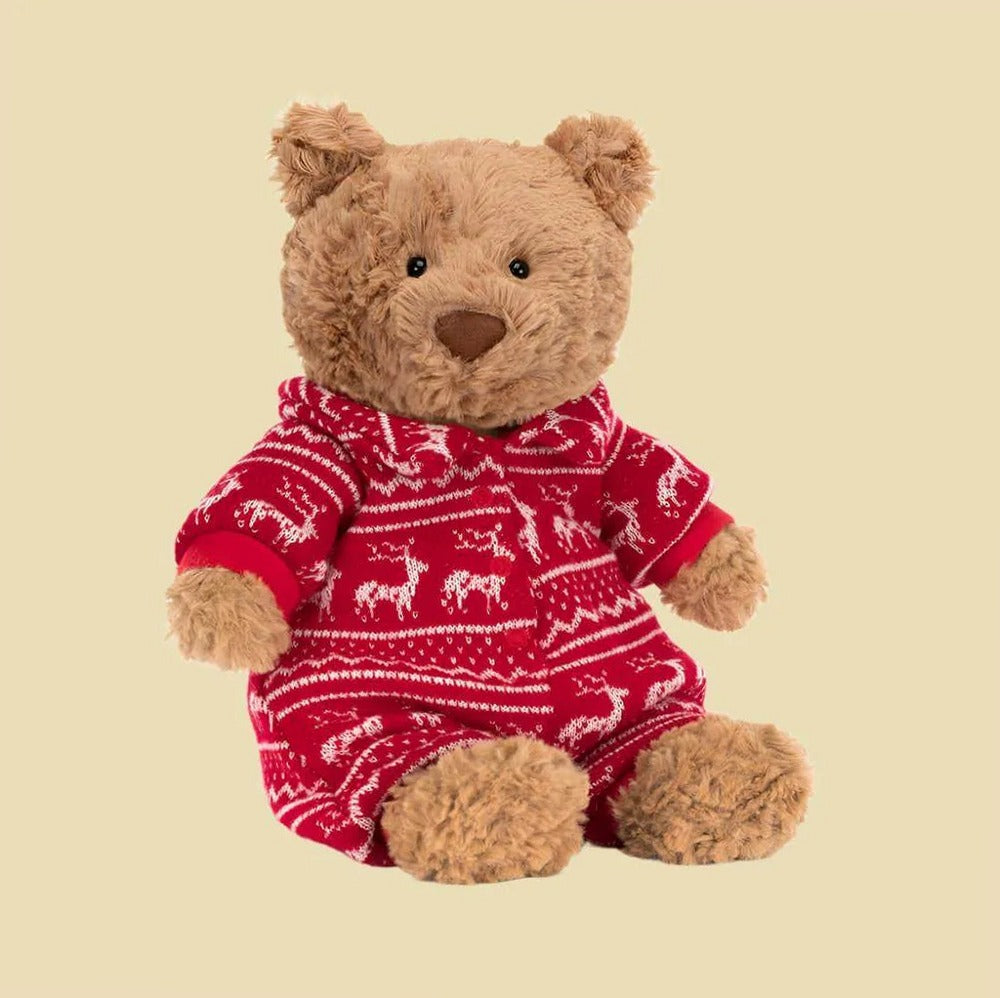
Put the guide into practice with a small example: compare two listings of a similar bear. Checklist questions: Are there front, back, face, seam, and scale photos? Can you read the care label? Do close-ups show uniform pile and secure stitching? Is the color consistent across images? If one listing answers all five and the other answers two, the former is the safer purchase.
Use this three-point quick checklist before you buy: (1) Visual completeness — at least five shot types: front, back, close-up, scale, and label; (2) Construction evidence — clear seam and attachment photos; (3) Care and safety — readable label photo or explicit care copy. If a listing falls short on any point, ask the seller for the missing photo. If they can’t or won’t provide it, consider moving on or using the contact page for a formal inquiry: "the contact page".
Where to look next: specialty pages and bulk considerations
If you’re comparing specific categories, use curated collection pages that group similar styles for easier side-by-side evaluation—bears, for example, often vary mainly by fabric and posture, so a focused category helps. For a start, see the curated bear assortment here: "the Bears collection". That helps narrow choices while applying the photo checklist consistently.
If you’re buying multiple units or considering reseller quantities, request batch photos and ask whether images represent a single sample or the production line. For wholesale scenarios, review the wholesale inquiry route on the site and ask for production variance photos and repeatability assurances: "wholesale inquiries". Remember that bulk purchases make clear imagery and accurate descriptions more critical since returns or exchanges are harder to manage.
Explore the details before choosing
Take a closer look at Bears, review our plush and clothing care guidance, or ask about specifications and availability before making an order request.