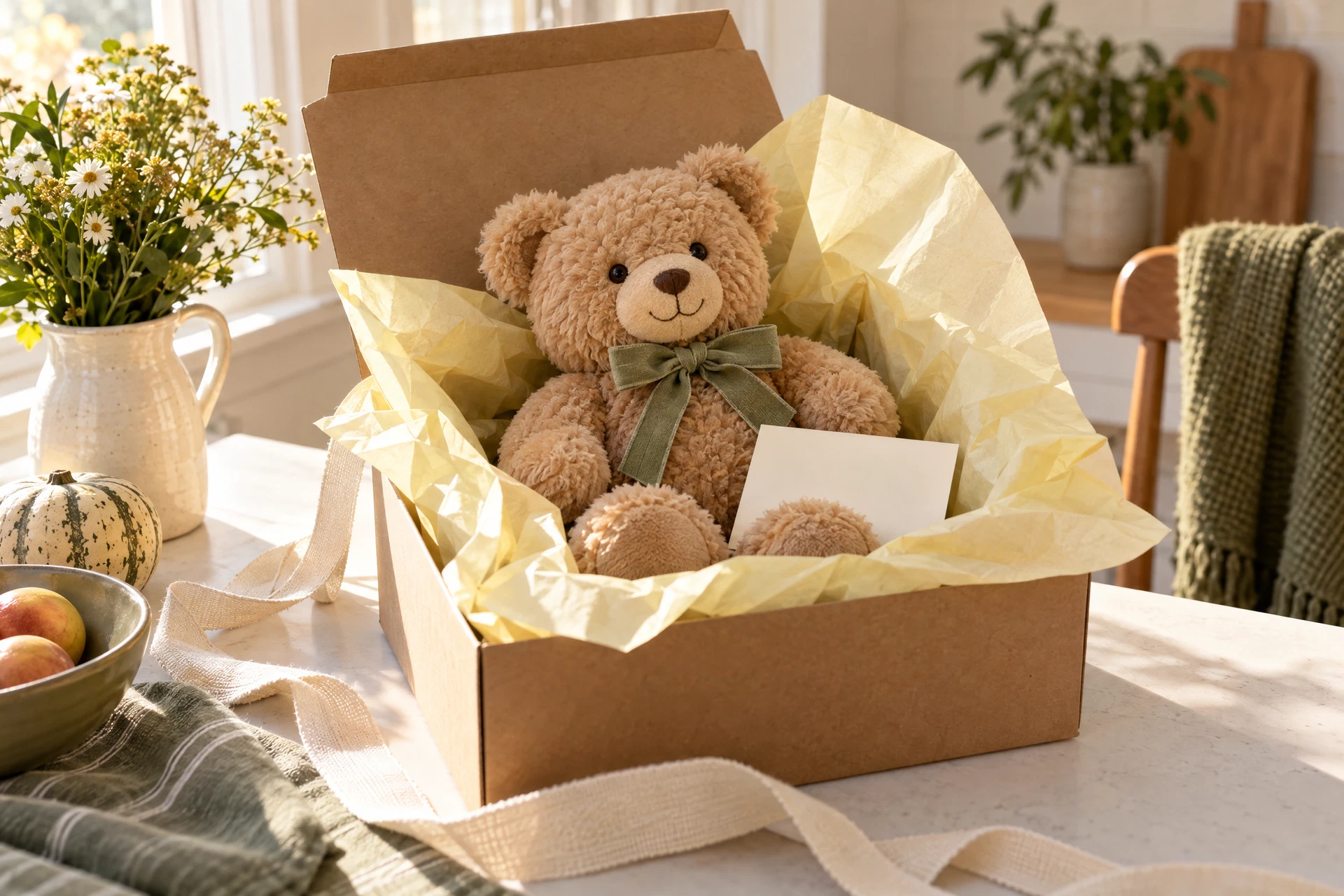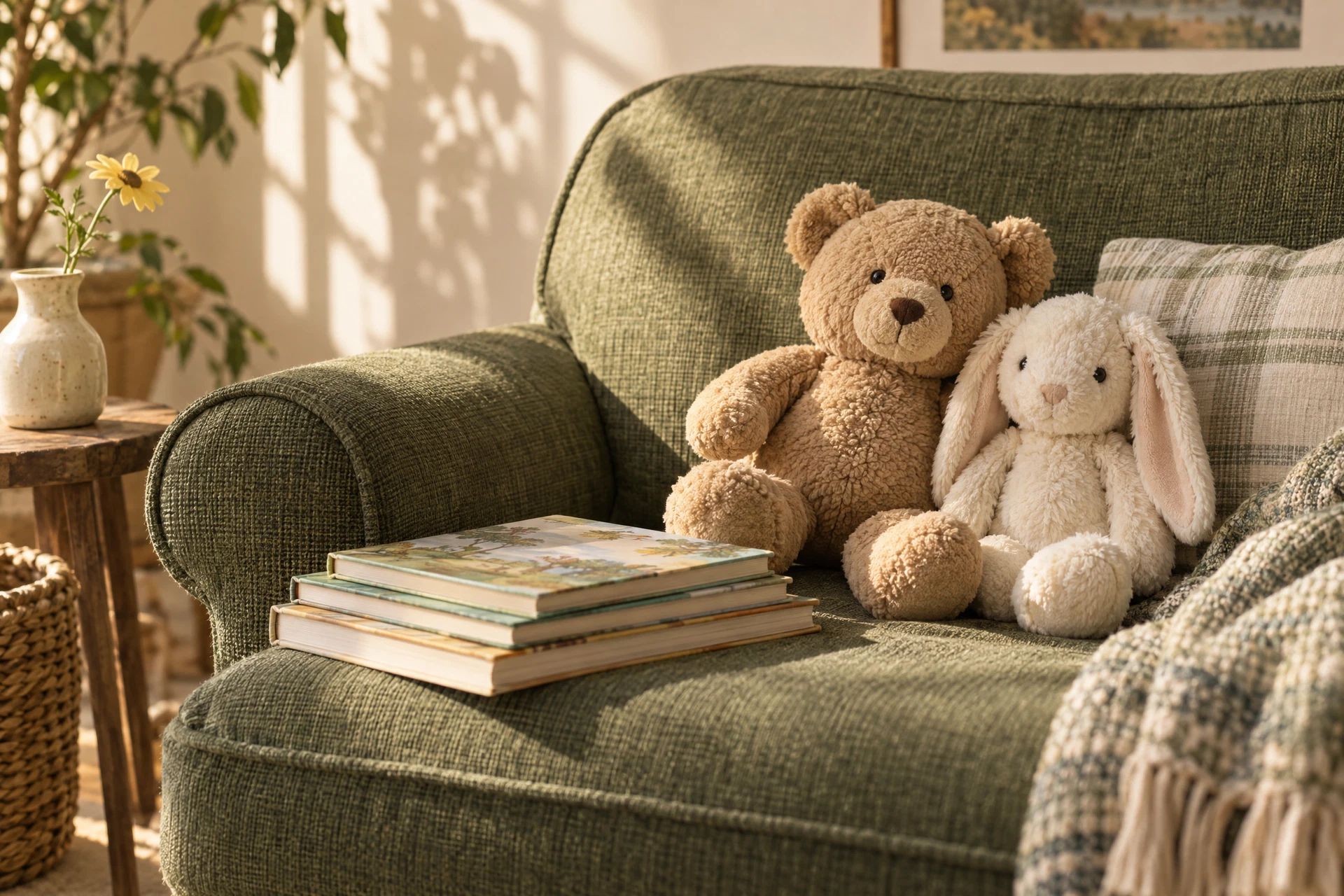
Plush storytelling games use stuffed animals and soft characters to make narrative play tactile, social, and accessible. Unlike elaborate theatre props or digital apps, plush toys offer a low‑stakes, intuitive way for children to practice language, perspective taking, and sequencing. The games below are grouped by skill focus—language development, social play, memory, and calm time—and include concrete setups so you can start in five minutes with toys on hand.
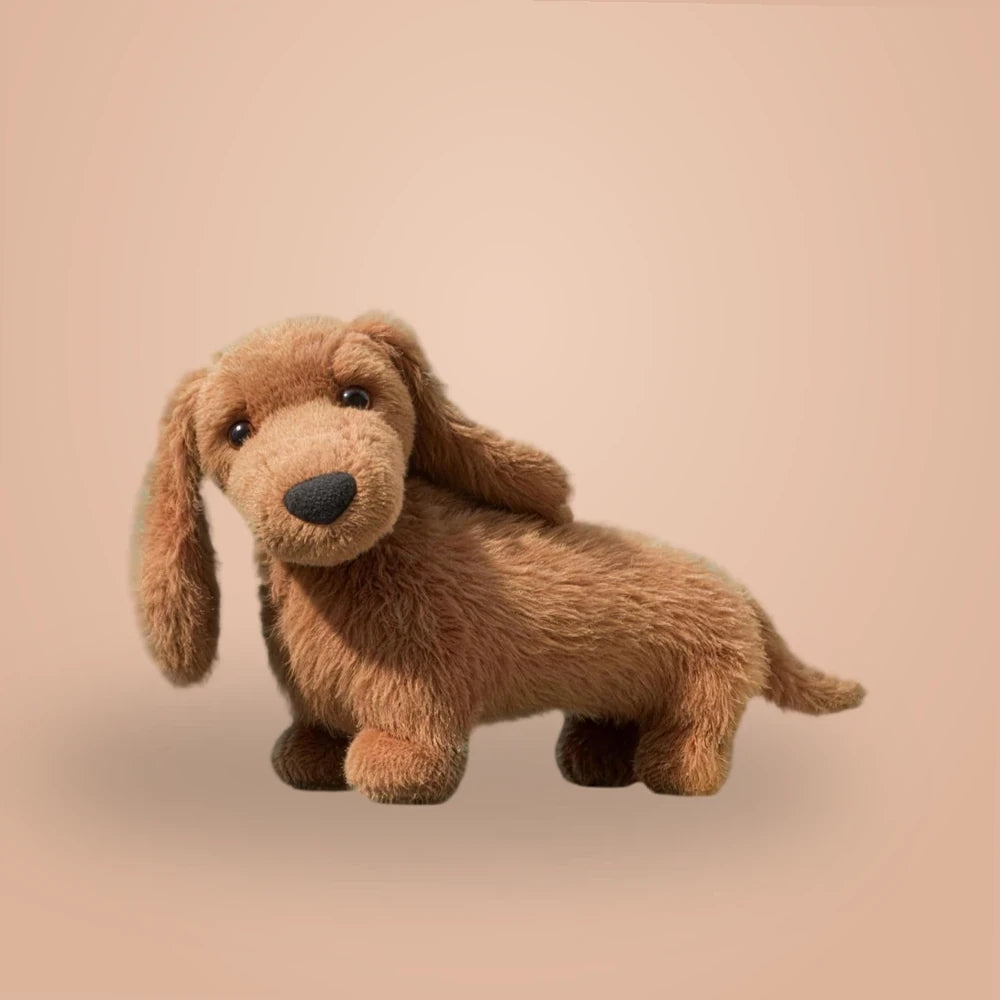
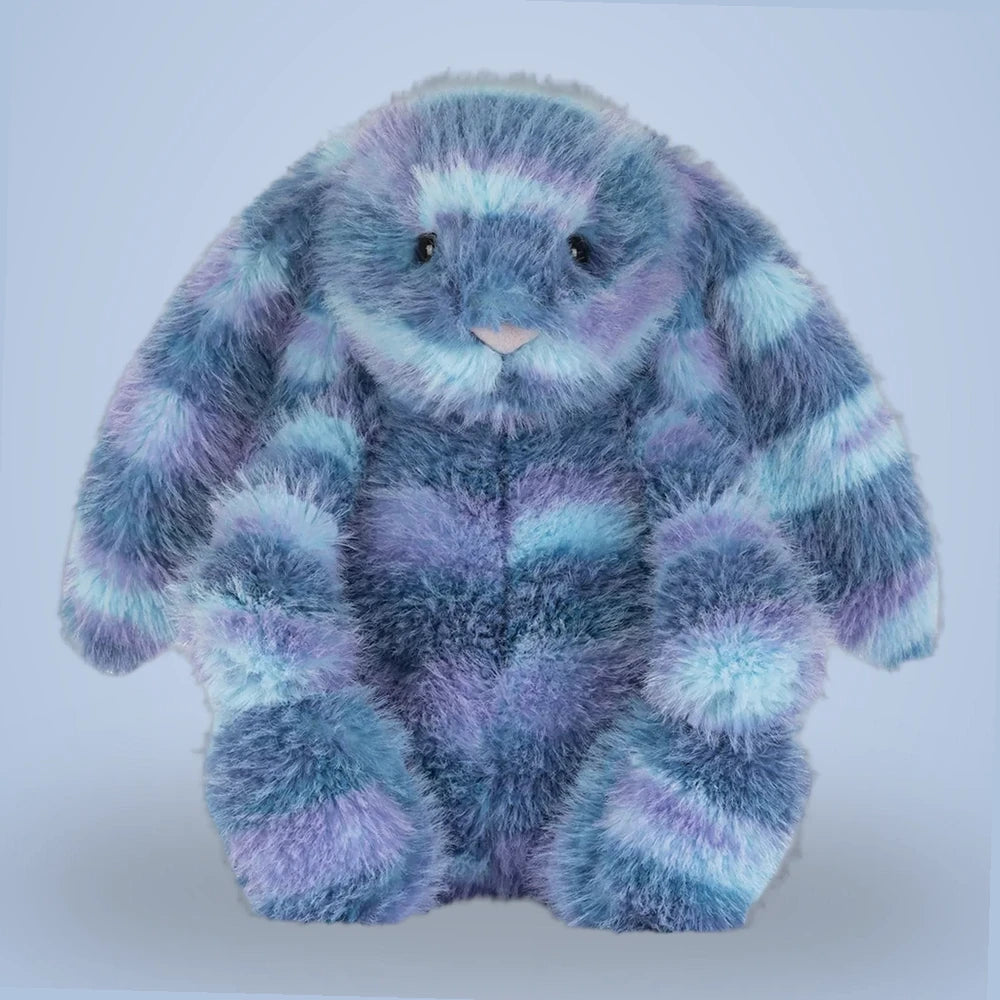
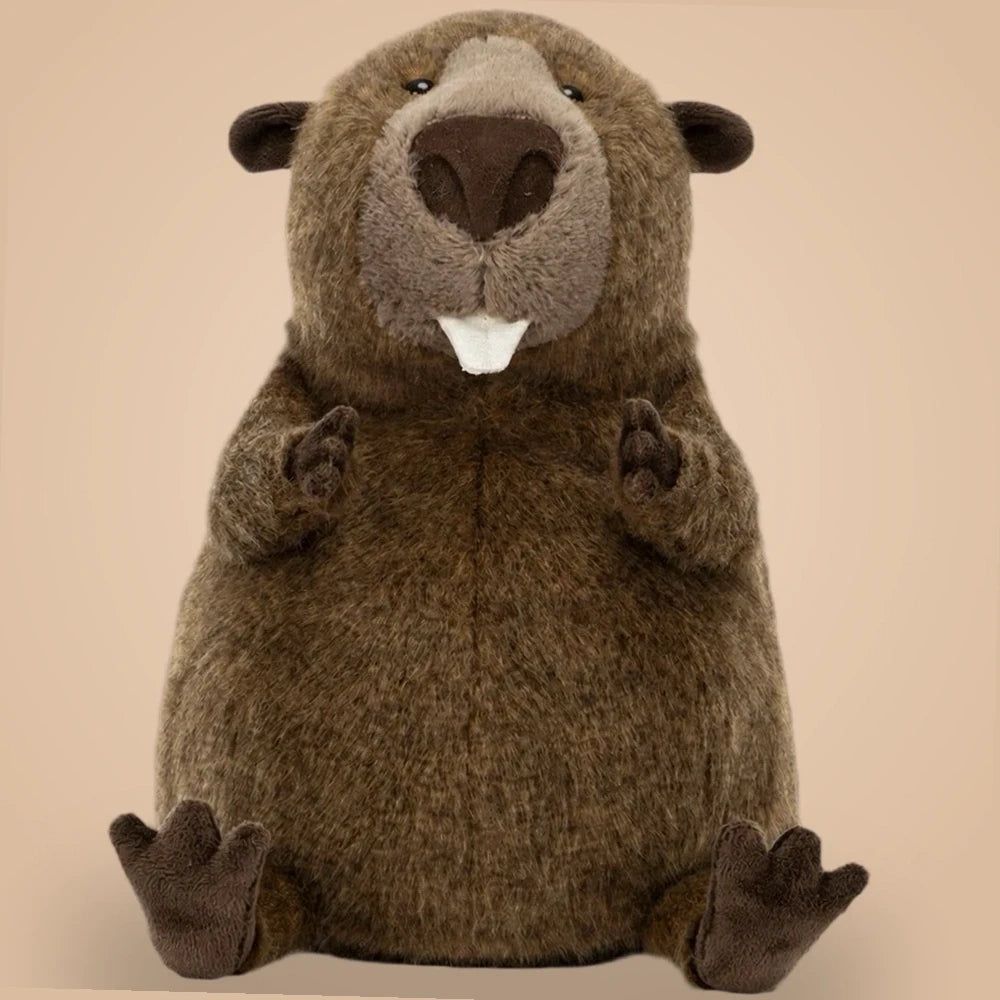
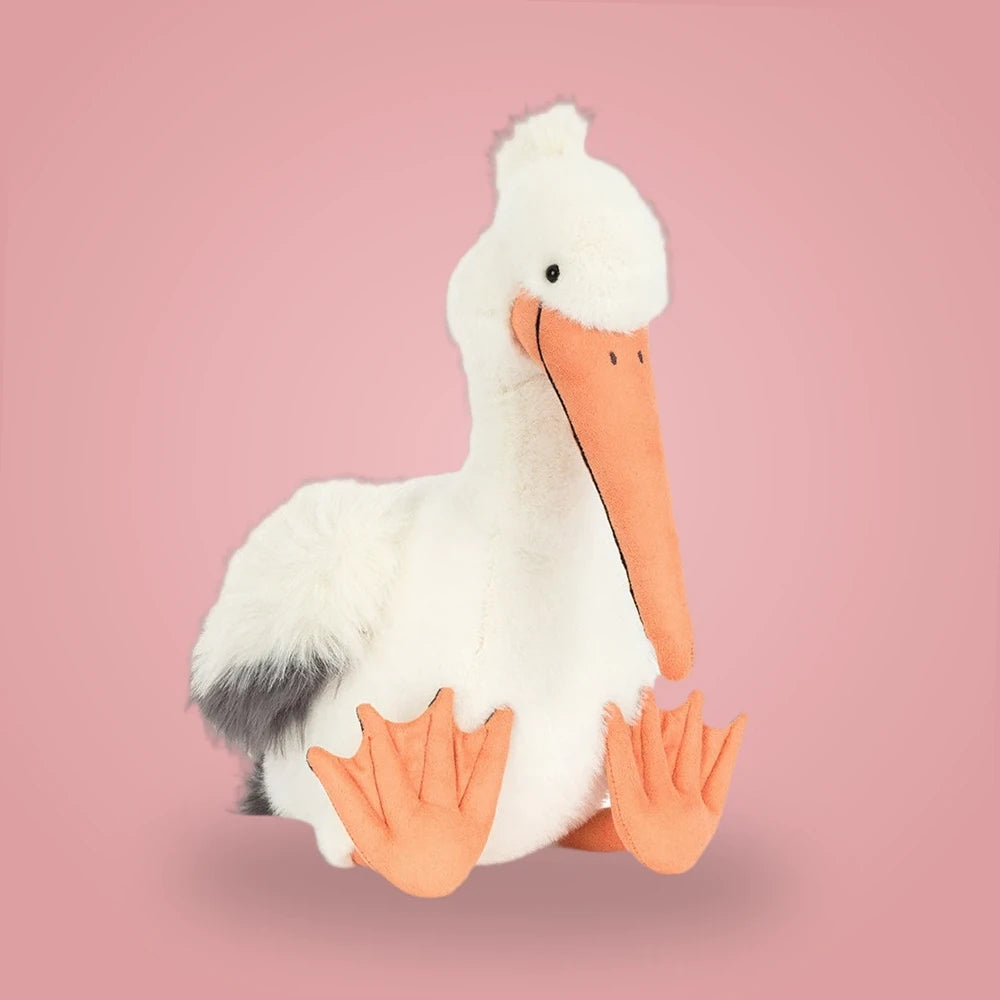
Choosing which plush to use matters more than you might think. Consider character variety (different animals, sizes, textures), practical durability, and the care label so you know how to clean them after play. If you want an assortment, browse the animal options at the Animal Friends collection to assemble a balanced cast. For basic maintenance questions, refer to the manufacturer's care label and our general notes at our care guide to decide how to handle spills and washing.
Why keep rules simple and flexible
Simple rules prevent power struggles and let children focus on story content. A three‑rule framework works well: everyone gets a turn, the story continues forward (no rewinding), and safe hands only. Use a visual cue—like placing the active plush on a small pillow—to mark whose turn it is. This removes debate about who is allowed to speak and helps younger players remember expectations.
Flexibility means you can scale complexity to the group. For a two‑minute activity with toddlers, limit turns to one sentence per player. For older children, encourage a two‑beat rule: add a character action and an emotion. Keep a quick card or sheet with the current rules nearby; you’ll notice fewer interruptions and children quickly internalize the structure.
Starter game: Pass the Plush (sequencing and cooperation)
Pass the Plush is immediate and portable. Players sit in a circle and pass a chosen plush while music plays or a timer runs. When the music stops, the current plush holder adds one sentence: who, what, where. Example: "Luna the fox found a shiny key under the red rug." The next player continues, building on the thread. Limit sentences to one simple clause for younger players, and challenge older kids to include a new location or object every round.
Use variations to target skills: ask players to include sensory details to practice descriptive language, or require that each new sentence introduces a problem or a solution. A common mistake is allowing the story to break into unrelated mini‑stories; remind players that each turn must connect to the previous sentence. If disconnection happens, appoint a 'bridge' player to create a linking line and realign the plot.
Character interview (point of view and empathy)
In Character Interview, one player plays the plush and the others ask questions. Before starting, agree on a few identity points—name, favorite snack, a small worry—to keep answers consistent. Interviewers practice asking open questions: "How did you feel when..." instead of yes/no prompts. This helps children adopt another viewpoint and practice follow‑up questions.
To add structure, use a laminated question list: Who are you? What makes you happy? What are you afraid of? An actionable small example: pick a plush dog named Pepper, reveal that Pepper is nervous about a thunderstorm and loves peanut butter, then let kids ask and answer. Watch for a common pitfall—players breaking character; gently remind them to answer as the plush would and offer a few sample lines to model responses.
Silent storyboards (visual sequencing and teamwork)
Silent storyboard is a quiet way to construct a narrative using plush as characters and a small set of props (scarves, toy boxes, cards). Players arrange plush and props on a mat without speaking; afterward, each player narrates a portion of the story suggested by the tableau. This promotes nonverbal planning and forces attention to visual cues.
Keep the props limited—three items is a useful decision criterion—to prevent visual overload. If you have more than four participants, split into pairs so everyone can contribute to arranging. Common mistakes include overcomplicated setups and one child dominating placement; prevent this by assigning specific roles like 'prop manager' or 'lead director' for each round.
Emotion dice and plush reactions (naming feelings)
Use a six‑sided emotion cube or homemade cards with faces to prompt how plush characters feel in situations. Roll the dice, then pose a short scenario to the holder: "It’s the plush’s first day at a new bed shelf—how do they feel?" The player answers as the plush, then explains an action the character takes. This practice helps name emotions and connect them to behavior.
Concrete checklist for play: 1) Select a plush and roll; 2) State scenario in one sentence; 3) Respond as the character with emotion and action; 4) Other players offer one supportive suggestion (e.g., "Maybe they take deep breaths"). Watch for a tendency to use only happy or silly emotions; encourage range by prompting with harder scenarios and modeling vocabulary like worried, proud, or relieved.
Memory chain with plush (recall and attention)
Memory Chain is like the classic verbal chain game but with physical actions assigned to plush. The first player makes a simple action with their plush (tap head, wave paw) while saying a two‑word phrase. Each subsequent player repeats the whole chain and adds one new action and two‑word phrase. The game sharpens sequential memory and concentration while keeping tactile engagement high.
To keep it age‑appropriate, limit the chain length: three to five steps for preschoolers, five to eight steps for older kids. A mistake is starting with actions that are too similar; choose visually distinct gestures and phrases. If the chain breaks, restart with the same order or let the last correct player be the new leader—this reduces frustration and keeps momentum going.
Calm‑down plush routine (regulation and ritual)
Turn a plush into the center of a short calming routine. Create a predictable four‑step ritual: hold the plush, breathe with it (rise and fall of chest), give the plush a reassuring phrase, and place it in a quiet spot. This can be used when a child needs a break after active play or to transition to a quieter activity. Consistency builds the association between the plush and relaxation.
Decision criteria for choosing a calm plush include soft texture, moderate size for holding, and a label you can follow for cleaning. Keep scripts short and avoid moralizing language; a sample script: "We’ll hug Teddy, take three slow breaths together, tell Teddy something good, and then put Teddy in the chair." Note: always check the manufacturer label for care guidance before using a plush in routines that require frequent cleaning.
Design your own puppet show (planning, roles, props)
A short puppet show gives purpose to storytelling and requires planning. Assign roles: director, two or three performers, prop manager, and stagehand. Use a simple three‑scene arc—beginning (introduce character and place), middle (conflict or challenge), end (resolution). Set a time limit—five to eight minutes—to keep production manageable and rehearsals focused.
Provide a quick materials checklist: three plush characters, one backdrop (blank sheet), three props, and a cue card with the arc. Encourage using recycled materials for costumes and props. A common production mistake is overcomplicating sets; emphasize clear actions and concise dialogue. If you’re organizing for multiple children, consider rotating roles between shows so everyone gets a chance to lead and perform. For orders or wholesale inquiries about acquiring larger sets for programs, visit wholesale inquiries, or reach out at the contact page for more information.
Explore the details before choosing
Take a closer look at Animal Friends, review our plush and clothing care guidance, or ask about specifications and availability before making an order request.