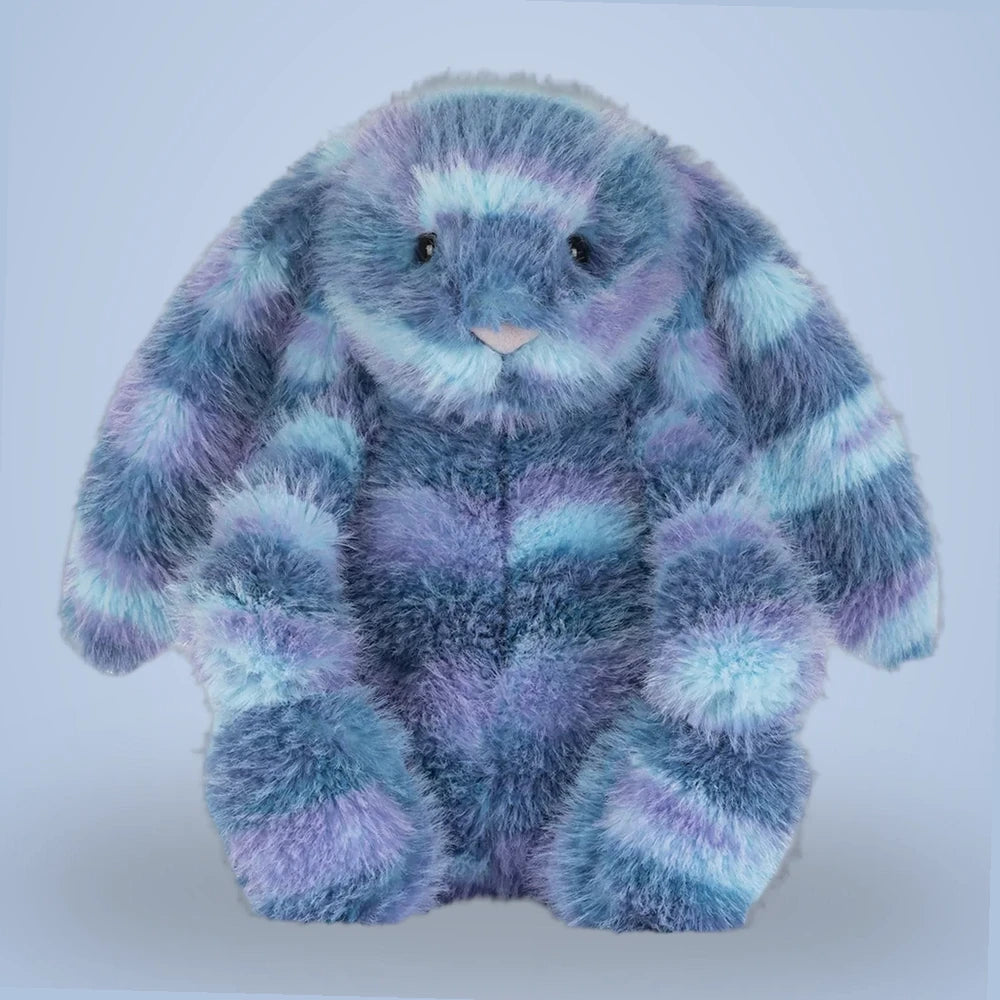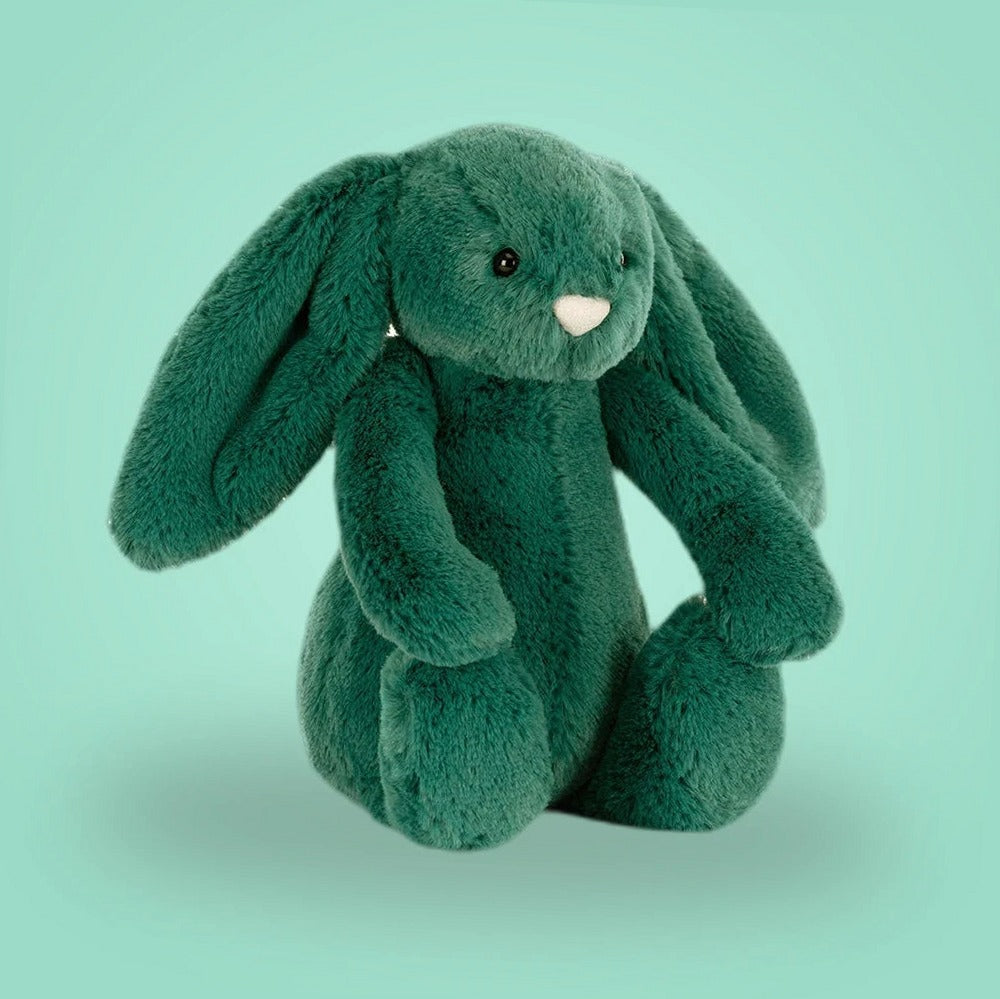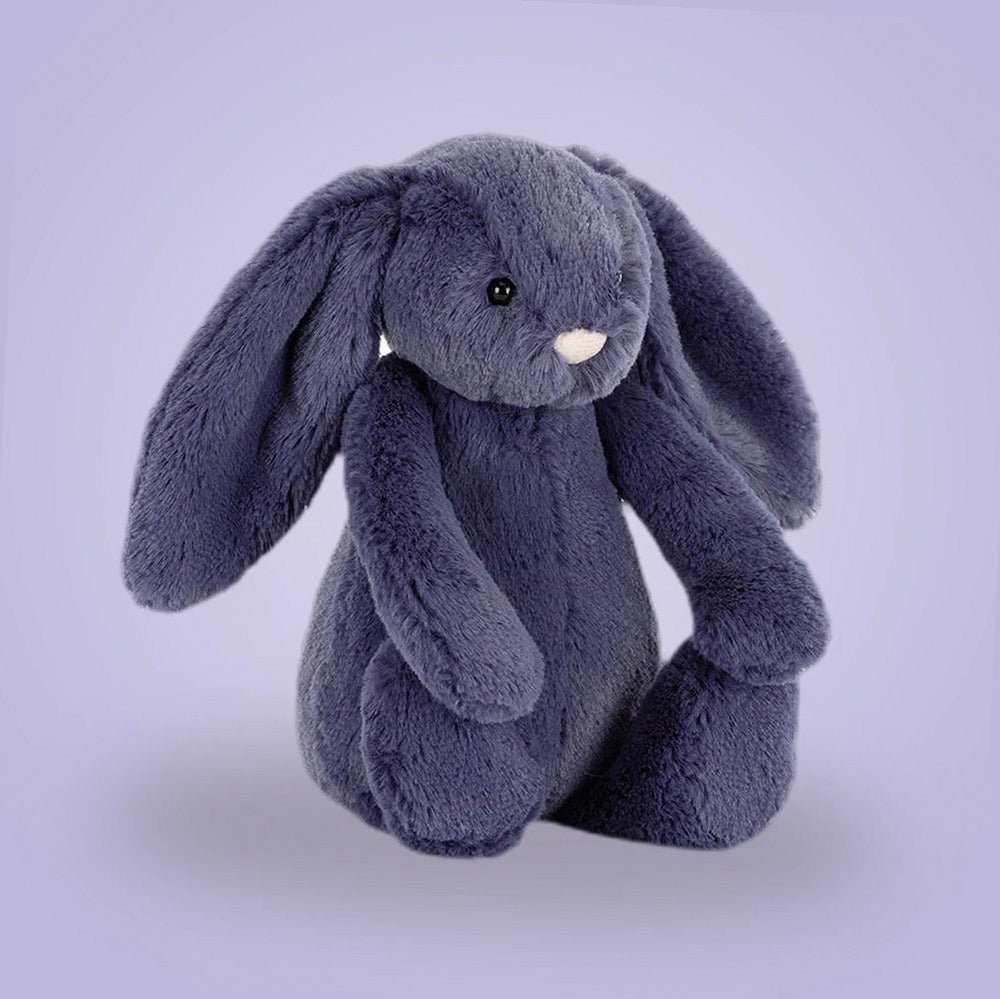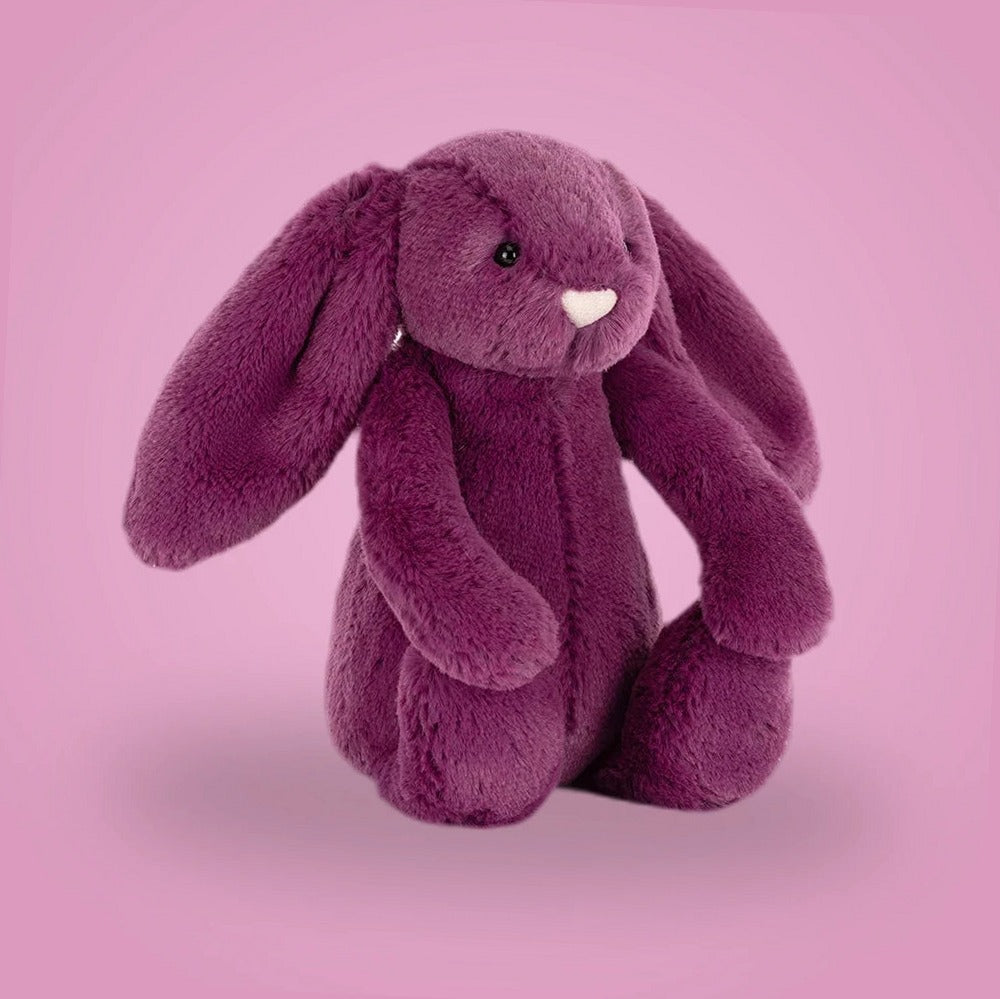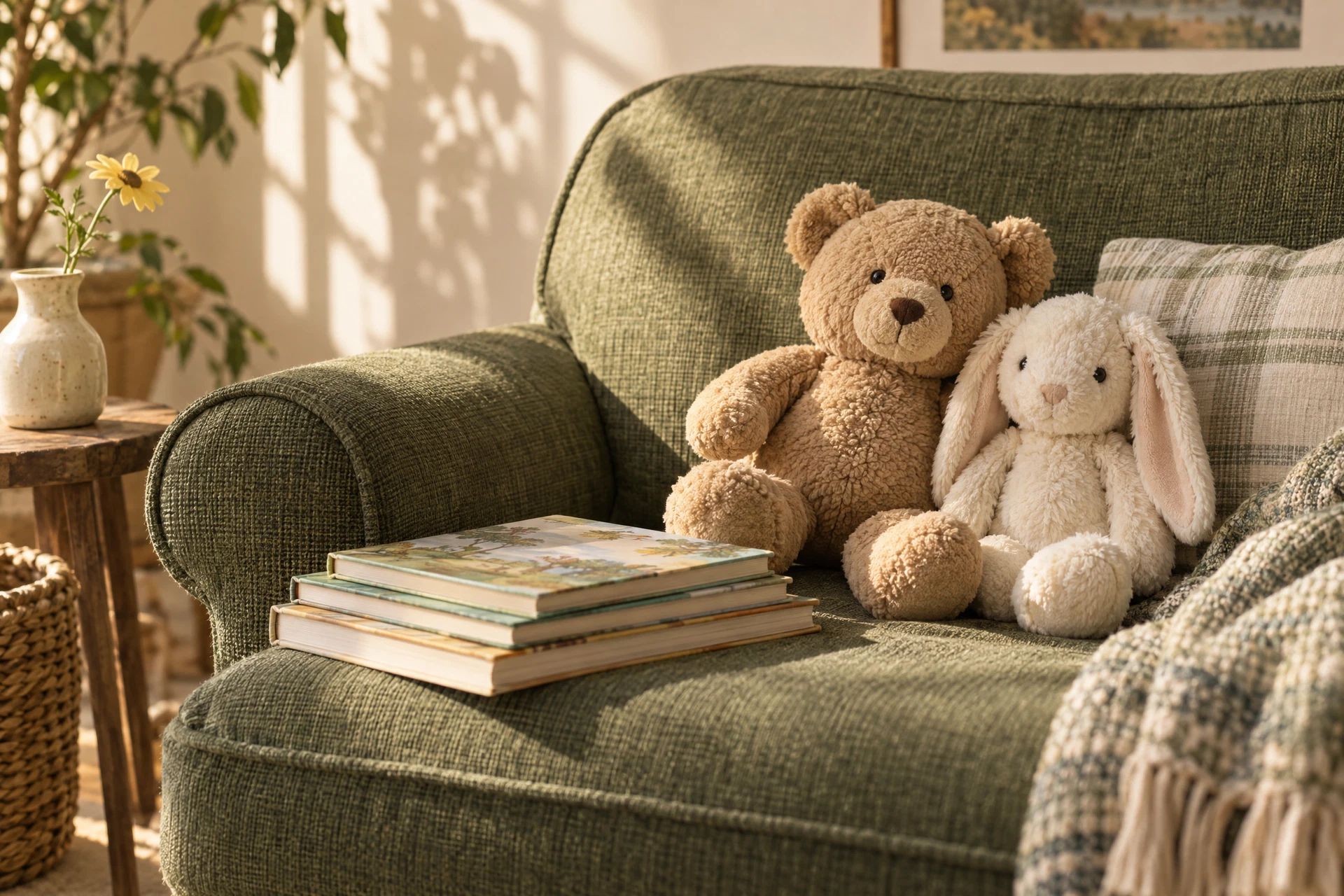
Spring brings a shift in color, texture, and occasion. A spring bunny plush can be a thoughtful seasonal gift that feels timely without being cliché, but picking the right one means thinking beyond the usual soft-and-cute checklist. Consider the recipient’s lifestyle, display space, and how the item will be used: decorative shelf accent, travel companion, or part of an Easter basket. Choosing with those uses in mind produces a more meaningful and functional gift.
This guide focuses narrowly on practical choices: what to look for in materials and size, how to coordinate seasonally, presentation and packaging ideas, and realistic care tips that defer to the manufacturer’s label. You’ll find decision criteria, common mistakes shoppers make, and a short actionable example you can use right away to assemble a complete spring-ready gift.
Define the purpose before you buy
Start by asking how the recipient will use the spring bunny plush. Will it sit on a nursery shelf as part of seasonal decor, be carried on weekend trips, or live among a child’s everyday toys? A display-only plush can prioritize aesthetic details and texture, while a frequently handled companion should have sturdy seams and washable surfaces according to the manufacturer’s instructions. That distinction will narrow your choices quickly.
Make a short checklist: intended use (display vs. play), desired size (pocket, medium, oversized), and whether the plush should be lightweight for travel. Use that list while browsing collections so you evaluate each piece on the same criteria. If you need more variety, look through curated categories such as our bunny selections on the Bunnies collection to compare styles side by side.
Material and construction: what matters
Materials define look, longevity, and care requirements. Plush made from a velour or short pile tends to show less matting and can read as more refined in tabletop displays. Longer faux fur gives a whimsical, cuddly appearance but usually requires gentler handling. Inspect the construction: double-stitched seams, securely attached eyes or noses, and reinforced joints help the plush keep shape through handling and storage.
When in doubt, prioritize pieces whose care label matches your lifestyle needs. If frequent laundering is likely, select a design the maker lists as machine-washable; otherwise choose a washable surface you can spot-clean. For specific care steps, consult the product tag and our general care overview at our care guide for guidance on reading those labels carefully.
Style and color choices for spring
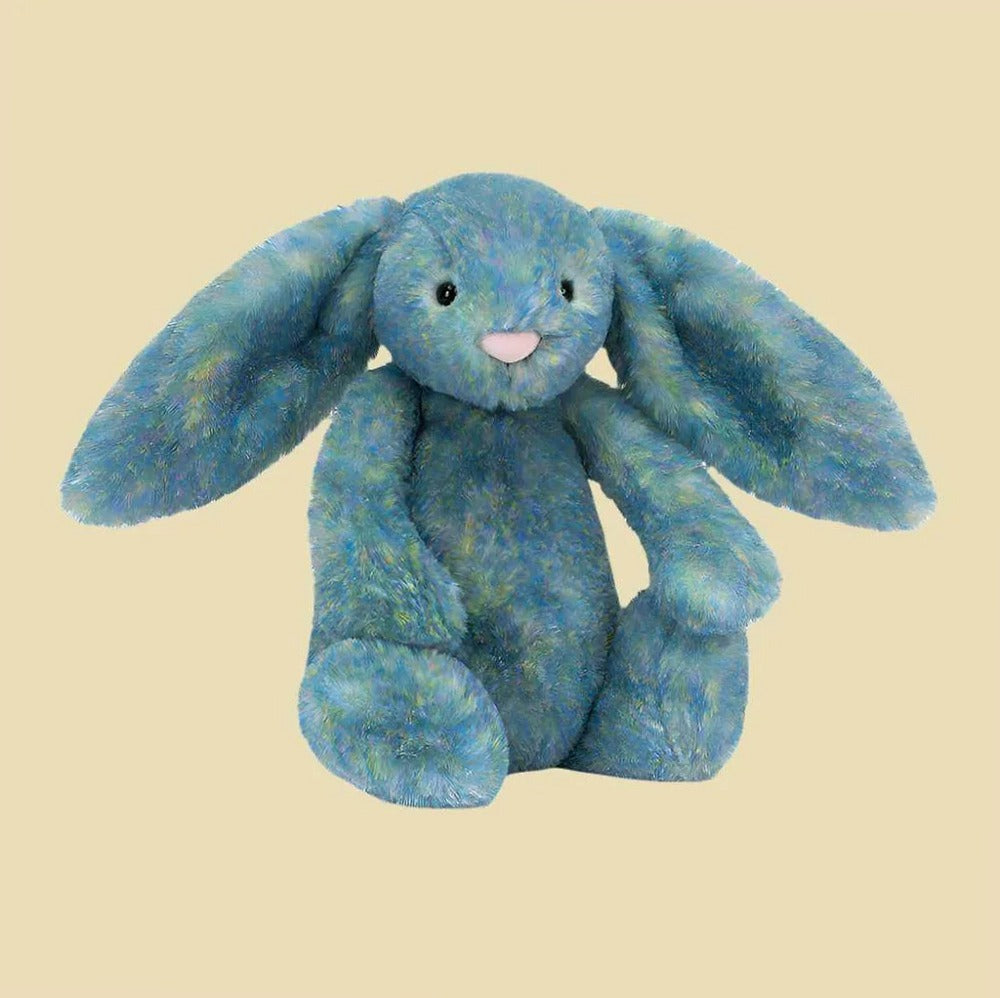
Spring palettes trend toward pastels and soft neutrals, but contrast and a touch of saturated color can make a gift pop. Think about the recipient’s home or personal wardrobe—would a muted linen-toned bunny blend into a light-filled living room, or would a coral-eared plush be a playful accent? When the plush is meant to be decorative, choose textures and hues that coordinate with likely settings.
Consider small style details that signal seasonality without limiting year-round use: a removable fabric bandana, embroidered floral motifs, or a spring-themed outfit that can be taken off if the recipient wants to display the bunny later. These options let the plush feel timely while remaining flexible as a gift.
Sizing decisions and display planning
Size affects both perceived value and practicality. A 6–8 inch plush fits easily in gift baskets or on car seats; a larger 16–18 inch design becomes a room-ready focal point. Measure the intended display area—shelf depth, table surface, or the inside dimensions of a basket—before committing. Small mismatches in scale can make an otherwise perfect plush feel awkward in a recipient’s space.
If you’re building a themed arrangement, mock up placement with simple items at home (a pillow for scale, a shoebox for depth) to visualize where each element will sit. This quick test prevents common mistakes like ordering an oversized plush for a narrow mantle or a tiny one that disappears on a large bed.
Presentation: packaging, pairings, and personalization
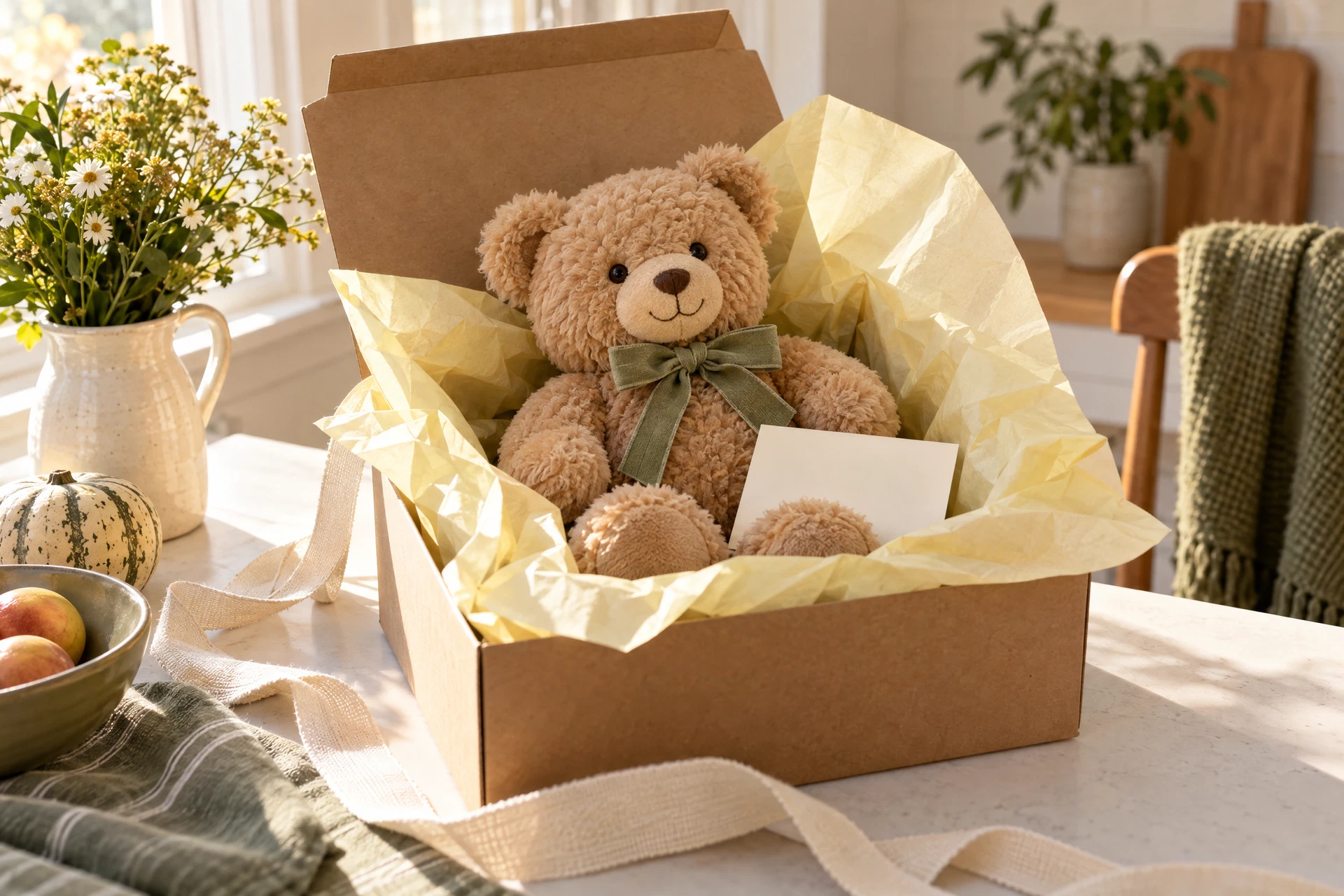
Thoughtful presentation turns a plush into a gift experience. Consider pairing the bunny with complementary items: a small bouquet, a note card with a personal message, or a seasonal storybook. If you’re assembling a basket, layer tissue or shredded paper for height and add a removable ribbon that matches the color scheme. For retail or event gifting, a simple kraft box with a window lets the plush show through while protecting it in transit.
Personalization adds longevity: a sewn-in name tag, a simple embroidered initial on a bandana, or a handwritten note attached to a button can make the piece feel intentional. Keep any added elements removable so the recipient can wash or re-dress the plush as needed.
Common mistakes buyers make
A frequent error is choosing based purely on photos without checking scale or material descriptions. Photos can mislead—what appears large in close-up might be a small tabletop friend. Always confirm size in inches or centimeters and, if uncertain, ask the seller for a reference photo showing the plush next to a familiar object.
Another mistake is ignoring care instructions in favor of aesthetics. A plush with elaborate trims or glued-on accents might look gorgeous but can be difficult to maintain. If the recipient has pets or young children who will handle the item often, focus on durability and easily removable accessories rather than fragile decorative features.
Actionable example: assembling a spring bunny gift
Here’s a small, concrete plan you can execute in under an hour. Choose a mid-size spring bunny plush that matches your recipient’s decor—use your checklist to confirm intent and size. Add a small hardcover picture book with a floral or nature theme, a packet of artisanal hot cocoa or tea, and a simple fabric ribbon. Place everything in a shallow basket with shredded paper for lift and a small card tucked into the bow.
Wrap the basket in clear cellophane if you need to transport it, or leave it unwrapped for a softer presentation. Include a brief note on care based on the plush’s label so the recipient knows how to clean and store it; if you bought from a specific vendor, their contact page (the contact page) can be used to confirm any follow-up questions about the product.
Wholesale and gifting for larger events
If you’re sourcing spring bunny plush for an event or retail restock, narrow vendors by minimum order quantities, lead times, and customization options. Create a short RFP for yourself: desired quantity, required colorways, packaging preferences, and any embroidery or tag requirements. Send that list to potential suppliers and compare responses side by side—this saves time when evaluating costs and production timelines.
For wholesale inquiries, find vendor policies and contact points on appropriate pages such as wholesale inquiries and prepare your expected timeline and distribution plan. Avoid last-minute orders in peak season; lead times for customized items commonly extend beyond standard production schedules, so plan accordingly.
Storing and seasonal rotation
Proper storage keeps a seasonal plush looking fresh year after year. Store the bunny in a breathable cotton bag or box in a cool, dry place away from direct sunlight to prevent fading. If you need to compress space, wrap the plush in acid-free tissue to reduce pressure on seams and preserve shape. Avoid plastic bags that trap moisture unless you use desiccants and check periodically.
When rotating seasonal decor, label storage containers by season and include a short care note inside the box—this helps you or the recipient refresh presentation correctly when the next spring arrives. For longer-term storage questions related to a specific plush, consult the manufacturer’s care guidance on the product tag or their website.
Explore the details before choosing
Take a closer look at Bunnies, review our plush and clothing care guidance, or ask about specifications and availability before making an order request.