Giving a plush toy can be a thoughtful, tactile gift, but purchasing one online or from a catalog involves a few deliberate choices. Before you click order, there are practical questions to answer that will keep the gift appropriate, safe, and meaningful for the recipient. These considerations range from the obvious — will the size fit the recipient’s living space? — to the details many buyers overlook, such as fill type, removable parts, and the seller’s shipping timeline.
This article focuses on specific, actionable questions to ask suppliers, makers, or retailers before placing a plush gift order. Use these items as a working checklist: decide which matter for your situation, ask for written answers when necessary, and keep records of responses in case you need to follow up. The result is a smoother purchase and a plush that arrives ready to be enjoyed.
Who is the recipient and where will the plush live?
Start with recipient details: age, mobility, allergies, and household pets. A college student living in a small dorm has different needs than a preschooler or an adult collector. Ask whether the toy is intended for display, cuddling, travel, or sensory comfort. Each use case suggests different priorities: a display piece might need fine stitching and poseable parts; a cuddlier toy benefits from soft, washable outer fabric and durable seams.
Consider placement: a sofa, bed, nursery shelf, or car travels? For example, if the plush will spend time in a small apartment, a 24-inch stuffed animal might dominate available space. If the plush will go on road trips, ask about fastening loops, removable accessories, or sturdy seams to withstand handling. A clear answer on living conditions helps you choose a size and construction that will be useful rather than burdensome.
What are the safety and labeling details?
Request the exact language from the manufacturer’s label: recommended age range, choking hazard warnings, and any flame resistance or safety testing claims. If the item will be for a child, confirm those specifics before purchasing. Do not rely on images alone; ask for a photo of the sewn-in or attached tag if the seller can provide it. These labels often contain critical care and compliance notes.
If the plush has small parts (buttons, beads, plastic eyes), ask whether parts are secured with lock stitching or are permanently embroidered. A practical way to test an item description is to ask the seller how they attach small components and whether they use safety eyes meant to resist removal. Clear answers reduce the risk of an unsuitable gift and let you anticipate whether supervision will be needed.
What materials and fill are used, and what do they mean?
Ask for specifics: outer fabric type (plush, minky, faux fur), fill material (polyfill, recycled fibers, pellet weighting), and any surface treatments (flame retardants, stain-resistant coatings). Different fabrics feel and wear differently; for example, shaggy faux fur requires more attention to brushing than short-pile plush. If the recipient has sensitivities, request ingredient lists or a manufacturer specification sheet.
Consider fill density. A tightly packed polyfill yields a firm, sculpted toy; looser fill gives a floppy, hug-ready feel. Weighted beads in a plush can provide comforting heft but add washing complexity. If possible, ask for a feel description (firm, medium, soft) and a typical weight for the size you intend to buy. Concrete details help match tactile expectations to the gift’s purpose.
How durable and repairable is the construction?
Inquire about seam reinforcement, double-stitching, and whether areas like arms, tails, or limbs are reinforced. Ask the seller how they address typical wear points and whether they offer repair services or replacement parts. For a loved one who will use the plush daily, reinforced seams and accessible repairs are worth the extra effort to confirm.
Get specifics on removable components: are bows, clothing, or tags sewn on or detachable? If detachable, ask how they fasten (Velcro, snaps, buttons). Make a short checklist for your own needs — for example, I want detachable clothing that uses snaps, not glue — and verify that the supplier can meet those requirements. That small step prevents surprises and helps the recipient keep the plush in service longer.
Can it be personalized, and what are the options?
If you want to personalize the gift, ask about embroidery, name tags, or color customization. Not all makers offer personalizing, and those who do may have size, font, or location limitations. Ask for an image proof showing how the text will sit on the plush and confirm any additional fees. For stitched names, request the exact thread color and font choices in writing so you can approve the final look.
Personalization raises other questions: does it affect return policy, and will it change care instructions? For instance, embroidered details are usually durable, but glued-on patches may not withstand heat. Ask whether personalized items are final sale and request a sample photo of previous personalized jobs to judge quality. A concrete example: if you want a monogram on the paw, specify paw dimensions and request a mock-up before production begins.
What are shipping, packaging, and delivery timelines?
Confirm production lead time, shipping carrier, estimated transit days, and whether gift wrapping is available. For seasonal gifting periods, ask whether production and shipping windows are guaranteed and what expedited options exist. Request a tracking method and ask how the seller handles missed delivery attempts or returns to sender.
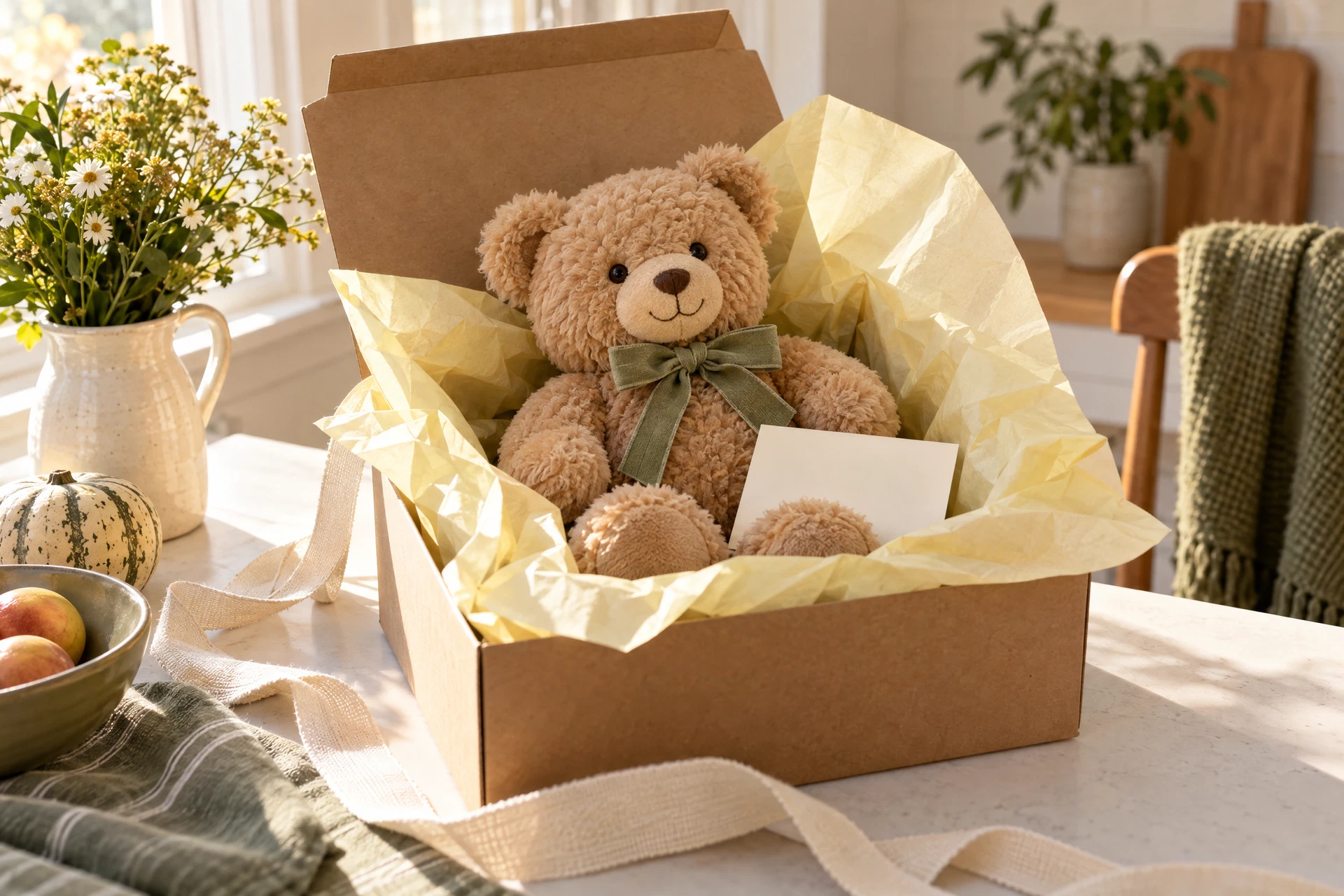
Also ask about packaging: does the item arrive in a box, poly bag, or tissue wrap? If presentation matters, request gift wrapping or a photo of typical pack-out. For example, if you need the plush to be ready unboxed for an event, verify that the seller can ship without outer packaging or provide a gift-ready box. Clarifying these points avoids last-minute scrambling.
What is the return, exchange, and damage policy?
Before ordering, request the exact return window, condition requirements, and whether personalized items are returnable. Ask how the seller handles shipping costs for exchanges and whether they accept returns for change-of-mind purchases. If the order is a custom piece, confirm whether damages discovered on arrival will be repaired, replaced, or refunded.
Ask about inspection procedures upon delivery: should you open the package immediately and photograph any damage? Request a contact method for post-delivery issues and typical response times. Having a named person, email, or order reference expedites resolution and gives you a record to rely on if the gift arrives damaged or not as described. This is particularly important for time-sensitive gifts where replacement lead time must be known.
How should the plush be cared for and stored?
Care instructions vary widely; always check the sewn-in label and the manufacturer’s guidance. Ask whether spot-cleaning, hand-washing, or machine washing is recommended for the specific plush you’re ordering. If the supplier provides a care sheet or product-specific instructions, request a copy to include with the gift. That information helps the recipient maintain the toy’s appearance and longevity.
Storage is also worth discussing: does the fabric mat or shed in humid conditions, and do any components attract dust? If long-term storage is likely, ask whether acid-free tissue or a breathable bag is recommended. Practical examples: for long-haired fur, recommend gentle brushing and storage away from direct sunlight; for weighted plush, advise against machine drying and suggest air drying flat if washing is allowed.
Common mistakes and an actionable example checklist
Buyers often assume photographs fully represent scale, texture, and finish. To avoid missteps, ask for measurements in inches or centimeters and for a photo with a common object — a hand or a coin — included for scale. Also avoid relying solely on generic descriptors like “soft” or “premium”; ask what those terms mean in concrete materials and feel.
Actionable checklist example: 1) Confirm recipient’s intended use and living space; 2) Request sewn-in label photo showing age guidance; 3) Ask about outer fabric and fill type; 4) Verify seam reinforcement at stress points; 5) If personalizing, request a mock-up and confirm return policy; 6) Get production and shipping timelines in writing and request gift-ready packaging if needed. Run through this list with the seller before you place the order — it will prevent many common gift-ordering headaches.
Explore the details before choosing
Take a closer look at Animal Friends, review our plush and clothing care guidance, or ask about specifications and availability before making an order request.