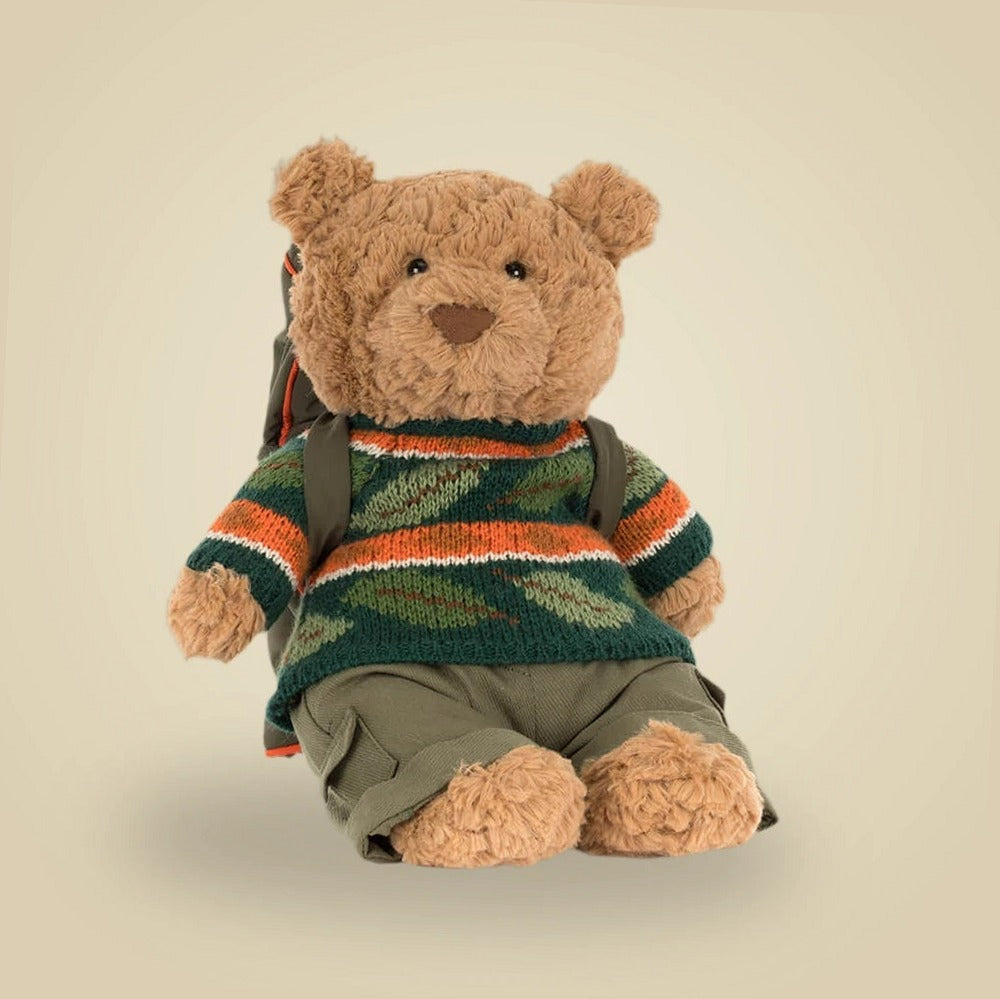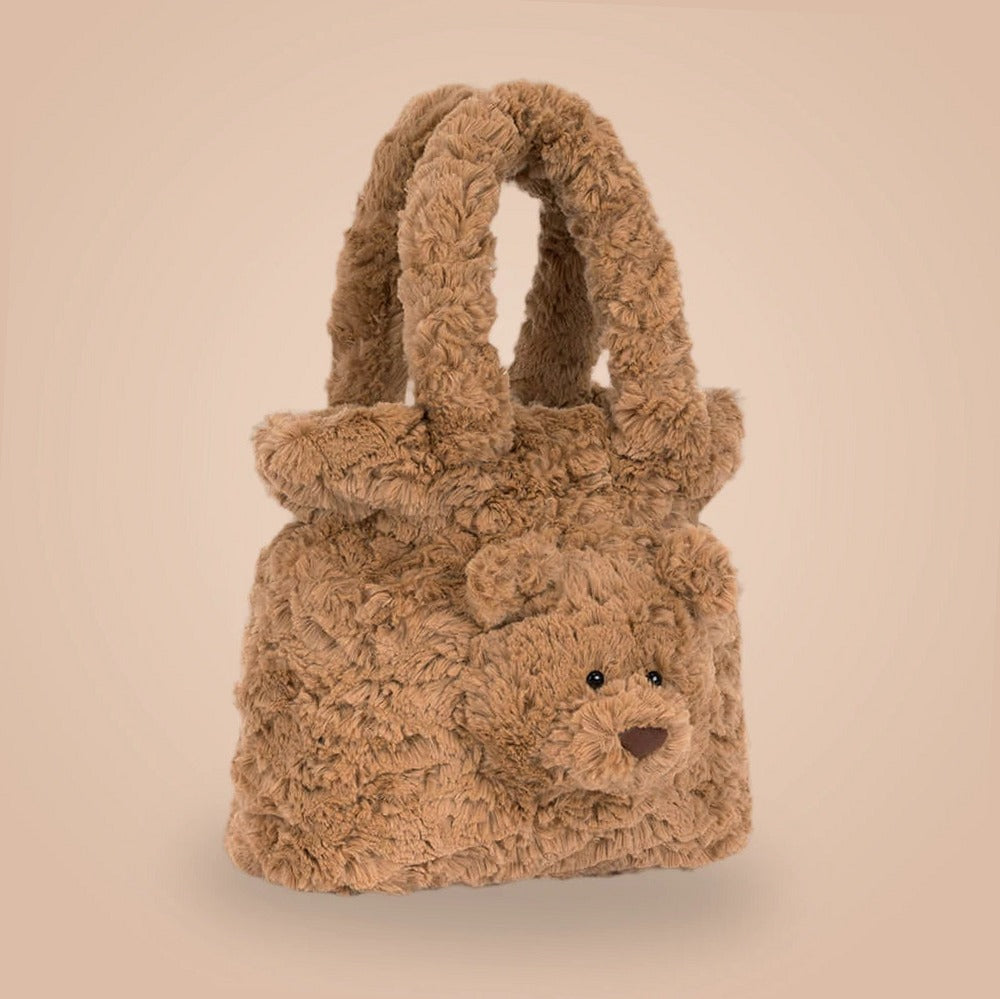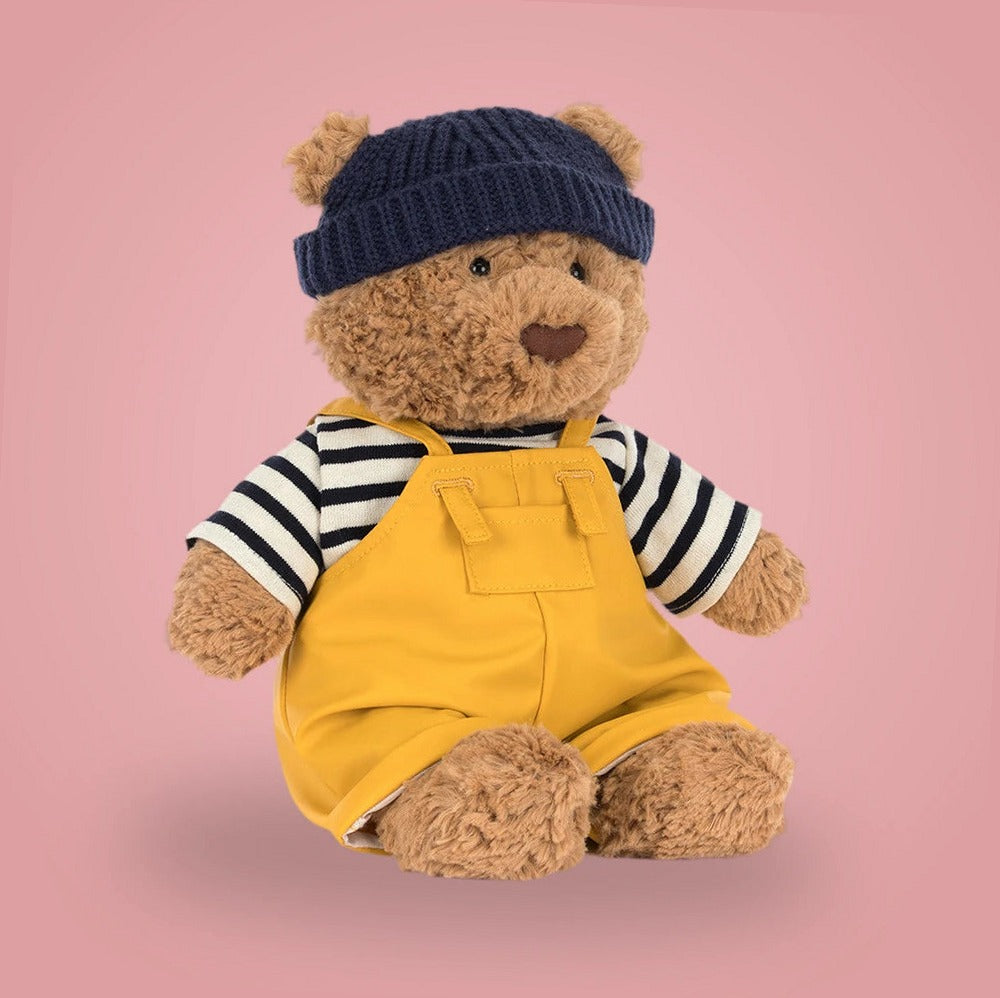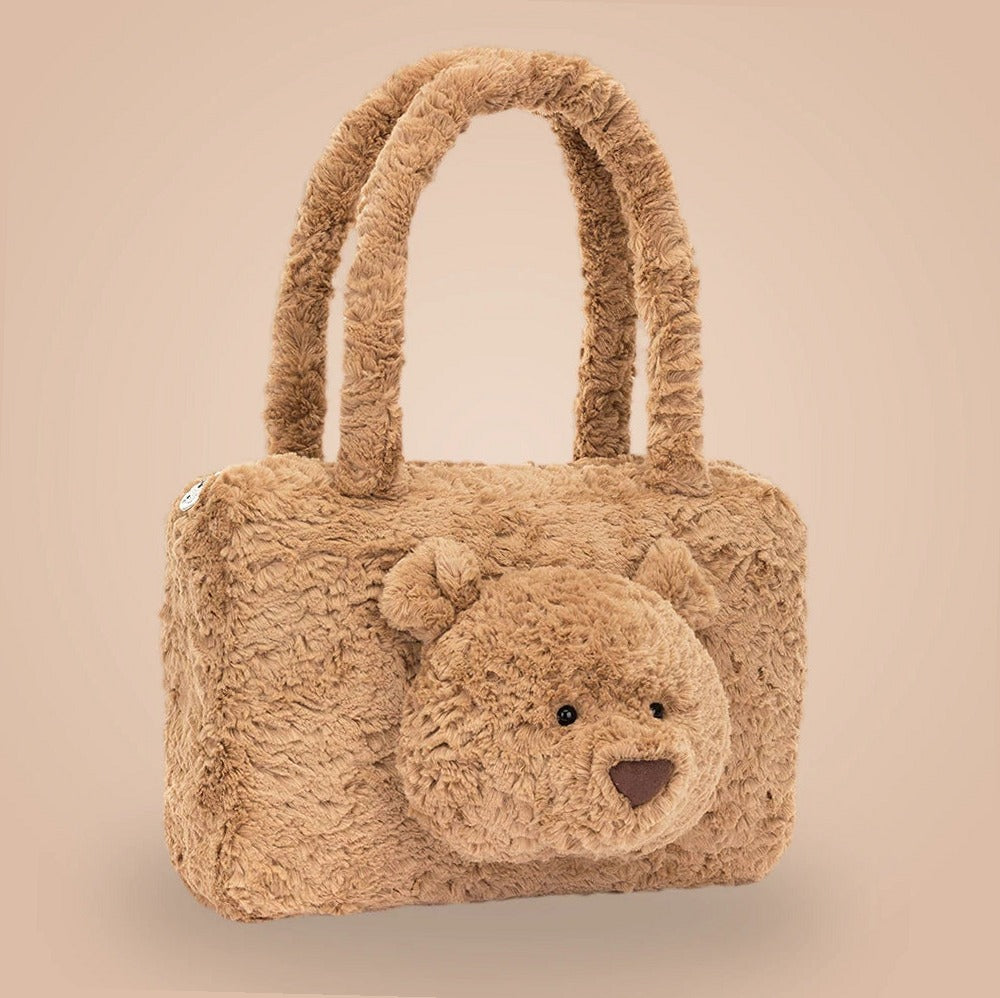
If you collect plush toys—whether you keep a few favorites or curate hundreds—having a clear plush collection checklist reduces impulse buys and keeps your shelf neat, safe, and enjoyable. This guide helps you make buying decisions, set care rules, and design displays that protect your soft goods. Think of the checklist as a compact decision tree: what you want, how much space you have, and what you must do to keep each piece in good condition.
Start by separating buying intent from display intent. Are you buying to cuddle, to photograph, to resell, or to preserve? Each purpose changes what you should inspect before purchase (stitching, tags, materials) and what you must plan for afterward (storage, rotation, or restricted handling). Below are practical sections with concrete examples and a short actionable checklist you can apply immediately.
Define what counts as part of your collection
A clear boundary keeps a collection manageable. Decide if your collection includes only plush bought new, or whether it accepts vintage finds, handmade pieces, and promotional items. Create three categories—keeper, conditional, and reject—to sort new arrivals. Keepers meet your criteria immediately; conditionals need repair or quarantine; rejects are unsuitable for your goals and should be declined or redirected.
Example criteria: keeper if no loose seams, tag intact, and size fits shelf; conditional if it needs simple sewing or a wash per label; reject if it has irreversible stains, insect damage, or persistent odors. Write these down and keep them near your buying notes. This prevents buying on emotion and helps define what to look for at markets, online listings, or specialty retailers.
Buying: inspect before you commit
When buying in person, check seams, eyes, and internal stuffing by gently squeezing and turning the plush. Look for consistent fur direction, secure eye attachments, and even stuffing without lumps. For online purchases, request detailed photographs of seams, tags, and any wear points. Ask the seller about repair history and whether original packaging or tags are included.
Use a short checklist at point of sale: verify condition, confirm size against your shelf dimensions, note material type and any special care instructions. If uncertain about age or prior use, consider factoring in a minor repair or cleaning cost before purchase. This avoids surprises and keeps your budget realistic.
Practical decision criteria for buying
Prioritize three non-negotiables based on your collecting purpose. For display-only pieces you might demand pristine tags and packaging; for cuddle toys you might accept minor wear but demand softness and safety of fastenings; for investment items you may require documented provenance. Rank these priorities and apply them consistently when comparing options.
Common mistakes include overvaluing rarity while ignoring condition, or buying too many similar pieces and creating redundancy. A simple rule: do not add a plush that doesn't meet at least two of your three non-negotiables. This rule keeps your collection diverse and prevents shelf saturation.
Label reading and care planning
Always read the manufacturer’s label and save care instructions with the item. Labels will give guidance specific to that plush’s materials and construction; follow them rather than assuming all plush can be machine washed. When a label is missing, treat the piece conservatively—spot clean and air out until you can determine a safe method.
Create a care file for your collection. For each item note the label instructions, a preferred cleaning method (spot clean, hand wash, professional), and any materials that need special attention like glass eyes or glued trims. Store a copy of this care note with the plush or in a digital spreadsheet so you can quickly look up appropriate handling before cleaning or storing.
Storage and preservation checklist
Proper storage extends a plush’s life. Keep items away from direct sunlight, damp basements, and open windows to prevent fading and mold. Use breathable storage—cotton bins, archival boxes with acid-free tissue, or open shelving covered with a dust cloth—rather than sealed plastic if long-term preservation is your goal, because trapped humidity can cause mildew.
For quick reference, a storage checklist: clean or quarantine new items; store stuffed animals upright when possible to maintain shape; tuck delicate tags into acid-free paper; add silica packs only when you monitor humidity. Rotate displayed items periodically to even out exposure and reduce fabric stress in high-traffic locations.
Cleaning: step-by-step safe practices
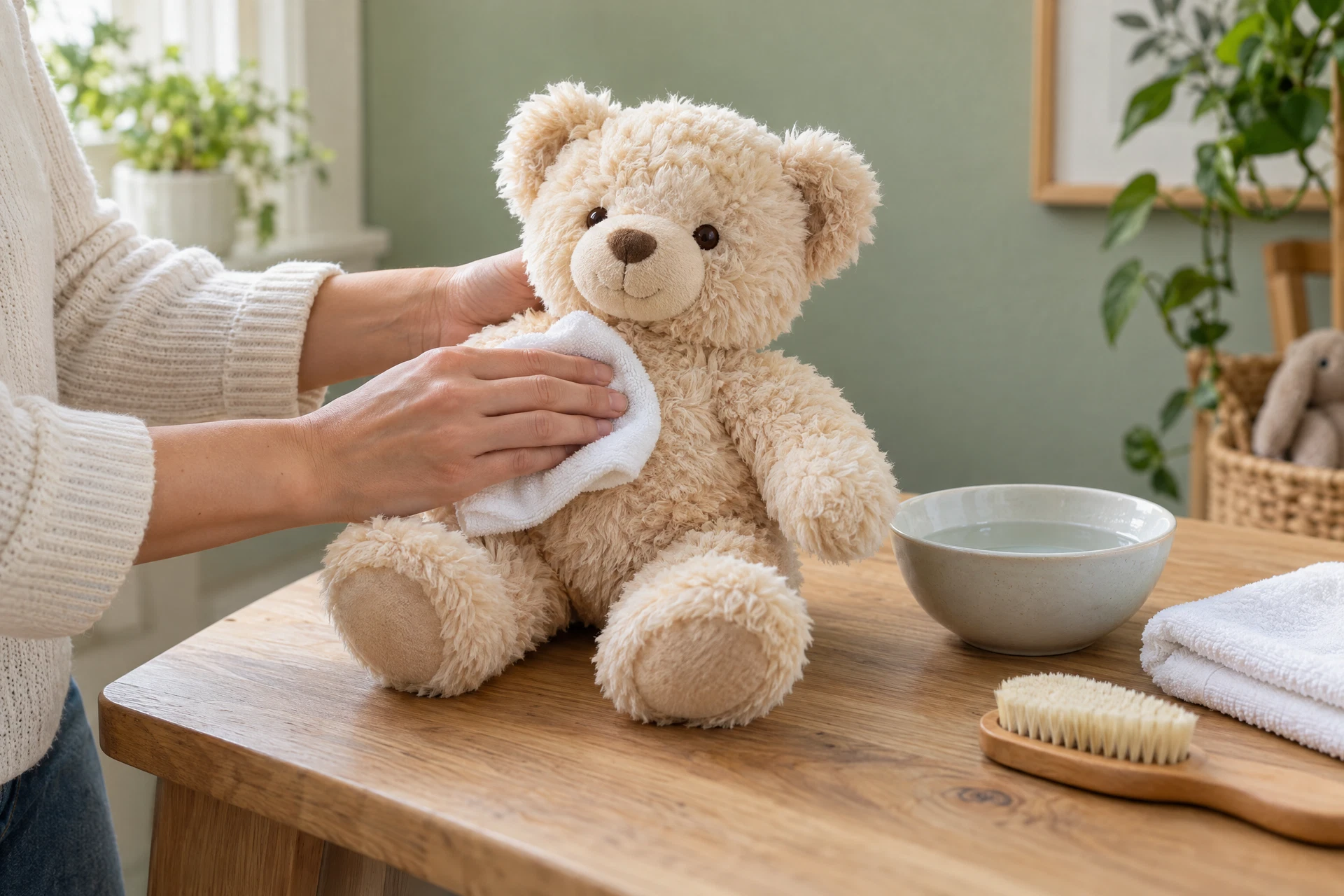
Before cleaning, consult the item’s label. If label guidance is not available, test any cleaning method on an inconspicuous spot first. For surface maintenance, a soft brush, gentle vacuum with a low-suction attachment, or a lint roller removes dust and hair without disturbing stitching. Always let the plush dry thoroughly in a well-ventilated area away from direct heat.
When deeper cleaning is needed, plan a conservative approach: spot-treat stains with a diluted mild detergent, rinse with minimal moisture, and blot rather than rub. If sewing repairs are required, use matching thread and small stitches to restore seams. For pieces with glued elements or electrical parts, avoid wet cleaning and seek professional advice. Keep notes of what worked in your care file so you have a record for repeat cleaning.
Display strategies and staging ideas
Design displays that both look intentional and protect your collection. Group by color, size, or theme to create visual cohesion, but leave space between items so fabrics breathe. Use risers, shadow boxes, or clear acrylic stands to elevate focal pieces. For shelves, place heavier pieces lower and lighter ones higher to avoid tipping and crushing.
Consider protective measures: removable dust covers for long-term displays, UV-filtering film on windows near display areas, and rotating arrangements seasonally to prevent uneven wear. For photography-friendly layouts, set up a small area with neutral backdrops and adjustable lighting so you can capture details without exposing pieces to prolonged bright light.
Handling, safety, and common mistakes
Limit handling when preservation is the priority. Designate specific items as 'hands-off' and others as 'interactive' depending on their condition and purpose. Wash hands before touching delicate pieces, or use thin cotton gloves for very fragile or vintage plush. Keep pets and food away from display areas to reduce the risk of stains or damage.
A frequent mistake is overcrowding shelves; it can compress stuffing and lead to flattened shapes and stressed seams. Another is mixing storage types—don’t stack heavy boxes on delicate plush. Finally, misplacing labels and provenance notes reduces an item’s future value and complicates care. Keep a small envelope or tag with each item containing purchase details, material notes, and the care entry you recorded earlier.
Mini example: a four-point buying checklist you can use now
Use this quick checklist when you spot a plush you like: 1) Condition—no loose seams or persistent smells; 2) Tag/Label—clean or intact, or acceptable if you plan repairs; 3) Size/Space—fits current display or has an assigned storage spot; 4) Purpose—does it meet at least two of your top three collecting priorities. If it passes, note any care steps required and where it will live.
If buying online, add step 0: request close-up photos of seams, tags, and wear points before payment. Keep a running log for purchases so you can review later if multiple similar options are available. For more organized categories of plush, you can browse curated selections like the bear collection at the Bears collection, read wider cleaning guidance at our care guide, or if you need to discuss larger orders, contact us through the contact page.
Explore the details before choosing
Take a closer look at Bears, review our plush and clothing care guidance, or ask about specifications and availability before making an order request.