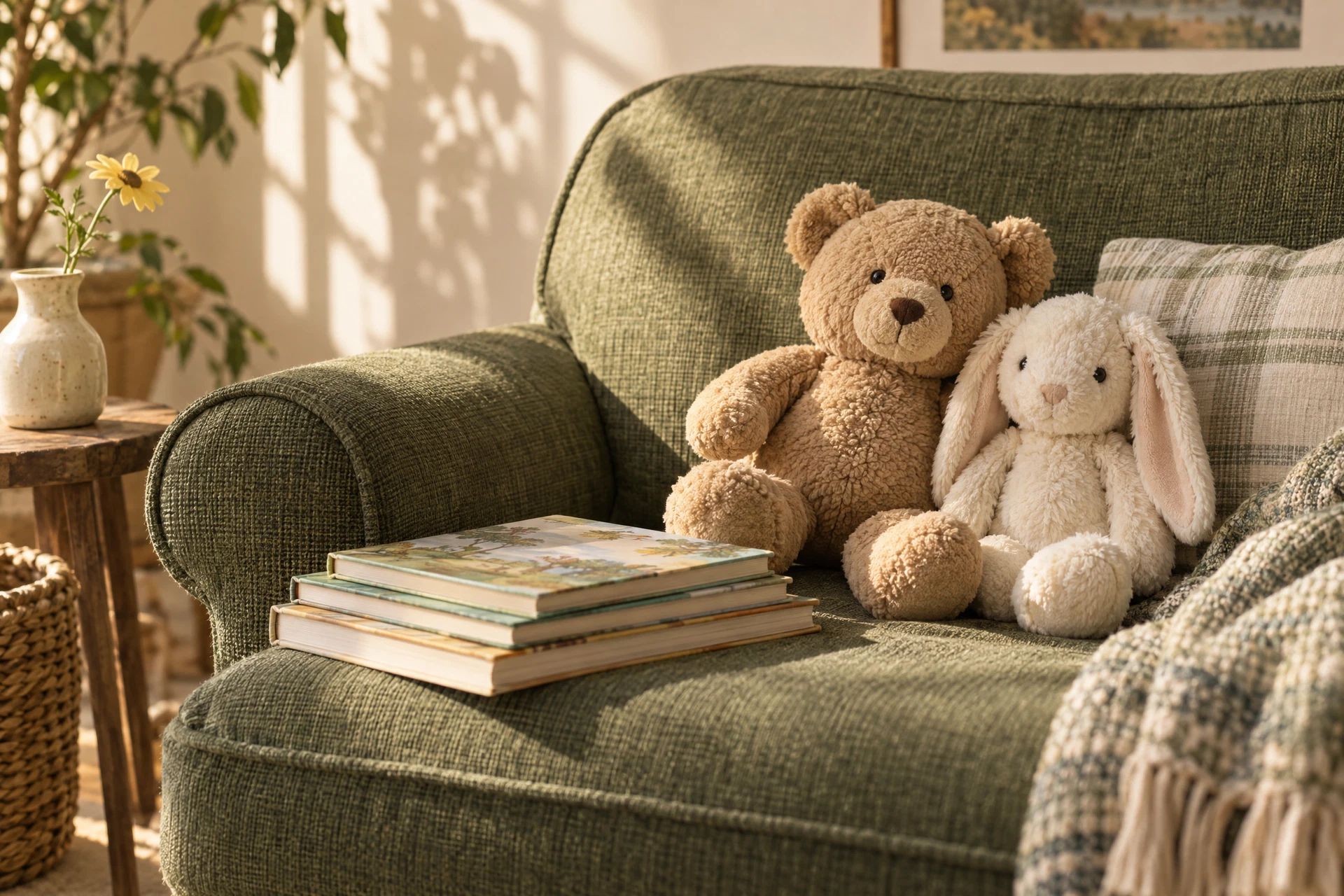
Trendy characters and seasonal crazes make store shelves change quickly, but picking a plush companion by personality produces longer-lasting satisfaction. A plush toy personality guide helps you evaluate temperament, intended use, and care needs so the soft friend you bring home actually fits into daily life rather than becoming another impulse buy. Focusing on personality means thinking about who the plush will live with, how it will be used, and the emotional or aesthetic role it should play.
This article narrows the decision to concrete traits and practical criteria: quiet or expressive, display or play, travel-friendly or homebody, easy-care or delicate. I’ll walk through common buyer questions, typical mistakes, and a short worked example so you can match a plush’s character to a real person and circumstance. When care matters, check the manufacturer’s label and follow those instructions rather than assuming any cleaning method is safe.
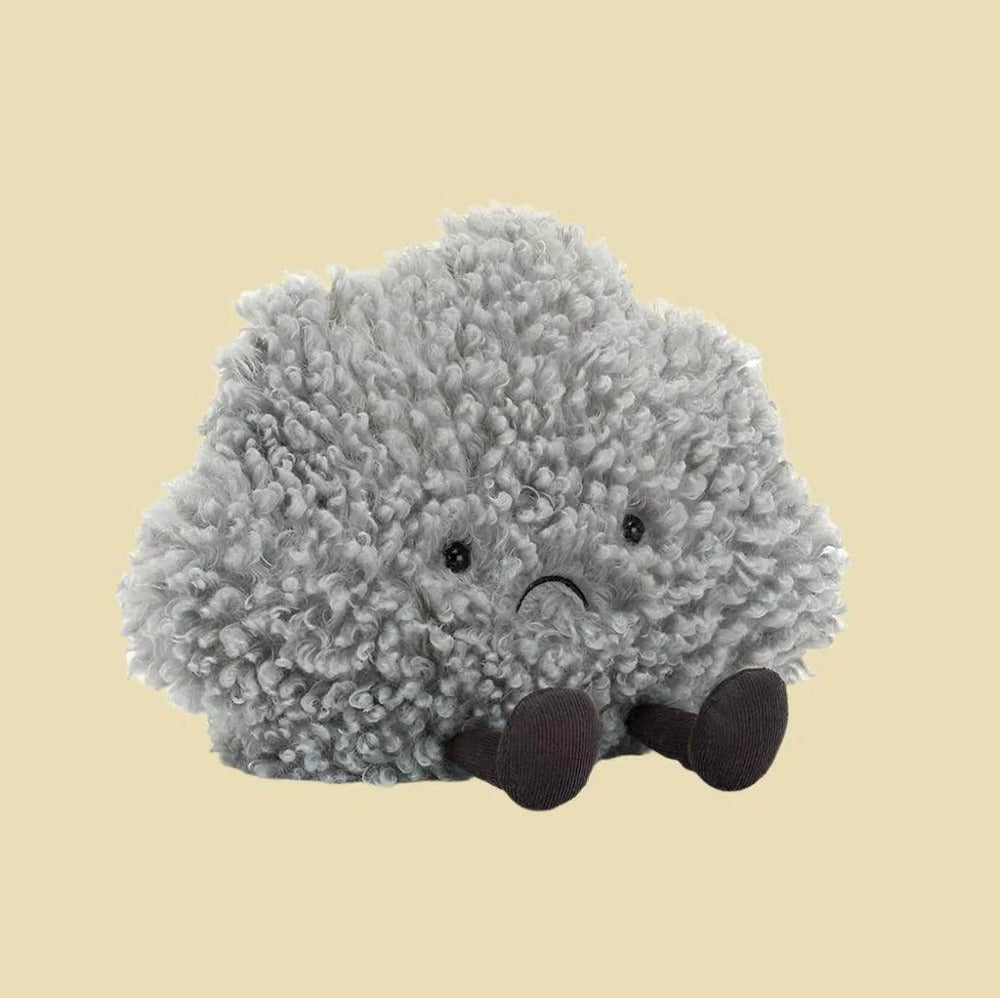
Define the role: companion, collector, or comfort object
Start by deciding what role the plush will fill. A companion for everyday comfort needs softness and approachable features—rounded shapes, flopped limbs, and a forgiving plush fabric. A collector’s piece, by contrast, might prioritize distinctive design, jointed limbs, or limited-edition details that look best on a shelf or in a protective case. Comfort objects should be both tactile and durable, while collectors may accept fragility for the sake of unique styling.
Checklist: ask whether the plush will be hugged daily, displayed, or occasionally handled. For display pieces, consider how sunlight, dust, and upright positioning affect longevity. For comfort objects, prioritize squishiness and stitch security. If you plan to show your interest in curated softies, browse a selection like the curious designs at the Curious Characters collection for ideas on how a plush can express personality without replacing practical considerations.
Assess temperament: bold, mellow, or whimsical
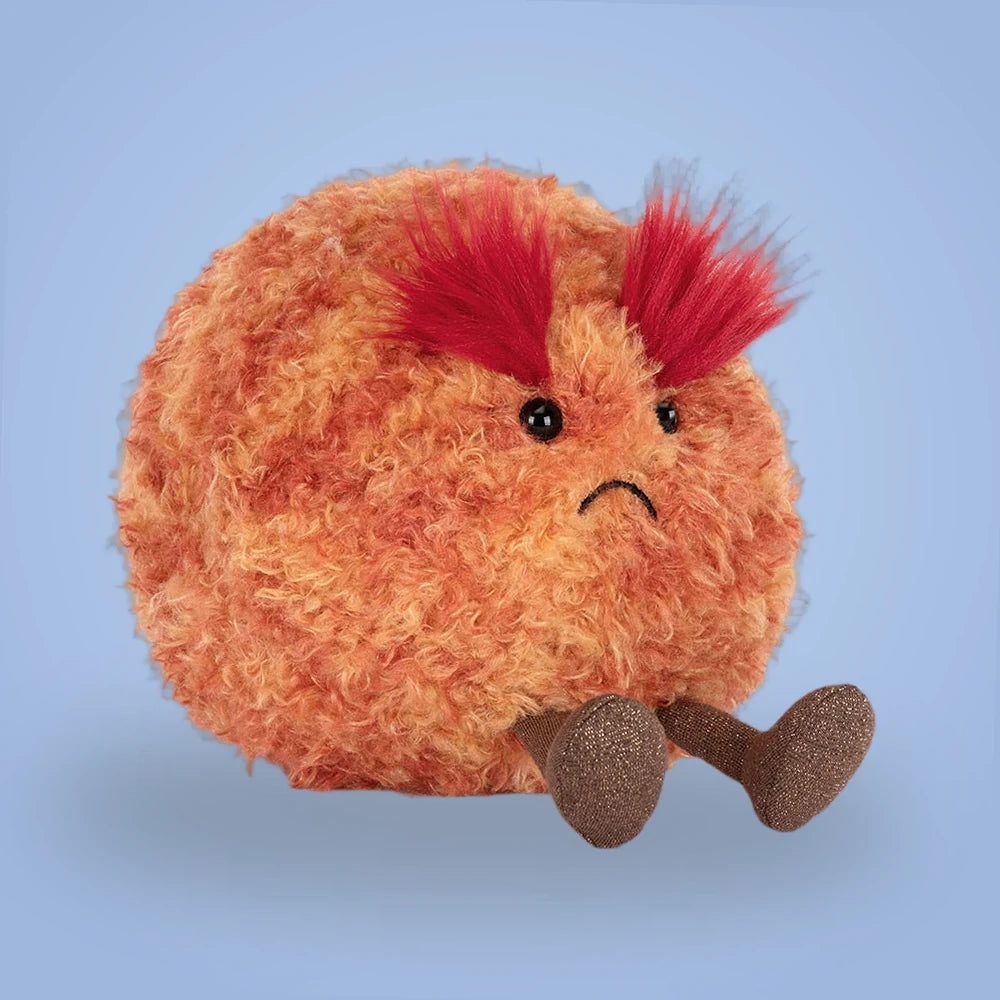
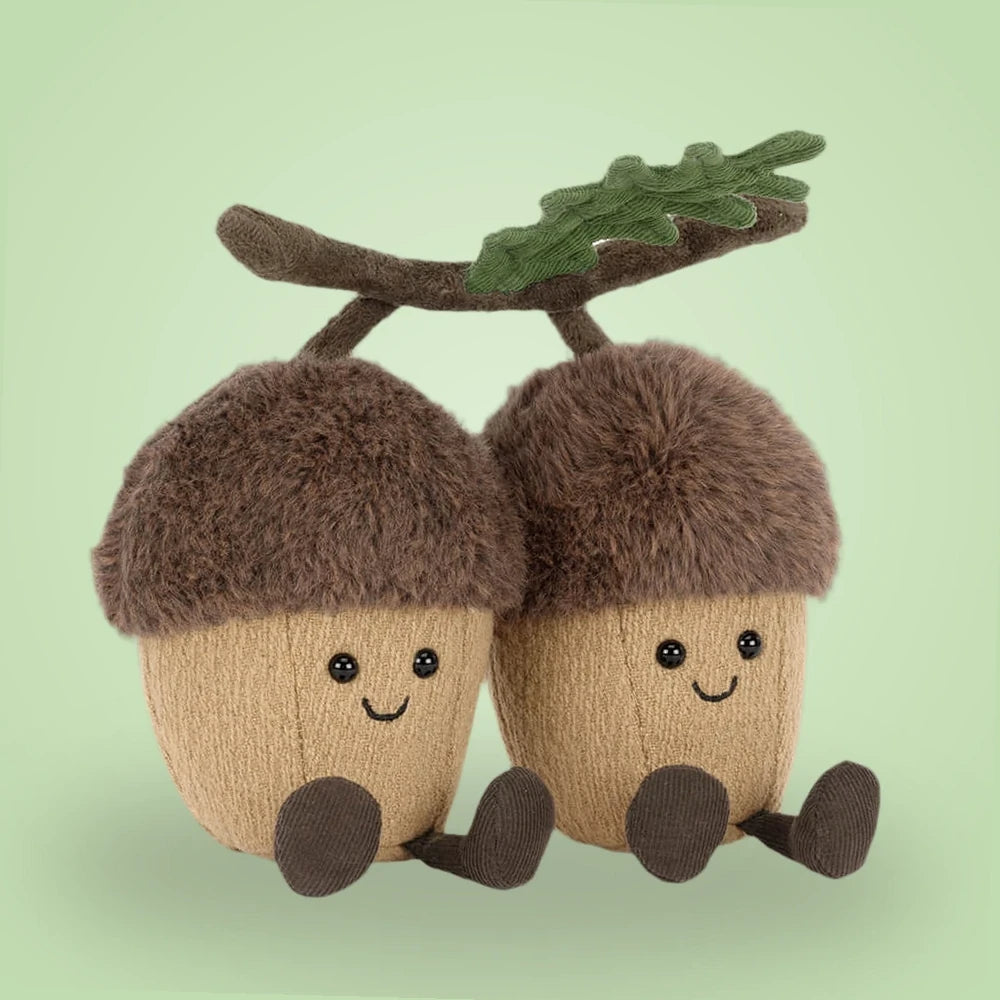
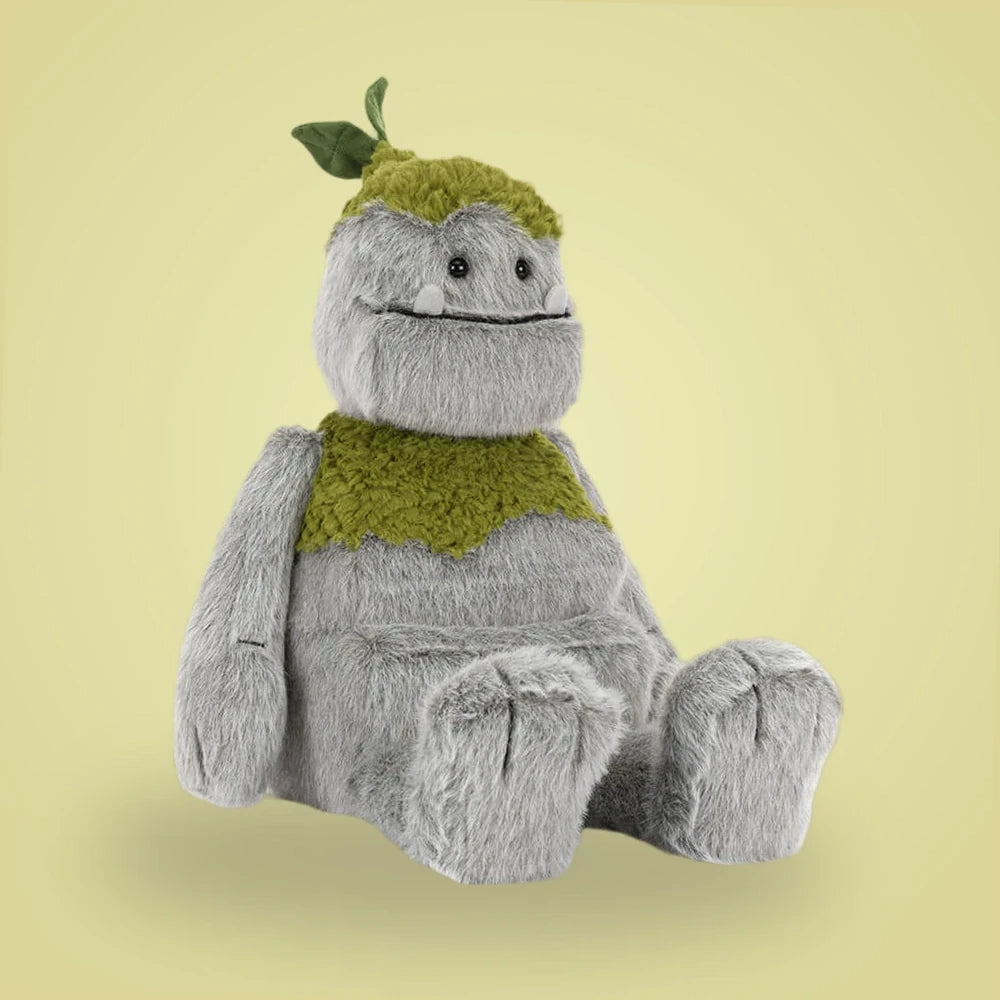
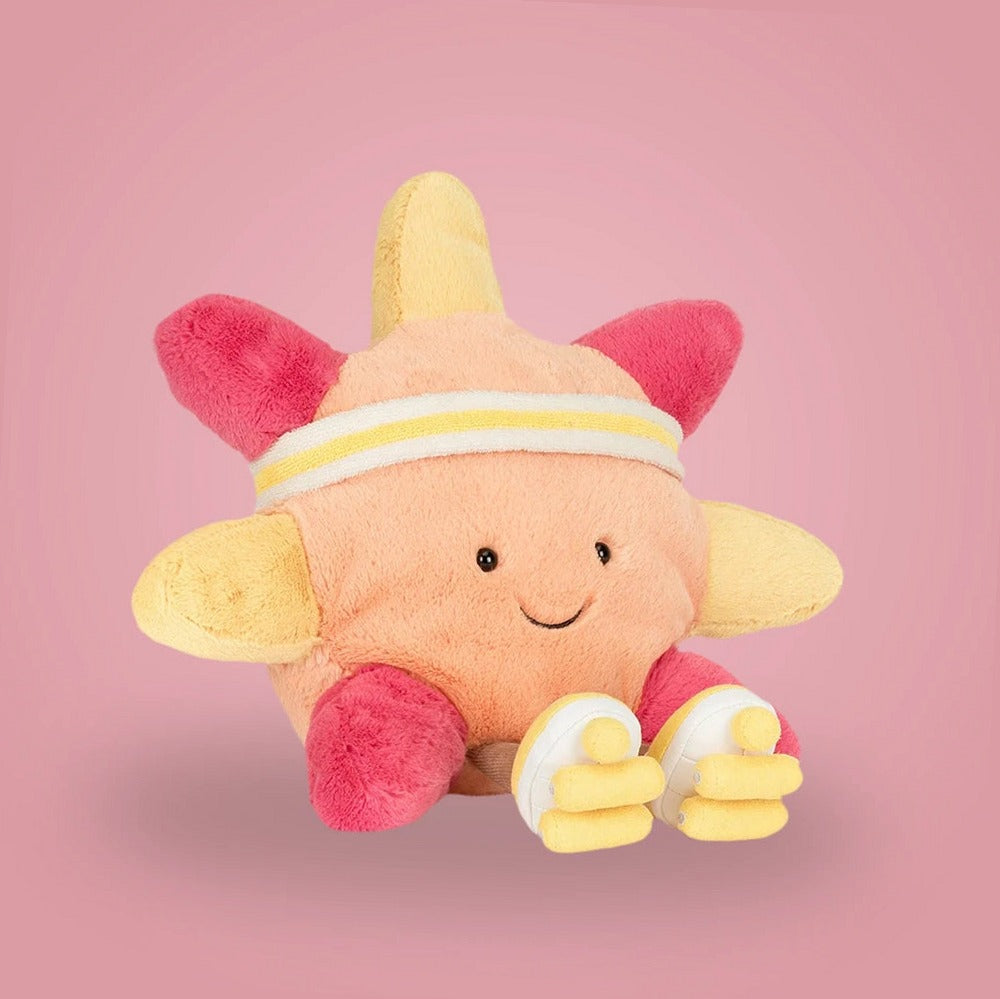
Think of temperament as the emotional tone you want the plush to convey. Bold plushes have vivid colors, wide eyes, and strong contrasts—great for someone who enjoys noticeable accents. Mellow plushes use muted palettes and soft features, suited to calming spaces like a bedside chair. Whimsical plushes combine unexpected textures, asymmetry, or playful expressions and appeal to people who like quirky companions.
Decision criteria: match bold pieces with energetic interiors and confident owners, mellow with reading nooks or sleepy spaces, and whimsical with creative environments. To test temperament in-store or at home, hold the plush for a minute and notice your emotional response: energized, soothed, or amused? That immediate reaction often predicts long-term attachment.
Size matters: lap-friendly, shelf-sized, or oversized
Size is more than scale; it affects usability and display. Lap-friendly plushes—small enough to hold comfortably—work well as comfort objects or travel companions. Shelf-sized designs showcase detail without overwhelming a space. Oversized plushes can dominate a room but provide a dramatic focal point or a child-sized hug. Consider storage and transportation: a huge plush may be beautiful but impractical in a small apartment.
Concrete ideas: measure the likely display spot before buying. For travel companions, choose a plush that fits a carry bag or has compressible stuffing. For shelf displays, confirm the shelf depth and weight capacity. If you’re unsure, pick a mid-sized plush that balances display appeal with occasional handling.
Material and finish: tactile cues for personality
Different materials communicate different personalities. Velvet or velour reads as refined and calm, fuzzy knits feel homey and warm, and mixed textiles with embroidered details suggest artisan whimsy. The finish also dictates how the plush will age: short pile fabrics show fewer matting issues, while long plush fur can look luxurious but requires more gentle maintenance.
When comparing options, rub a small patch to check texture and shedding. Imagine the plush after months of handling—will it still read as the same personality or become matted and less appealing? If care is a concern, consult the product’s care guidance and plan for periodic gentle maintenance rather than assuming a fabric is hard-wearing.
Intended user: kid, teen, adult, or pet
Who will mostly use the plush changes the decision tree. Children often prefer bright colors and tactile contrast; teens may want something expressive or minimal to match a room theme; adults might favor understated design or nostalgic shapes; pets need chew-resistant seams and safe materials. Each user type also implies different wear patterns—constant play, occasional display, or frequent travel.
Common mistake: choosing a toy that suits the buyer’s taste but not the intended user’s habits. If the recipient is a child, check age guidance and the manufacturer label. For pets, look for reinforced construction and easy-clean suggestions, but always verify materials and care with the label instead of assuming suitability.
Practical maintenance: how care changes personality
How you can clean and maintain a plush affects its everyday personality. A toy that can be refreshed easily will keep its bright, friendly look; one that requires delicate spot-cleaning may become a decorative piece rather than a handled friend. Best practice: read the product tag first and decide if the listed care matches your lifestyle. If not, choose a different plush that aligns with your willingness to clean and preserve it.
Provide realistic examples: if you expect spills or outdoor use, prefer plushes with removable covers or fabrics that tolerate surface cleaning. If you want an heirloom-style piece, accept that it may need careful spot treatments and occasional professional cleaning. For general maintenance guidance, check the manufacturer's care instructions at our care guide before finalizing a purchase.
Common mistakes and how to avoid them
Buyers often rely on trend-driven imagery or impulse colors rather than matching personality and use. Avoid this by creating a short checklist before shopping: intended role, temperament, size limits, user type, and care tolerance. Another frequent error is ignoring proportion: a tiny plush in a large room will look out of place, while an oversized plush in a small space becomes a tripping hazard.
Practical avoidance tips: take photos of the intended space to compare scale, measure potential display surfaces, and ask the seller specific questions about construction and care. If you’re purchasing for someone else, consider their daily habits—do they commute? Do they have pets?—and choose a plush whose personality fits that context. For vendor questions use the the contact page page to clarify anything not listed.
An actionable example: matching a plush to a commuter friend
Scenario: you want a plush for a friend who commutes by train, enjoys reading on the way, and keeps a small apartment. Personality needs: portable companion, low-maintenance, comforting without being bulky. Decision steps: choose a lap-friendly size that fits a commuter tote, select short-pile fabric to resist matting from frequent handling, and prefer neutral or soft colors that match multiple environments.
Checklist to follow: measure the tote or bag opening; confirm the plush fits when slightly compressed; read the care label for simple surface cleaning; pick a temperament—mellow or whimsical—based on your friend’s taste. For bulk or wholesale procurement for gifts or events, consult the wholesale inquiries information to learn about ordering processes rather than assuming immediate availability.
Explore the details before choosing
Take a closer look at Curious Characters, review our plush and clothing care guidance, or ask about specifications and availability before making an order request.