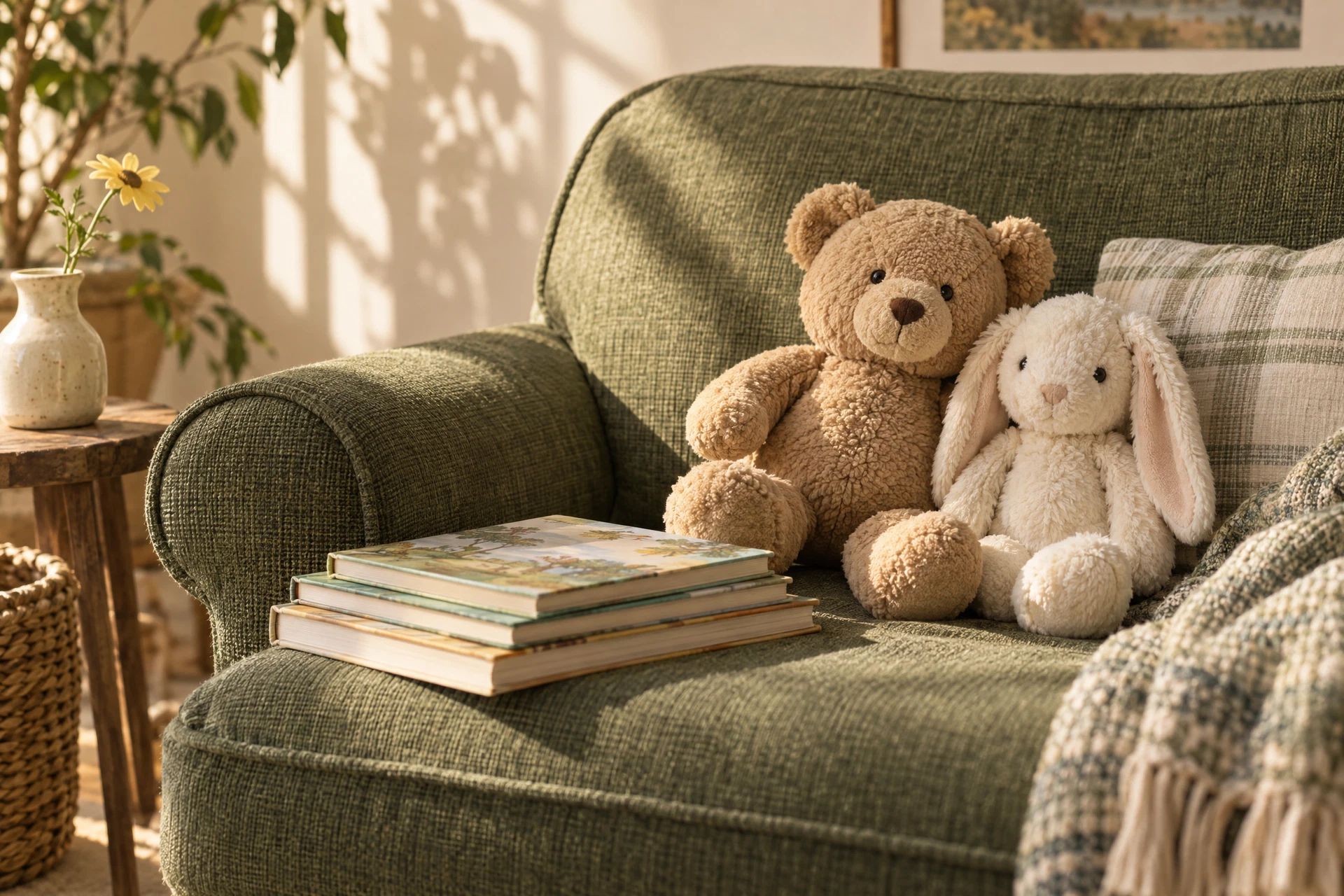
Starting a stuffed animal collection can be a joyful, tactile hobby that rewards curiosity, memory, and design sense. The same charm that makes plush appealing—softness, color, variety—can quickly produce a messy pile if you don’t set intentional boundaries. This guide focuses narrowly on how to assemble a meaningful group of plush toys while keeping living space orderly and practical. Expect concrete criteria for buying, displaying, storing, and caring for your collection, plus a short example starter set you can adapt.
Before you acquire anything, decide what 'collection' means to you: a rotating seasonal shelf, a curated shelf for photography, a travel-themed group, or a sentimental handful of companions. These purposes determine the right scale and storage solutions. You’ll find checklists and decision rules that help you resist impulse buys, common mistakes collectors make, and easy systems to keep the collection feeling purposeful rather than burdensome. If you need specific product browsing, consider starting at the Curious Characters collection at the Curious Characters collection.
Define Purpose and Limits
A focused reason for collecting is the single best defense against clutter. List three motivations: visual display, comfort/usage, photography/prop work, gifting, or thematic curation (animals from a region, characters, colors). Limit the collection by one concrete metric such as number (e.g., ten key pieces), shelf space (one 3-foot shelf), or monthly acquisition (one new plush per quarter). Those constraints make decisions faster and eliminate the slow creep of extras.
Create a short written policy you’ll follow for purchases: a price range, size range, and a theme. For instance: 'No plush over 18 inches, budget under $50, only canine-themed toys.' Keep this policy where you can read it before shopping—on your phone notes or as a printed card by your display. When you find a tempting piece, run it against the policy quickly: if it fails two rules, skip it.
Common mistake: collecting without limits, then feeling guilty and storing extras in bags. A practical rule is 'one in, one out' for every acquisition after you hit your limit. That keeps your collection steady and encourages thoughtful curation.
Choose a Display Strategy
An uncluttered collection begins with a deliberate display. Decide whether you want a focal arrangement (one shelf with carefully placed pieces), several small vignettes (small groupings around the room), or storage-plus-rotation (most in bins, a few on show). Focal arrangements make a smaller collection read as intentional; vignettes work well if your living space has multiple surfaces.
Practical display ideas: use a shallow shelf to keep plush from toppling, stagger heights with small risers, and leave breathing room between items. For thematic presentation, place a single label or tiny card explaining the theme—this adds meaning while discouraging random additions. If you want to change displays seasonally, plan a rotation schedule and store off-season items properly.
Avoid overstuffing a shelf. A good visual rule is to fill only 60–70% of the available width and height so pieces look curated, not crammed. This also makes cleaning and rotating easier.
Scale by Size and Space
Size is a key control on clutter. Large plush demand storage space and visual dominance; small plush multiply quickly. Decide on an acceptable size range for your collection and stick to it. For mixed-size collections, designate specific zones: large pieces live on the floor or a bench; medium ones sit on a main shelf; tiny items are kept in a contained box or shadow tray to avoid visual noise.
Measure your display area and translate that to a target inventory. If a shelf is 36 inches wide, estimate how many medium plush (about 8–10 inches wide each) it will comfortably hold with spacing—often 4–5. That gives you a concrete cap to keep the collection tidy. Use clear plastic bins for overflow, labeled by season or theme, so stored plush don’t reappear randomly and clutter surfaces.
Buy with Rules, Not Emotion
Impulse purchases are the fastest path to clutter. Before buying, run a simple checklist: Does it meet your collection policy? Is it an upgrade or unique addition? Do you have space for it now? If you can’t answer 'yes' to at least two of these, delay the purchase. Add desirable items to a wishlist and revisit after 30 days—this waiting period curtails impulse accumulation.
Another tactic is budgeted buys. Set an annual or quarterly toy budget and allocate it to specific goals (one big piece or three smaller items). Budgeting helps prioritize and prevents spontaneous buying that undermines your display plan. When shopping for multiples—sets or blind-box toys—consider whether you’ll display all or keep most boxed; boxed extras should have preassigned storage to avoid overflow.
Maintenance and Care Basics
Caring for plush is an ongoing part of keeping a tidy collection. Regular light maintenance—dusting, occasional surface cleaning, and quick repairs—prevents pieces from becoming eyesores or damaged. Follow the manufacturer’s care label for specific instructions; never assume machine washing is appropriate. For surface cleaning, use a lint roller, a brush with soft bristles, or spot-cleaning with a damp cloth and mild detergent, testing a hidden seam first.
Schedule maintenance into your routine: a quick dusting weekly for displayed items and a deeper check every three months when you rotate pieces. Keep a small repair kit with needle and thread, spare safety eyes (if applicable), and fabric glue for minor fixes. Clean, orderly pieces make it easier to enjoy and keep the collection small and attractive.
Storage Solutions That Respect Space
Good storage keeps off-season or surplus plush accessible but out of sight. Use breathable fabric bins or clear plastic bins with lids; label each bin by theme or season to speed retrieval. Vacuum-seal bags can save space for soft, washable items but check labels and avoid compressing delicate stuffed animals. Store bins off the floor if possible to protect from moisture.
For sentimental pieces you want to preserve but not display, consider an archival box with acid-free tissue for long-term storage. If you rotate often, keep rotation-ready boxes near the display area so the swap is quick. Avoid tossing extras into a closet without labeling—out of sight often becomes forgotten clutter.
A Small Starter Set: Practical Example
Here’s an actionable starter set for someone beginning with 10 pieces and a 36-inch shelf. Choose one large anchor plush (floor or bench), three medium display plush (shelf), four small accent plush (two in a shadow tray, two on smaller surfaces), and two themed keepsakes (boxed or shelf). This mix provides visual variety and limits the total number to a manageable ten.
Use the previously mentioned display rules: allocate 60–70% of shelf space for the three medium pieces, place the large anchor on a separate surface, and contain small accents in a tray to avoid scattering. Keep one storage bin labeled 'rotation' for the themed keepsakes or seasonal swaps. This template offers a concrete way to start collecting without letting the number of items drift upward unchecked.
Mistakes to Avoid and Decision Triggers
Common pitfalls include: accepting every gift in the name of collecting (establish a plan for gifts), hoarding duplicates, and failing to set a display rule. Create a simple decision trigger: if you get a plush as a gift and it doesn’t fit your theme, either renegotiate its place (e.g., in a guest room) or plan a thoughtful rehoming strategy—donating or gifting it forward—so it doesn’t end up in a storage heap.
Another trap is letting nostalgia override practical limits. Keep one 'memory shelf' for sentimental items and limit it strictly. If you find your collection spilling into multiple rooms, that’s a sign to downsize following your one-in, one-out rule. If you need to ask questions about sourcing, returns, or bulk options, contact the shop via the contact page or explore wholesale inquiries at wholesale inquiries.
Keeping the Collection Fresh
Rotation is the simplest way to keep a small collection feeling lively without adding pieces. Plan seasonal or quarterly swaps: put displayed items in a 'rotation' bin and bring in fresh ones from storage. This extends the life of each toy and keeps your displays interesting while maintaining a constant collection size.
If you photograph or catalog your collection, keep a short log with acquisition dates, condition notes, and display location. Cataloging helps you decide what to sell, donate, or keep and prevents duplicate purchases. For care tips and cleaning techniques beyond label guidance, check the care resource at our care guide to align your routine with best-practice suggestions.
Explore the details before choosing
Take a closer look at Curious Characters, review our plush and clothing care guidance, or ask about specifications and availability before making an order request.