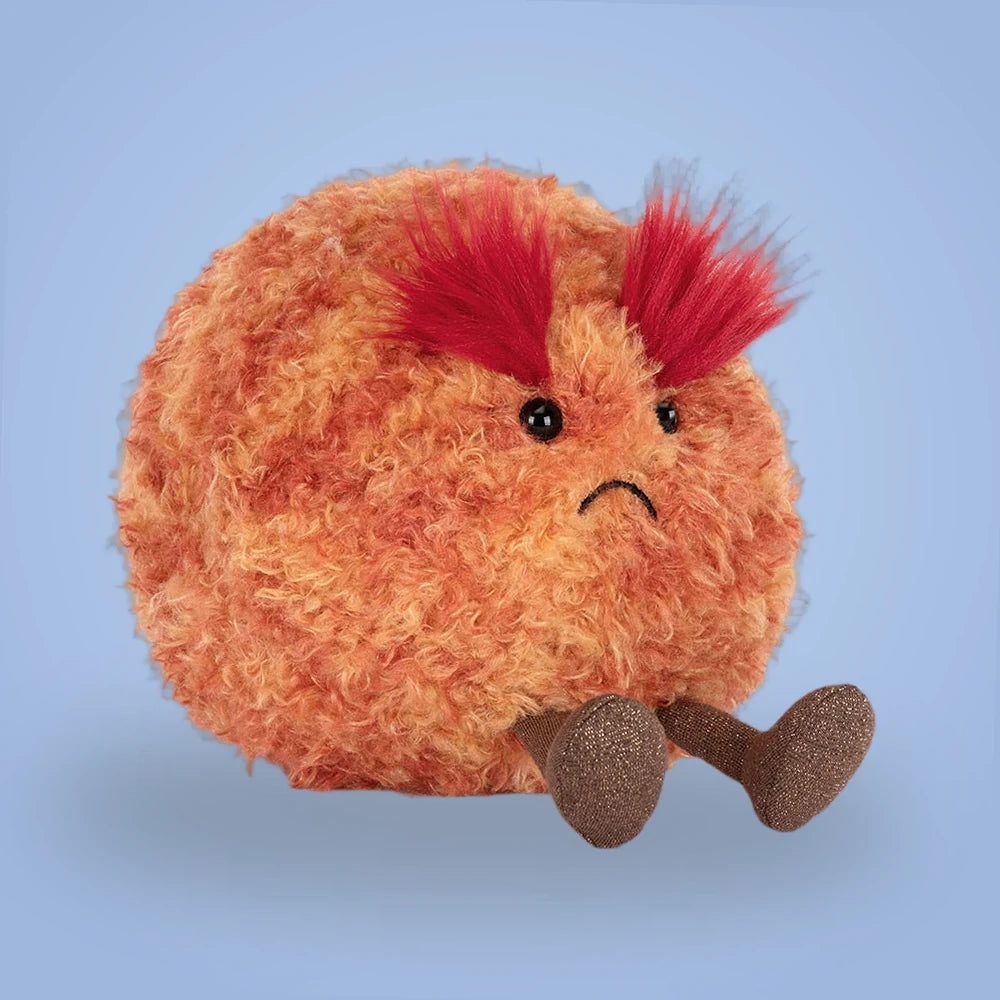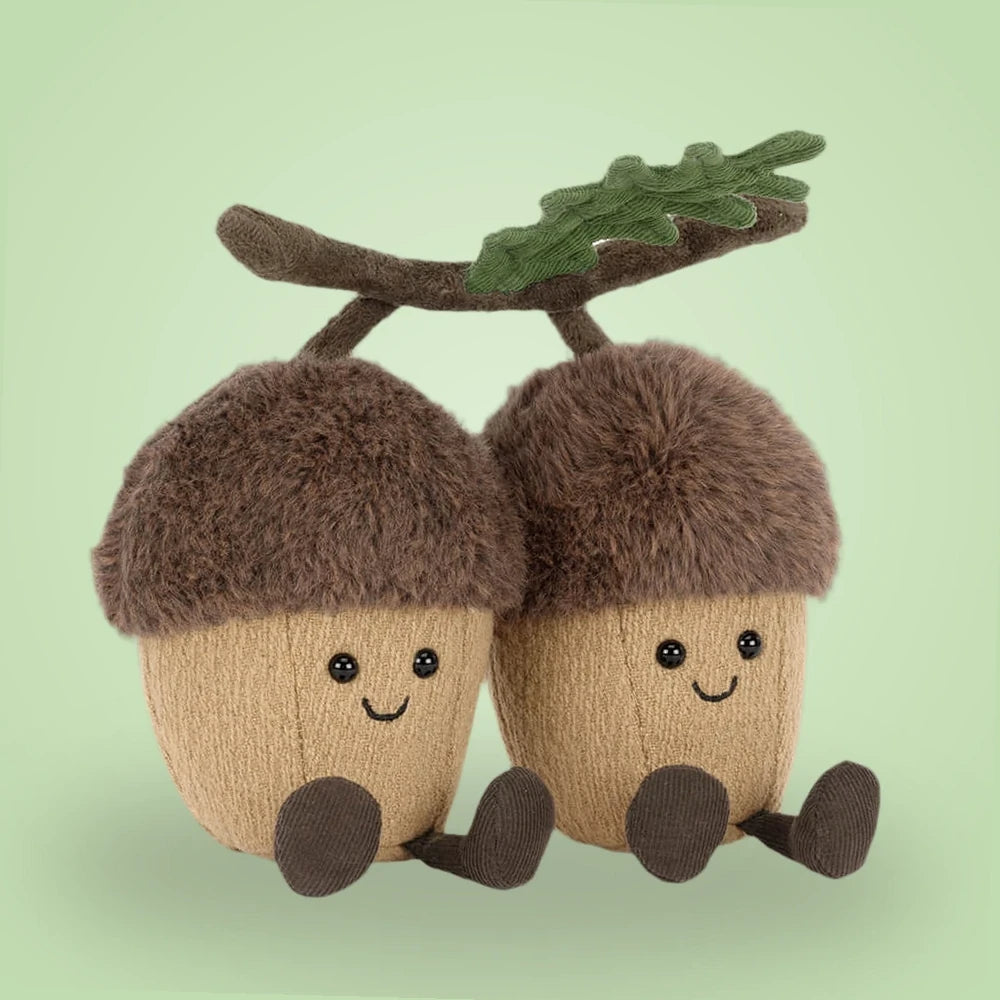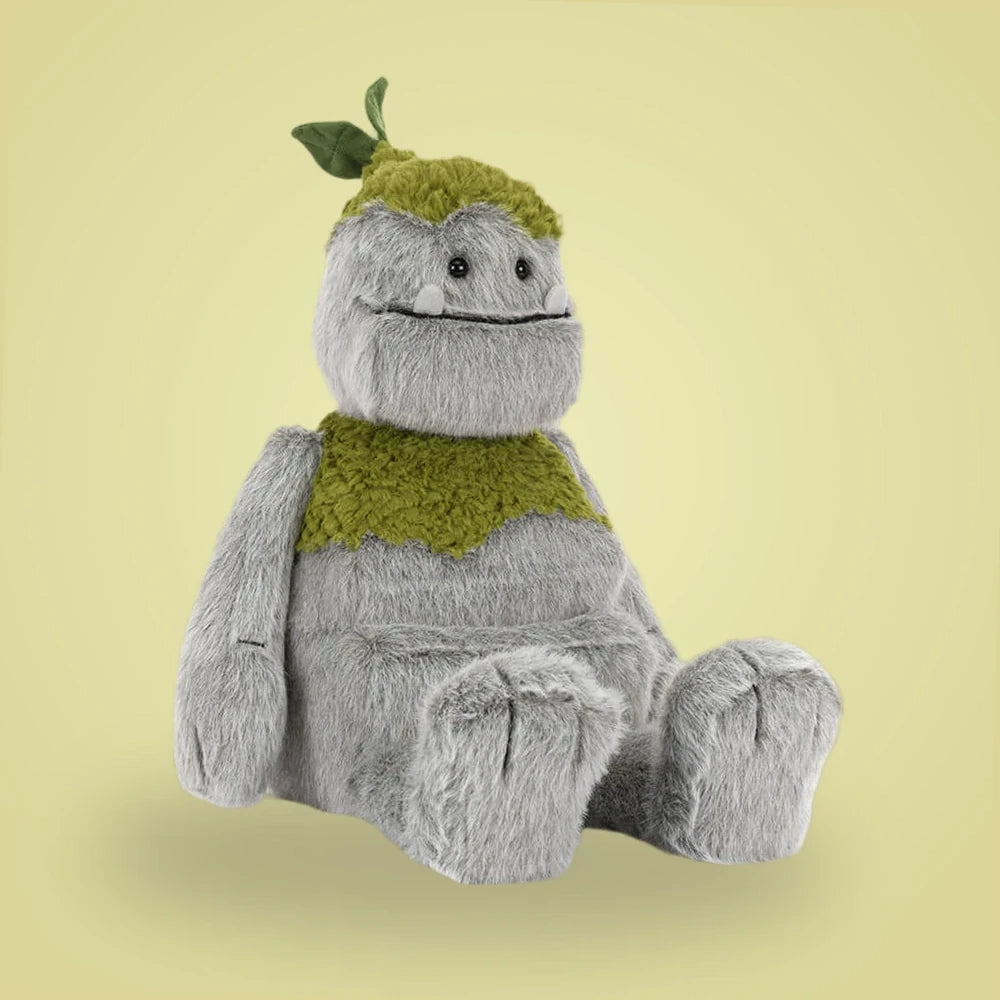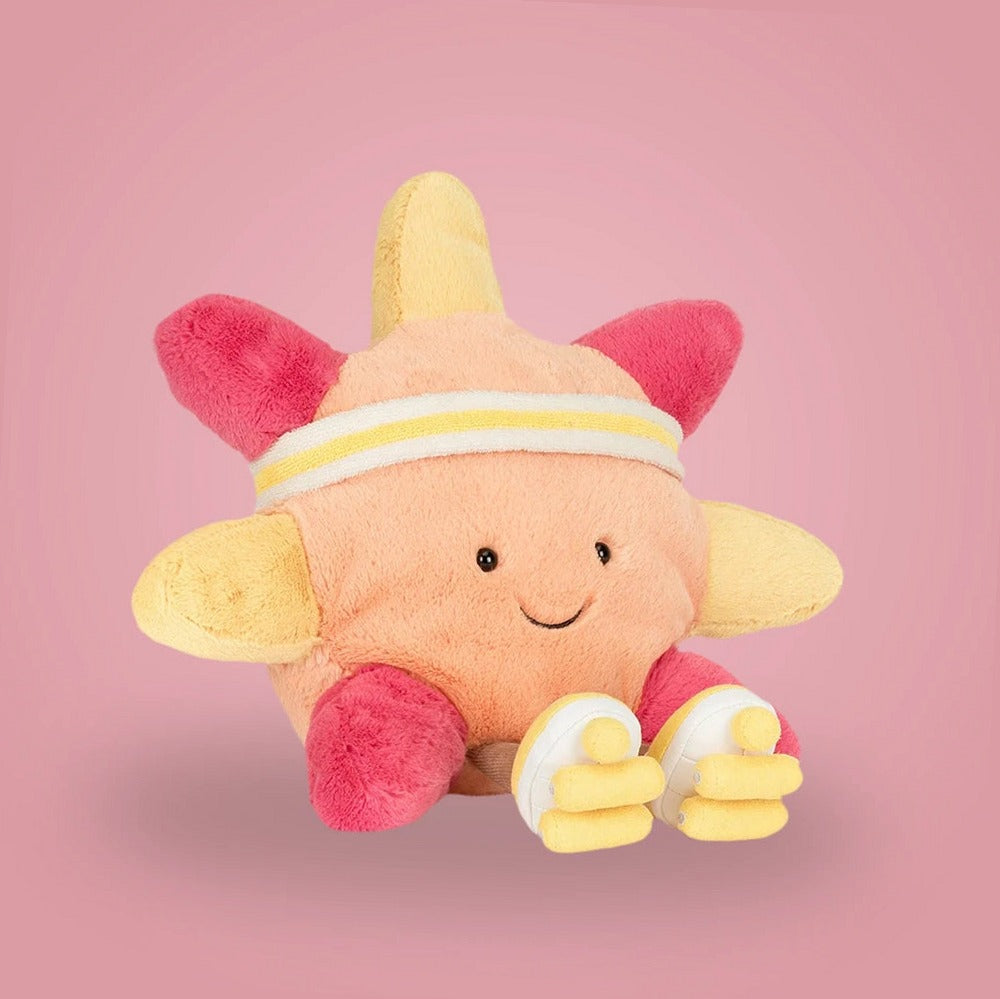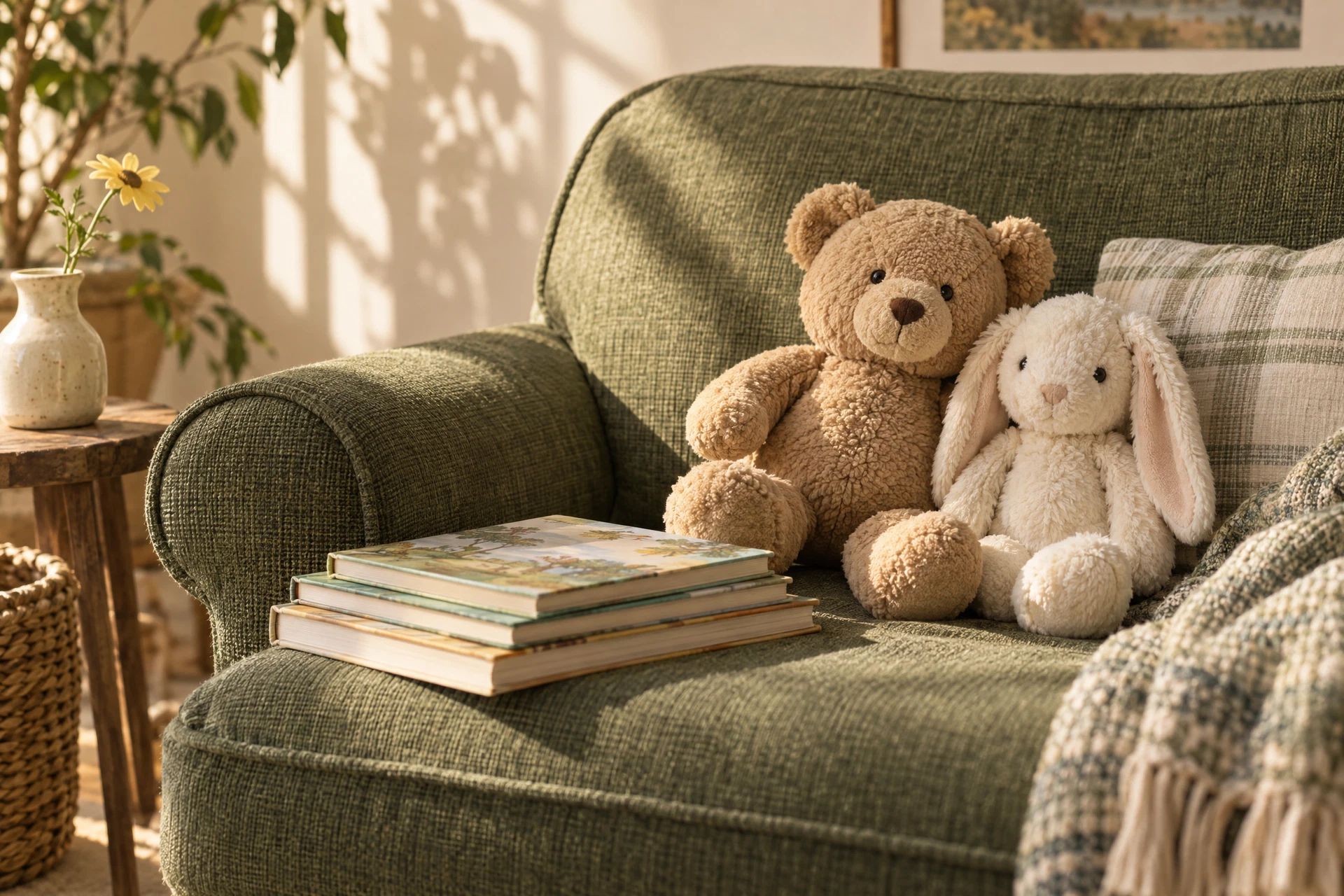
When you need to compare plush toys, whether for a gift, a store shelf, or personal collection, the decisions are mainly technical: materials, stuffing, construction quality, safety features, and careability. Start by writing down which attributes matter most to you—durability, texture, washability, price, or character accuracy—and treat each attribute as a criterion to score, not a gut reaction. This turns an emotional choice into a manageable, reproducible process.
A side-by-side comparison eliminates guesswork. Lay both toys out under good light and use the same sequence for each inspection: label and tag reading, external fabric and seams, internal feel and weight, and then test practical aspects like fasteners and surface details. Below are clear sections and checklists to help you compare plush toys with confidence, including a short worked example at the end.
Start With the Label and Manufacturer Information
The label is the single most reliable starting point. It usually lists fabric content, care instructions, and safety warnings. Note brand names, model numbers, and any declared materials such as polyester, cotton blend, or specialty fibers. If a manufacturer lists specific care methods, record them and use that information when you compare washability and long-term maintenance.
Check for clear safety markings and any age guidance. If the toy lacks expected labeling or the label is ambiguous, score that design lower for transparency. For more on cleaning recommendations and to learn specific care terms, consult a dedicated resource like the store’s care page at our care guide.
Assess Outer Fabric and Texture
Run your hand across the surface to evaluate pile density, nap direction, and whether the fabric traps loose fibers. High-pile plush may be softer but can pill or mat with handling; short, tight knits often stand up to frequent hugging better. Note how quickly the fabric springs back when you press it and whether faint pile lines show from thumbprints—this indicates memory and resilience.
Look for colorfastness issues by rubbing a damp white cloth lightly over an inconspicuous spot. If color transfers, mark that as a negative because it complicates washing and may stain other fabrics. Also compare printed details versus embroidered ones; printing can fade, while embroidery is usually more durable but may have raised threads that snag.
Examine Construction: Seams, Stitching, and Reinforcement
A plush’s longevity depends heavily on seam quality. Inspect seam lines for even, tight stitches and check stress points—limbs, neck, and tail—for double stitching or bar-tacks. Gaps, puckering, or loose threads are red flags. Gently tug each limb to notice any seam strain; a small give is fine, but visible widening or thread fraying should lower the score.
Open areas like zippers or removable clothing deserve extra attention. Ensure any closures are sewn securely and that attachments (buttons, eyes, ribbons) have reinforced stitching or backing. If you’re comparing two toys intended for frequent handling, prioritize the one with cleaner, more robust construction even if the other has a slightly more appealing finish.
Evaluate Filling, Weight, and Shape Retention
Squeeze the body, limbs, and head to assess the filling type and density. Polyester fiberfill offers loft and bounce, while pellet or bead fillings add weight and a different drape. Consider what you prefer: a sculpted, firm form that holds pose, or a floppy, cuddly shape. Note any lumps or uneven distribution—these are signs of poor stuffing technique that will worsen with use.
Pressure-test for shape recovery by compressing and then releasing. A well-stuffed plush should regain its form relatively quickly and evenly. If one toy compresses into a thin mass or shows persistent creases, it will likely need early restuffing or replacement. Compare weight distribution too; heavier bases can help a plush sit upright while evenly weighted toys appear more natural when posed.
Check Small Parts, Fasteners, and Safety Details
Small parts—plastic eyes, beads, buttons, and sewn-on decorations—create specific risks and maintenance needs. Inspect how these pieces are attached: sewn-through, riveted with backing, or glued. Prefer attachments that have stitching or interior reinforcement. Note anything that could detach with a firm tug or that has exposed sharp edges.
If one toy has embroidered eyes and the other has plastic button eyes, weigh safety versus aesthetic. Embroidery is generally lower risk for loosening; plastic parts can be polished and detailed but are also potential choke hazards if not adequately secured. Record which toy you’d trust more around younger handlers based on this examination, and always rely on the manufacturer’s age guidance when relevant.
Compare Cleanability and Ongoing Care
Washing and care matter strongly for long-term ownership. Compare instructions on each label and think practically: can you spot-clean, surface-wash, or remove a cover? If the toys differ in recommended care, list real-world implications—one might be suitable for regular household laundering, while the other needs delicate hand-washing or professional cleaning. Note that you should always follow the label’s directions rather than assuming machine washing is safe.
Consider how each toy will fare between cleanings. High-pile fabrics may trap crumbs and pet hair; light-colored toys show stains sooner. If one has removable clothing or machine-washable parts, that can be a deciding factor for a messy household. For general maintenance tips and stain treatment language, the store’s care resource at our care guide can help you interpret common instructions.
A Practical Scoring System and Common Mistakes
Create a simple scoring sheet with categories: label transparency, fabric durability, seam quality, filling/shape, fasteners/safety, and care. Assign 1–5 points per category and total the scores. This quantifies a subjective process and lets you justify choices. When comparing two toys, you’ll quickly see which features consistently outscore the other and why.
Avoid common mistakes like letting color preference overshadow durability concerns or assuming two similar-looking toys equal similar quality. Don’t ignore the label or skip stress-point checks. Another frequent error is overvaluing novelty details—sequins, glitter, or tiny accessories can introduce maintenance and safety issues that outweigh their appeal. Keep your scoring anchored to the priorities you set at the start.
Actionable Example: Comparing a Floppy Bunny vs. a Sculpted Bear
Imagine you’re comparing a floppy bunny and a sculpted bear. Start by checking labels: the bunny’s label lists high-pile acrylic and surface clean only; the bear’s lists polyester knit and machine-washable instructions. On fabric, the bunny feels silkier but shows thumbprints; the bear has tighter knit that resists piling. Score the bear higher for everyday durability and the bunny for luxurious feel.
Look at construction: the bunny’s limbs are loosely attached and rely on single seams; the bear has reinforced joints and embroidered facial details. Filling tests reveal the bunny traps into folds while the bear recovers its shape. For small parts, the bunny’s eyes are plastic buttons; the bear’s eyes are embroidered. Totals will likely favor the sculpted bear if you prioritize durability and care ease, while the floppy bunny might win for tactile softness and display appeal.
Next Steps: Making the Final Choice and Follow-Up
After scoring, reflect on trade-offs. If your priority was machine-washability and the higher-scoring item meets that need, that’s an obvious pick. But if tactile comfort or character likeness was paramount, and the lower-scoring toy delivers more of that, choose accordingly. Keep your score sheet for future comparisons to refine what matters most to you.
If you need further details from the seller or want to inquire about bulk options, reach out through the store’s contact page at the contact page or explore wholesale information at wholesale inquiries. These steps help resolve questions about restocking, replacement parts, or alternative colorways before you commit.
Explore the details before choosing
Take a closer look at Curious Characters, review our plush and clothing care guidance, or ask about specifications and availability before making an order request.