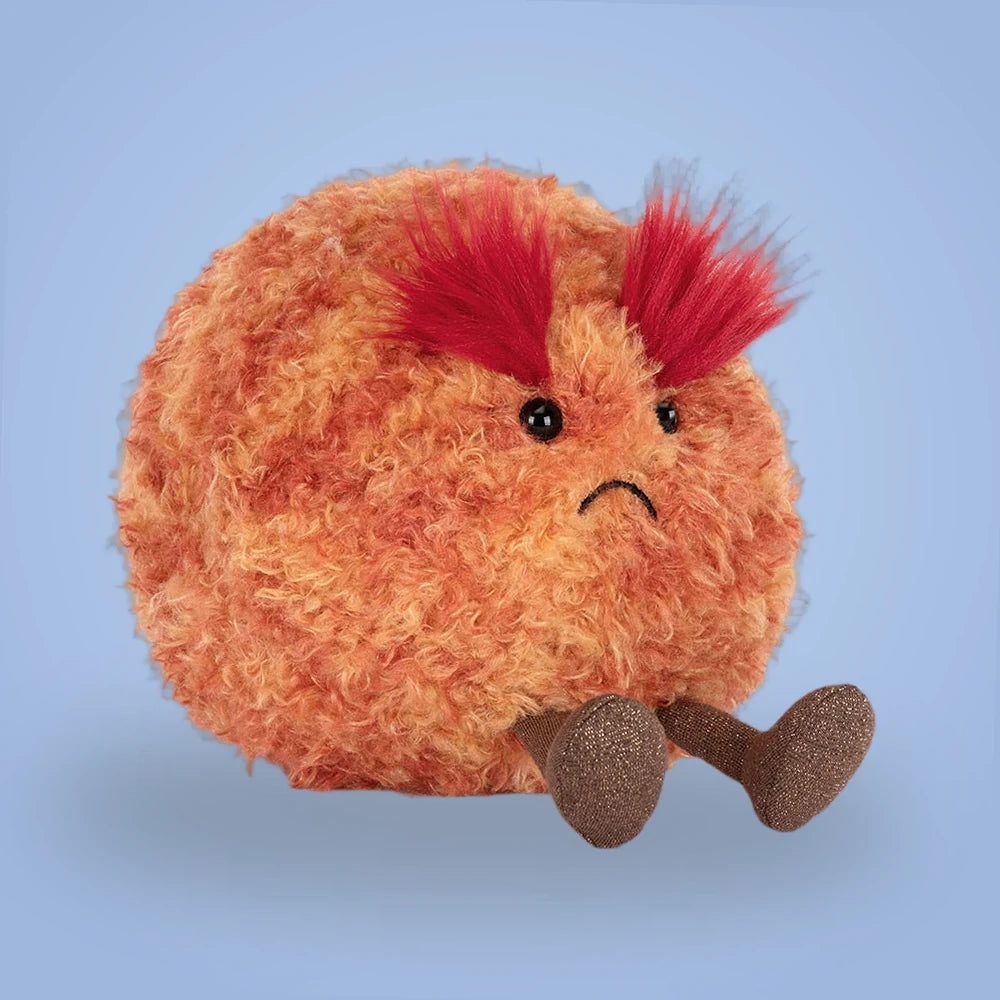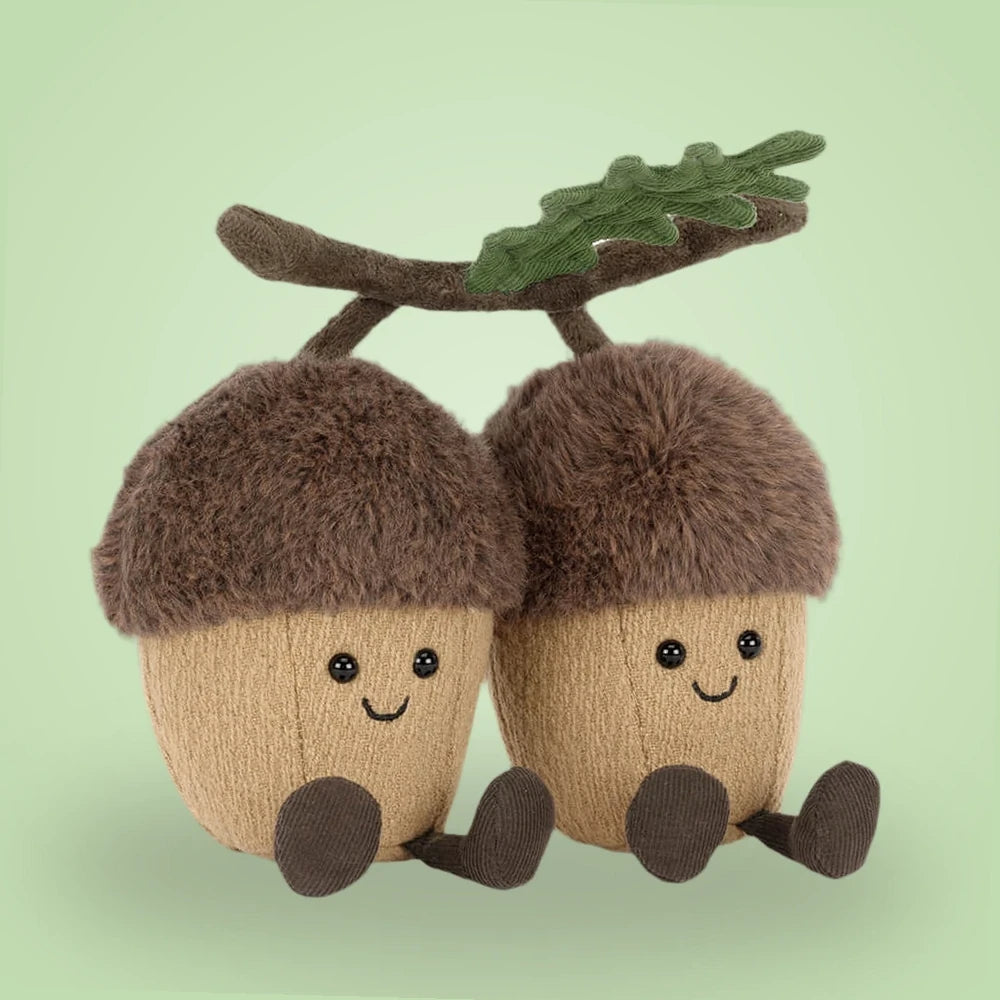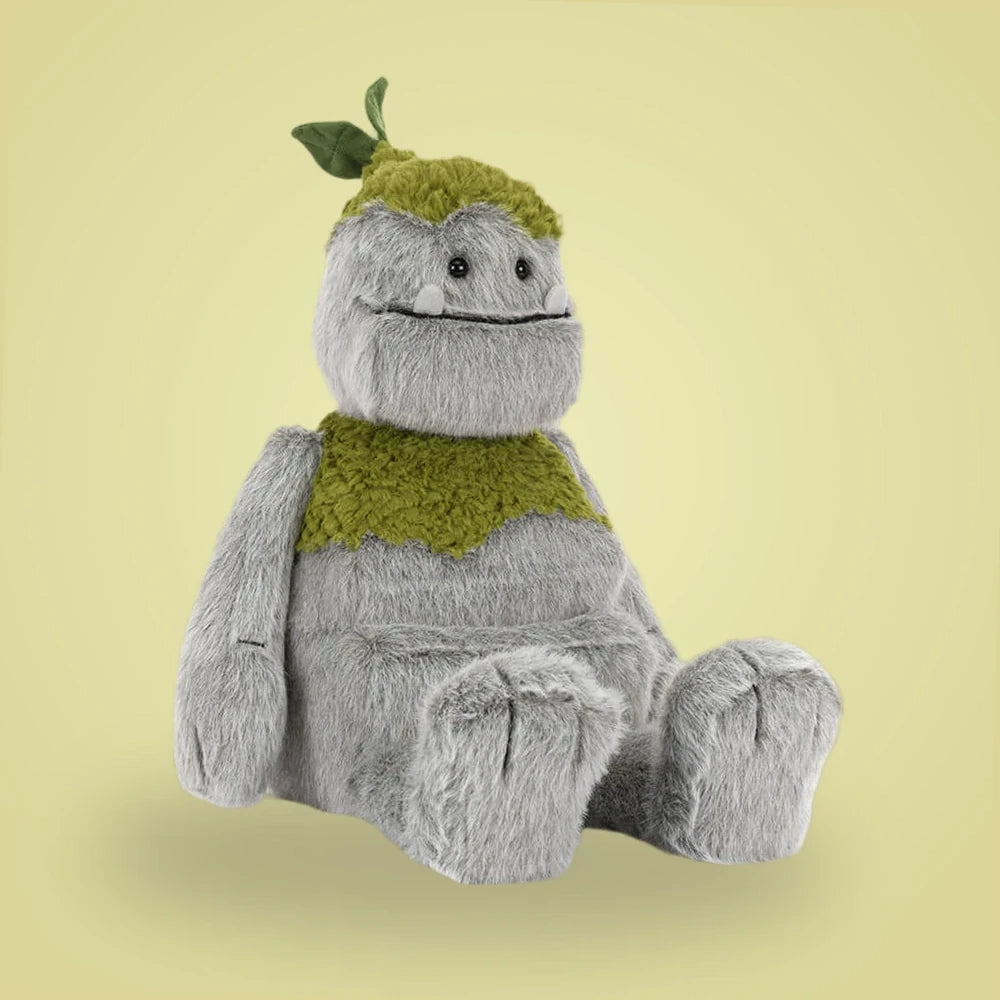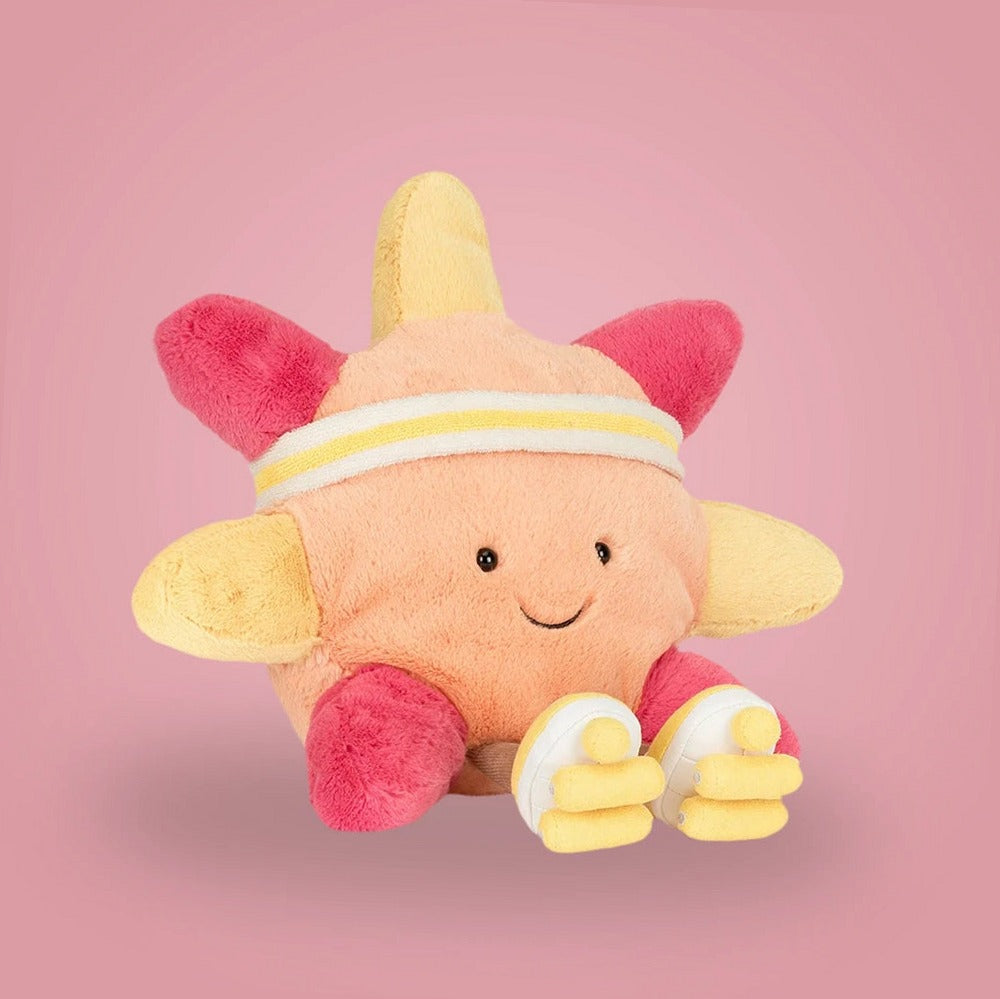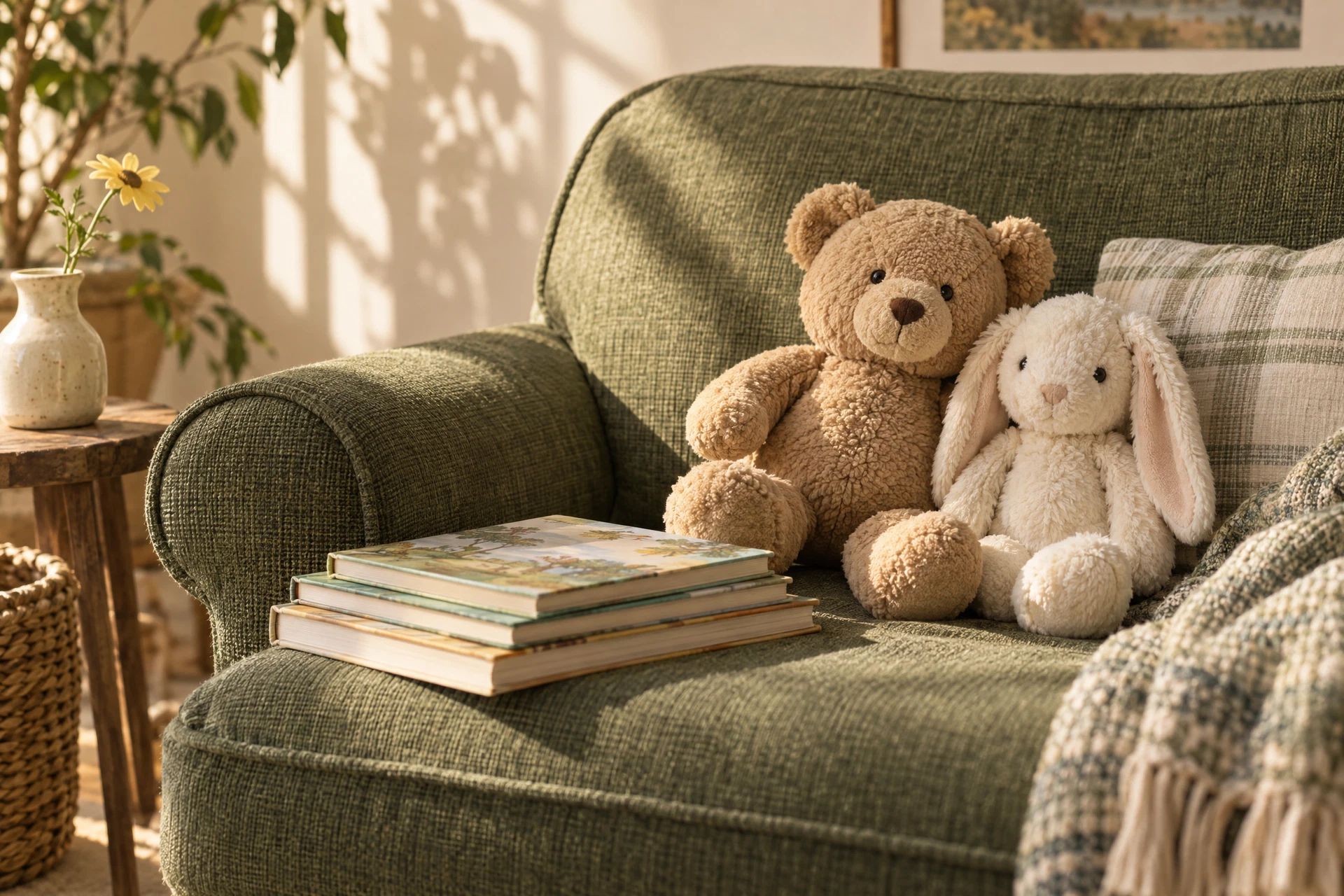
Open shelving presents a beautiful way to show a plush collection, but the same visibility that makes it appealing also exposes dust, clutter, and uneven displays. Thoughtful plush collection organization on open shelves balances aesthetics and practicality: you want pieces to look intentional while staying easy to access, clean, and reorganize.
This guide focuses narrowly on organizing plush toys on open shelving—how to choose shelf layouts, group items, manage dust, and maintain an order that adapts as your collection grows. Throughout, you’ll find concrete decision criteria, common mistakes to avoid, and a small example you can implement in a single afternoon.
Define Goals and Constraints for Your Shelves
Start with a quick inventory and a few clear goals: do you want a visually symmetrical display, easy access for regular handling, or a rotating ‘feature’ shelf? Pair those goals with constraints like shelf depth, sunlight exposure, and how many pieces you can realistically dust each week. Write down three priorities and let them guide every layout choice.
Use practical decision criteria: if dust is your main issue, prioritize shallower shelves and fewer layers of plush; if variety is the goal, allocate different shelves to themes or sizes. Consider constraints such as a child’s reach for safety and intended use—double-check labels for age guidance and care instructions before placing frequently-handled items.
Sort and Group Before You Arrange
Sorting is the foundation of any tidy display. Create broad categories—by size (mini, medium, jumbo), by species or character, by color palette, or by function (decorative versus play). Lay these groups on the floor in front of the shelving to visualize combinations and to avoid overfilling a shelf with mixed categories that read messy.
Group decision checklist: aim for 3–6 items per visual cluster to avoid overcrowding; place heavier or denser plush at the back for stability; and set aside a donate/sell box for items you no longer want to keep. If you collect licensed characters, a single shelf for those pieces keeps the overall look coherent and simplifies rotating displays.
Plan Shelf Layouts Using Zones
Treat each shelf as a zone with a specific role—anchor, feature, or overflow. Anchor zones can house larger, more permanent pieces that set the tone. Feature zones are for rotating favorites or new additions; make these easy to reach. Overflow zones hold rotation-ready items, boxed plush, or backup stock that you’ll swap in periodically.
Concrete arrangement ideas: place large anchors at eye level, a feature shelf at hand level for tactile interaction, and overflow high or low to keep the middle visually calm. For mixed sizes, step pieces forward by height so faces are visible. If you want a tidy grid look, limit each shelf to one size group or a repeated pattern of three: two small, one medium, etc.
Styling Techniques That Reduce Clutter
Use repetition and negative space to keep a display from feeling chaotic. Repeating a color, shape, or theme at regular intervals creates rhythm and a sense of order. Leave gaps—small stretches of open shelf—so eyes can rest. Negative space is a styling tool as much as an organizational one; it prevents visually heavy shelves that look cluttered.
Avoid common styling mistakes like filling every square inch, mixing too many unrelated scales, or hiding small items behind larger ones. A practical small example: choose three shelves; on the top place two large anchors with even spacing; middle shelf displays five medium plush in a color family with a small bookend between the third and fourth; bottom shelf holds four small plush in a consistent pattern. That pattern reads intentional and is simple to maintain.
Dust Control and Routine Maintenance
Dust will show on open shelves more quickly than on closed storage. Develop a low-effort maintenance routine: a weekly light dusting with a microfiber cloth or a soft-bristled brush, and a monthly deeper clean where you remove items, shake them outside if appropriate, and check labels before any cleaning. Always refer to the manufacturer’s care label before attempting washing or sanitizing.
Decision criteria for cleaning frequency include how often items are handled, the room’s dust level, and any household sensitivities to allergens. If you have many frequently-worn plush, consider rotating them out for cleaning more often and keeping a subset on display. Common mistake: waiting until shelves look grimy; small, regular actions prevent major cleanup days.
Safe Securing and Display Aids
Open shelves are visible but also exposed to knocks and curious hands. Use unobtrusive securing techniques: non-slip shelf liners under heavier pieces, removable museum putty to stabilize delicate bases, or clear acrylic risers to create tiered displays while anchoring items. These methods increase stability without making the shelf look like a storage closet.
Checklist for securing items: heavier pieces on the bottom, secure tall or wobbly pieces against the back of the shelf, and avoid stacking fragile plush under pressure. If you’re arranging near a window, check sunlight exposure—fading is a common problem. For display tools and accessories, use neutral colors so the focus stays on your collection.
Rotation System and Inventory Habits
A rotation system keeps the display fresh and reduces dust accumulation on any single item. Simple rotation methods work well: rotate one shelf each month, swap out two feature items weekly, or follow a ‘new in, old out’ rule where every acquisition triggers a review. Keep a small notebook or digital list noting which shelf an item is on to avoid losing pieces in the shuffle.
Inventory habits help with clarity. Photograph each shelf after arranging so you can restore the layout later. Maintain a brief catalog entry with the piece name, shelf location, and any care notes. This makes decisions about swapping or lending straightforward and prevents accidental overfilling. If you handle wholesale purchases or inquiries, check the appropriate resources for terms; see the wholesale contact page for questions related to bulk orders and procedures.
Troubleshooting Common Problems
If the display looks messy after a few days, diagnose the cause: too many scales mixed together, inconsistent color temperature, or items placed where hands frequently disturb them. Solve by simplifying—remove half of the small pieces, standardize a color or theme for each shelf, or move high-traffic favorites to lower shelves for easier re-tidying.
Common mistakes include ignoring labels (which can affect cleaning decisions), over-accessorizing with unrelated objects, and assuming identical care across plush types. Practical repair tips: resituate squashed plush by gently steaming or reshaping per label instructions, and, when in doubt, set problematic pieces aside for a cleaning and reassessment before returning them to display. For product care guidance, consult the care resources linked on the well-labeled care page.
Explore the details before choosing
Take a closer look at Curious Characters, review our plush and clothing care guidance, or ask about specifications and availability before making an order request.