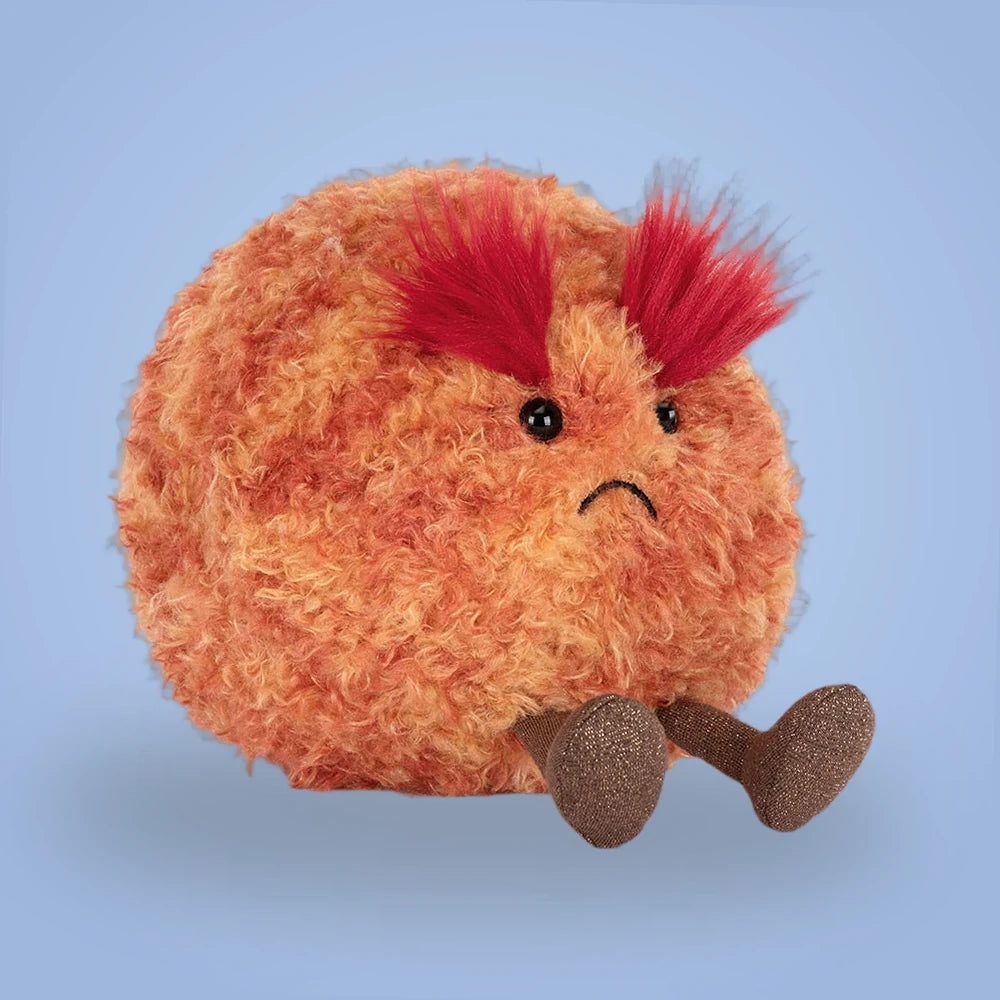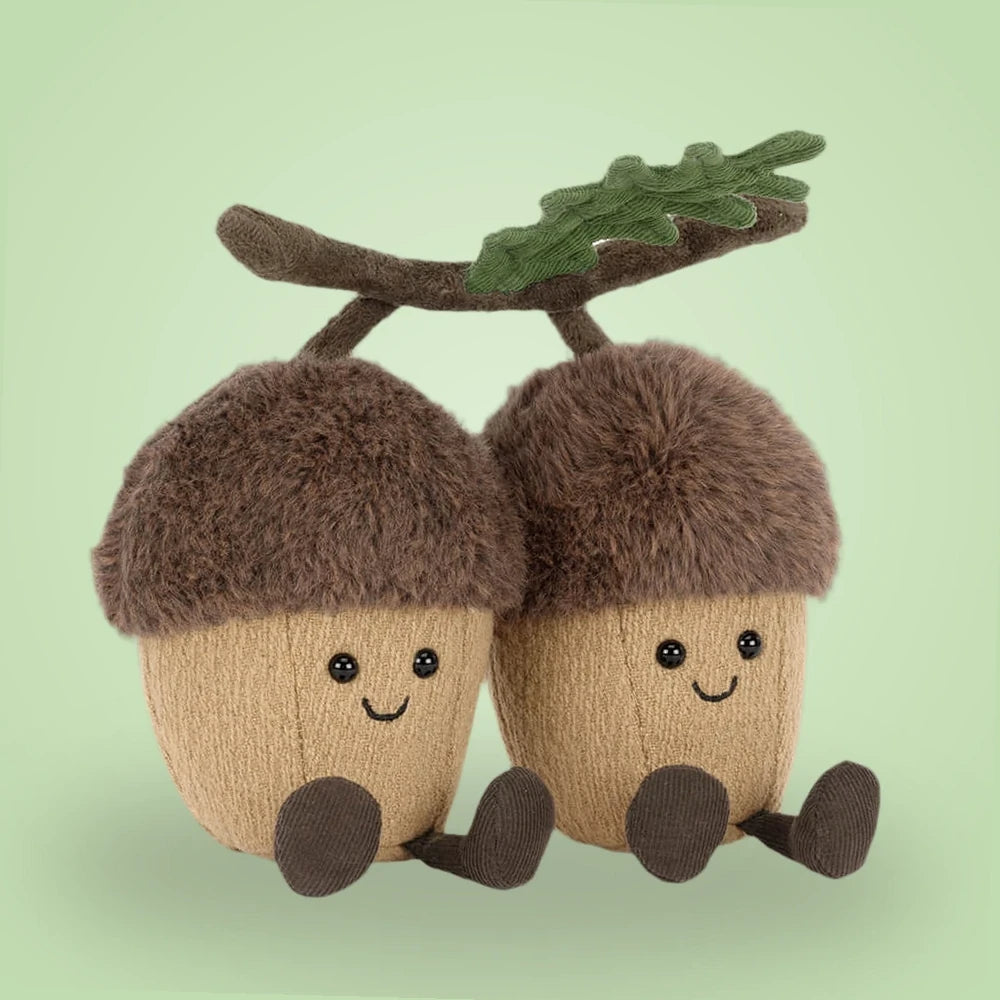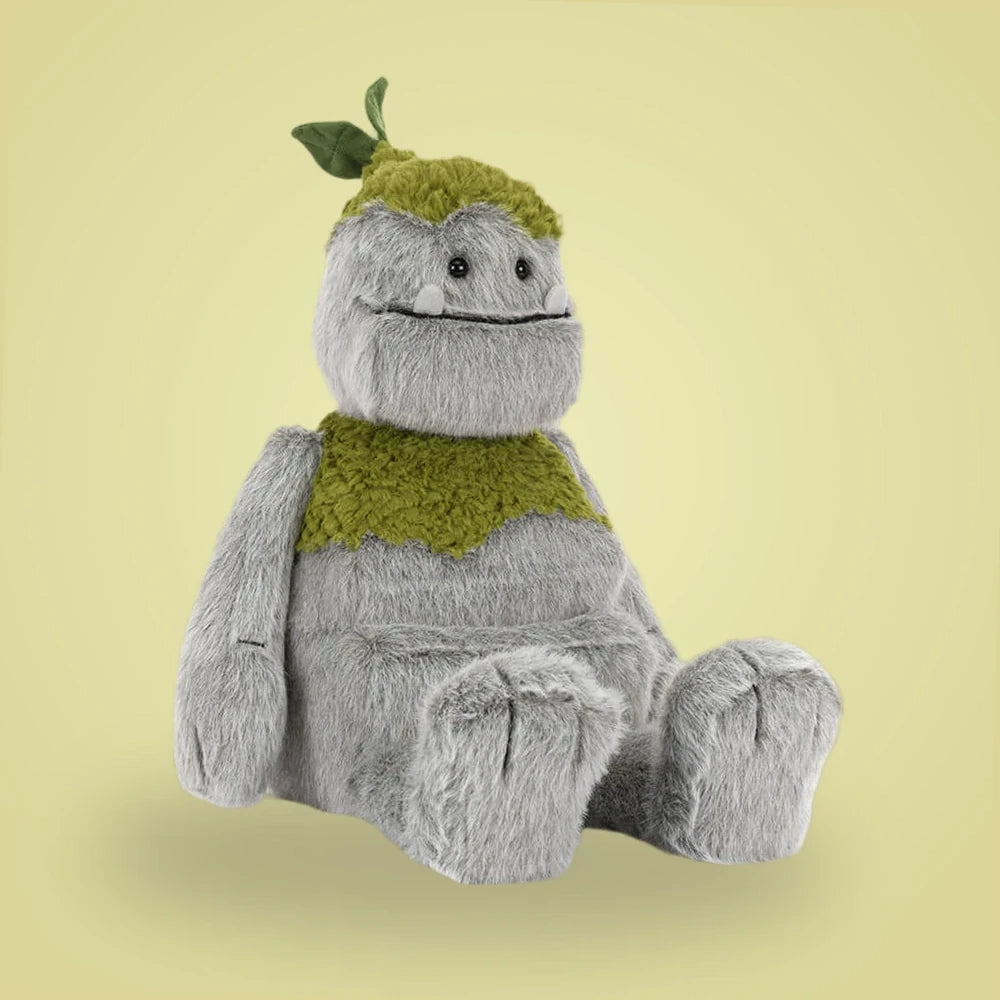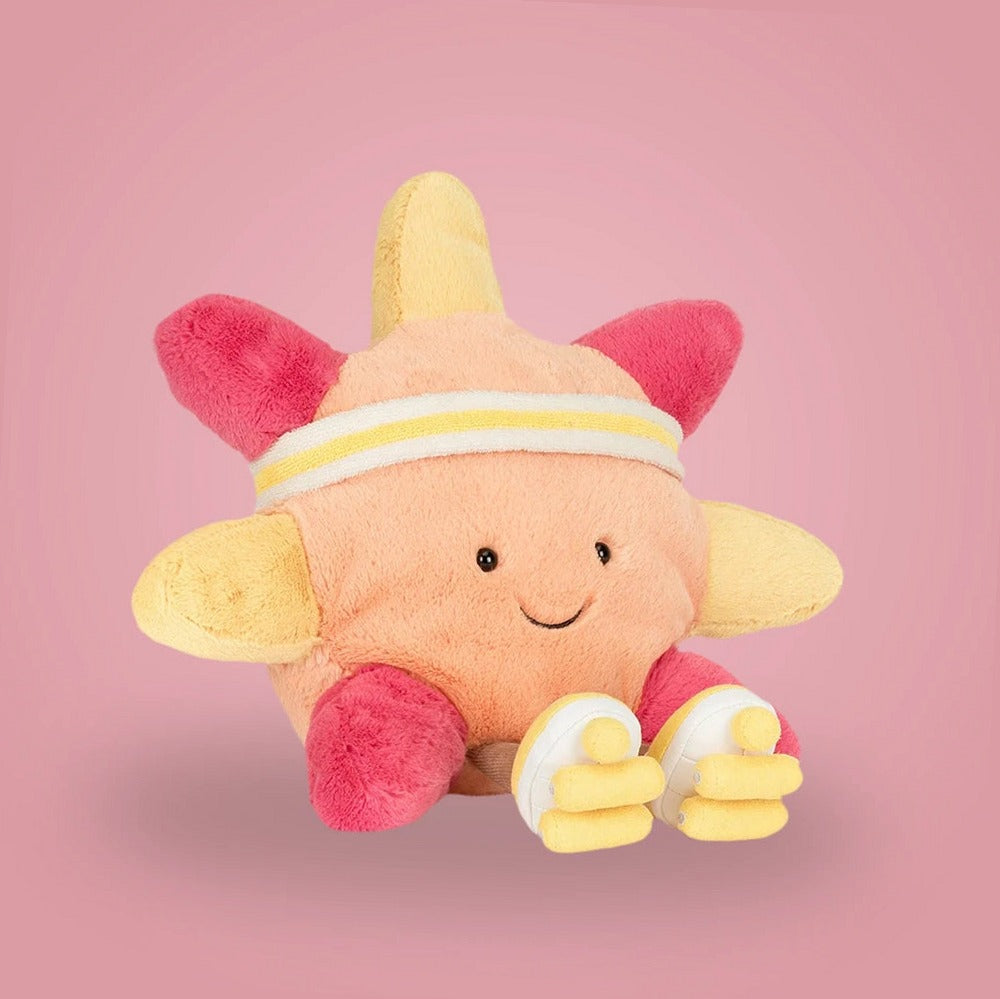
Shoppers buying plush toys rely heavily on the words and images you provide. Good plush retail product information reduces returns and increases customer confidence by speaking to tactile sensations, durability expectations, safety cues, and care needs—details that product photos alone can't convey. The goal is to answer the practical questions a buyer brings to the page: Will this feel soft? Is it easy to clean? Will it hold up to daily cuddling? Provide those answers clearly, without vague adjectives that mean different things to different people.
Start by mapping common buyer use cases: a child’s daily companion, a decorative pillow substitute, a gift for a themed nursery, or a collectible display piece. Each use case prioritizes different attributes—washability matters more for a daily companion, while sculpted seams and embroidered features may matter for a collectible. Group product information around these shopper priorities so readers can scan and find the facts that matter to them quickly.
Lead with tactile specifics, not just flourishes
Many product pages default to adjectives—soft, plush, squishy—without anchoring them. Instead, describe touch using concrete language: nap length (short, medium, long), fabric type feel (velvety, bouclé-like, minky-style), and structural fill (plump polyester fiber vs. looser polyfill). Where possible, compare to familiar items: “similar hand to a microfleece throw” gives shoppers a mental reference they can evaluate.
Include a short sensory checklist near the top: hand-feel, weight, compressibility, and sound (does it rustle or squeak?). This helps shoppers who scan pages to match a product to their tactile expectations. For online listings that support it, suggest brief video clips—squeezing, stroking, and demonstrating drape—so buyers can confirm the written cues.
Make care instructions explicit and honest
Care is one of the highest-impact pieces of information for plush shoppers. State the care label exactly as provided by the manufacturer and advise shoppers to check that label before washing or sanitizing. Avoid universal claims such as "machine washable" when not specified by the item’s label; instead, translate care guidance into everyday practice (e.g., "spot clean recommended for surface stains; refer to manufacturer label for full care instructions").
Offer practical care scenarios: a quick method for surface stains, a safe approach for items with electronic or delicate inserts, and storage tips to prevent matting. Link to a dedicated care resource for general advice about plush maintenance, for shoppers who want a broader reference: our care guide.
Clarify safety and suitability without overstepping
Shoppers often worry about choking hazards, flame resistance, and suitability for different ages. Rather than issuing blanket safety claims, highlight the specific features that bear on safety—securely stitched eyes, embroidered details, or presence of small detachable parts—and include the manufacturer’s age guidance exactly as shown on the label.
Provide a quick decision checklist for caregivers: check for small parts, avoid plush items with long fringe for unsupervised toddlers, and confirm any electronic components are securely enclosed. Remind readers to consult the product label for final age and safety instructions rather than replacing that authoritative guidance.
Use size and scale examples shoppers can visualize
Numerical dimensions alone can be misleading. Supplement measurements with relatable comparisons: "about the size of a standard throw pillow" or "fills a child's lap comfortably when seated." If possible, include a photo of the plush alongside a common object—book, backpack, or a child seat—for immediate context.
When weight matters for shipping or play (heftier plush vs. airy comforters), specify the perceived weight: "lightweight—easily portable" or "substantial—best for lounging or display." A short usage note—"suitable as a naptime companion" vs. "best kept as a shelf display"—helps shoppers match product scale to intended use.
Prioritize construction and durability details
Buyers want to know if seams will hold up to repeated hugs and washes. Describe construction features plainly: double-stitched seams, reinforced stress points, or blind-stitched hems. If there are movable parts (joints, limbs) explain their range of motion and how they're secured.
Illustrate common wear scenarios and recommended mitigations: rotating items in a child’s rotation to reduce concentrated wear, or avoiding tugging at embroidered features. Include a short checklist for durability-conscious buyers: check seam reinforcement, inspect attachments, and note recommended handling for longevity.
Answer performance questions with quick comparisons
Shoppers often compare products in a single session. Provide short comparison bullets that place the item among accessible categories—cuddle-first, decorative-only, or collectible-grade—explaining the tradeoffs. For example: "Cuddle-first: low-profile seams, plush fill; Decorative-only: sculpted attachment points, stiffer form."
Offer a one-paragraph mini-case: a plush described as "cuddle-first" may have looser fill that compresses with heavy use but is easier to snuggle and can sometimes be spot-cleaned; a "collectible-grade" plush may maintain shape longer but require careful surface cleaning. These tradeoffs help shoppers prioritize what matters most.
Provide clear photos and an actionable example description
Images should be functional: front, back, side, close-up of fabric and seams, and a scale photo showing relative size. Supplement photos with a short actionable example description that combines sensory, care, and scale details. Example: "Medium-length nap minky-style fabric; light, squeezable polyfill; surface-clean recommended; dimensions roughly a child's lap—see scale photo with a standard paperback for reference."
This compact example acts as a template sellers can adapt. Keep one such combined line near the top of product pages so scanners immediately find the essential facts before reading the full description or specs.
Anticipate common mistakes shoppers make and how to prevent them
A frequent mistake is assuming all 'soft' labels mean identical maintenance. Prevent confusion by listing what the product doesn't do: not suitable for high-heat drying, not intended for overnight tethered sleep, or contains delicate trims. Clarity reduces disappointment and returns.
Another common error is misreading scale from photos. Counter this by placing a consistent object in scale photos (book, chair) across listings so shoppers learn your visual units. Add a short FAQ snippet addressing returns, recommended care, and sealing questions—and link to the contact page for purchase or product clarification to make next steps easy.
Help bulk buyers and gift shoppers with purchasing guidance
Wholesale and bulk purchasers have different priorities: consistency across units, labeling for events, and cost vs. durability tradeoffs. Provide a clear section for those shoppers outlining what information you can supply for order decisions—turnaround expectations, sample policies, and packaging options—and refer them to the wholesale contact path for specifics: wholesale inquiries. Do not enumerate terms; instead, explain what data helps them decide, such as colorfastness notes and batch variation expectations.
For gift shoppers, give bundling suggestions and simple presentation tips—wrap-friendly shapes, complementary accessories, and suggested care inserts to include with gifts. Also recommend confirming age suitability and care steps with the product label when including care instructions in a gift note.
Summary checklist for clearer plush product pages
Finish each listing with a short checklist buyers can scan: tactile summary, scale and weight feel, exact care label copy, visible construction notes, safety features, and any special handling. This single-item list reduces cognitive load and standardizes what every product page supplies.
If you maintain a range of character lines, add a link to a curated grouping that helps shoppers explore similar items; a good example is your character collection page: the Curious Characters collection. That lets shoppers compare items without hunting through unrelated inventory and keeps decision-making anchored to consistent descriptors.
Explore the details before choosing
Take a closer look at Curious Characters, review our plush and clothing care guidance, or ask about specifications and availability before making an order request.