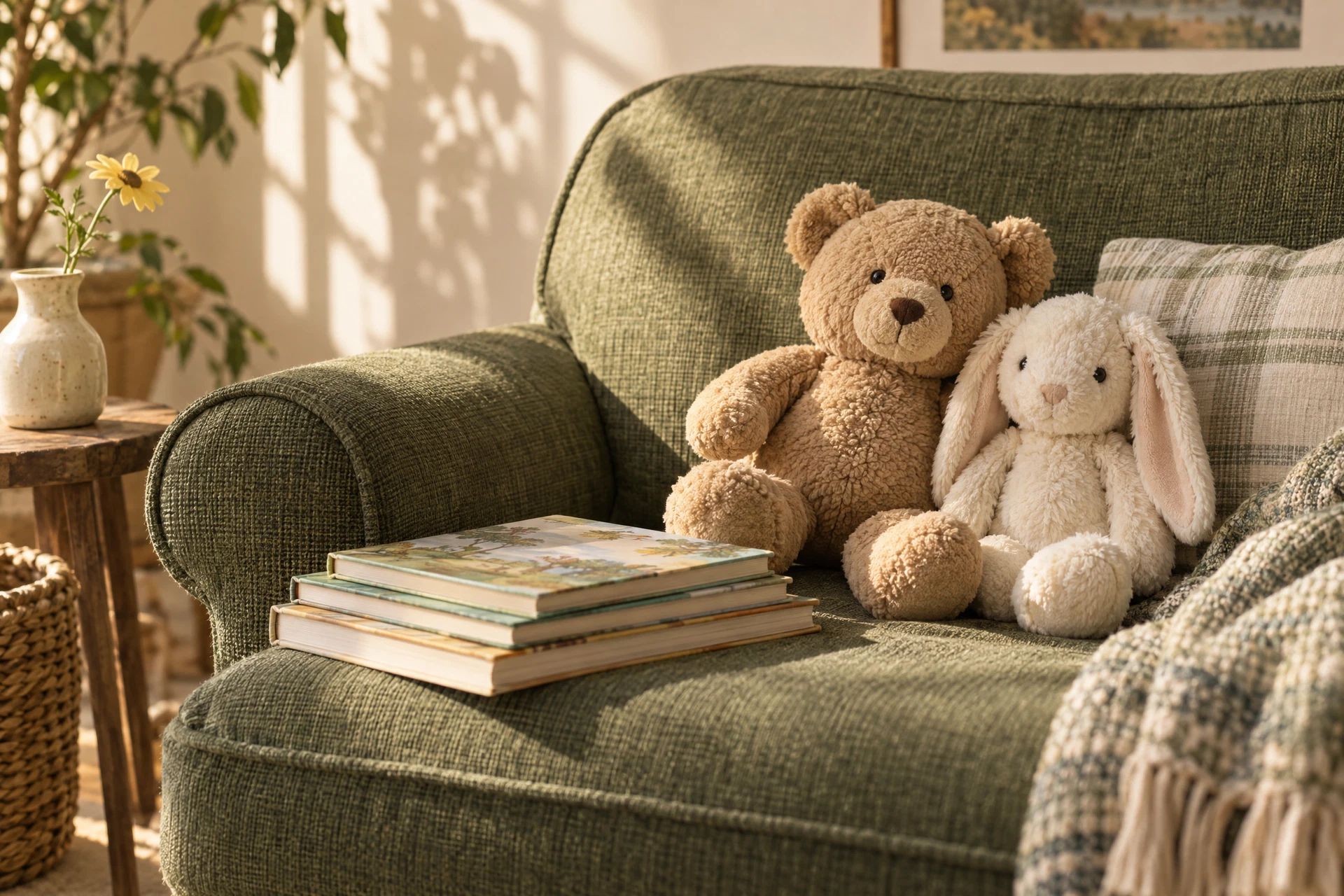
Plush collecting adults is a distinct hobby that blends nostalgia, design sensibility, and intentional curation. Unlike childhood accumulation, an adult collection is often driven by aesthetic choices, storytelling, or investment considerations. This guide focuses on decision-making tools: how to decide what to collect, where to buy, how to display and care for items, and how to avoid common missteps that turn a satisfying hobby into clutter.
You don’t need to collect everything to have a meaningful assortment. Thoughtful boundaries — whether by theme, artist, era, size, or color palette — help the collection feel coherent and manageable. Later sections include checklists, example mini-collections, and practical sourcing routes such as artist shops, specialty retailers, and trade opportunities. For browsing curated characters, see the Curious Characters collection.
Define Your Collection’s Purpose
Start by asking what the collection should do in your life. Is it for visual impact in a living room, a rotating desk display, sentimental comfort, or future resale? Purpose will shape practical choices — large statement plush for display versus smaller desk-sized pieces, for instance. Write a simple mission statement: two sentences that capture why you collect and what constraints matter (space, budget, theme).
Concrete decision criteria help: choose up to three focus dimensions (theme, size range, and condition). Example: Theme = vintage-inspired animals; Size range = 8–14 inches; Condition = new or like-new. A clear scope prevents impulse buys that don’t fit. If you want to see a range of character-driven options, consult the Curious Characters collection for inspiration.
Pick a Theme and Narrow It
Themes give a collection identity. Broad categories like 'animals' are a good start but quickly become unwieldy. Narrow by genus (foxes), aesthetic (muted pastels), maker (a favorite artisan), or story element (storybook dragons). A focused theme makes sourcing easier and ensures visual coherence when you display the pieces together.
Try a 12-piece test: assemble a micro-collection that fits your theme and live with it for three months. This actionable experiment reveals whether your chosen focus truly satisfies. Notes to take: do you enjoy rotating pieces, do sizes coordinate, and does the color palette feel balanced? Adjust the theme if the exercise reveals mismatch or boredom.
Budgeting and Prioritizing Purchases
Set a realistic monthly or annual budget and rank items into tiers: essential, desirable, and aspirational. Essentials are pieces that complete your theme; desirables enhance it; aspirationals are one-off showstoppers. This triage makes impulse purchases guilt-free when they fit the tiered plan.
Create a purchase queue with target prices and sources. For example: Tier 1 — three small artist plush at $40–$60 from artist shops; Tier 2 — two medium factory-produced characters at $80–$120; Tier 3 — one limited edition at $200+. When a sale appears or a trade opportunity arises, consult the queue to decide quickly and rationally.
Sourcing: Where to Buy and What to Ask
Good sources include artist shops, specialty retailers, conventions, online marketplaces, and small local boutiques. Each source has different risks and rewards: artist shops often sell unique pieces and offer direct communication with makers; retailers provide a wider selection; conventions let you see and handle items in person. When contacting a seller, ask about condition, materials, and whether any attachments (buttons, tags) are original.
For wholesale queries or bulk buying, consider reaching out through a professional channel such as wholesale inquiries. If buying from an independent seller, request clear photos and measurements and confirm return or exchange policies. Keep a checklist: seller reputation, return policy, exact dimensions, and any removable parts that affect storage or cleaning.
Display Strategies That Keep Collections Tidy
Decide whether your collection will be on permanent display or rotated seasonally. Wall-mounted shelves, shadow boxes, and dedicated alcoves reduce dust and visual clutter. Plan displays by grouping three to five pieces in clusters, varying height and scale to create visual interest. Avoid overcrowding: breathe space around each item so textures and shapes read clearly.
Labeling helps, especially if you care about provenance. Small tags with maker name, acquisition date, and price paid can be discrete and informative. If you need inspiration for curated groupings, browse curated assortments or contact retailers for styling tips via the contact page.
Care, Cleaning and Long-Term Storage
Follow the manufacturer’s label for cleaning and care; it’s the authoritative guidance. General practices include keeping plush out of direct sunlight to prevent fading, storing in breathable containers to avoid mildew, and using gentle surface cleaning methods recommended by the maker. If a plush has removable parts or electronics, note that in storage plans.
When preparing seasonal rotation or long-term storage, use acid-free tissue and breathable boxes. Avoid vacuum-sealed compression for delicate fabric or stuffed pieces with fragile embellishments. For questions about specific cleaning methods or repairs, consult the product’s care information or a textile conservator rather than assuming universal machine washing is safe. For general care resources see our care guide.
Common Mistakes and How to Avoid Them
A frequent error is collecting indiscriminately. Without a plan, you end up with mismatched sizes, colors, and styles that undermine the collection’s appeal. Fix this by revisiting your mission statement and pruning items that no longer fit. Keep a sell/donate/list file to act on items that feel out of place.
Another mistake is ignoring display and storage needs. People buy large plush without accounting for shelf depth or dust exposure. Measure display spaces before purchase, and include storage costs in your budget. Finally, neglecting documentation — where and when an item was bought — makes future decisions harder. Keep a simple spreadsheet with photos, source, and price to track your collection’s evolution.
Community, Trading and Ethical Considerations
Joining collector communities — local meetups, online forums, or social media groups — provides market insight and trading opportunities. Use community knowledge to verify limited editions or artist authenticity, and follow group norms for trades and sales. Be clear about payment and delivery expectations to avoid misunderstandings.
Consider ethical factors: supporting independent artists vs. purchasing mass-produced items, and how much packaging waste you’re willing to accept. If you plan to resell, be transparent about condition and provenance. For bulk or professional inquiries, use official channels such as wholesale inquiries to ensure clarity and record-keeping.
A Small Example: Building a Mini-Collection
Example plan for a starter mini-collection named 'Muted Forest': Theme = woodland mammals in muted tones. Scope = six plush, sizes 6–12 inches. Budget = $300 total. Purchase queue: 1) Anchor piece — artist fox ($90), 2) Supporting pieces — two small owls ($40 each), 3) Fillers — three assorted rabbits and squirrels ($30 each).
Execution checklist: measure intended display shelf depth before buying, confirm materials and removable parts, note cleaning instructions, and photograph each arrival. After three months, evaluate cohesion: retire any pieces that clash and reallocate budget to strengthen the theme. This small experiment teaches pace, sourcing habits, and whether your theme sustains interest.
Explore the details before choosing
Take a closer look at Curious Characters, review our plush and clothing care guidance, or ask about specifications and availability before making an order request.