Sourcing plush toys for retail requires focused, practical questions that reveal how a supplier operates, what their lead times look like, and where responsibility falls if things go wrong. Good questions help you move beyond glossy photos and into the specifics of construction, testing, order minimums, and the real costs of shipping and returns. Start by clarifying the points that most often cause friction: product quality consistency, production capacity, and contract terms.
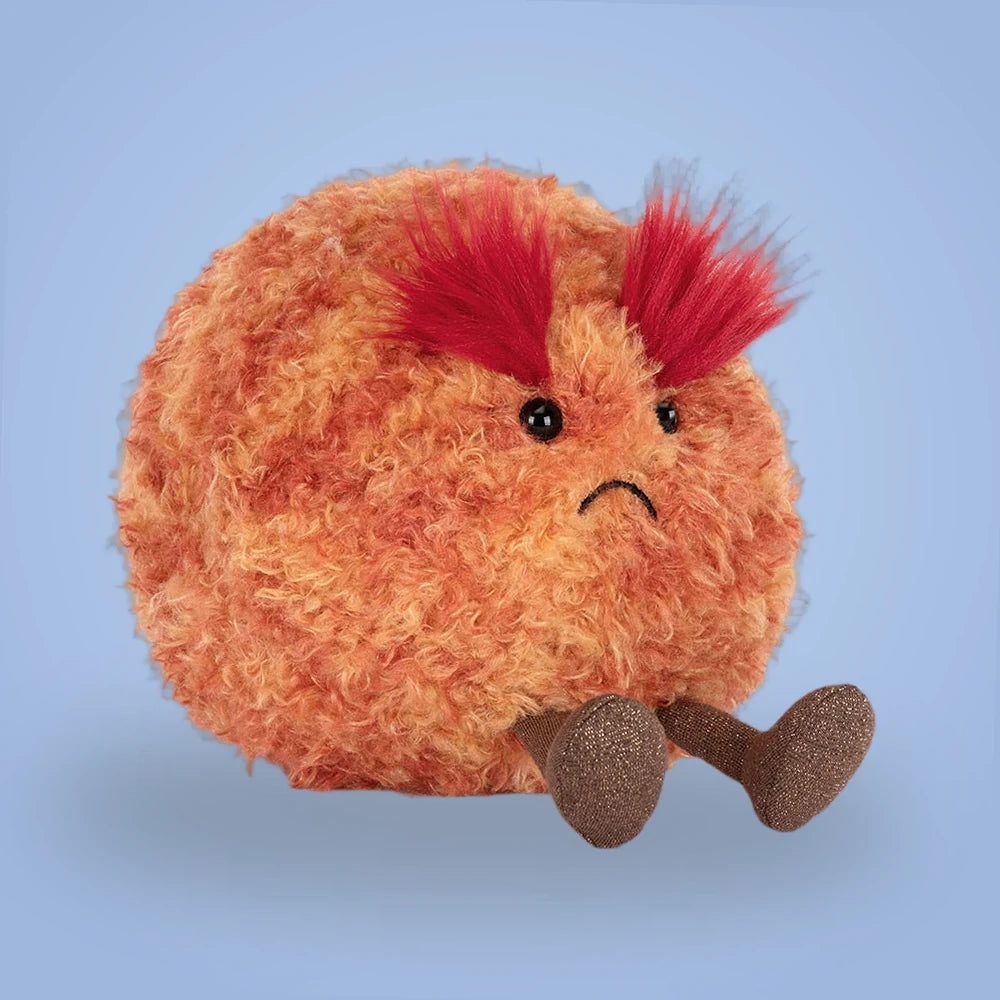
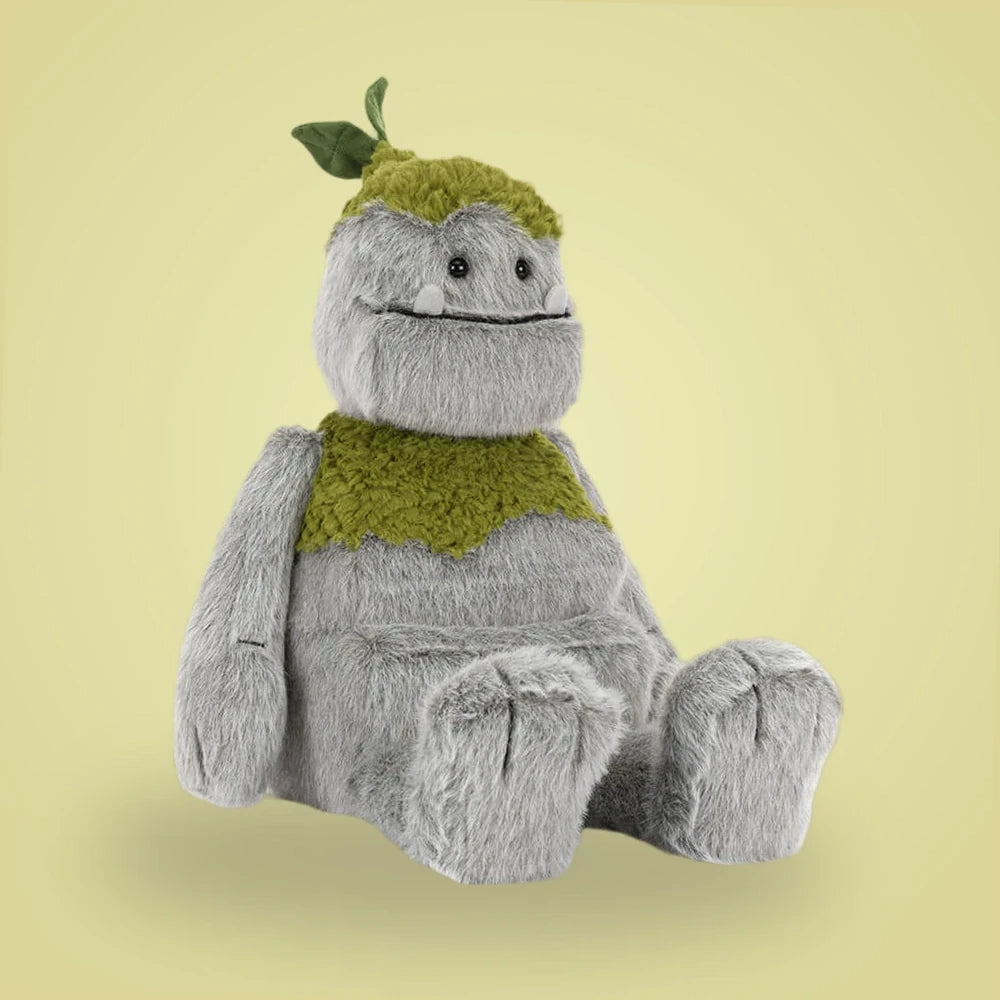
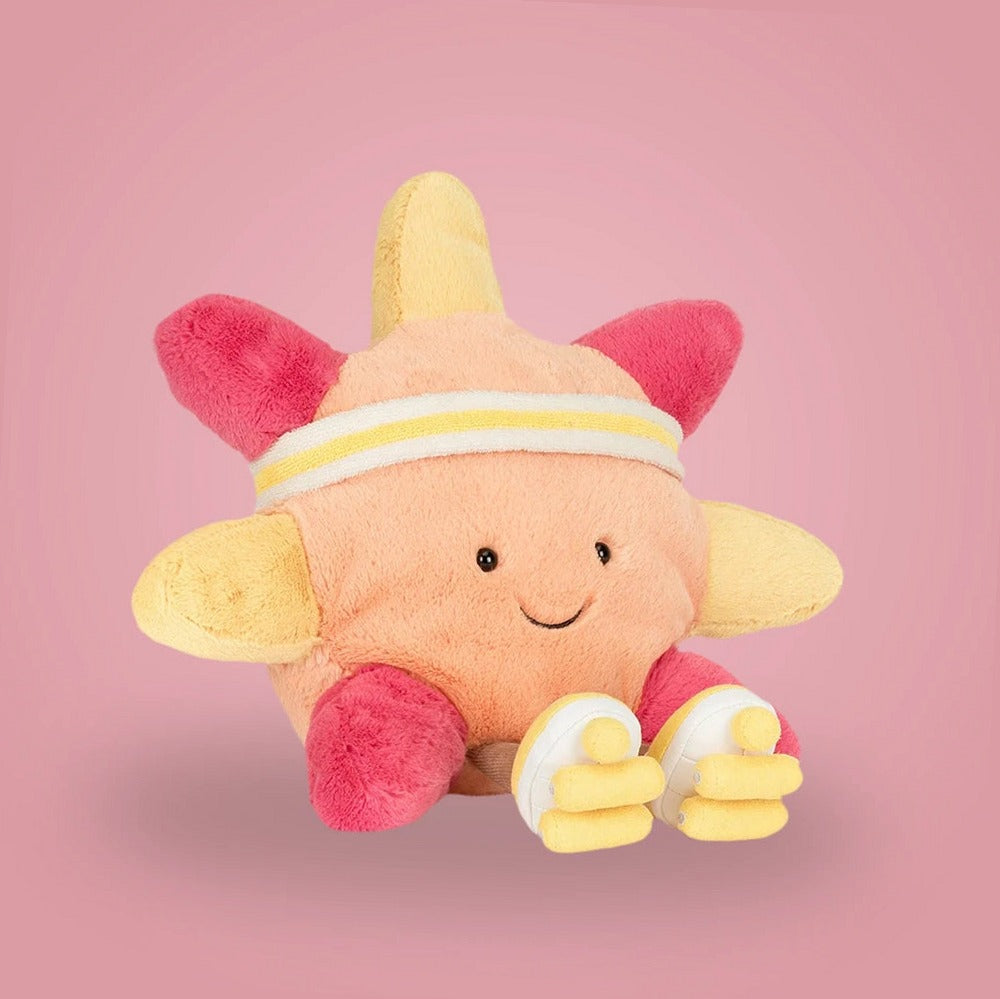
Before you sign any agreement, collect answers you can compare side-by-side across vendors. Use a short written checklist to record each supplier’s responses and request supporting documents when possible. As you evaluate proposals, keep product care and labeling in mind and check the manufacturer’s label; care guidance and age recommendations should come from the individual maker. For examples of finished styles and assortment ideas, you can view the Curious Characters collection at the Curious Characters collection to better match assortment pace with buyer demand.
Basic Business and Contact Questions
Start with straightforward verification: legal business name, physical address, and a primary point of contact. Ask whether they have a dedicated account manager for wholesale clients, and who covers customer service during after-hours or holiday periods. Knowing the business address helps with logistics planning and verifying turnaround windows for local pickups or visits.
Request references from other retailers who have placed repeat orders and ask for recent examples of large orders they fulfilled. Ask how long the supplier has been handling wholesale accounts specifically—this can indicate whether their processes are designed for batch production, invoicing, and the paperwork retail buyers expect. When you need to escalate, a supplier who provides a direct business contact and an escalation path will save you time.
Product Quality and Construction Details
Ask for detailed product specs: materials used for outer fabric, stuffing type, stitch style and density, and the method used for eyes and other applied features. Request close-up photos, construction diagrams, or tech packs that show seam placements and internal reinforcement points. Concrete details—such as whether features are embroidered, sewn-on, or plastic—affect durability, return rates, and perceived value.
Insist on sample pieces before you commit to a bulk order. Specify that you want to inspect seams, check for loose threads, and test small parts for secure attachment. When you evaluate samples, use a short checklist: seam strength, colorfastness under gentle rubbing, evenness of fill, and consistency across multiple samples. These checks prevent common post-delivery surprises like uneven stuffing or weak attachments.
Pricing, Minimums, and Payment Terms
Clarify unit pricing at different tier levels and ask for a written breakdown that includes per-unit cost, tooling or artwork fees, and any additional charges for customization. Confirm their minimum order quantity (MOQ) and whether repeat orders can be placed at lower quantities once tooling is established. Ask how currency fluctuations are handled if prices are quoted in another currency.
Discuss payment terms up front: deposits required to start production, balance due before shipment, and whether they accept letters of credit or net terms for established accounts. Include explicit questions about penalties for late payments and how changes to order scope will be priced. Establishing clear payment expectations reduces the chance of disputes during production or delivery.
Lead Times, Production Capacity, and Scheduling
Ask for typical lead times for samples, prototype approvals, and full production runs. Then probe for capacity limits: how many units they can produce monthly, and whether they can scale for seasonal spikes. Request a production schedule that shows key milestones—sample approval, pre-production sample, production start, QC checkpoints, and shipment date—so you can align marketing and inventory plans.
Inquire about their policy for rush orders and ask for examples of how rush requests were handled in the past. If your business relies on seasonal windows, ask the supplier to commit to lock-in dates and to provide penalties or remedies if they miss agreed delivery windows. Concrete scheduling commitments will help you avoid stockouts or excess inventory risk.
Samples, Prototypes, and Approval Processes
Get clear terms for sample costs, lead times, and whether those sample costs are refundable or applied to the main order. Ask how many rounds of prototype adjustments are included and how change requests after approval will be managed and billed. Some suppliers include minor tweaks; others treat any revision as a new charge.
Define an approval workflow with checkpoints and sign-offs. Ask which party is responsible for final color matching and pattern accuracy, and whether the supplier will provide photo documentation and measurement reports at each stage. This prevents misunderstanding about what constitutes an approved sample and reduces the chance of receiving a production run that differs materially from the sample.
Safety, Compliance, and Labeling
Ask which safety and compliance tests the supplier performs and request copies of test reports relevant to your market. Be explicit about the markets you sell into and the standards they require; compliance can vary by region. Ask if the supplier will include your required care and safety labels and to confirm exactly where those labels will be attached on the product.
Make labeling and instructions part of the contract discussion. Ask who provides the artwork for swing tags and care labels, who approves the proofs, and whether label text or pictograms can be printed in multiple languages. Remember to check the individual manufacturer’s label for care instructions and age guidance—never assume uniform care methods across different plush styles.
Shipping, Logistics, and Returns
Ask for a written explanation of shipping options, lead times, and who bears responsibility for freight charges at each stage (EXW, FOB, DDP, etc.). Request sample freight quotes for the typical order size to compare landed cost. Also confirm the supplier’s packing standards—carton dimensions, units per carton, and protective measures—to estimate warehouse handling and retail shelf-ready requirements.
Clarify return and repair policies for defective or damaged items: who pays return freight, the timeline for credits or replacements, and the process for documenting defects. Ask whether they offer partial-credit allowances for minor defects rather than full replacements and how they handle mixed cartons where only a subset of units are defective. Having a clear returns workflow avoids confusion when issues arise.
Warranty, After-Sales Support, and Dispute Resolution
Ask whether the supplier offers a warranty on construction or materials and request the exact terms in writing: duration, coverage limits, and what constitutes a valid claim. Clarify how claims are processed—whether you must submit photographs, return samples, or fill out a claim form—and typical timelines for resolution. A documented warranty reduces ambiguity when products fail prematurely.
Discuss dispute resolution methods: preferred jurisdiction, whether arbitration is required, and steps for escalation. Ask for a recent example of a claim they resolved and how it was handled (without asking for proprietary customer details). Knowing the supplier’s standard approach to solving problems can influence your willingness to partner with them for long-term assortments.
Common Mistakes Buyers Make and an Actionable Example
A common mistake is relying solely on photos and verbal promises without securing written, measurable specifications or sample sign-offs. Another frequent error is neglecting to ask about the supplier’s real production capacity during peak seasons; this can lead to delayed shipments or sudden price increases. Always get commitments in writing and keep a single shared document tracking agreed milestones.
Actionable example: create a single one-page buyer checklist to send with every new supplier inquiry that lists: MOQ, lead time for samples, sample cost, production capacity per month, quality standards required, accepted payment terms, labeling responsibilities, and return policy. Use this checklist as your baseline for comparison; if a prospective supplier cannot complete the checklist or refuses to provide sample documentation, treat that as a red flag. For additional purchasing details, visit the wholesale information page at wholesale inquiries or, for product care specifics, see our care guide.
Explore the details before choosing
Take a closer look at Curious Characters, review our plush and clothing care guidance, or ask about specifications and availability before making an order request.