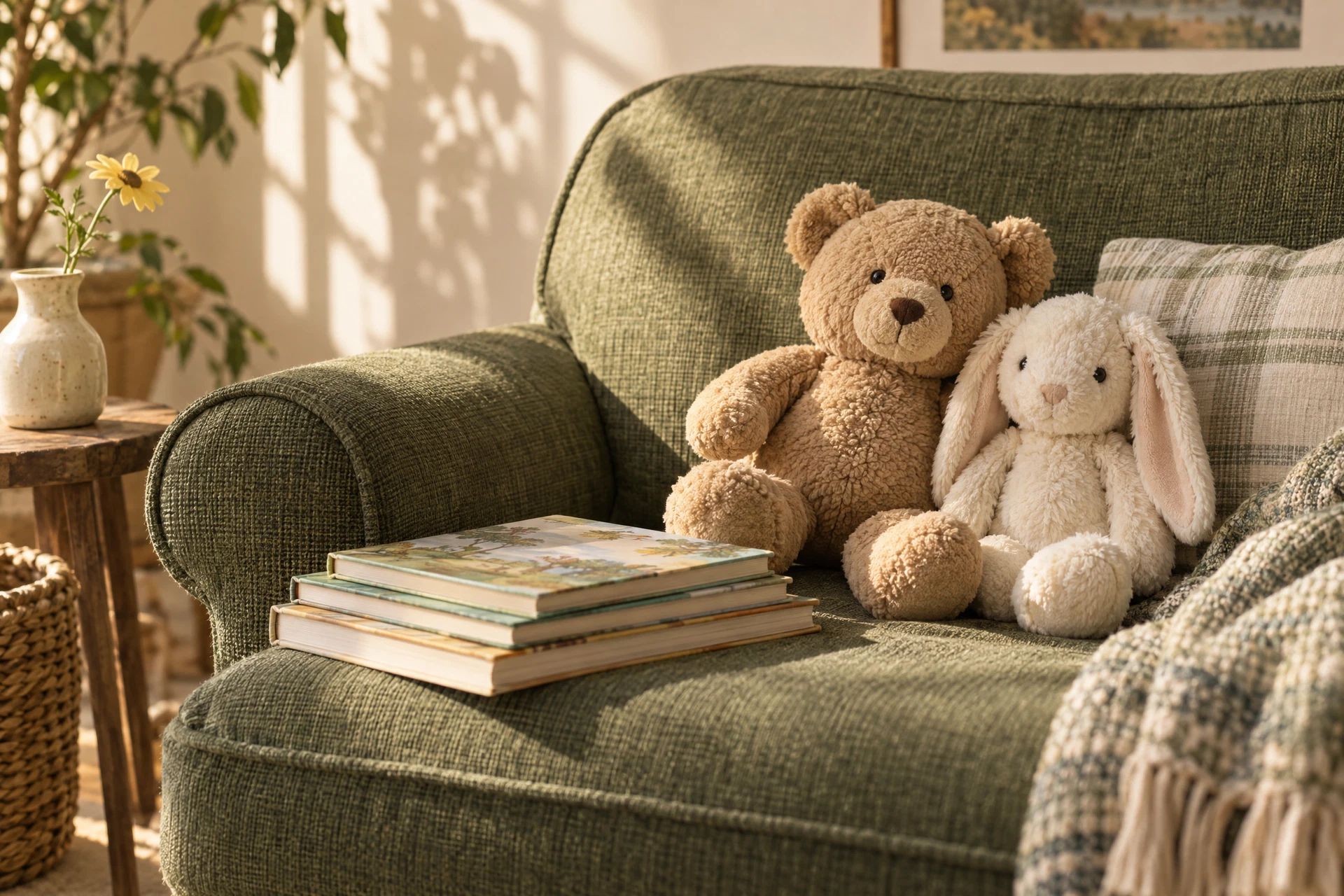
When rain keeps you indoors, stuffed animals are one of the most versatile, low-friction props for sustained play. Beyond being companions, plush toys naturally invite role-play, sensory exploration and simple problem-solving that suit short bursts of attention as well as longer cooperative sessions. This article focuses on rainy day plush play—activities you can set up quickly, rotate through, and adapt to different ages and abilities without buying new gear.
These ideas emphasize clear decision criteria so you can match activities to your available space, time and supervision level. For example: how much setup do you want (5 minutes vs. 20 minutes), whether you need quiet play or something active, and whether the plush will get messy and require cleaning. For care guidance, always check the manufacturer's label linked on the product page and follow those instructions rather than assuming the same method works for every plush; refer to the care page for general pointers at our care guide.
Mini Puppet Show: Story, Set Design, and Roles
Turn stuffed animals into puppet characters with a tiny stage made from a cardboard box, a blanket draped over two chairs, or a laptop with a camera for virtual audiences. Choose a simple story arc—problem, attempt, solution—and assign roles: protagonist, sidekick, narrator. Keep props minimal: a scarf for a cape, a small spoon for a wand, and index cards for short lines. This low-tech setup is easy to reset and can expand into longer plays as kids memorize beats.
Decision criteria: pick a script length that matches attention span (two minutes for toddlers, ten minutes for older kids), consider whether siblings will share roles, and decide if adults will be directors or co-performers. Common mistakes include overcomplicating sets and expecting flawless runs; instead, plan quick scene changes and encourage improvisation. As a small actionable example, write three index-card prompts—'finds a map,' 'meets a friend,' 'reaches a treasure'—and let each child improvise one line per card.
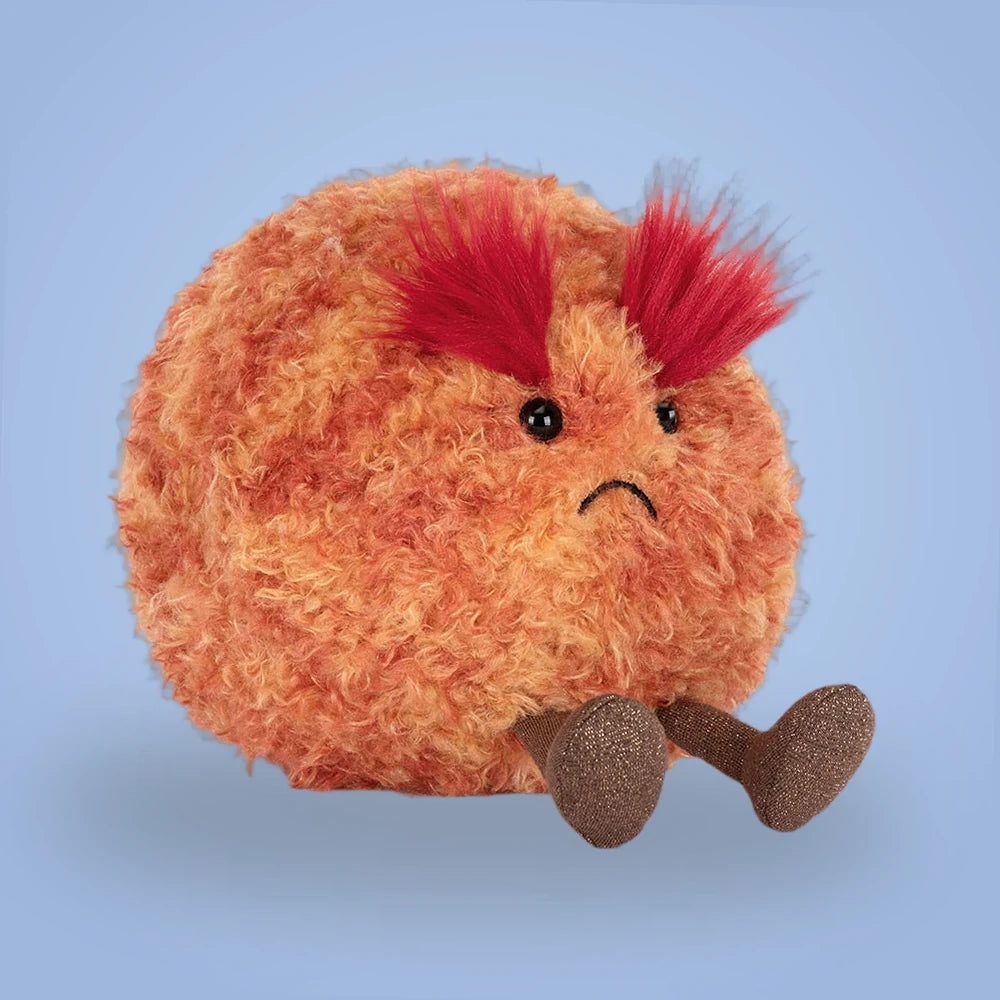
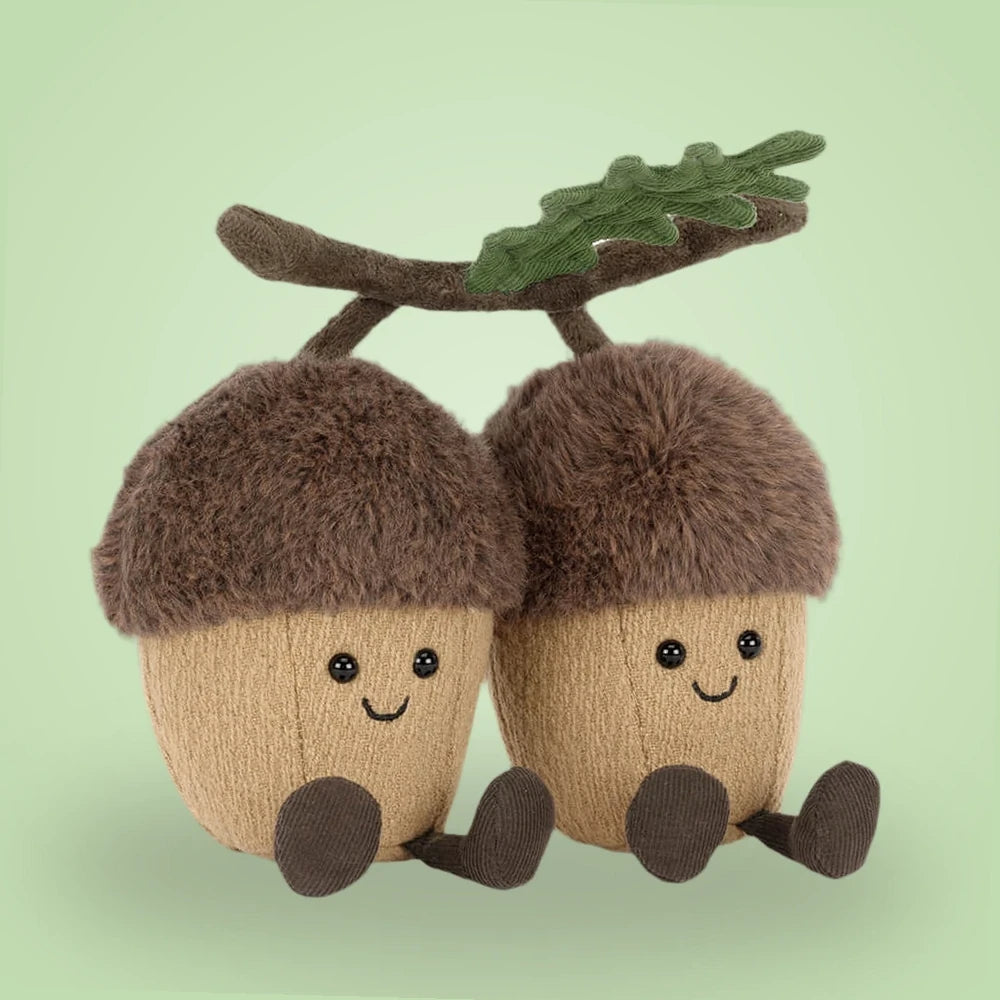
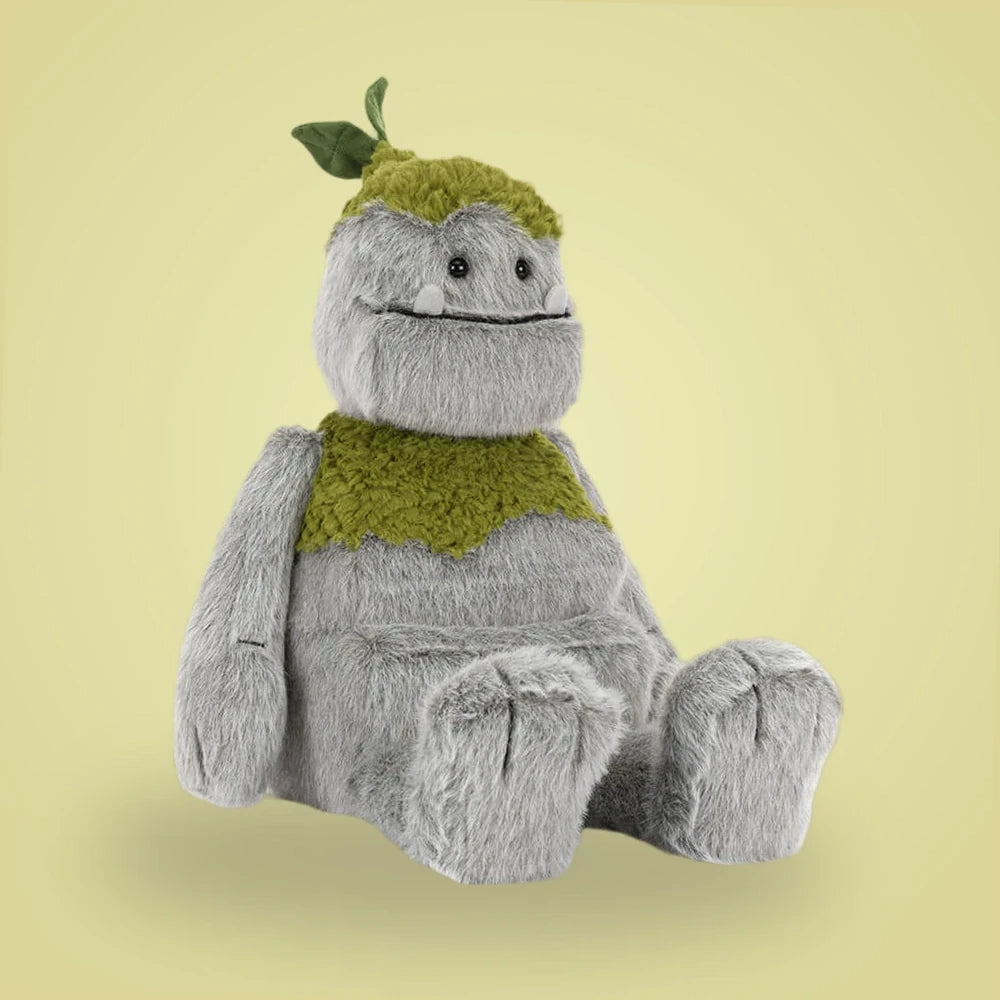
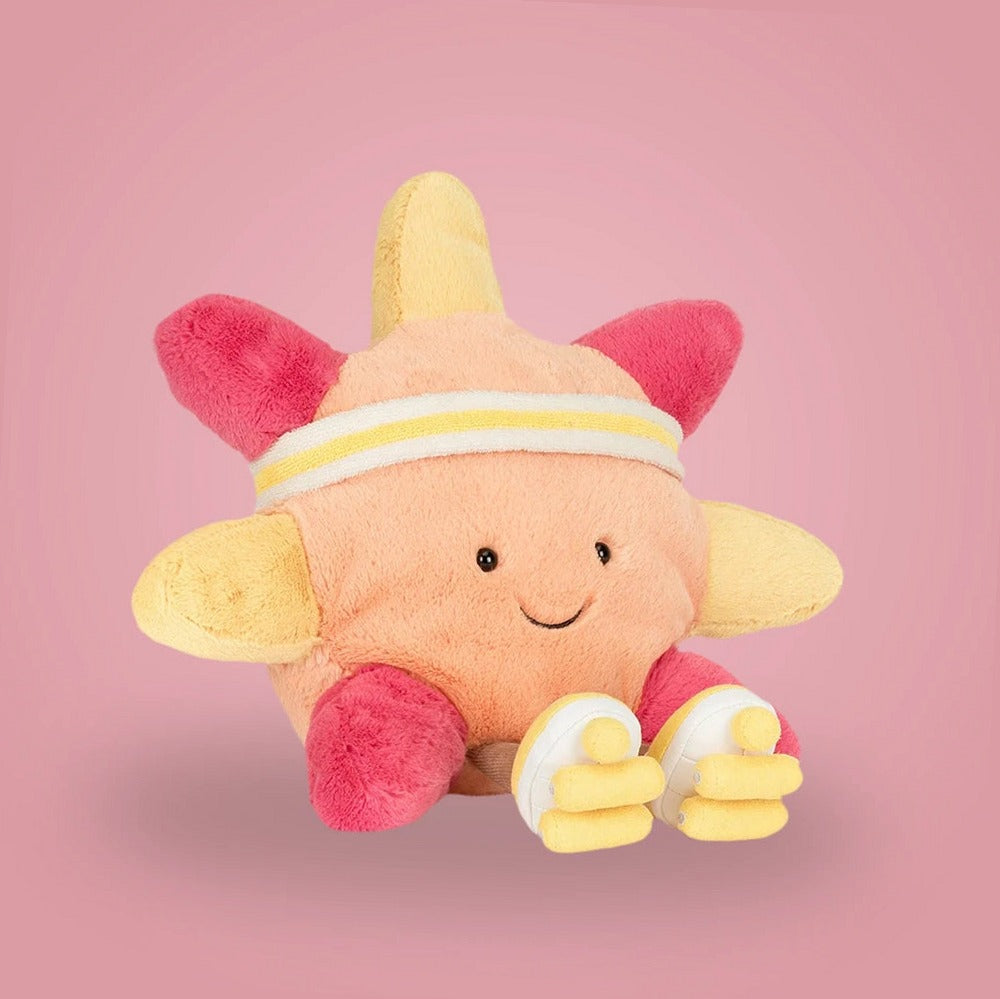
If you want new characters, browse the curious plush selection at the Curious Characters collection for fresh faces to add to the cast. This can help rotate toys and refresh interest without discarding favorites.
Stuffed-Animal Obstacle Course: Gross-Motor Challenges
Set up a safe indoor course using pillows, tape 'lily pads' on the floor, and small tunnels made from sheets. The child must carry or balance a stuffed animal through each station without dropping it. Vary the challenge by changing the animal’s orientation (on the head, under the arm) or requiring a different pace—slow tiptoeing for balance or hopping for an active burst. Keep routes short and clearly marked so repeated runs feel attainable.
Decision criteria include available floor space, the child’s motor skills, and whether noise is a concern for neighbors. A common mistake is making stations too far apart; better to create frequent successes that build confidence. Use a visible timer or count to three for younger children to keep transitions predictable and satisfy the need for structure.
This activity can double as a cleanup game: make finishing the course contingent on returning each plush to a storage basket. That adds responsibility while keeping the fun.
Sensory Stations with Plush Buddies
Create three or four small sensory stations—textured fabric swatches, a bowl of dried pasta in a shallow tray, a station with a soft brush, and a spot with scented cloth squares. Each plush 'visits' a station for a minute while the child describes how the texture, smell, or sound feels. This sharpens descriptive language and builds tactile vocabulary without relying on screens.
Choose materials that won’t stain or damage the plush and supervise materials like small beads or dry pasta. Decision criteria include whether you need hypoallergenic options and whether the sensory materials require quick cleanup. A common oversight is mixing wet and dry materials; keep water-based stations separate to avoid odors or dampness on plush toys.
For older children, add a short checklist to rate each station (soft/rough, loud/quiet, familiar/new) to introduce basic data collection and comparison skills.
Reading Nook and Character Voices
Designate a cozy corner with soft lighting and a stack of short picture books. Invite stuffed animals to be the audience, and encourage the child to read aloud, assign voices to characters, or act out scenes with their plush. Reading to a nonjudgmental audience reduces performance anxiety and can increase reading fluency; changing voices keeps the practice playful rather than corrective.
Consider decision criteria like whether the child prefers silent looking or oral reading practice, and whether background sounds—music or a fan—help concentration. A typical mistake is expecting long reading stretches; instead, alternate three to ten minute read-aloud sessions with physical breaks. This approach can also help with vocabulary retention: pause and ask the child to explain a character’s feelings to their stuffed friend.
If you want a new audience to join the rotation later, check availability or ask about character options through the contact page at the contact page.
Rescue and Care Clinic: Teaching Responsibility
Set up a pretend 'vet' or 'care clinic' where the plush receives check-ups: listening to the heartbeat with a toy stethoscope, bandaging a torn ear with gauze, or writing a 'prescription' for rest and hugs. Keep the tasks realistic and age-appropriate—small children can wrap a scarf as a sling while older kids document symptoms on a checklist.
Decision criteria include the precision of pretend medical play you want to allow and materials that are safe for supervised use. Avoid sharp tools and anything that could detach from plush as small parts. A common mistake is making the scenario too alarming; keep diagnoses playful and optimistic. This kind of care scenario reinforces empathy and motor skills like buttoning or tying.
After play, follow a quick hygiene routine: wipe hands and check the plush’s label to determine appropriate cleaning steps rather than assuming a one-size method.
Treasure Hunt with Map-Making
Create a simple treasure map of your living room or play area with landmarks (sofa, lamp, rug 'island'). Hide stuffed animals or small 'treasures' and give kids the map and a magnifying glass or flashlight. For older children, incorporate basic coordinates or left/right clues. This blends spatial reasoning, reading practice, and cooperative planning when multiple kids follow the map together.
Decision criteria: choose the level of cryptic clues based on age and whether you want a noisy search or a quiet, methodical hunt. Common mistakes include hiding items too well or making the map ambiguous; aim for three to five search points with incremental hints. An actionable example: draw three Xs—one obvious, one behind a cushion, one under a blanket—to scaffold success.
After the hunt, rotate the finder role and let each child draw the next map so creativity and leadership circulate.
Mix-and-Match Fashion Show and Upcycling
Repurpose old scarves, baby socks, and fabric scraps to make outfits for stuffed animals. Use safety pins only if an adult handles them; otherwise, tie or tuck fabric for quick costumes. Have a mini runway where each plush parades, and let children narrate what their character is wearing and why. This encourages fine motor skills, color matching, and storytelling all at once.
Decision criteria include material safety and whether costumes must be removable for washing. A common mistake is using permanent attachments that damage plush; prefer temporary, reversible styling. For older kids, add a design brief—'make an outfit suitable for rain'—to link creativity with problem-solving.
If you want more decorative accessories, consult the wholesale or bulk accessory options page at wholesale inquiries to plan larger craft sessions for group activities.
Quiet-Time Reflection and Memory Games
For calmer rainy afternoons, set up a circle of plush and play memory games: place three small items under a cloth, let the child observe, then hide one and ask which went missing. Alternatively, use plush as prompts for 'remember and tell'—each animal represents a prompt like 'something fun today' or 'a thing I’m grateful for.' This practices attention and conversational skills without overstimulation.
Decision criteria include the child's current emotional state—choose soothing games if they’re tired—and the desired cognitive load. A common mistake is piling on too many rules; keep game rounds brief and repetitive to reinforce working memory. An actionable mini-example: use two stuffed animals and three cards; show the pattern animal-card-animal, then ask the child to recreate it after a short pause.
When activities involve multiple plush that may need cleaning, check each toy’s label before attempting any spot treatment to avoid damage; see the care page for general advice at our care guide.
Explore the details before choosing
Take a closer look at Curious Characters, review our plush and clothing care guidance, or ask about specifications and availability before making an order request.