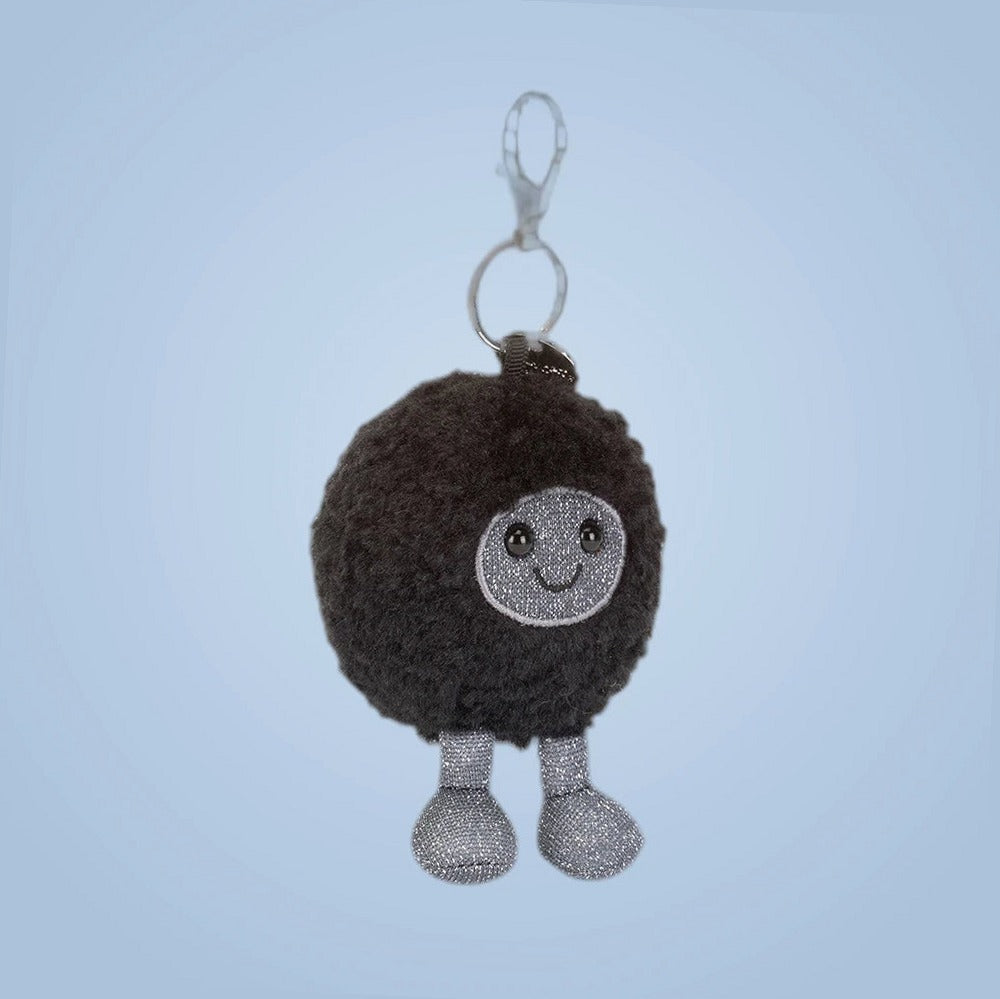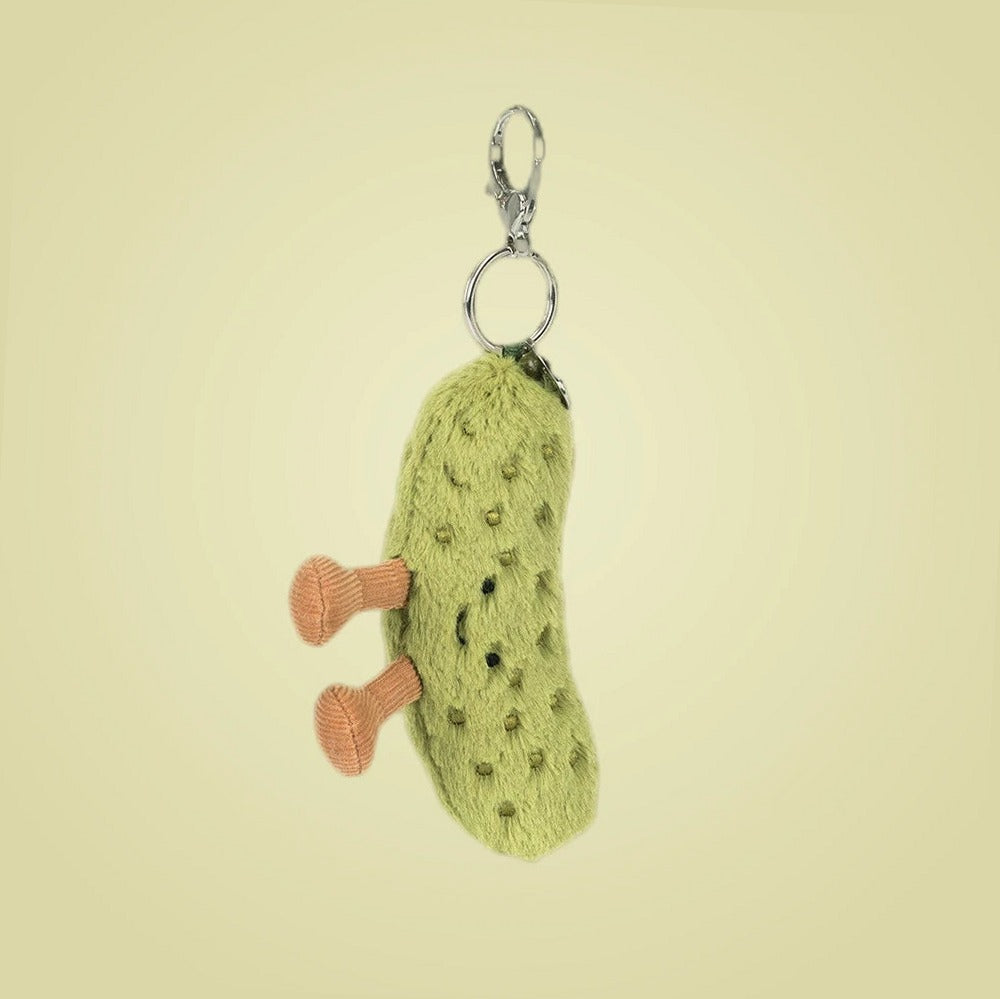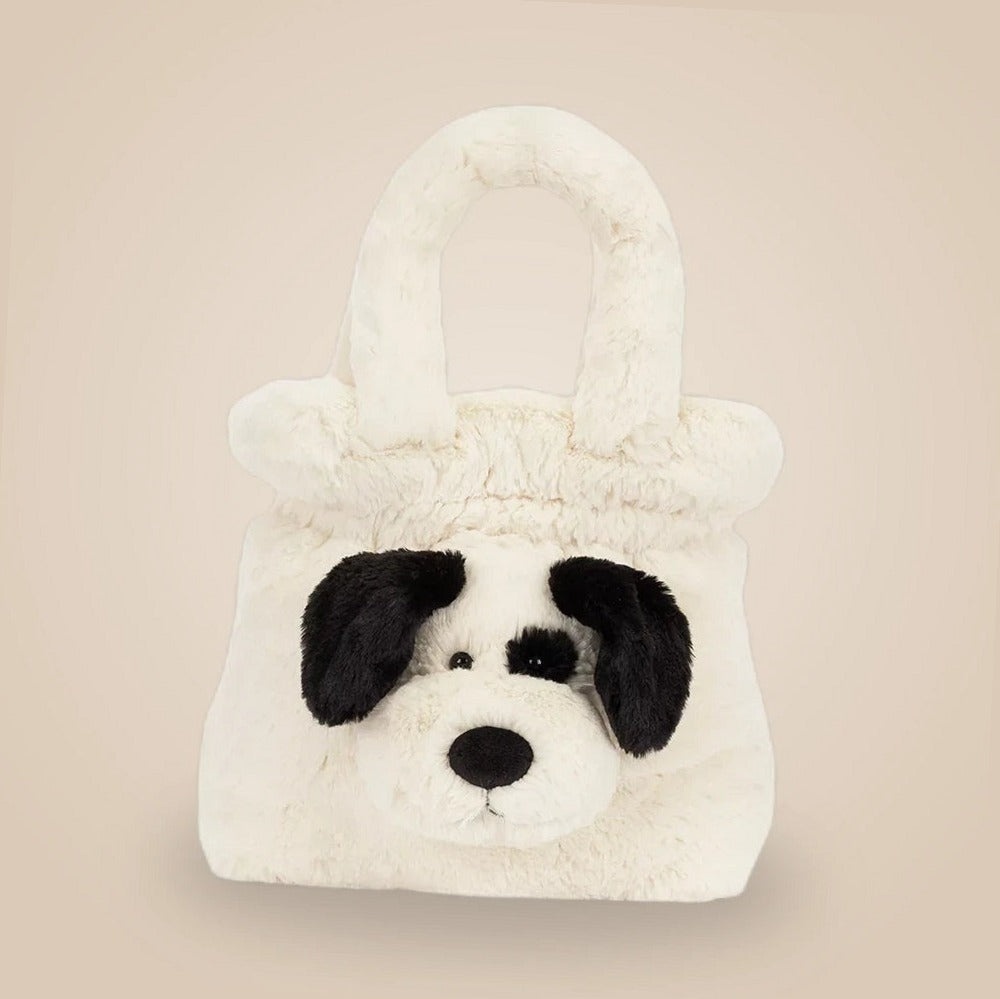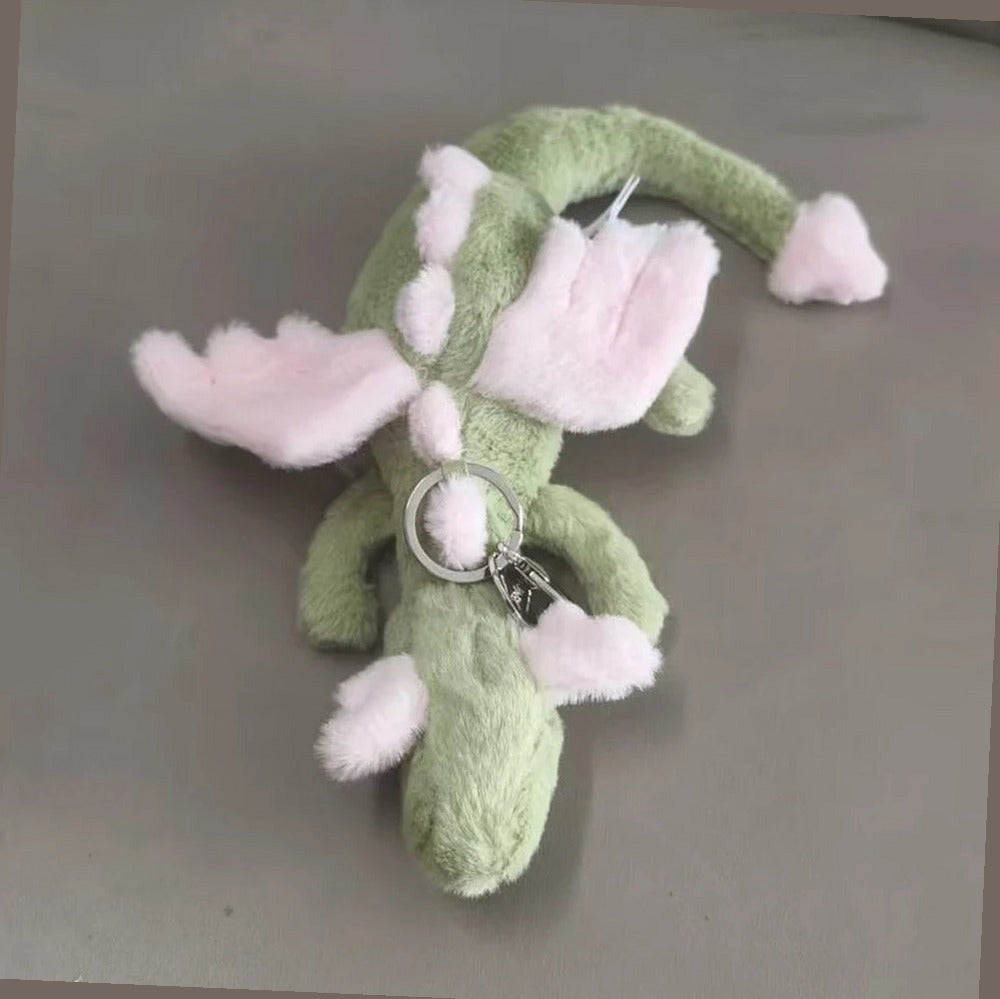
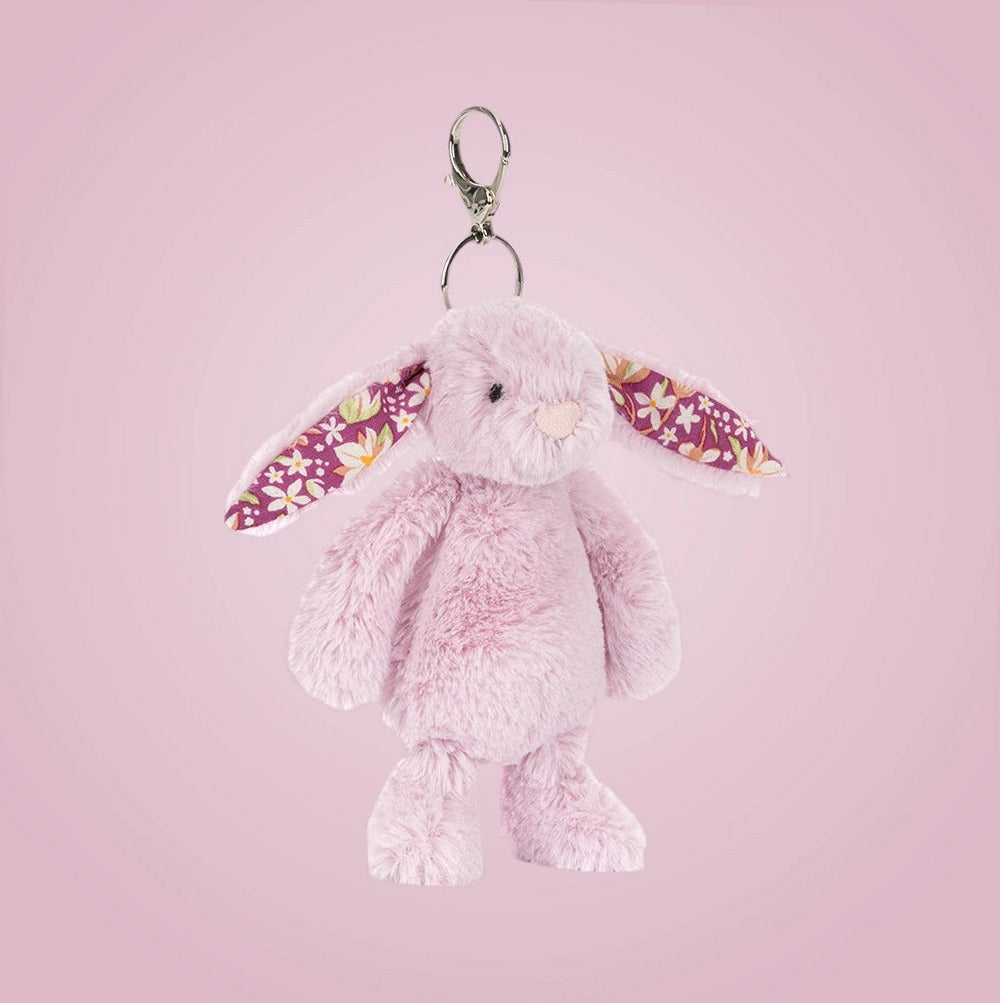
Plush bag charms are small, soft accessories designed to hang from purses, backpacks, tote bags, or belt loops. They add texture, color, and a touch of personality to daily carry without changing the function of the bag. When chosen intentionally, a plush charm can act as an identifier on crowded racks, a tactile comfort during transit, or a seasonal accent that makes an everyday item feel refreshed.
This guide focuses narrowly on practical questions shoppers face: how to pick a durable charm, how to style it so it complements rather than clutters, what to look for in hardware and attachment methods, and how to keep a plush charm looking its best with minimal fuss. It also covers common mistakes buyers make and gives several concrete, actionable examples so you can walk away with a decision plan rather than vague inspiration.
Deciding what you need: function before form
Start by asking what role the plush bag charm will play. Is its purpose mainly decorative, a practical identifier for luggage and backpacks, a fidget-friendly comfort object, or a small themed collectible? Each purpose points to different features: decorative charms prioritize color and silhouette; identifier charms prioritize distinctive patterns or bright colors; fidget-friendly pieces favor durable, tightly stitched seams and compact shapes.
Make a quick checklist: where will it attach (thin strap, metal D-ring, zipper pull), how often will it be handled, and is weight a concern? If the charm will hang from a delicate strap, choose a light attachment method. For heavy-use scenarios like school backpacks, prioritize sturdier hardware and tighter seams. This early clarity prevents impulse purchases that look great online but aren’t suited to your daily routine.
Materials and construction to inspect
Plush charms vary widely in fabric, fill, and trim. Look for consistent stitching and reinforced attachment points—these are the areas that fail first. Fabric choice affects texture and maintenance: velour and faux fur show wear differently than short-pile plush; felted accents can fray. If durability is a priority, favor tightly knit or bonded seams and consider charms where small parts are embroidered rather than glued.
Hardware matters as much as fabric. Lobster clasps, key rings, swivel clips, and split rings each have trade-offs. Lobster clasps are easy to secure but can jam; swivel clips reduce twisting but add weight; split rings are secure but harder to attach to thin tabs. When shopping, test that the hardware opens smoothly and that its finish matches your bag’s metal to avoid scratching or clashing.
Sizing, weight, and balance considerations
Size affects visual impact and practicality. A large plush charm can overwhelm a small crossbody and create awkward swinging; a tiny charm might disappear on a sizable tote. Consider scale relative to your bag’s dimensions and the bag’s purpose—work bags often call for subtler accents, while travel backpacks tolerate bolder proportions.
Weight influences how a charm hangs and whether it stresses attachment points. Heavier charms may pull on delicate straps or cause zippers to misalign. Check the combined weight of the charm plus its hardware, and imagine it in motion: will it bounce annoyingly or sit close to the bag surface? Choose lighter materials if the bag’s construction is uncertain.
Styling: matching charms to your bag and wardrobe
Think of plush charms like accessories—coordinate them with colors, textures, and the overall mood of your outfit. For a minimalist bag, a single bright or textured charm can act as a focal point. For patterned or heavily detailed bags, pick a charm with a simple silhouette or a single accent color to avoid visual competition. Consider seasonal swaps: a small, cozy plush for winter and a bright, whimsical shape for summer festivals.
Layering charms can work but requires restraint. Limit combinations to two or three pieces so the arrangement feels intentional. Vary sizes and textures—pair a small embroidered charm with a mid-sized plush to create depth. When arranging multiple charms on a single ring, test for balance so the cluster hangs neatly and doesn’t cover functional elements like name tags or side pockets.
Care basics and common maintenance mistakes
General cleaning steps include spot-cleaning stains promptly, addressing metal hardware with a dry cloth, and reshaping plush fills by hand-fluffing after moisture exposure. Always defer to the charm’s sewn-in care label for specific instructions and fabric warnings. Avoid submerging a charm or using harsh chemicals unless the label explicitly allows it.
Common mistakes include tossing charms into machines without checking labels, forcing clips onto delicate straps, and storing charms compressed for long periods. These habits can distort shapes, weaken seams, and accelerate metal tarnish. Instead, store charmed accessories in a shallow box or hanging space where they keep their shape and hardware remains dry.
Practical decision criteria and a quick example
Use a short decision rubric: 1) Purpose (decorate, identify, fidget), 2) Attachment (clip, ring, sewn loop), 3) Weight and size (light/medium/heavy), 4) Care requirements (spot-only vs. washable), and 5) Budget. Rate each trait on a 1–5 scale; prioritize items with higher scores in the traits that matter to you. This converts a visual choice into a practical purchasing decision.
Example: You want a commuter-friendly identifier. Purpose = 5, Attachment = 4 (sturdy lobster clasp), Weight = 3 (light), Care = 5 (spot-cleanable), Budget = 4. Total = 21. Compare a shortlist of three charms against this rubric and choose the highest scorer. This method clarifies trade-offs and prevents buyer’s remorse.
Common mistakes shoppers make
One frequent error is prioritizing novelty over durability. A charm with elaborate glued-on bits or delicate trim can look charming for a few uses but will degrade quickly. Look for charms where decorative elements are sewn or embroidered. Another mistake is misjudging attachment compatibility—some clips won’t close fully around thin straps, and split rings can be impossible to thread without tools.
Also avoid buying a charm purely by photo scale; images can mislead proportion. When product dimensions aren’t listed, ask the seller for measurements or compare to a familiar object in the image. Finally, resist over-clustering charms on a single bag: piling on too many creates noise and increases wear at the attachment point.
Where to buy and practical shopping tips
Consider buying from retailers that provide clear photos of hardware close-ups and show the charm attached to different bag sizes. If you’re sourcing in person, test the clip on your bag and tug gently to check seam strength. For bulk or gifting needs, consult a merchant’s wholesale page for policies and lead times before committing to larger orders; some sellers list wholesale information at wholesale inquiries.
If you have questions about specific materials or care, reach out to a seller’s support team via their contact page; a reliable vendor will answer queries about attachment types, return policies, and specific cleaning instructions. For browsing curated options where charms are already categorized, see the bags and charms collection at the Bags & Charms collection. For general care guidance, consult the site’s care information at our care guide.
Final checklists before you buy
Use this compact pre-purchase checklist: 1) Confirm attachment compatibility with your bag, 2) Inspect hardware type and ease of use, 3) Judge size relative to your bag’s dimensions, 4) Read the care label and confirm acceptable cleaning methods, and 5) Note return or exchange policies. Carry a mental or written note of these five points while shopping to avoid impulse buys that don’t fit your needs.
If buying as a gift, include an information card about care and attachment suggestions so the recipient knows how to best keep the charm looking good. For larger purchases or store partnerships, check the seller’s wholesale information at wholesale inquiries and contact them through their contact page for specifics. These small steps reduce the chance of mismatches and extend the useful life of your plush accessory.
Explore the details before choosing
Take a closer look at Bags & Charms, review our plush and clothing care guidance, or ask about specifications and availability before making an order request.