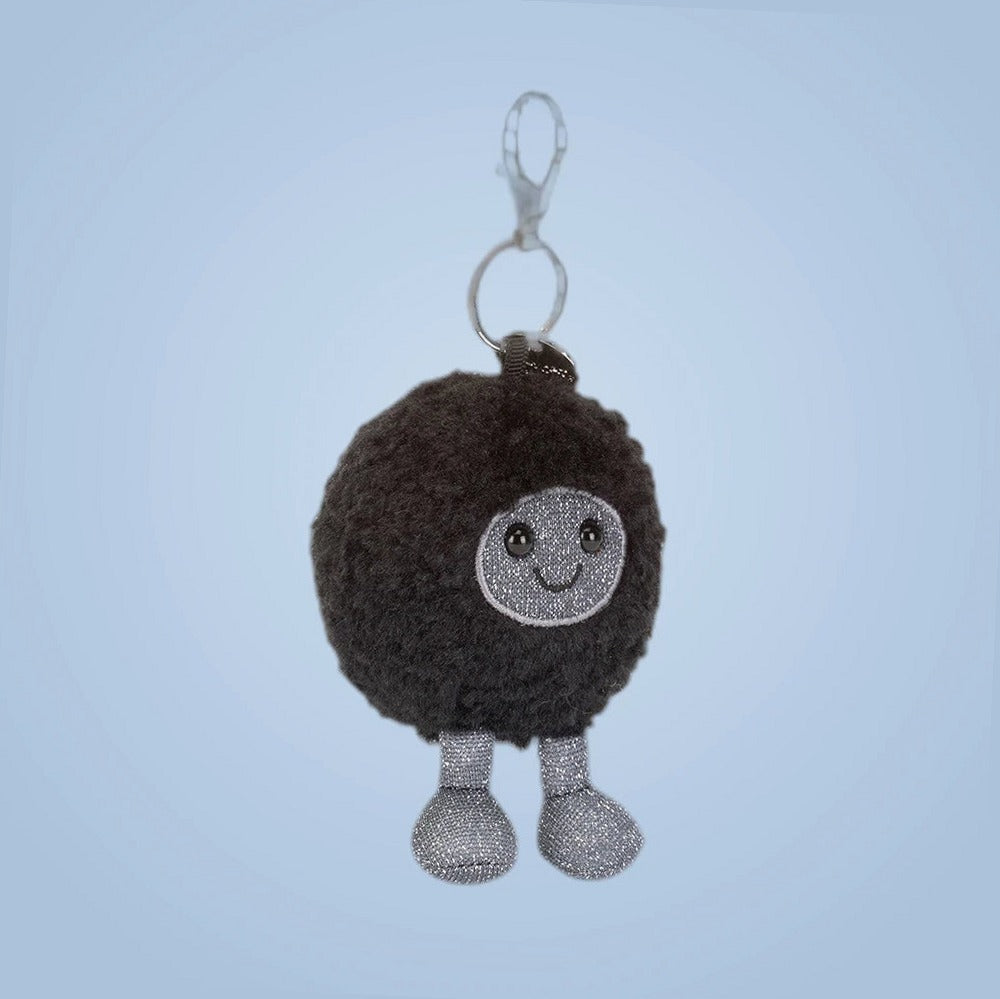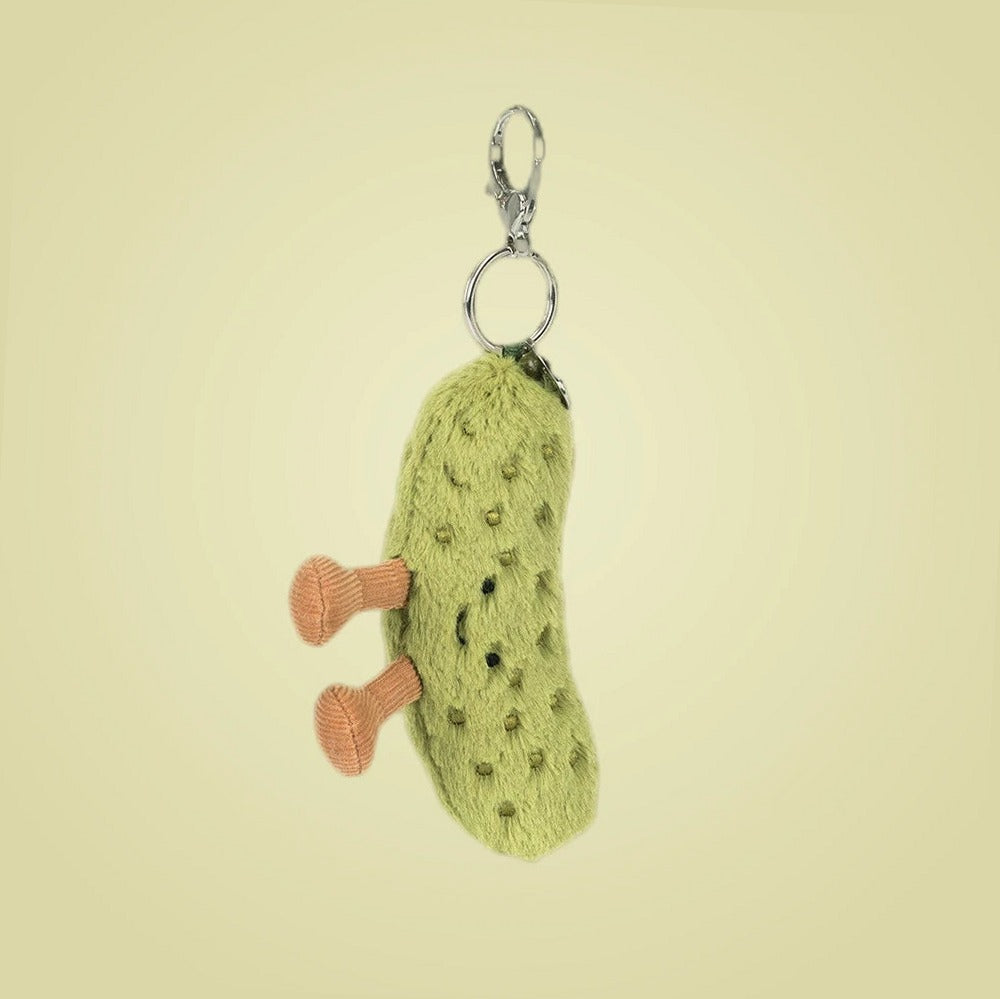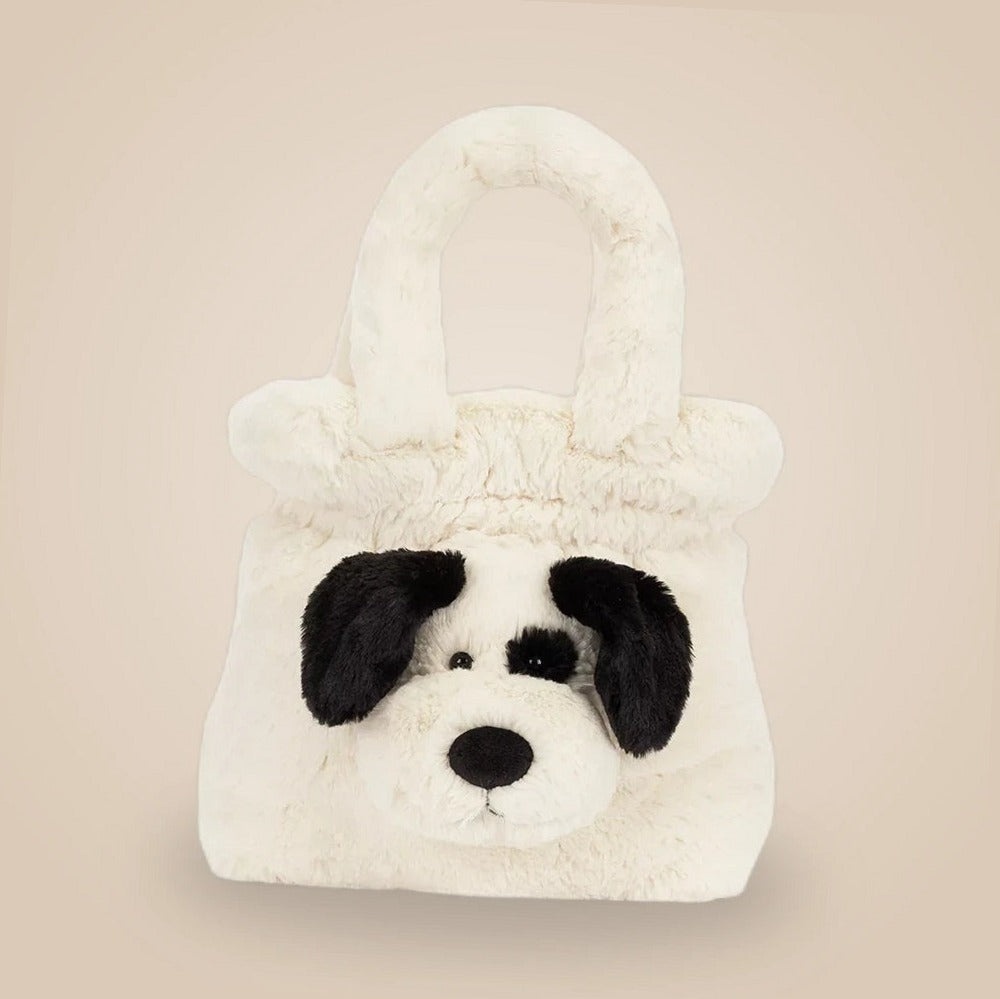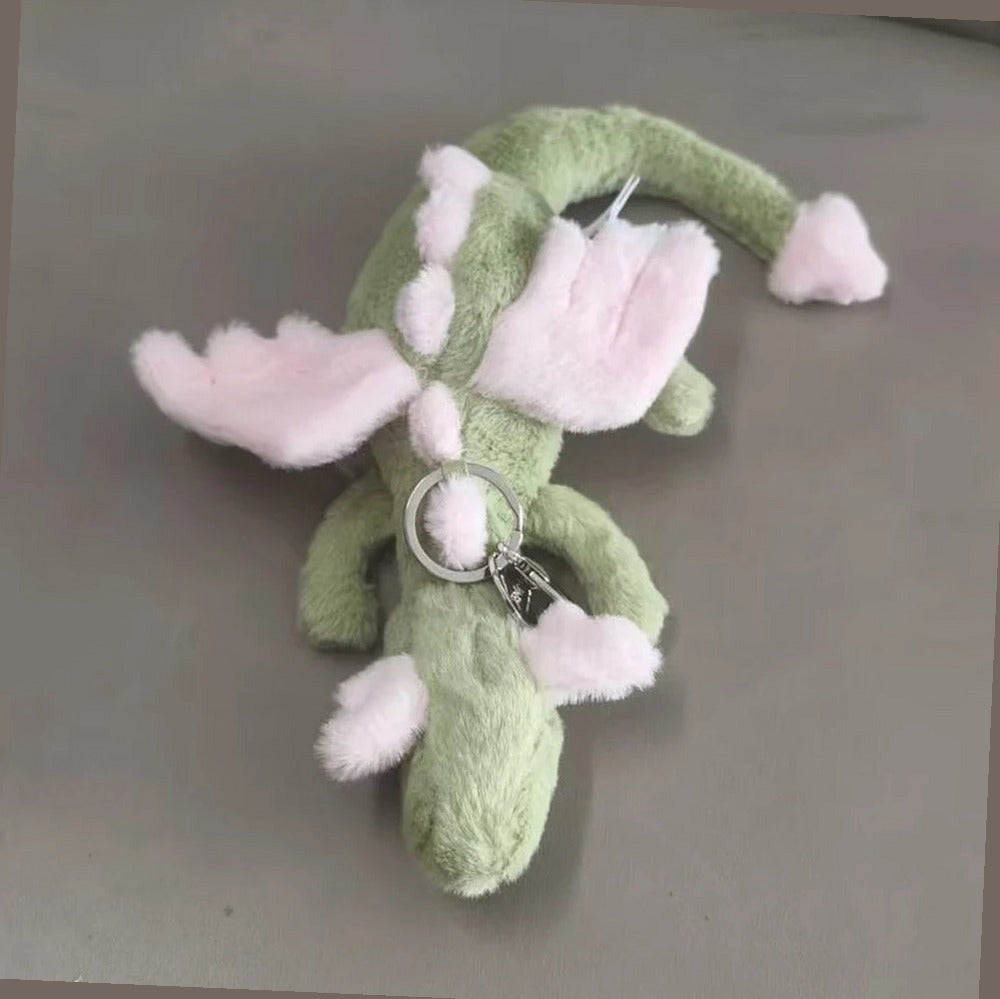
Plush backpack charms are a small accessory that can make a big visual impact on a backpack or tote. They range from tiny pom-poms to mini plush animals and can express personality, identify a bag, or simply make a daily carrier feel friendlier. Choosing the right charm means balancing style, durability, and safety; a handful of focused decisions will help you find something that lasts and suits your use case.
This guide walks through the practical considerations you’ll want to weigh: size and scale, attachment type, materials and construction, care and cleaning, compatibility with different bag hardware, and common pitfalls shoppers overlook. Towards the end there’s a short, actionable example you can follow to pick a single charm for a commuter tote or student backpack, plus links to related pages including a product grouping, care guidance, and contact options for specific questions.
Start with the right scale: size and proportion
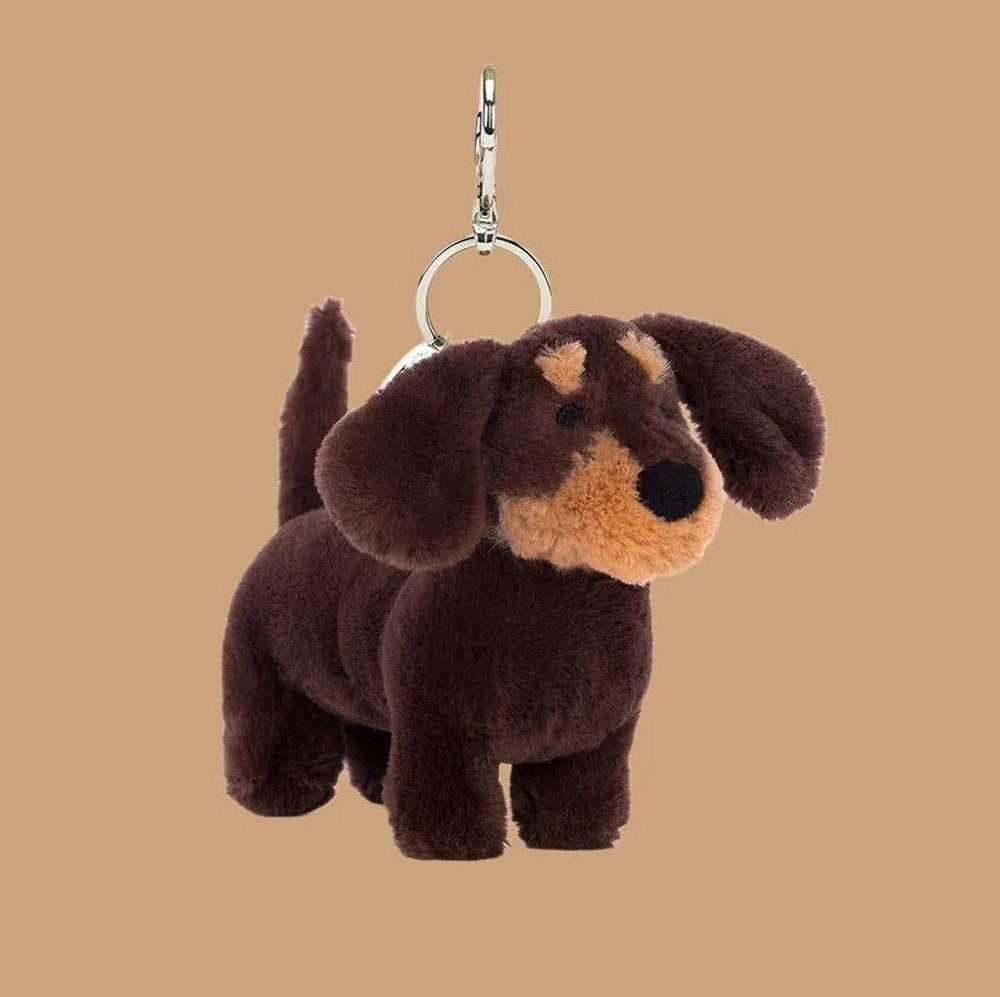
Consider the overall size of the bag before choosing a plush backpack charm. A jumbo plush keychain can overwhelm a slim crossbody or small tote, while a tiny pom-pom will disappear against a large campus backpack. Think in relative terms: if your bag is compact, choose charms under 4 inches across; for medium to large backpacks, 4–8 inches reads more intentional and balanced.
Also check how the charm will interact with other attachments. If your bag already has a water bottle, reflective strip, or other dangles, visual clutter can occur quickly. One practical checklist: view your bag flat, imagine the charm dangling from the strap or zipper, and ask if it hides essential hardware or pockets. If it does, opt for a smaller charm or place it where it won’t obstruct use.
Attachment types and security
Attachment mechanisms vary: split rings, lobster clasps, carabiner-style clips, and sewn-in loops are common. Choose based on how secure you need the charm to be. A lobster clasp is easy to remove but can accidentally open; a threaded split ring is more secure but takes longer to attach. For daily commuter bags where theft or loss is a concern, favor closures that require conscious action to remove.
Think about where you’ll attach the charm. Strap D-rings, zipper pulls and metal loops are typical spots. If your bag has delicate trims or fabric loops, avoid heavy metal clips that can strain seams. A simple tip: when in doubt, clip the charm to a reinforced metal loop or to an internal key ring inside the bag to keep it accessible without rubbing against fabric constantly.
Material and construction: what lasts
Plush backpack charms come in a range of materials: synthetic faux fur, velour, cotton blends, felt, and mixed-media (beads, metal hardware). If longevity matters, focus on tight stitching, double-stitched seams at stress points, and quality of the attachment hardware. Inspect seams where the hardware connects to the plush — that’s where failure usually starts.
Avoid charms with many glued-on embellishments if you expect heavy use; beads and glued eyes can loosen over time. For a charm that will be handled frequently, embroidered details are more durable than glued-on plastic pieces. If you want a tactile soft touch, look for short pile plush that traps less dirt and resists matting better than long shaggy fur.
Care and maintenance: practical rules
Cleaning methods vary by material and manufacturer, so always defer to the charm’s label and care instructions. In general, spot cleaning with a mild detergent and cool water is safe for most plush surfaces; use gentle blotting rather than vigorous scrubbing. For metal parts, dry thoroughly after cleaning to avoid rust or tarnish.
If the charm includes delicate trims or mixed materials, consider keeping it removable and washing only when necessary. Store charms in a breathable bag when not in use to prevent dust buildup. For more general care guidance for accessories and bags, see the care page available at our care guide.
Style and personalization: pairing charm with bag aesthetic
Match the charm’s mood to your bag’s aesthetic. Clean-lined, minimalist bags usually pair best with a simple, small charm in a neutral shade; whimsical or brightly patterned bags can handle a larger, playful plush with more color. Consider color contrast: a pop of saturated color can enliven a monochrome bag while a tone-on-tone charm reads more refined.
Use charms to signal interest or function: a mini plush camera or musical note can hint at hobbies, whereas a simple initial or monogram charm can help identify your bag in a crowd. If you want a more cohesive look, align metal finishes — choose hardware on the charm that matches the bag’s zipper pulls or buckles so things read as intentional.
Safety and suitability: quick precautions
Pay attention to small parts and choking hazards if the bag might be used by children or carried into settings where that’s a concern; check the individual manufacturer’s age guidance and care instructions. Avoid charms with long, dangling cords that could catch or loop around objects. If you often travel, consider removing large or heavily protruding charms during transit to reduce snag risks.
Also consider weight: heavy ornaments can stress seams or distort a strap over time. If the charm is heavier than a few ounces, relocate it to a sturdier attachment point or use it sparingly. When in doubt about long-term effects on bag hardware, test the charm’s weight by letting it hang for a week and checking for stretching or seam strain.
Common mistakes shoppers make
One frequent mistake is prioritizing cuteness over practicality: buyers pick an oversized or fragile plush without thinking how often the bag is opened or how the charm will bounce against hard surfaces. That can lead to rapid wear or accidental loss. A short checklist to avoid this: assess scale, inspect seams, test the clasp’s security, and imagine daily wear scenarios.
Another mistake is ignoring attachment compatibility. Not all clasps work with every bag; small zipper pulls, decorative loops and fabric tabs may not accept a bulky lobster clasp or carabiner. Before purchase, measure the attachment opening on your bag or take a clear photo to compare. If you need help confirming whether a charm will fit a specific bag, you can reach out via the contact page at the contact page for guidance.
Practical example: choose a charm for a commuter tote
Scenario: you carry a structured commuter tote with narrow shoulder straps and metal zipper pull, and you want a single charm that’s professional enough for work but adds personality. Step one: pick a charm under 5 inches so it won’t bang against your laptop as you move. Step two: prioritize a medium-duty clasp such as a threaded split ring or small lobster clasp and avoid heavy carabiners that could stress the strap.
Step three: choose materials with low maintenance—short-pile plush or velour with embroidered details rather than glued embellishments. Test the attachment for stability by clipping it to the zipper pull and carrying the tote around for a day; check the strap and pull for undue strain. If you want similar options to browse, the bags and charms section at the Bags & Charms collection is a helpful starting point.
Buying in quantity and wholesale considerations
If you’re buying multiple charms for a team, event, or retail stock, think through consistency in attachment types and branding. Standardize on one attachment style so recipients can use the charms without extra adapters. Also decide whether to match all charms to a single color palette to maintain visual cohesion across different bag styles.
For larger orders, request clear product photographs showing the seams and hardware, and ask about replaceability of damaged units. If you’re exploring wholesale options, consult the wholesale page at wholesale inquiries to learn about ordering processes and minimums; remember to verify care instructions and age guidance for any charms you plan to distribute.
Explore the details before choosing
Take a closer look at Bags & Charms, review our plush and clothing care guidance, or ask about specifications and availability before making an order request.