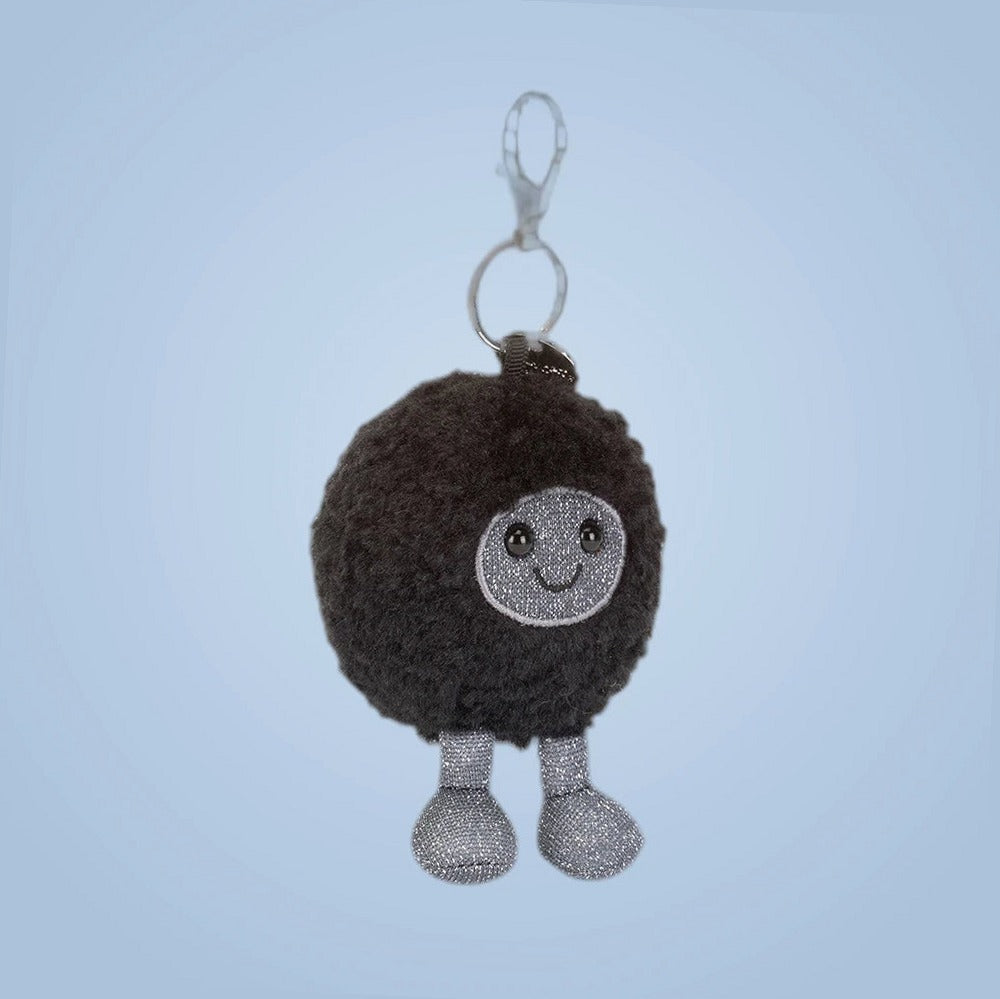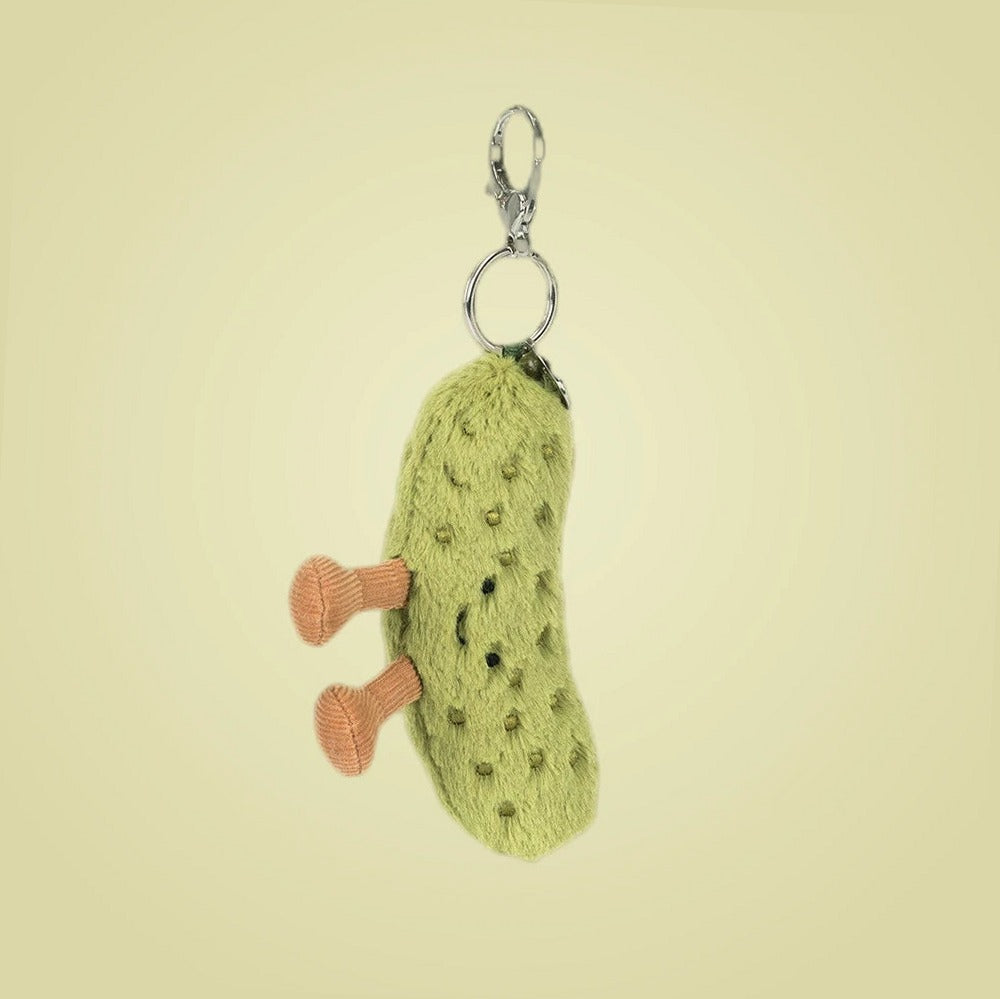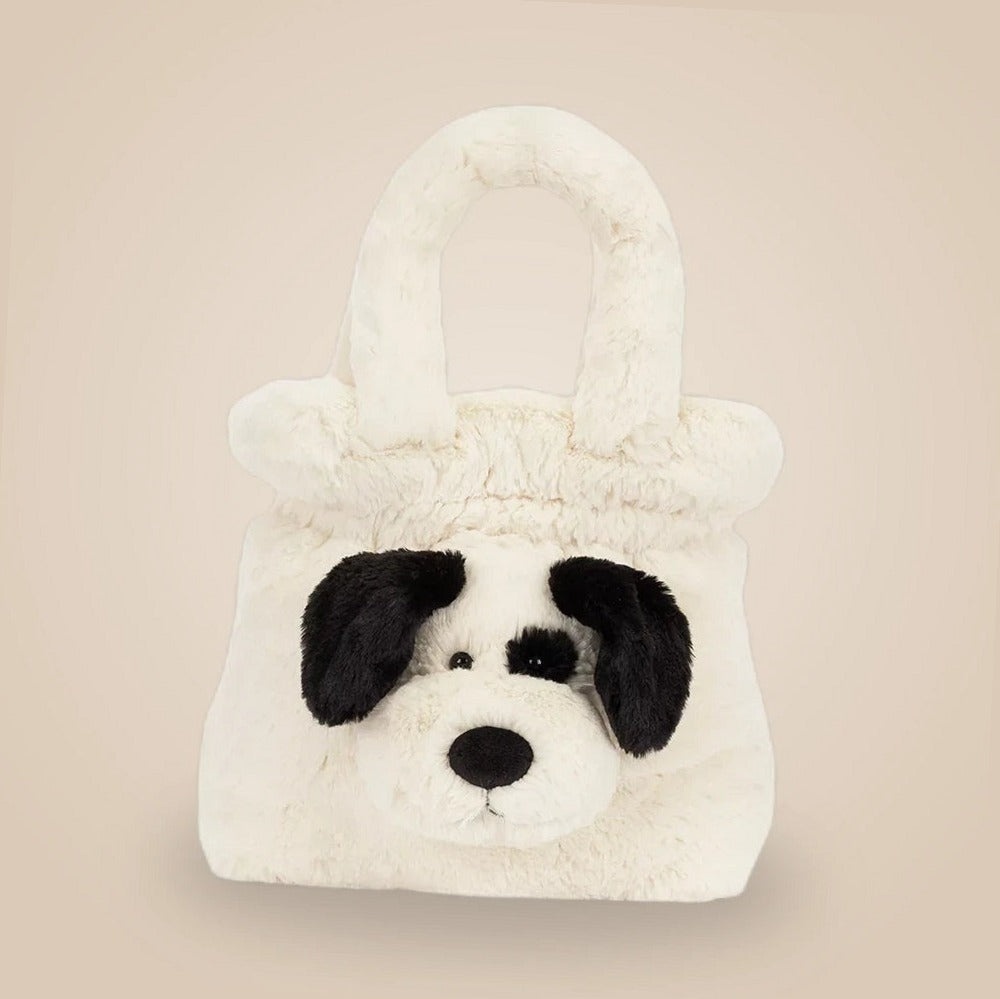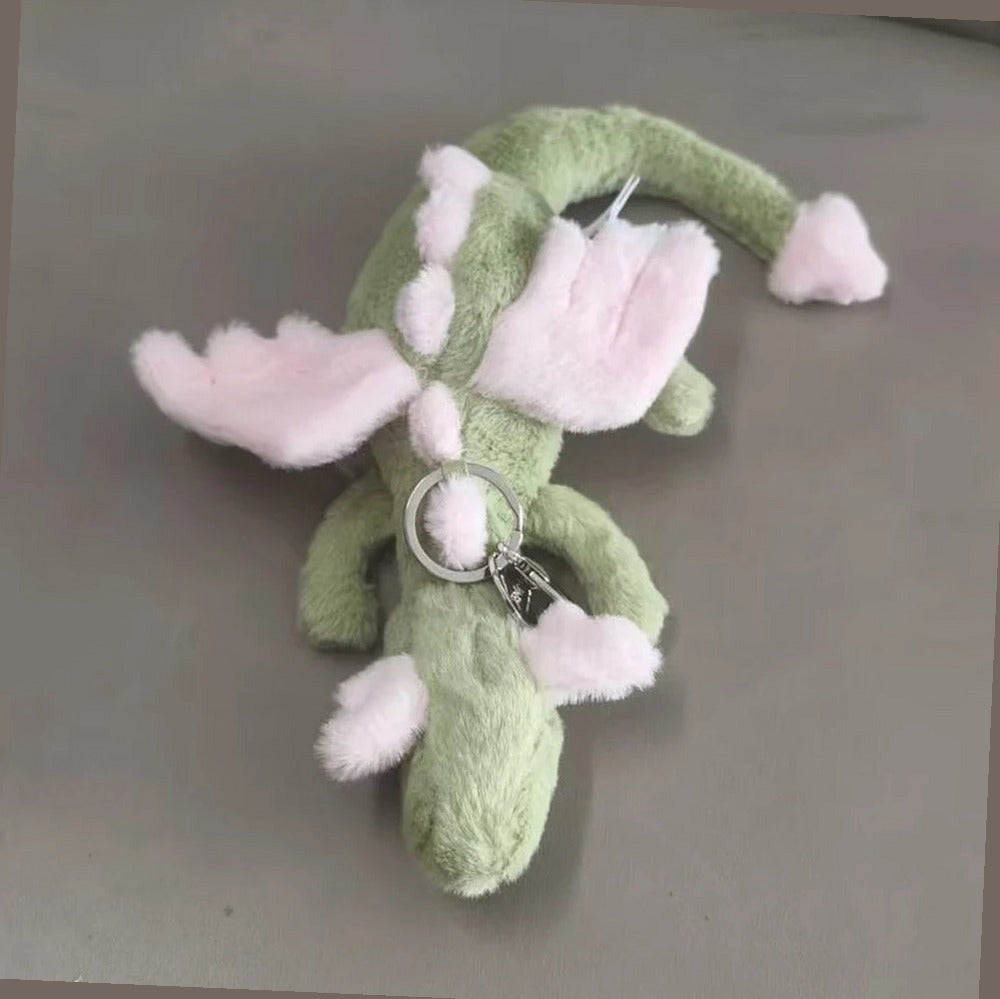
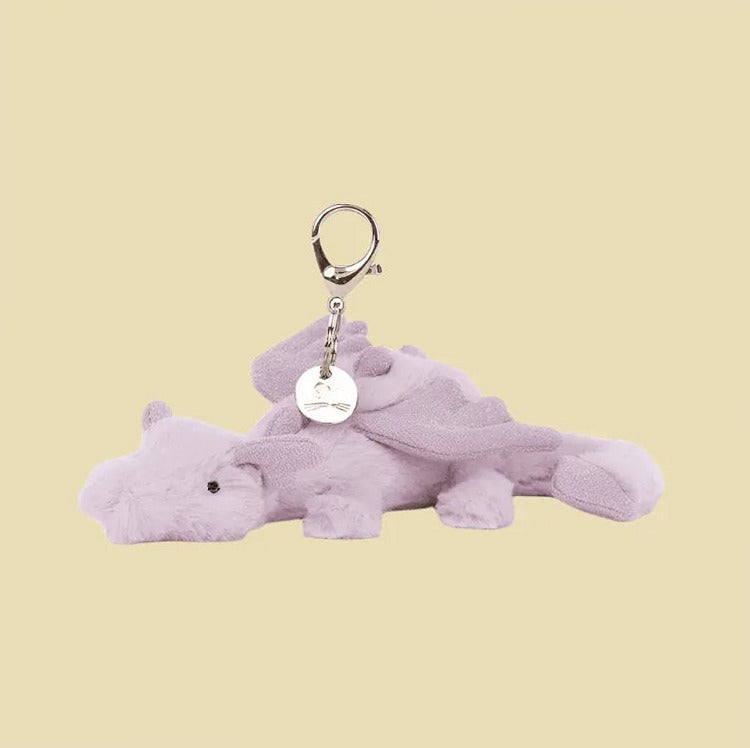
PlushAccessory care starts with understanding what you actually carry and how you use it. Accessories — think plush bag charms, soft coin pouches, and fuzzy phone charms — see a mix of exposure to dirt, friction, body oils and sunlight that differs from a stuffed animal on a shelf. Before any cleaning, read the manufacturer’s label or tag for care instructions; if that label is missing, treat the piece conservatively: avoid saturating seams and trims, and test any cleaner on a hidden area first.
This guide focuses narrowly on everyday-use plush items rather than toys for infants or decorative plush meant only for display. You’ll get practical decision criteria for spot cleaning versus deeper cleaning, safe ways to refresh without full washing, how to handle trims and hardware, and a simple example routine you can follow weekly. For related accessories and replacement items, see the plush bag charms and soft accessories collection at the Bags & Charms collection and check general product care information at our care guide.
Identify materials and weak points
The first step in good plush accessory care is to identify the fabrics, fillers, and trim. Many everyday plush accessories combine faux fur, minky, velour, or knit fabrics with plastic or metal hardware. Look for glued-on eyes or sewn seams that might separate when wet. If a piece has delicate embroidery, sequins, or a glued badge, avoid aggressive scrubbing and choose gentler surface treatments. Knowing the materials helps you pick cleaners and tools — for example, a soft-bristled brush on velour, a lint roller for faux fur, and a damp cotton swab for small crevices.
Decide which parts are most vulnerable: seams, glued trims, and painted hardware tend to fail first. Create a quick mental checklist when you get a new accessory: are the eyes sewn or glued? Is the clip metal or plastic? Are there open seams near the attachment point that take most of the strain? This checklist helps prioritize spot repairs and informs whether the accessory is a candidate for hand-washing, careful soak, or strictly surface care.
Daily upkeep: quick habits that add up
Small daily habits prevent bigger cleaning jobs. Keep a compact lint roller or sticky brush in your bag to remove surface dust and stray fibers after a day outside. Wipe hardware with a dry microfiber cloth to remove fingerprints and body oils that can dull finishes. For plush charms that brush against clothing, flip or rotate the accessory occasionally to distribute wear evenly; this reduces matting on a single side.
Another simple habit is an end-of-day shake and air-out. A brief shake removes loose dirt; hanging the item in fresh air for 10–30 minutes helps dissipate odors. For accessories that live on bag straps, wipe down the strap area weekly to remove sunscreen, lotions, or perspiration transferred from shoulders—these residues are often the primary causes of discoloration and staining.
Spot cleaning: tools, solutions, and technique
Spot cleaning is your most used method for plush accessory care. Assemble a small kit: a mild, fragrance-free detergent (or a dedicated fabric spot cleaner), distilled water, cotton swabs, a soft white cloth, and a soft-bristled toothbrush. Avoid colored cloths that may bleed. Mix one teaspoon of detergent into a cup of lukewarm water for a gentle solution. Apply sparingly with a cotton swab to the stained area, blot outward from the center, and never rub in tight circles which can spread the stain and damage fibers.
For grease or body-oil stains, a dab of dish soap on a cloth then blotting can lift oils, followed by a clean damp cloth to remove residue. For dye transfers (from denim, for example), spot test a discreet area first; if the dye bleeds, stop and consult a professional cleaner. Allow the spot-cleaned area to air-dry thoroughly, and gently brush the nap back into shape once dry using a soft toothbrush or fabric comb.
When to hand-wash or deep clean
Some plush accessories tolerate a careful hand wash, but this is a higher-risk option reserved for pieces with sturdy seams and removable hardware. If the label permits water and the trims are sewn (not glued), prepare a basin with cool to lukewarm water and a mild detergent. Submerge only the plush fabric portion when possible, keep agitation minimal, and avoid twisting or wringing; instead press water out gently. Rinse thoroughly until no suds remain, then reshape and lay flat to dry on a towel away from direct heat.
If an accessory has complicated hardware, glued trims, or composite materials, deep cleaning should be avoided. In those cases, consider professional spot cleaning or a partial approach: remove metal clips, detach washable parts if possible, and treat the rest as a surface-clean-only item. Hand-washing is useful when odors have built up or a spill soaked through to internal stuffing, but weigh the risks to adhesives and paint finishes before proceeding.
Drying, reshaping, and restoring nap
Drying is as important as cleaning. Excess water invites mildew and can distort shape. After any wet cleaning, press out moisture with a clean towel by rolling the accessory gently inside the towel like a burrito—don’t twist. Air-dry flat in a single layer, turning it occasionally to ensure even drying. Avoid direct sunlight and hot sources; heat can melt glues and fade dyes. For faster drying without heat, use a fan to circulate air around the piece.
Once dry, restore the nap and fluff with careful brushing. For faux fur, use a fiber brush or soft toothbrush to smooth fibers in the same direction. For minky or velour, a soft-bristled brush will lift crushed fibers. If the accessory has lost shape, insert a small piece of tissue or thin batting into the cavity and gently work it into place to rebuild profile; avoid overstuffing, which stresses seams.
Handling hardware, clips and metal details
Hardware can be a weak point in everyday plush accessories. Metal clips and rings are magnets for tarnish and grime from repeated handling. Wipe metal parts with a dry microfiber cloth after use. If metal needs cleaning, a damp cloth with a tiny amount of mild soap followed by thorough drying usually suffices; avoid submerging metal if it’s attached to glued trims. For stubborn tarnish, test a small inconspicuous spot and use a specialized metal cleaner only if safe for surrounding fabrics.
Clips and fasteners should be inspected weekly for looseness or rust. Tighten small screws gently if accessible; if a clip is bent or the spring is weak, replace it rather than risk losing the accessory. For hardware attached with thread, reinforce stitching with a few small stitches in a matching color when needed to extend the accessory’s usable life.
Storage and travel: avoiding crush and contamination
Proper storage reduces the need for frequent deep cleaning. Keep plush accessories in a breathable pouch or box when not in use to protect from dust while allowing air circulation. Avoid plastic bags for long-term storage; they trap moisture and can encourage mildew. For travel, pack plush items in a small cloth bag or between layers of clothing to prevent crushing and friction against zippers or rough fabrics.
When storing multiple accessories together, use separators or tissue paper to prevent color transfer and flattening. If you’ll be storing a piece for months, include a sachet of natural desiccant—silica gel—not directly touching the fabric. Check items every few months and air them out to prevent stale odors. A quick brush after storage keeps the nap fresh without additional cleaning.
Common mistakes and a simple weekly routine example
Common mistakes in plush accessory care include over-saturating pieces, using harsh cleaners, and ignoring the label. Over-wetting adhesives and trims often causes permanent separation. Using bleach, strong solvents, or colored towels can disfigure the fabric or transfer dye. Another frequent error is skipping inspection; small issues left unchecked become larger repairs later.
A realistic weekly routine: (1) Visually inspect seams and hardware; tighten or restitch as needed. (2) Use a lint roller and wipe metal with a microfiber cloth. (3) Spot-clean any marks using a mild detergent solution and cotton swab. (4) Air out for 20–30 minutes and brush the nap. This takes five to ten minutes for most everyday pieces and prevents larger cleaning sessions. If you have questions about care beyond this routine, contact customer support at the contact page or inquire about bulk care resources at wholesale inquiries.
Explore the details before choosing
Take a closer look at Bags & Charms, review our plush and clothing care guidance, or ask about specifications and availability before making an order request.