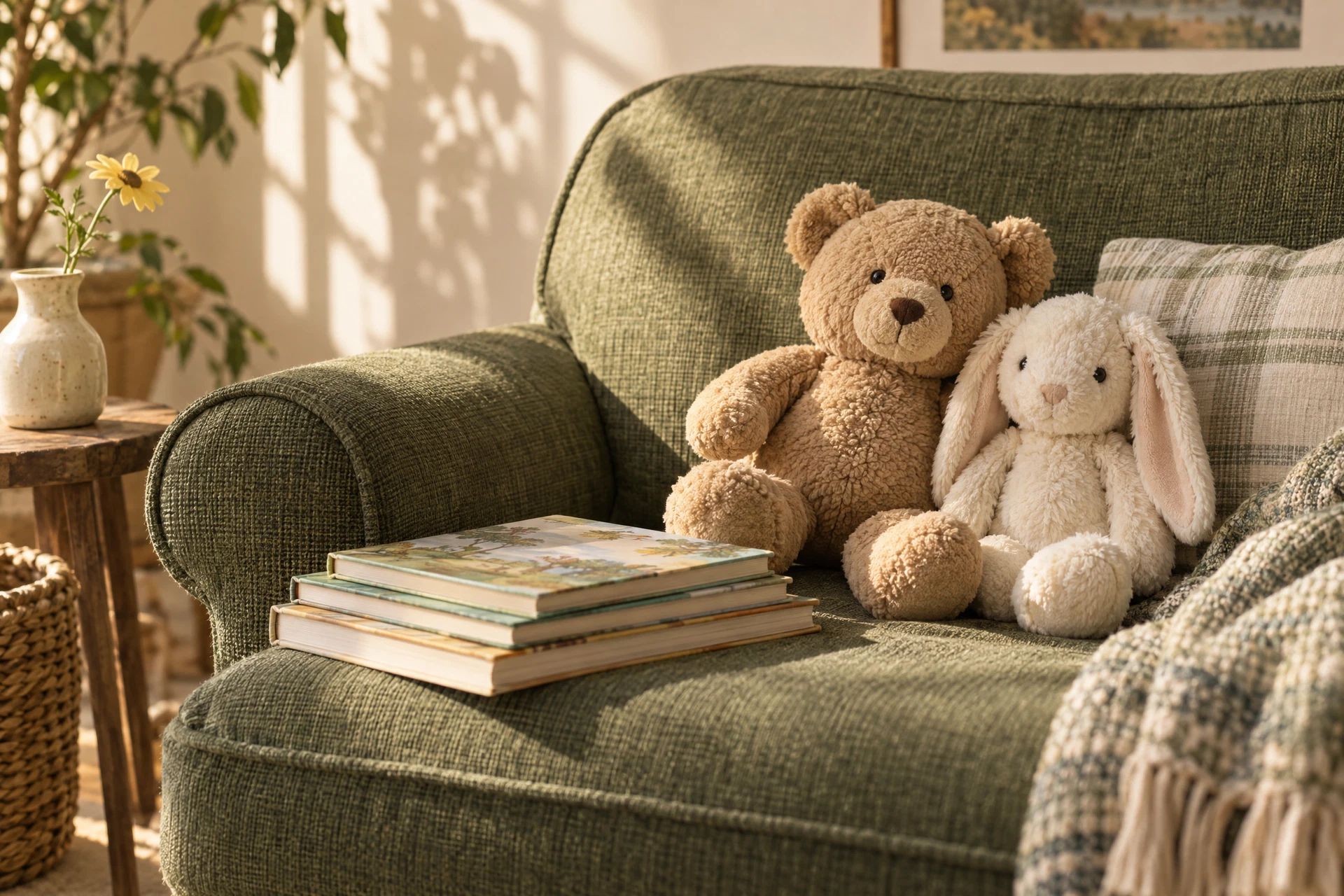
Choosing birthday plush gifts can seem simple until you try to make them feel personal. A stuffed animal or soft character is more than fluff; it can recall a shared joke, reflect a hobby, or become a decorative accent in a grown-up’s home. Start by thinking about relationship, context, and how the recipient interacts with soft things—do they collect, display, cuddle, or keep items for nostalgia?
A targeted selection process cuts through the overwhelm: narrow by theme or use, compare personalization options, and make presentation part of the gift. This article walks through concrete decision criteria, common mistakes to avoid, and small, actionable examples so you can buy a birthday plush gift that looks like you thought about it.
Decide the intended role of the plush
Before browsing, decide what role the plush will fill: keepsake, everyday cuddle buddy, desk companion, or décor accent. For keepsakes, look for designs that can be displayed on a shelf or tucked into a memory box. For everyday use you’ll prioritize durability and washable fabrics; check the individual manufacturer’s label for care guidance. Desk companions can be smaller, with weighted bases or flat bottoms for stability.
Make a quick checklist: role (keepsake/cuddle/decor), likely setting (bedroom, office, car), and desired lifetime (temporary novelty versus long-term companion). This simple framework helps you filter thousands of options quickly and reduces buyer’s remorse by aligning the gift with how the recipient actually lives with soft objects.
Match theme and personality
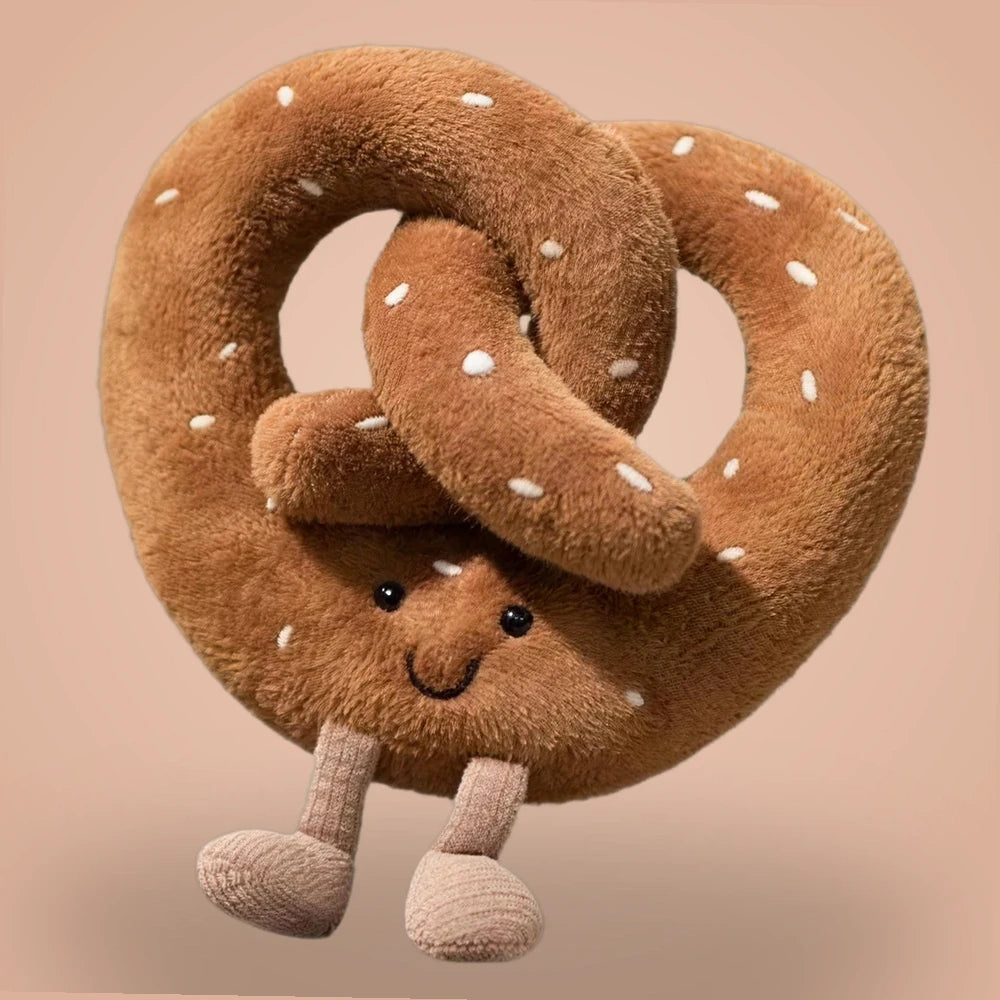
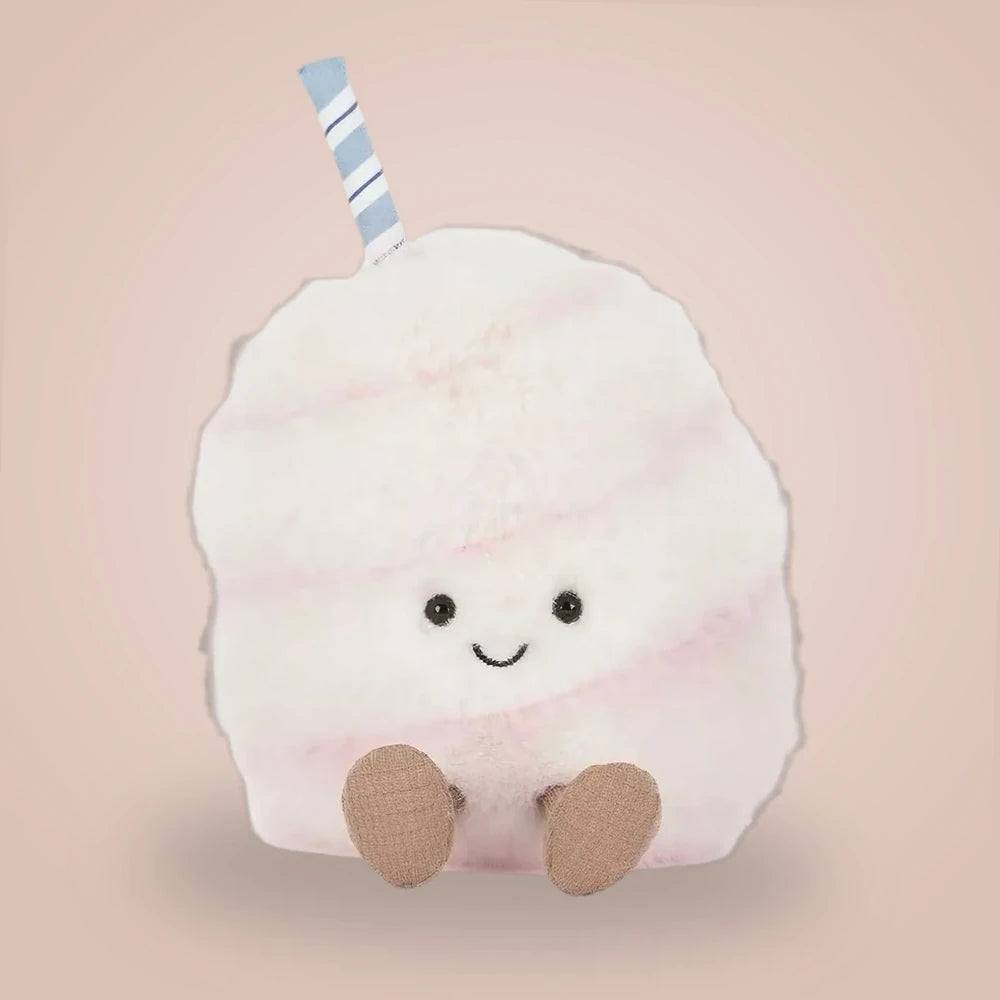
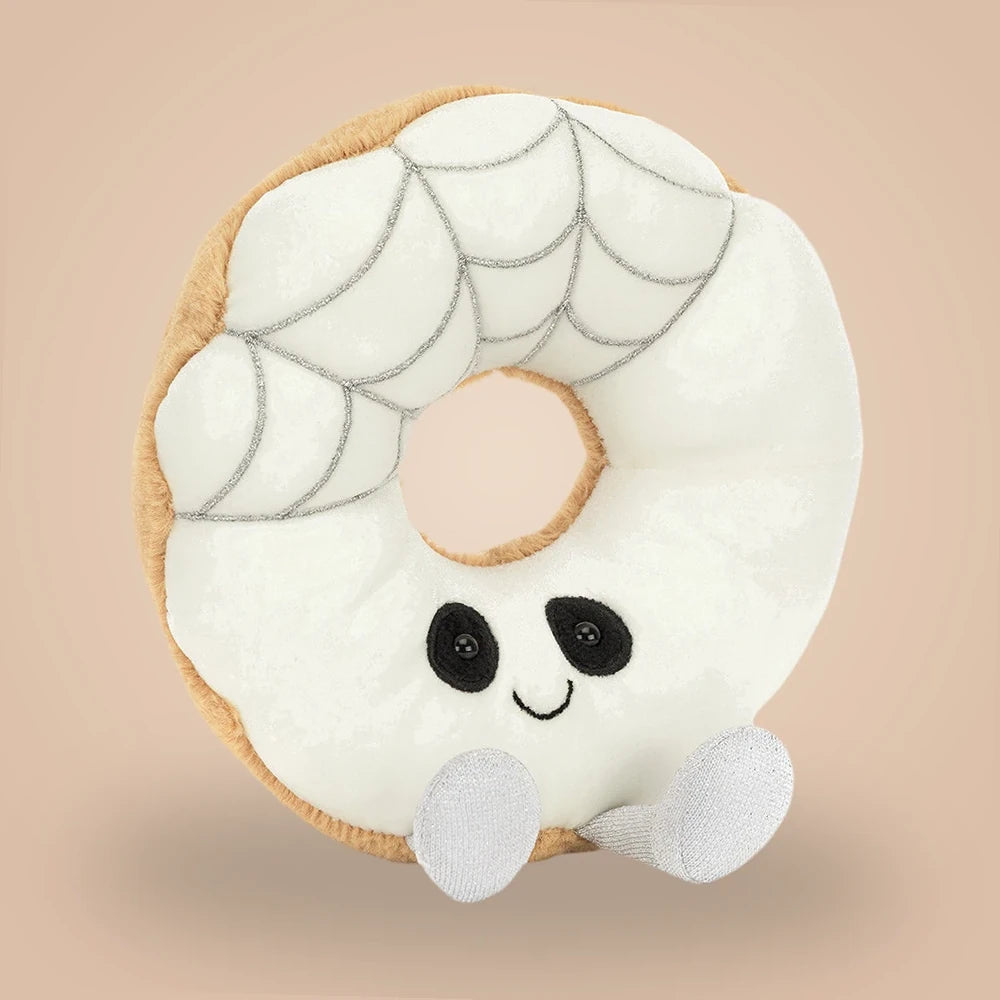
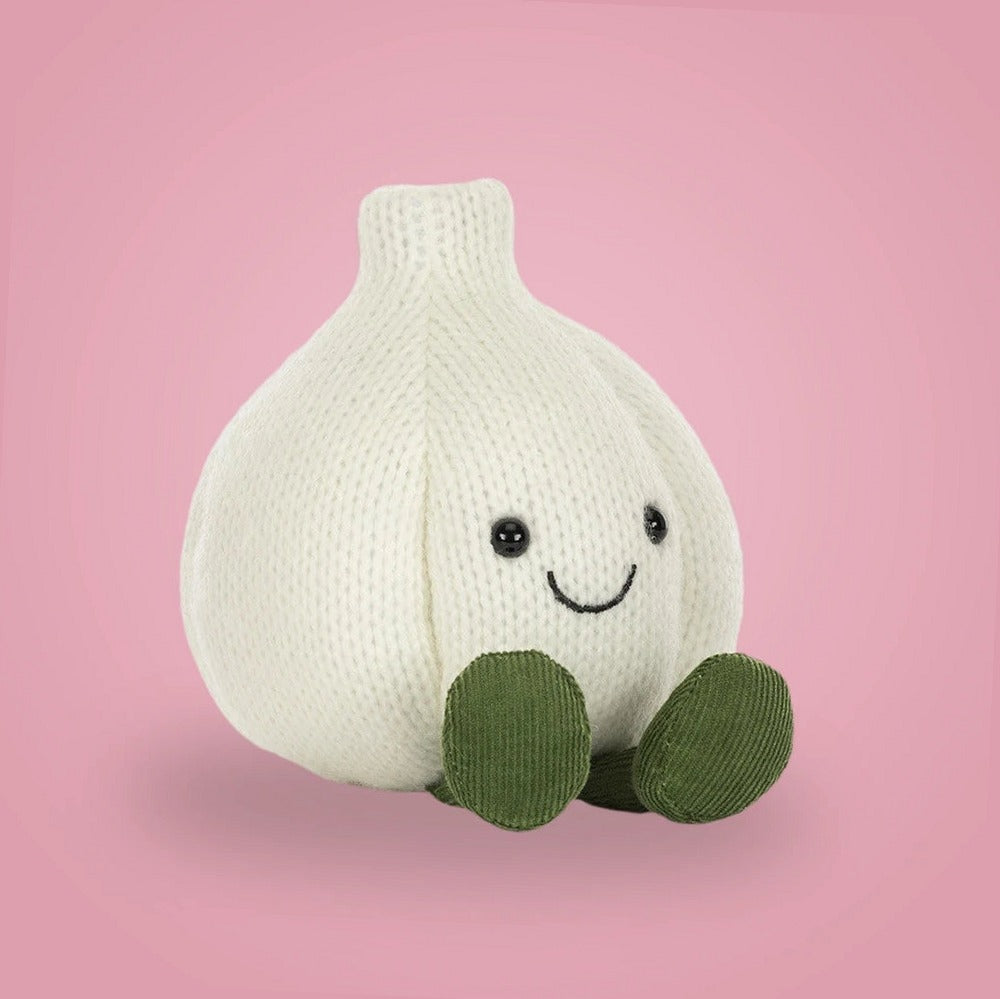
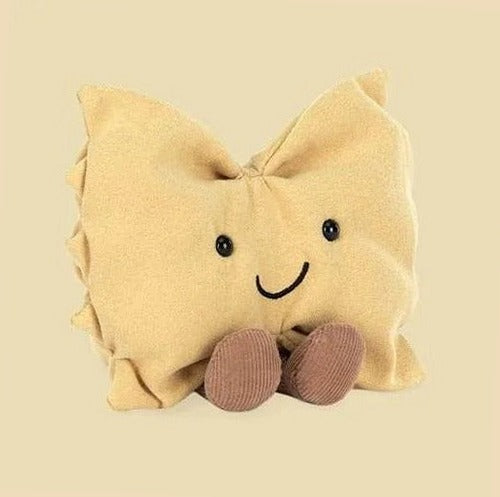
A plush that matches a hobby or inside joke feels instantly personal. Think beyond broad categories—if they love gardening, a plush cactus with a cheeky expression will outshine a generic animal. Fans of a particular food might prefer a realistic donut or a stylized avocado; browse a themed selection like "the Food Friends collection" for ideas that tie an interest into the design.
Consider style preferences too: minimal and neutral versus colorful and whimsical. A grown-up who favors muted décor will appreciate low-contrast colors and cleaner lines, while someone who collects characterful toys will welcome bright palettes and expressive faces. Choosing according to personality reduces the chance the plush will be re-gifted or stuffed into a drawer.
Personalization options that actually matter
Customization ranges from embroidered names to fully bespoke shapes. Think about longevity: a stitched name on an inside seam is subtle and long-lasting; printed graphics can fade over time. If you choose embroidery, request an example of font and thread color. For more elaborate personalization—like adding a small sewn-in pocket for messages—ask whether the modification affects safety or care instructions and check the individual manufacturer's label.
Not all personalization is worth the price or wait. Ask whether a custom tag, a removable accessory, or a themed gift box would achieve the same emotional impact more efficiently. Small touches such as a custom message card tucked into the plush or pairing the toy with a related item (a favorite snack or a handwritten coupon) often increase perceived value without complexity.
Presentation: wrapping, packaging, and a simple reveal
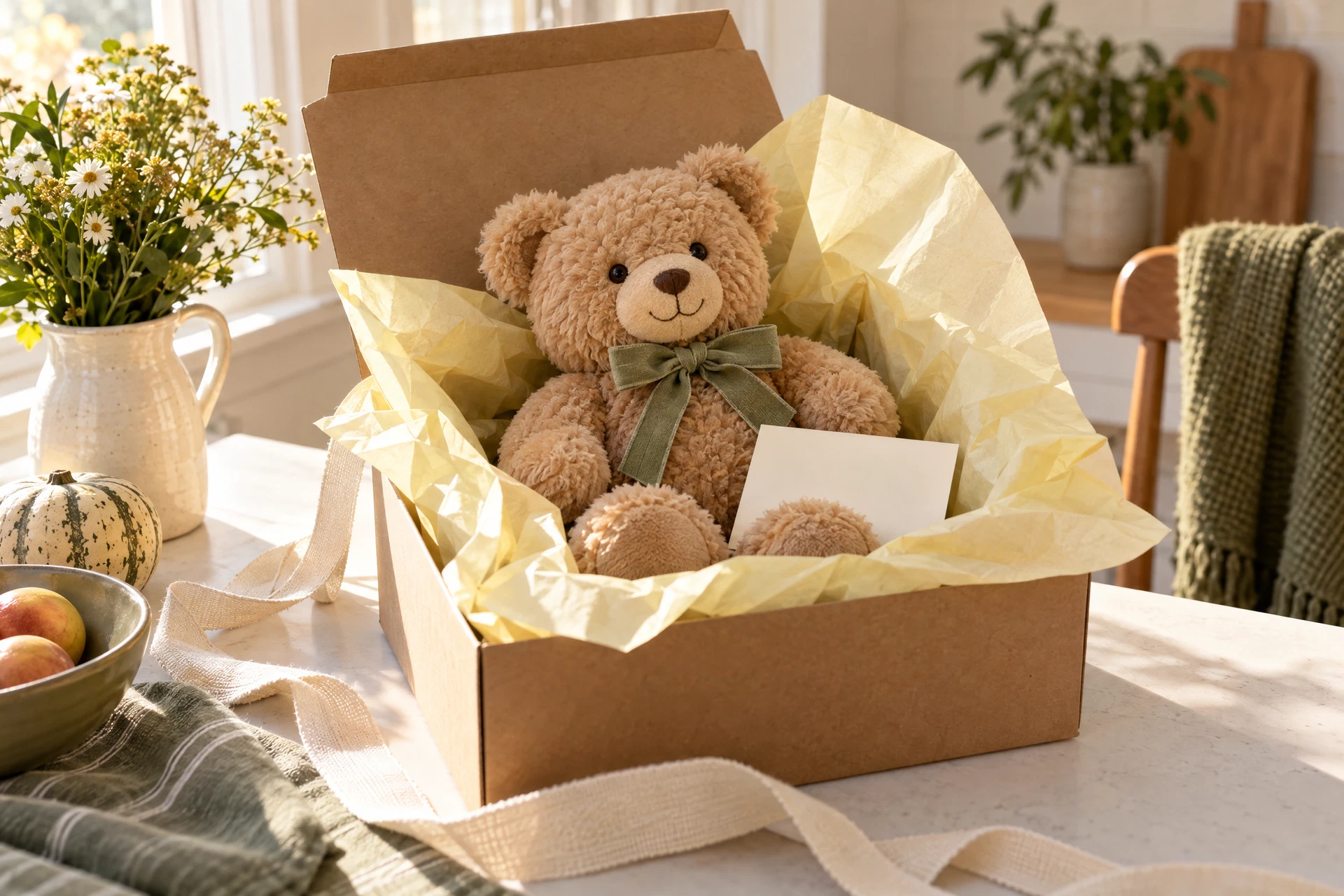
Presentation is part of the experience. Instead of standard wrapping, consider a themed reveal: tuck the plush into a reusable tote, a clear gift dome, or an open-top basket with coordinating tissue paper. For long-distance gifting you can photograph the unboxing sequence and send a short video link with the package; this keeps the moment personal even when you can’t be there.
Small extras improve perceived thoughtfulness. Add a handwritten note on heavy paper, a tiny laminated photo, or a mini-care card referencing "our care guide" pages for fabrics and maintenance. Avoid overstuffing the box; squashing plush unnecessarily can alter shape. If shipping, choose protective but breathable padding—this prevents moisture buildup and preserves the plush’s texture on arrival.
Common mistakes and how to avoid them
A frequent misstep is buying by cuteness alone without confirming size or scale. A plush that looks large in product photos might be palm-sized in reality. Check dimensions and visualize the item in context—would it fit on the recipient’s pillow, on a desk shelf, or in a bag? When in doubt, pick a size slightly larger than you think you need; smaller items can get lost, while larger ones make a stronger visual impact.
Another mistake is neglecting care and material questions. Plush fabrics vary widely: synthetic velvets, faux fur, knits, and canvas-like textiles each require different maintenance. Always refer to the manufacturer label and care guidelines before deciding, and include a care note with the gift. Also avoid impulse personalization right before the birthday—lead times can be longer than expected and rush fees make the gift less satisfying.
Budgeting and timing: practical checklists
Set a three-part budget: item cost, personalization and packaging, and shipping (if relevant). Item cost determines options; personalization and thoughtful packaging often account for most perceived value, so allocate funds accordingly. If custom work is involved, confirm lead time and whether proofs are provided. Add 3–5 business days buffer for unexpected delays.
For local purchases or last-minute plans, prepare a fallback: an unwrapped plush paired with a promise card for a customized version later. This signals intent and allows you to maintain quality without rushing production. If you’re buying wholesale or bulk birthday favors, inquire via the "wholesale inquiries" contact route early to understand minimums and timelines.
Gifting for specific relationships and ages
The relationship to the recipient changes the tenor of the gift. Romantic partners often appreciate personalized messages or inside references; parents may prefer durability and ease of cleaning; friends might enjoy novelty or humor. For teenagers and adults who are image-conscious, choose designs that can double as décor—muted colors, stylized forms, or sophisticated fabrics.
When selecting for kids or teens, focus on character and interactivity: does the plush encourage role-play, or is it primarily decorative? For older recipients who keep sentimental items, a simpler style with a name tag or date embroidered discreetly can feel meaningful without appearing juvenile. Again, check the individual manufacturer's guidance about age-appropriate features and care.
A small actionable example and final checklist
Example: You want a birthday plush for a coworker who loves coffee and keeps a neat desk. Decision: desk companion. Choose a medium-sized plush shaped like a coffee cup, neutral tones to match office décor, and a flat bottom for stability. Add a small embroidered name tag on the back and place it in a clear gift box with a printed card that says, “For your coffee breaks.” Include a care note referencing "care" guidance and choose protective packaging for shipping.
Final checklist before purchase: confirm role and size; verify personalization options and lead time; read care label; select presentation (box/tote/card); budget for production and shipping; and keep a 3–5 day buffer. If you have questions about wholesale options or need help planning larger orders, use the "the contact page" page to reach out for specific guidance.
Explore the details before choosing
Take a closer look at Food Friends, review our plush and clothing care guidance, or ask about specifications and availability before making an order request.