Designing a small apartment plush display means balancing aesthetics, space efficiency, and the preservation of soft toys. Unlike large rooms that allow sprawling arrangements, compact layouts demand deliberate choices about which pieces to show, where to place them, and how to rotate the collection so each plush gets its moment without creating visual chaos.
This guide focuses on actionable tactics—shelf selection, grouping strategies, storage solutions, and a short example setup you can complete in under an hour. It assumes limited wall space and floor area and provides clear decision criteria so you can choose display methods that fit your budget, rental restrictions, and maintenance habits.

Choose the Right Display Surfaces
In a small apartment, surface selection is the first, most consequential decision. Consider multi-depth shelving (narrow ledges that don't protrude far) and floating shelves that free floor space. When assessing options, weigh depth, load capacity, and how accessible each surface will be for dusting and rearranging. A 6–8 inch ledge can support small-to-medium plush without dominating the room.
If wall mounting isn’t allowed, use vertical furniture like bookcases or narrow media towers. Transparent acrylic risers let you stagger pieces on a single shelf, creating layers while maintaining sightlines. For durable everyday displays, choose surfaces that are easy to clean and stable—avoid wobbly stands that encourage falls and damage.
Group by Theme, Scale, or Color
Grouping makes a collection feel curated and intentional. Start by deciding between theme (food, animals, fantasy), scale (miniatures clustered together, larger statement pieces alone), or color (a monochrome section or a complementary palette). Each approach changes the visual story: themes read as a vignette, scale emphasizes a hero piece, and color creates harmony.
A practical checklist: sort your collection into three piles—'show', 'rotate', and 'store'. 'Show' are the pieces that match your chosen grouping and fit the available surface. 'Rotate' are attractive but less essential, ready to swap in regularly. 'Store' are off-display until you have room or decide to refresh the scene.
Maximize Vertical Space
Small apartments benefit from vertical thinking. Install a slim ladder shelf, stackable cube organizers, or tall narrow shelving to free up floor area while giving each plush its own niche. When using stacked storage, place heavier or sturdier plush at the bottom to avoid crushing softer pieces and maintain balance.
Use wall hooks and pegboards for hanging plush by a loop or clip—this keeps them visible without taking shelf space. If hanging textiles or tapestries, attach a few plush to the display as accents; the textile provides a backdrop and anchors the collection visually, keeping it cohesive.
Rotation Plan and Seasonal Editing
A rotation plan prevents overcrowding and keeps your display fresh. Decide on a frequency (monthly, quarterly) and pick a rotation size—swapping three to five items at a time avoids dramatic upheaval while keeping interest. Keep a simple log (notebook or phone note) of which items have been shown recently to avoid repeats.
Seasonal editing is useful in a small apartment: store pieces that match a different season in clear bins, and bring them out when appropriate. Label bins with contents and a brief note about condition so you can rotate without unpacking everything. This method reduces visual fatigue and protects delicate pieces from constant exposure.
Balance Display and Storage: Dual-Purpose Solutions
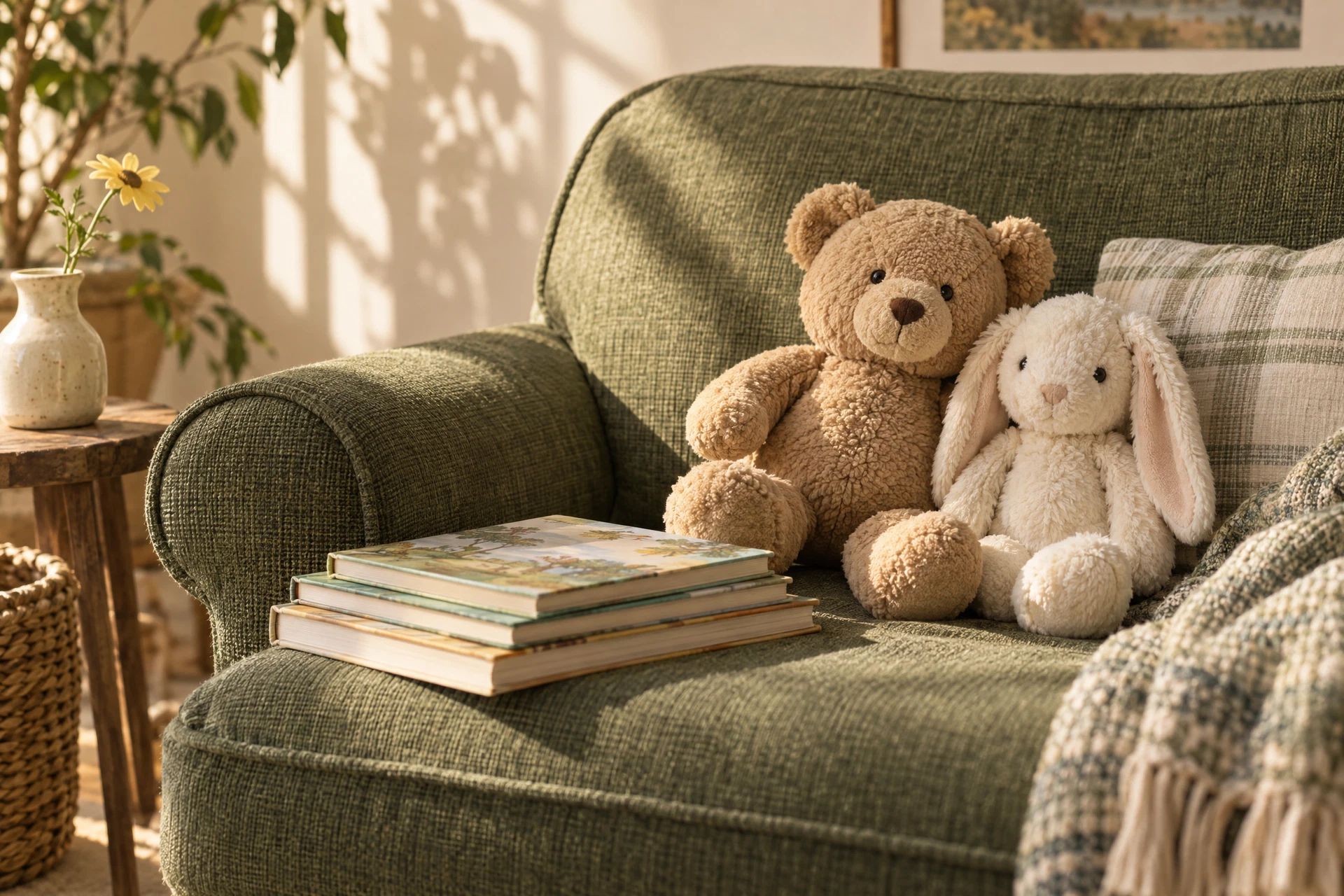
Choose furniture that conceals storage to keep a tidy look. An ottoman with storage, a bench with a lift-top, or a sofa with shallow cubbies under the cushions can hide off-rotation plush while providing seating. The key decision criteria are accessibility (how easily you can retrieve items) and protection (whether the storage preserves shape and cleanliness).
Clear storage bins stack neatly in closets and allow you to see what's inside without opening every box. For softer, delicate plush consider breathable fabric bins that reduce compression. Avoid tight vacuum bags for long-term storage—these can deform stuffing and should be used only for short-term moves.
Protecting Plush: Surface and Care Considerations
Protect surfaces and plush from scuffs, dust, and sunlight. Place a clean cloth or felt pads under heavy plastic or ceramic stands, and avoid direct sun exposure that can fade fabric and colors. If a plush has removable accessories, store those separately to prevent loss or staining.
Care habits make longevity manageable in small spaces. Keep a lint roller, small soft brush, and a handheld vacuum with a brush attachment accessible for regular light cleaning. For precise care instructions, always check the manufacturer’s label or consult the product’s care guidance at our care guide before attempting any washing or spot treatment.
Safety, Accessibility, and Everyday Use
Assess safety and accessibility when placing displays. Keep high shelves out of reach if you have pets or small children who might pull items down. If you want frequent access for photo-taking or play, prioritize low, stable surfaces. Make sure nothing blocks walkways; even a single misplaced plush can become a trip hazard in small apartments.
A practical accessibility checklist: confirm shelf edges are secure, use museum putty on bases of fragile plush, and ensure items aren’t stacked precariously. If you sell or inquire about bulk buying or business relationships linked to a collection, use the wholesale inquiries page for appropriate inquiries and to learn what information you’ll need to share.
A One-Hour Mini-Display Example
Here’s an actionable example you can complete in roughly an hour with minimal purchases. Step 1: Choose a single wall or narrow ledge near eye level. Step 2: Select five to seven plush—an anchor piece, two medium companions, and two to three small accent items. Step 3: Arrange the anchor slightly off-center with the companions forming a loose triangle around it; use small acrylic risers to stagger heights.
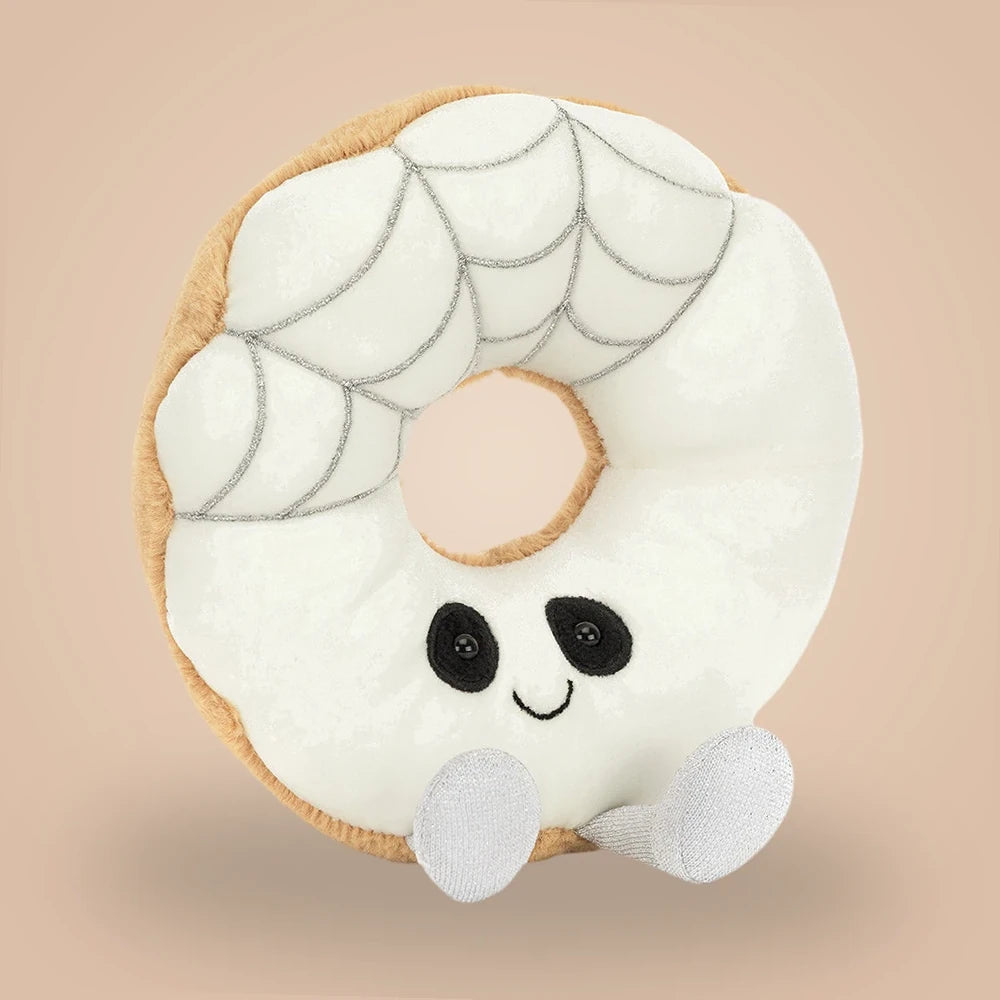
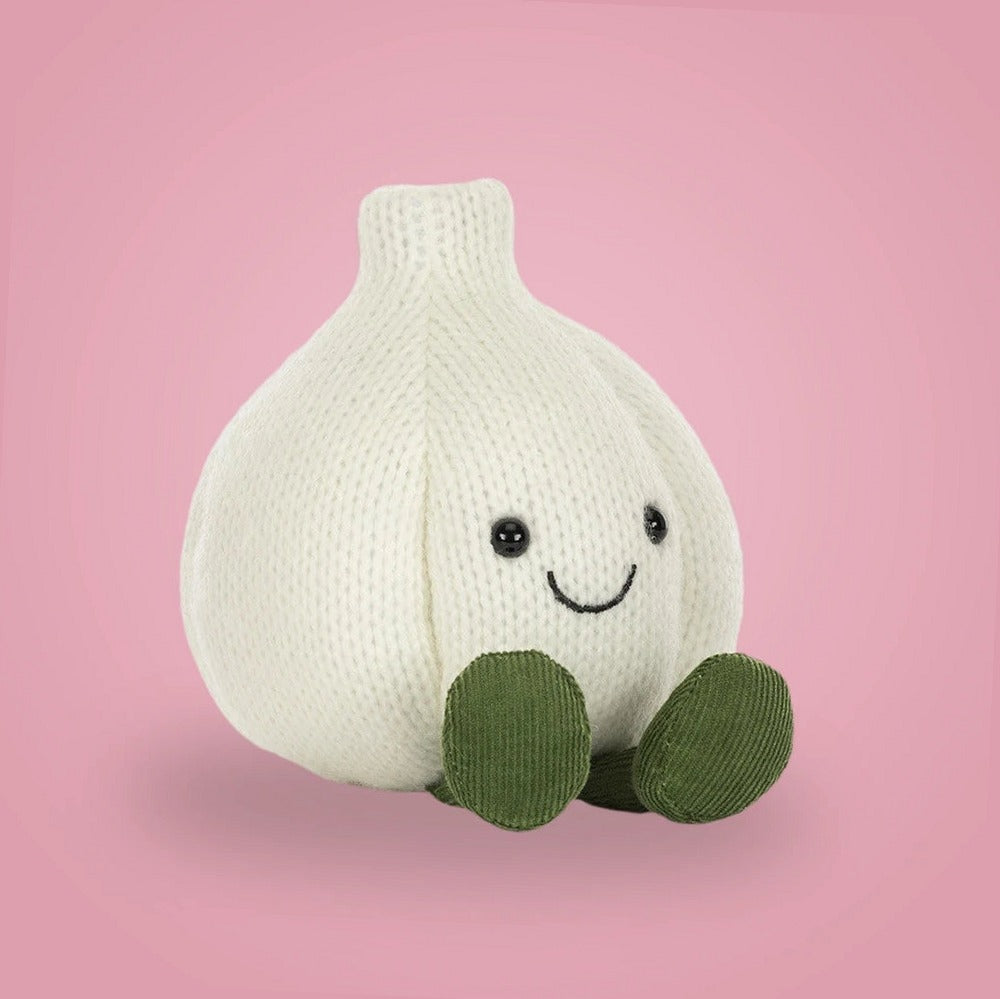
Step 4: Add two small props—a framed postcard and a small plant—to ground the scene. Step 5: Pick one out-of-view storage box for rotation pieces and label it. If you want a compact, themed addition, browse the the Food Friends collection to find pieces that complement a kitchen nook or breakfast shelf. For questions about purchases or display assistance, reach out via the the contact page page.
Common Mistakes to Avoid
A frequent error is overcrowding: squeezing too many items into a small area makes the display look chaotic rather than curated. A smaller selection with intentional spacing reads more expensive and is easier to maintain. Also avoid mixing too many visual languages—if your space is minimalist, a maximalist-chaos display will fight with the room rather than enhance it.
Another mistake is neglecting maintenance. Dust accumulation or sun damage can age plush quickly. Don’t store delicate items in damp basements or under heavy weight. Finally, ignoring the practicalities of apartment living—like landlord rules for wall fixtures—can create unnecessary problems. If in doubt about wall mounting options in a rental, choose freestanding or non-damaging hanging systems.
Explore the details before choosing
Take a closer look at Food Friends, review our plush and clothing care guidance, or ask about specifications and availability before making an order request.