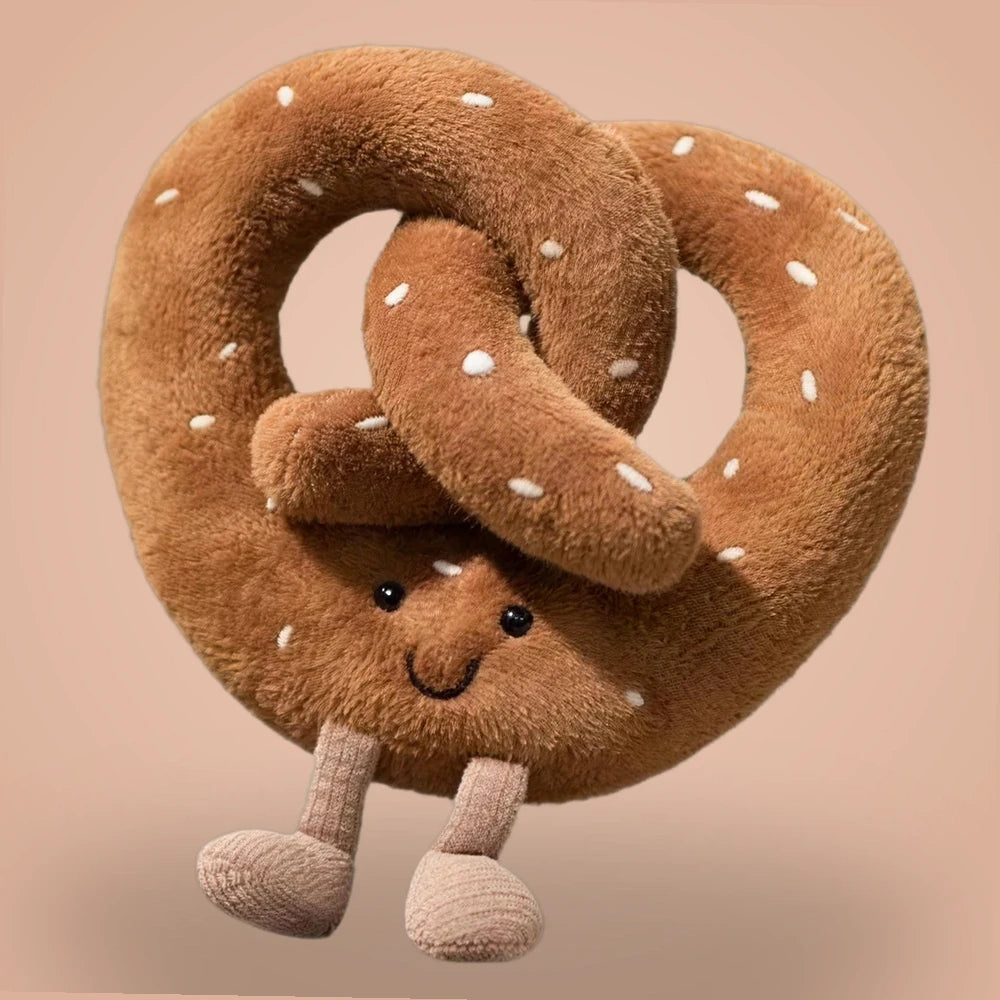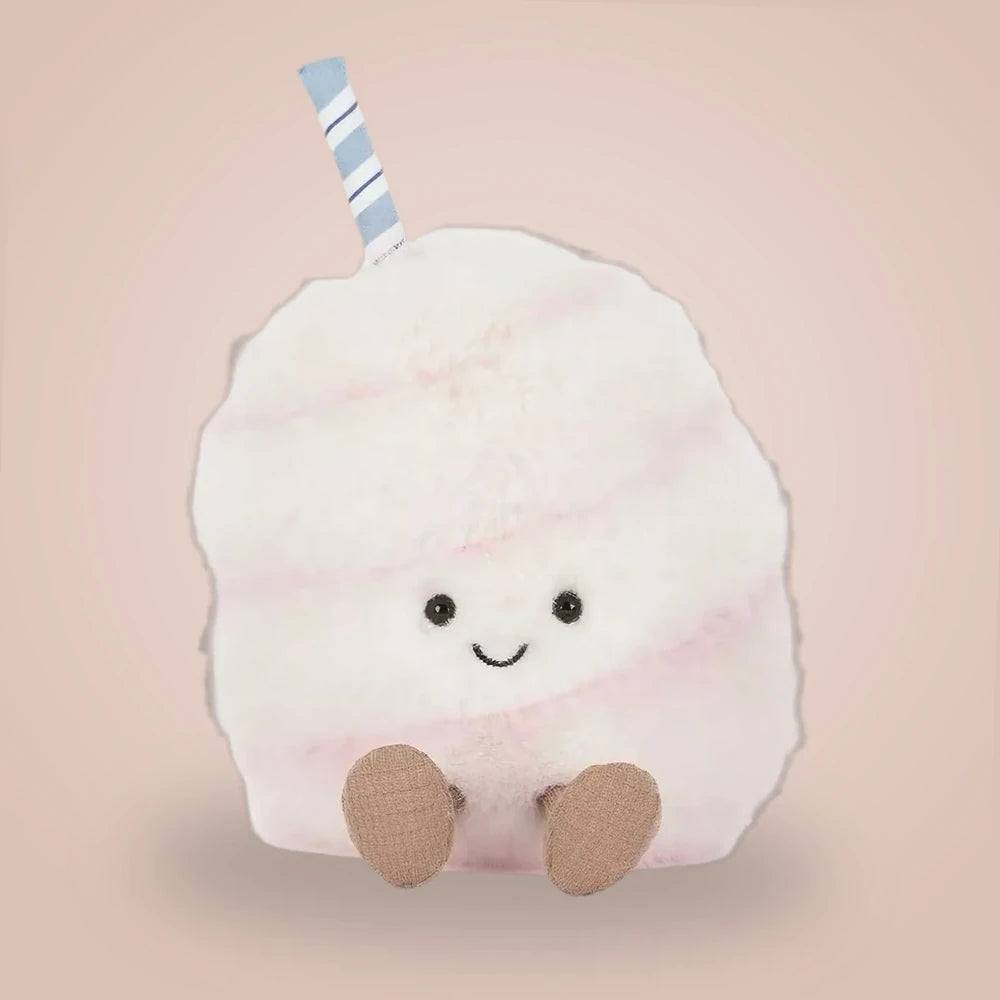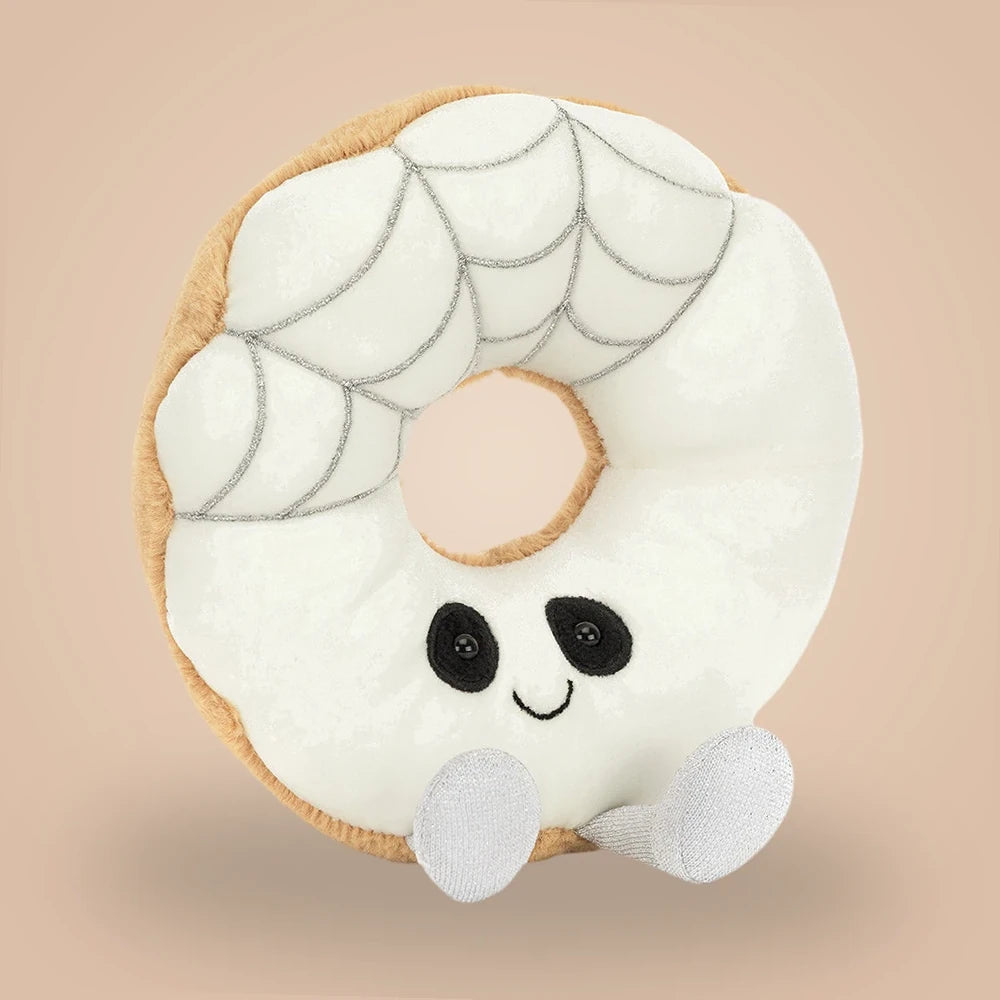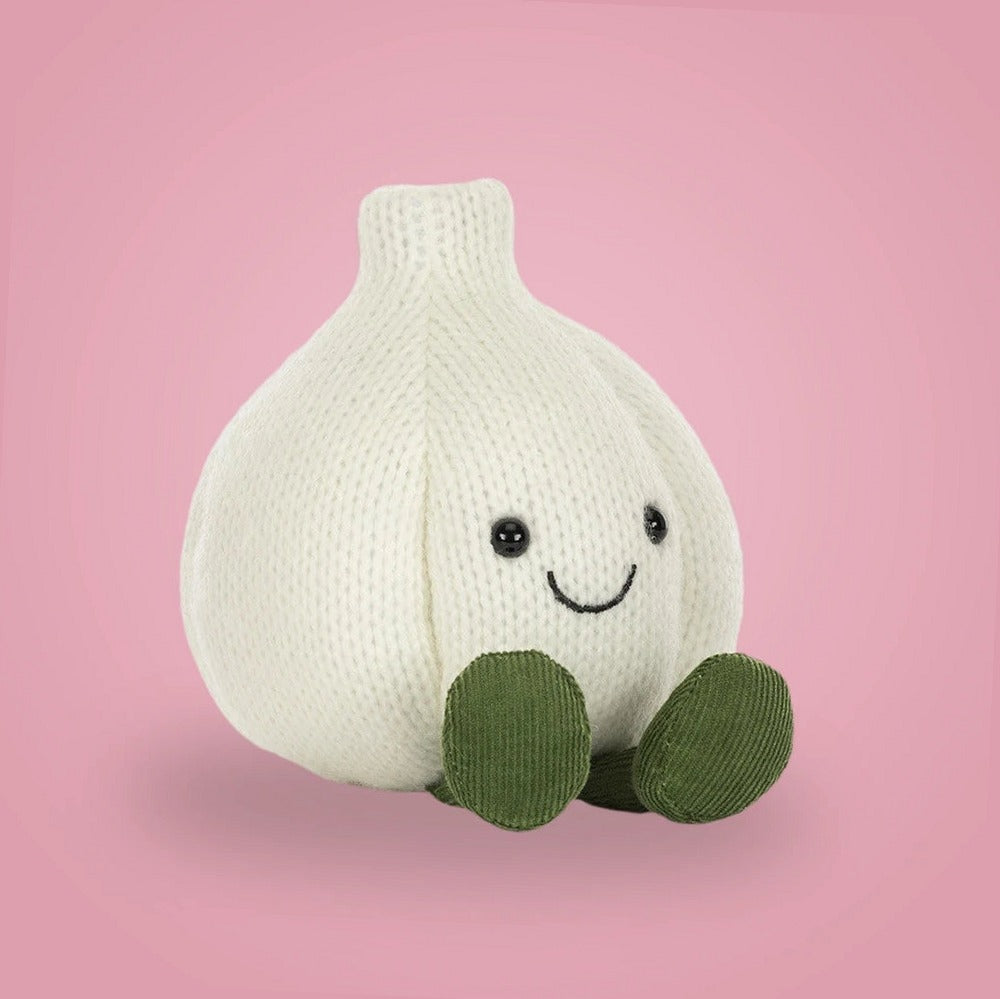
Food themed plush toys are a compact, whimsical category of soft goods that blend familiar edible shapes with tactile comfort. Whether a buyer is shopping for a kid’s party favor, a quirky office desk companion, or a shelf-ready collectible, these items answer different needs: they can be soft playthings, decorative accents, or sensory comforts. Choosing well requires reading labels, matching design to use, and thinking beyond the visual joke to durability and washability.
This guide keeps the focus narrow: how to select, gift, store, and care for food themed plush toys so you end up with something that fits its intended life. Below are practical sections with checklists, decision criteria, and common mistakes to avoid. For more product browsing, see the food friends collection at the Food Friends collection and if you need buying details contact the shop at the contact page.
Why pick a food themed plush toy?
The charm of a food themed plush toy is immediate: familiar foods—sushi, donuts, fruit—translate into recognizable silhouettes that trigger smiles. Decide first what role the plush will play. Is it meant as a toss-around toy for active play, a comfort object for relaxed cuddling, or a display piece for a shelf or desk? Active play calls for reinforced seams and plump stuffing. Display pieces can prioritize accurate shapes and printed details over rugged construction.
Practical decision criteria: match the toy’s construction to the intended use, look for secure attachments (eyes, tags) if small hands are involved, and check the label for age guidance and care instructions. A common mistake is choosing the most photogenic option without checking whether it’s suited to repeated washing or rougher play.
Materials, stuffing, and construction to check
Textile choices matter. Short-pile plush holds up better to daily handling and looks less matted, while long-pile or novelty fabrics create distinct tactile effects but can trap grit. Stitching and seam placement are functional indicators of quality—double-stitched seams and sewn-in accent pieces last longer than glued-on parts. Evaluate closures; if a toy has a zipper or pocket, make sure it’s well-concealed and sturdy.
Stuffing affects weight, feel, and resilience. Dense polyester fill keeps shape for decorative items; looser fiberfill gives a squishier, cuddle-friendly result. For sensory-focused food plush (squishy pies or squeezable fruit), try to find products that list fill type and density. When in doubt, prefer simpler forms without tiny removable accessories that could be lost or become hazards.
Safety and age-appropriate checks
Assess choking and tear hazards: embroidered eyes and stitched-on details are safer than glued or plastic attachments for young children. Labels and manufacturer guidance are the final word on suitability—always check the individual manufacturer’s label and care instructions. Don’t assume every plush marketed as whimsical is suitable for all ages.
Consider small parts beyond visual attachments; internal weights, noise-makers, or detachable keyrings change the risk profile. If gifting for a child whose guardians are concerned about safety, provide clear information on what the plush contains and suggest supervision for younger recipients. A practical checklist: embroidered features, no removable small parts, strong seams, and explicit age guidance on the tag.
Care basics and common maintenance mistakes
Cleaning practices vary, so follow the toy’s care label exactly. A frequent mistake is assuming all plush can tolerate machine washing; some decorative trims, appliqués, or printed inks need surface cleaning only. For items labeled “surface clean,” spot-clean with a mild detergent and blot rather than rub to avoid color loss.
If the label permits laundering, protect the piece by placing it in a mesh laundry bag and using a gentle cycle and mild detergent. Drying matters: air drying maintains shape better than machine tumbling for many novelty shapes. For more general care guidance refer to the care page at our care guide but always prioritize the product’s own instructions.
Gifting ideas and presentation tips
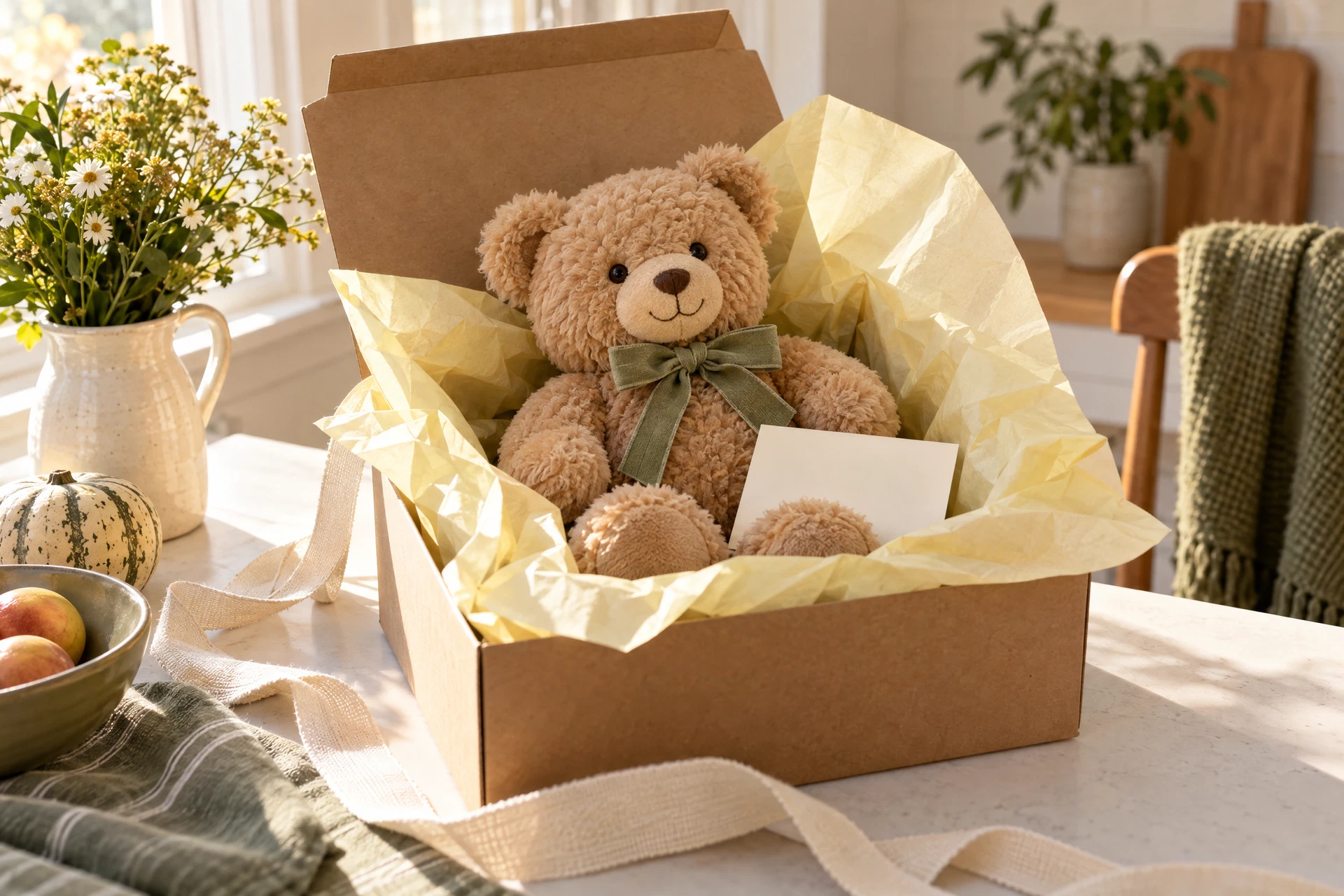
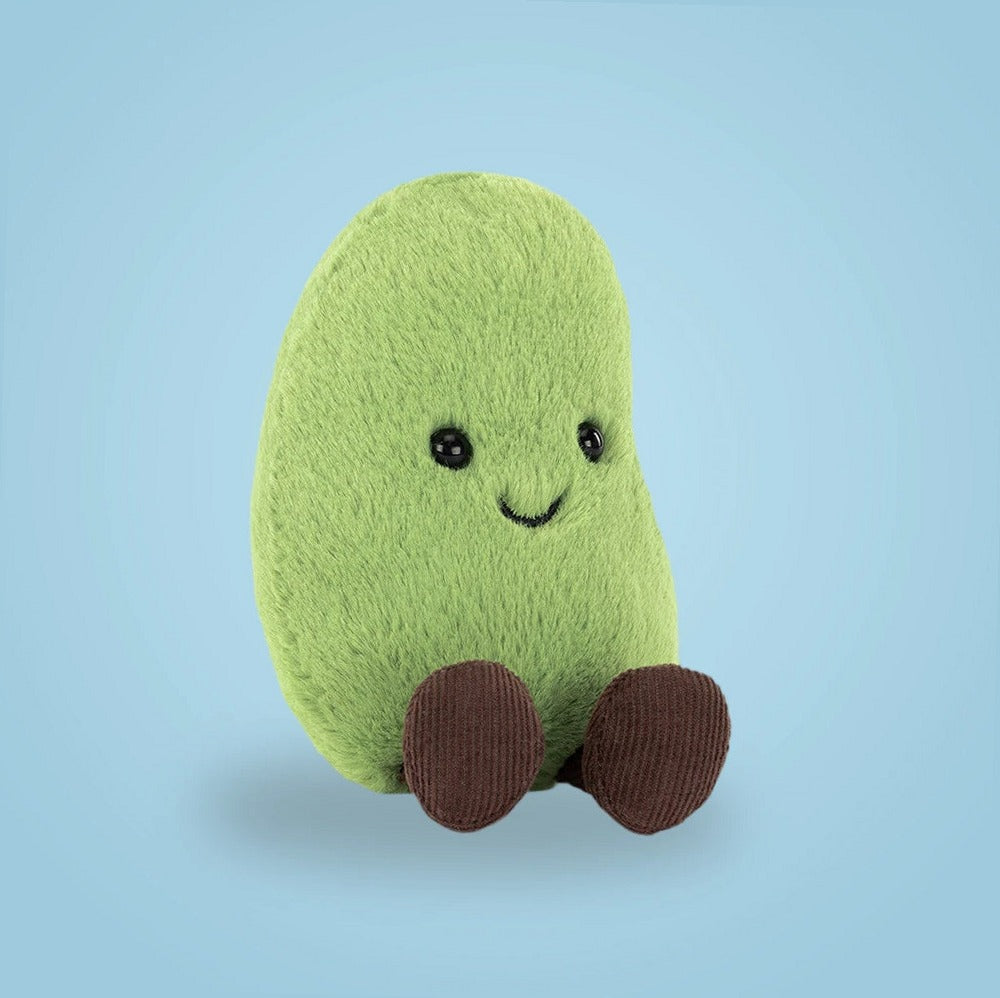
Food themed plush toys work well in curated bundles. Pair a plush avocado with a small board book about healthy snacks, or present a sushi plush alongside a snack-themed notepad for a fun office gift. When wrapping, pick materials that accent the motif: kraft paper with stamped fruit silhouettes or a clear cello bag with a ribbon that echoes the plush’s color palette.
Make the gift experiential: include a little card explaining why you picked that exact food — perhaps an inside joke or a shared favorite treat. For corporate or bulk gifts, consider consistent branding, but check any wholesale arrangements before making commitments; inquiries can begin at wholesale inquiries. A small example: wrap a plush donut with a single candle for a birthday token that doubles as a keepsake.
Display, storage, and preserving shape
If the plush is meant to be displayed, plan for dust and light exposure. Place it away from direct sunlight to avoid fading, and rotate display items periodically so stuffing compresses evenly. For shelf displays, small clear stands or a tidy stack can reduce pressure on seams that would otherwise be caused by leaning or slumping.
For longer-term storage, avoid airtight containers if the item is still slightly damp—this can lock in odors or lead to mildew. Use breathable boxes or cloth bags and include a silica packet if humidity is a concern. Re-stuffing or gentle reshaping after storage can restore a plush’s original silhouette; keep a needle and matching thread handy for small seam repairs rather than delaying fixes.
Buying for collectors versus casual buyers
Collectors often prioritize limited runs, artist collaborations, or accurate reproductions of favorite foods; casual buyers are usually focused on price, humor, and durability. If you’re buying for a collector, ask about tags and provenance—these details matter to resale and display value. For everyday shoppers, prioritize construction and wash instructions over collectible packaging.
A tangible decision rule: if you plan to display without frequent handling, pick the visually closest match to the food. If you expect play or cuddling, choose sturdier fabrics and simpler forms. When purchasing multiple units for events or party favors, ordering early helps avoid delays and gives you time to inspect items on arrival for quality and consistency. For bulk or trade inquiries, start with the wholesale contact page at wholesale inquiries.
Avoiding pitfalls: common mistakes and fixes
A common pitfall is prioritizing novelty over function—an exquisitely shaped plush that can’t be cleaned or repaired won’t survive everyday use. Fixes include reinforcing seams with a quick hand stitch upon receipt and tucking small loose trims into a secure stitch. If a plush arrives with an odd odor, airing it out in a dry, ventilated area for a day often reduces scent before any washing.
Another mistake is mismatching scale: a giant plush used as a travel companion is impractical, while a 3-inch miniature can be easily misplaced. Think about scale in the context of the recipient’s lifestyle. An actionable example: if giving a plush as a desk accessory, choose one roughly the size of a coffee mug so it fits neatly without overwhelming work surfaces.
Explore the details before choosing
Take a closer look at Food Friends, review our plush and clothing care guidance, or ask about specifications and availability before making an order request.