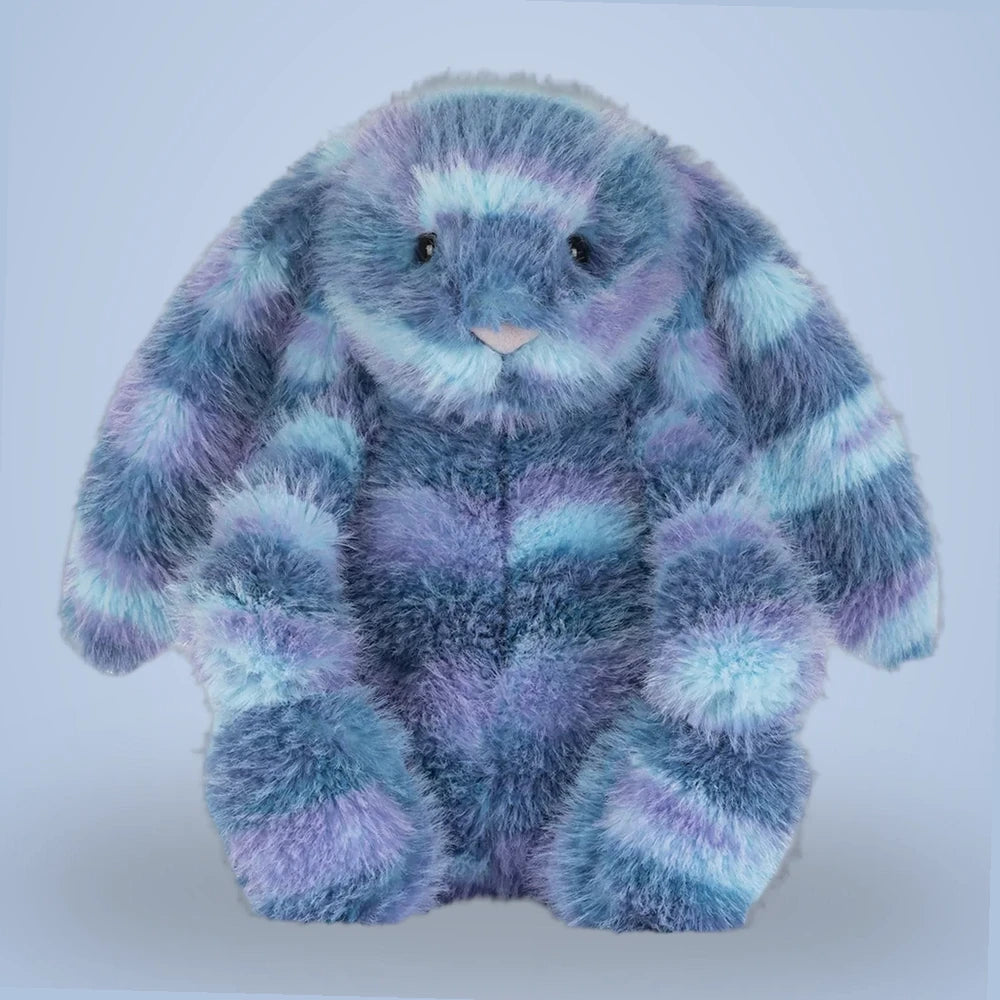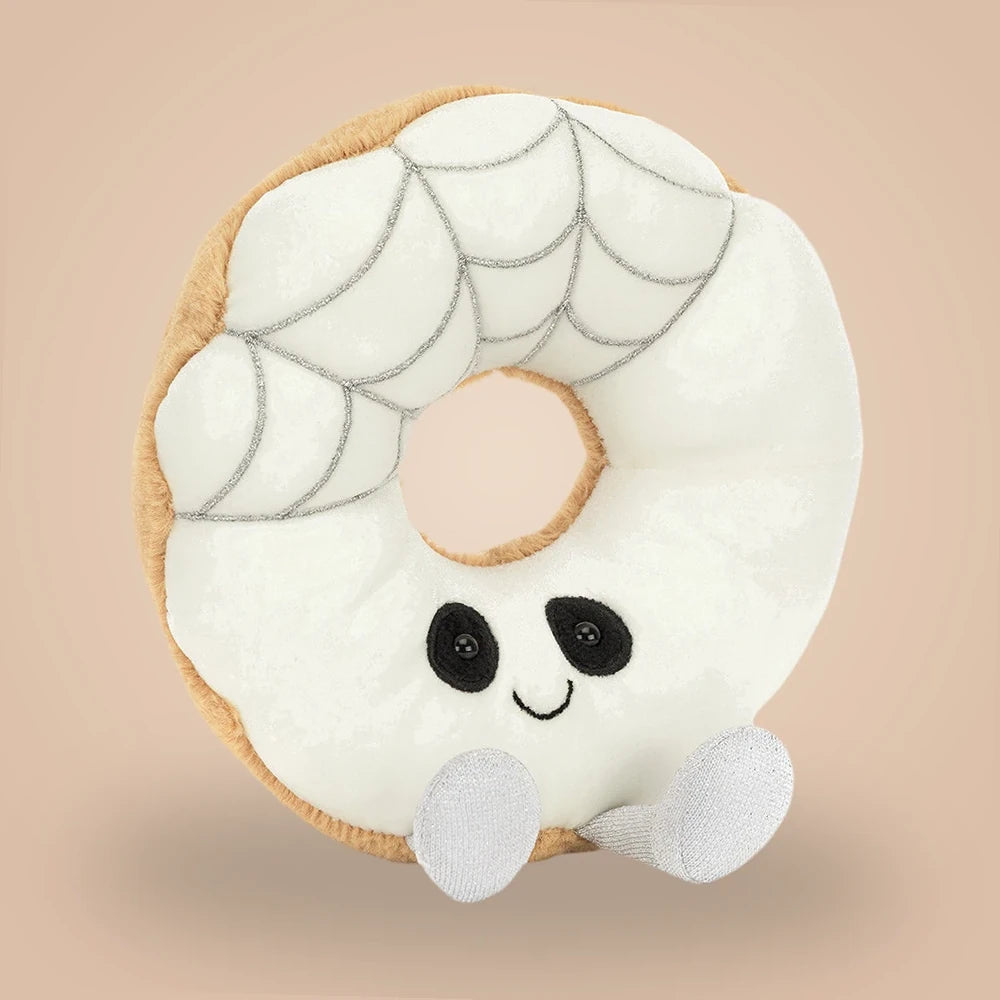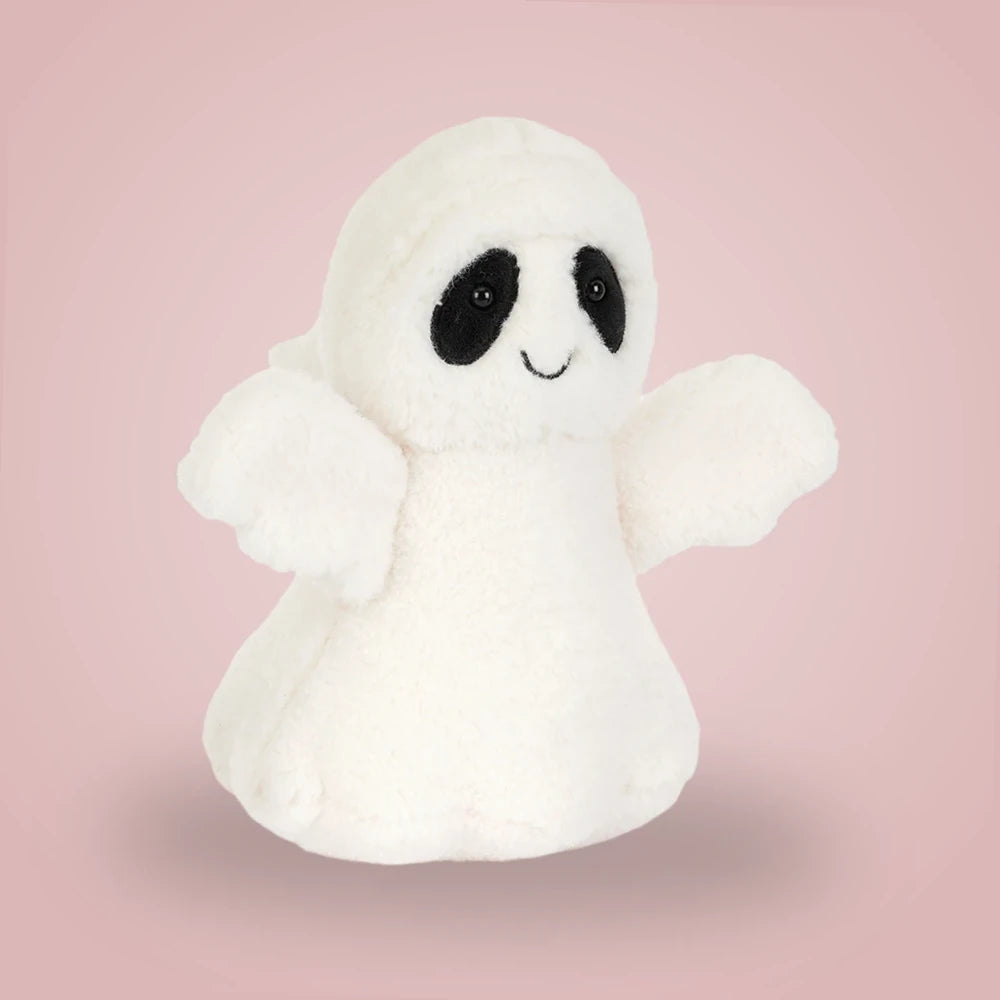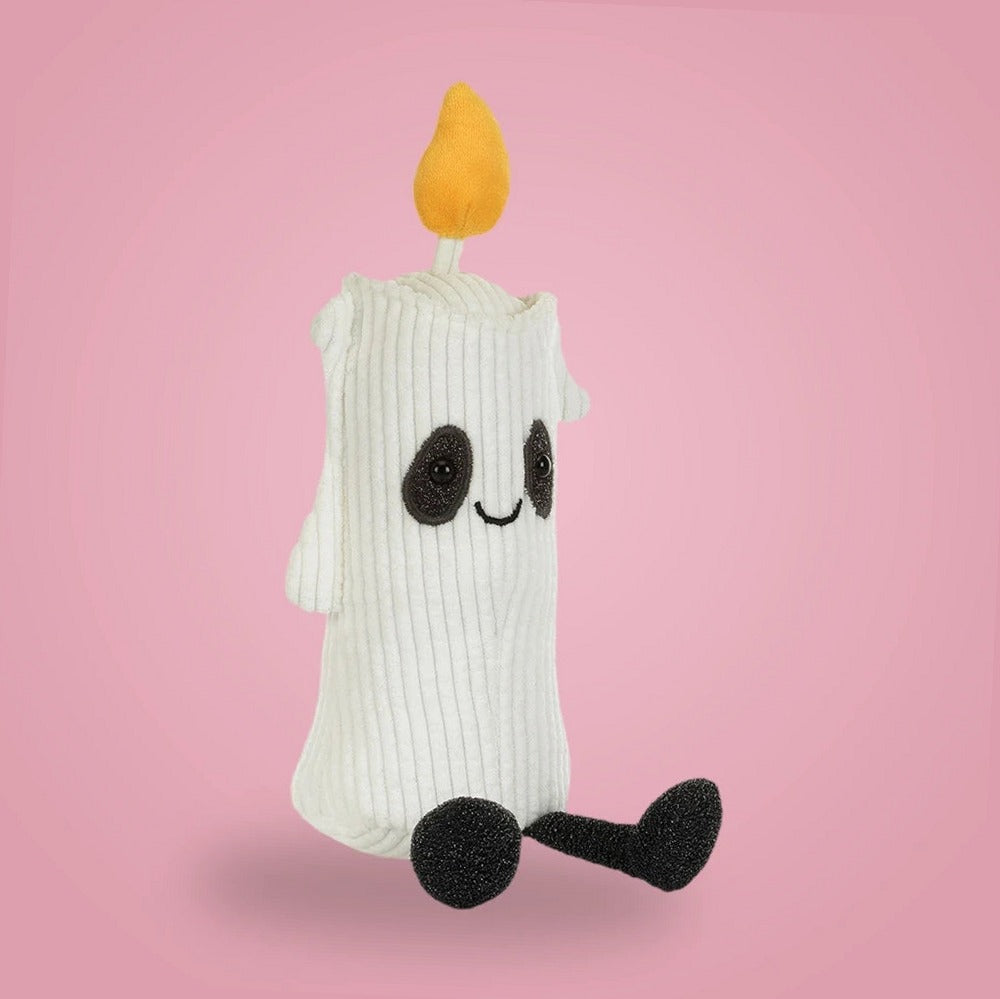
Halloween can be as charming as it is playful. If you want a shelf display that nods to the season without leaning on gore or fright, a curated selection of halloween plush toys lets you introduce color, texture, and whimsy in small doses. In this guide I focus narrowly on decisions you’ll actually make: what styles pair well, how many pieces to include, where to place them on a shelf, and how to keep the display tidy between seasons.
Think of this as a practical reference, not a themed catalog. I’ll suggest concrete combinations, note common mistakes customers make when choosing plush for visible displays, and give a tiny step-by-step example you can set up in 15 minutes. If you’re shopping, also check product care and age guidance on the individual manufacturer's label and if you need supplier details visit the wholesale page or contact that supplies further product info.
Picking a tone: whimsical, vintage, or modern
Your first decision is the emotional tone of the shelf. Whimsical pieces lean bright—friendly pumpkins, smiling ghosts, and animal costumes. Vintage-style plush tends toward muted colors, felt accents, and simpler faces that pair well with wood and brass decor. Modern toys use bold graphics, geometric shapes, or mixed fabrics. Each direction narrows the palette and informs accompanying props.
Concrete checklist: choose a dominant tone, pick two accent textures (for example: knit + faux fur for whimsical; linen + felt for vintage; velvet + metallic thread for modern), and limit colors to three to avoid visual clutter. A common mistake is mixing too many tones; a single strong direction makes a modest number of halloween plush toys look curated rather than chaotic.
Size and scale: avoid tiny armies or one oversized piece
Scale affects readability from a distance. Small plush are charming but require groupings so they don’t seem lost among books or trinkets. Conversely, one oversized plush can dominate and make the shelf feel unbalanced. Aim for a triangular composition: one medium focal plush, one or two large anchors, and two or three small companions.
Practical example: on a 36-inch shelf, use one 12–14 inch plush as the anchor, a pair of 8–10 inch plush flanking it at different heights, and two 4–6 inch plush as punctuation. When arranging, step back and view from typical sightlines (seated or standing) to ensure the display reads well. If you’re combining with props like mini pumpkins or string lights, measure clearance so nothing is squashed or obscured.
Color palettes that read festive, not theatrical
Classic Halloween colors can feel heavy if applied all at once. Instead, choose one saturated accent (orange, deep purple, or teal) and balance it with neutrals—cream, gray, or muted olive. Pastels work surprisingly well for a gentler look: blush pumpkins and mint ghosts read seasonal but soft.
A useful rule: pick a dominant neutral, one primary accent, and one metallic or pattern for small elements. This keeps halloween plush toys cohesive across a shelf. Avoid pairing multiple high-contrast hues at equal weight; they compete for attention and reduce the impression of a deliberate collection.
Texture and materials: create tactile interest
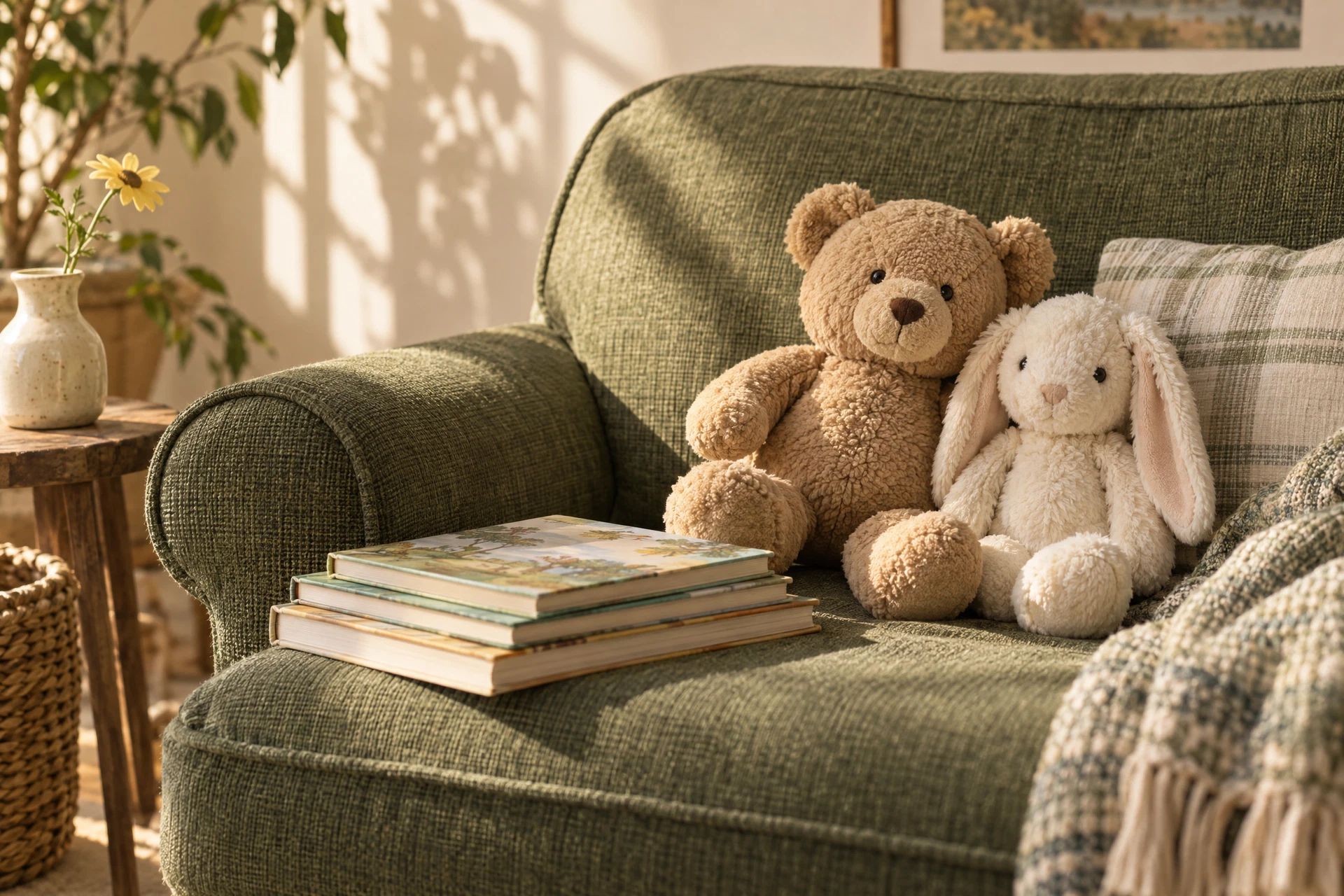
Texture makes a shelf inviting. Mix plush fabrics (minky, corduroy, felt) with harder textures like ceramic vases, wooden blocks, and woven baskets. The contrast helps the soft shapes of halloween plush toys pop without needing busy patterns. Don’t forget negative space: empty shelf sections let texture choices breathe.
When selecting plush, think about where they will touch other objects. If a plush has delicate embroidery or glued-on elements, position it away from high-traffic edges to avoid wear. If you want a more tactile display for visitors to touch, include sturdier stuffed options with reinforced seams and simple surfaces that tolerate handling; check the manufacturer label for care and handling guidance.
Themes and pairing ideas
Narrow themes give direction to what you buy and how you group items. Consider: a 'friendly monsters' trio with coordinated colors, a 'harvest' shelf of pumpkins, cornhusk textures, and henna-toned plush, or a 'midnight garden' featuring bat, owl, and moon plush with deep blues and brass accents. Each theme suggests a small list of props to add—string lights for midnight garden, dried wheat for harvest, or a felt pennant for friendly monsters.
Concrete pairing example: for a 'harvest' shelf, assemble two orange pumpkin plush (one knit, one velvet), a cream hay-textured pillow, a small ceramic gourd, and a woven tray to contain smaller pieces. Group by clusters of odd numbers and vary height with books or risers so the eye moves naturally across the arrangement.
Practical care notes and everyday maintenance
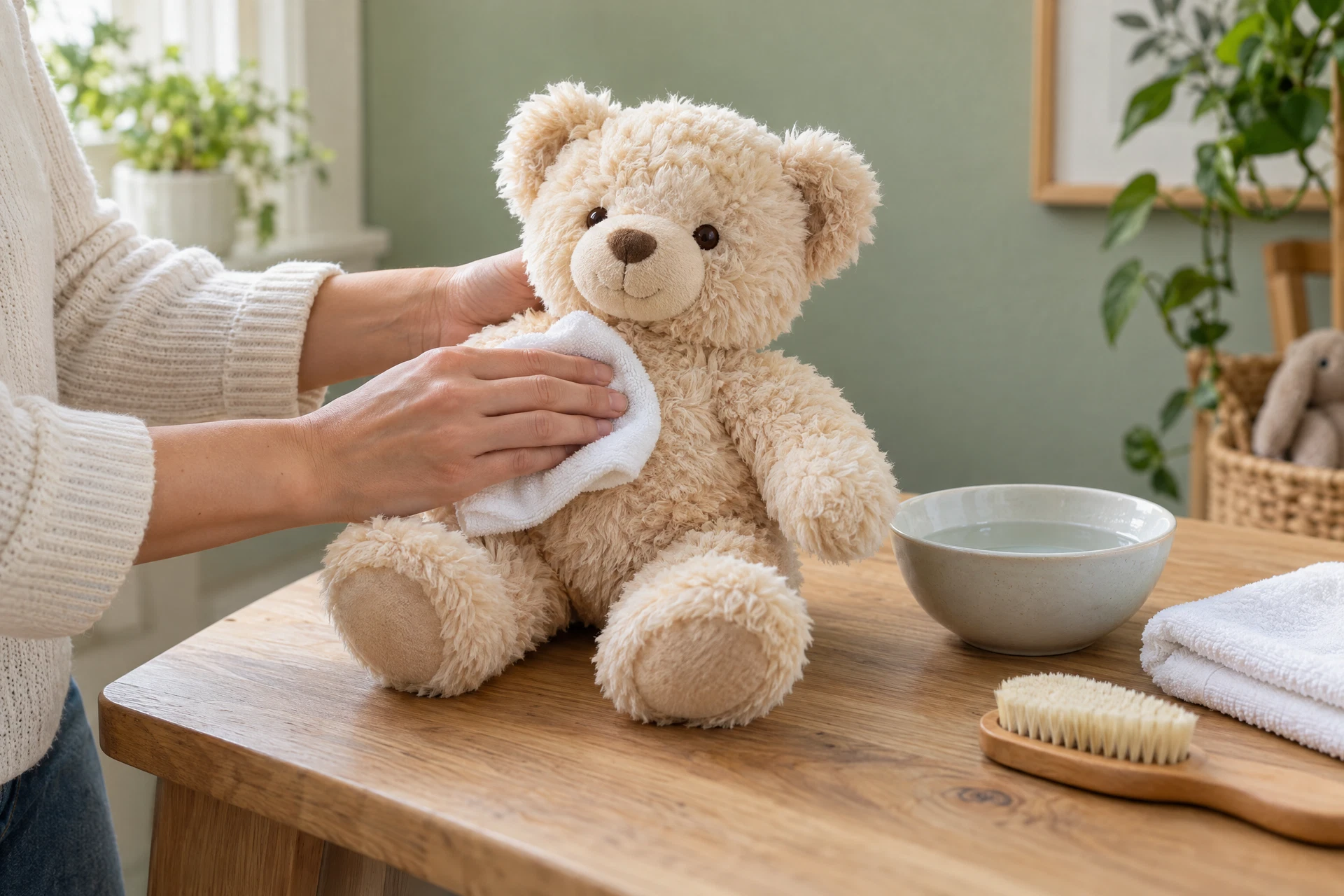
Keep dust and odors minimal with simple routines: a weekly light dusting with a soft brush or vacuum on low using a brush attachment. Spot-clean spills immediately following the garment label instructions; never assume machine washing is safe for every plush. Check the individual manufacturer's label for exact care guidance, and for broader information visit the care page.
Rotate or store items you reserve for later seasons in breathable containers away from direct sunlight. A common mistake is leaving plush in sealed plastic where moisture can condense; use cotton bags or boxes with vents for long-term storage. For light surface refreshes between deep cleanings, airing items in a shaded, well-ventilated area helps reduce stale smells without risking fabric damage.
Where to buy and sourcing strategies
Decide whether you prefer single, curated pieces or building a collection through multiple small buys. Specialty sellers and seasonal collections often offer coordinated lines that simplify matching, while independent makers can provide unique textures or custom colorways. If you need bulk options for a business display, examine supplier terms carefully and visit the wholesale page for contact pathways to discuss quantities and sample ordering.
When buying online, request close-up photos and measure proportions against common household items. Ask sellers about attachment safety of small parts if the shelf is accessible to children. A simple purchasing checklist: confirm scale, inspect images for texture and color accuracy, read care labels, and ask about return options so you can swap pieces that don’t read right in person.
A 15-minute setup example you can copy
Small, actionable plan: pick three halloween plush toys—one medium pumpkin, one small ghost, one small black cat. Gather two books, one wooden riser, and a battery tea light. Place the medium pumpkin at the center-back elevated on the riser; lean one book vertically at the left to add height and set the ghost slightly forward on the book; place the cat at the right front. Tuck the tea light near the cat for subtle glow.
Final touches: add a sprig of dried wheat behind the pumpkin to add texture and step back to assess symmetry. If one side feels heavy, move a book or swap a plush. This exercise demonstrates scale, balance, and layering with only a few objects and shows how a small investment in halloween plush toys transforms a shelf quickly.
Avoiding common display mistakes
The most frequent missteps are overcrowding, mismatched scale, and too many competing colors. Overcrowding reduces visual clarity; if you can’t step back and see each piece, remove one or choose a smaller scale. Mismatched scale happens when all items are the same size—vary heights and depths to create rhythm.
Don’t forget sightlines: shelves at eye level need a stronger focal piece than those above or below. Lastly, test lighting—harsh overhead bulbs can flatten textures, while warm LEDs bring out color and shape. If you need further assistance selecting pieces or layout ideas, use the seasonal collection page for curated options or contact customer support for tailored suggestions.
Explore the details before choosing
Take a closer look at Seasonal Characters, review our plush and clothing care guidance, or ask about specifications and availability before making an order request.