Reworking your plush merchandising for each season doesn’t mean you need to buy every new item. Thoughtful editing, a few multipurpose props, and a repeatable setup template are the tools that let you suggest novelty without overcommitting budget or storage space. This article focuses on practical, repeatable seasonal plush display ideas that fit small shops, market stalls, and pop-ups.
Start from your existing stock: identify core best sellers, underused variants, and any plush that pairs well with non-plush props like baskets, boxes, or seasonal foliage. Use rotation to keep the assortment interesting and employ visual techniques—grouping by color, size escalation, and thematic clusters—to create the sense of a new collection without buying everything anew.
Decide the scope: full refresh vs. touch-up
Begin by deciding whether the display will be a full refresh or a light touch-up. A full refresh replaces most visible elements and may be appropriate for major holidays and store windows. A touch-up swaps a few key pieces, changes props, and modifies signage. Use inventory reports and recent sales to guide this: if certain seasonal lines historically underperform, reserve fresh stock for core items and refresh presentations instead.
Practical checklist: (1) Inventory top 10 sellers, (2) Note seasonal-themed or neutral plush that can move between displays, (3) Flag items that are fragile, dirty, or need repair. A simple rule is to replace no more than 30–40% of displayed units during a touch-up to maintain familiarity while introducing novelty.
Create repeatable templates for fast swaps
Design two or three display templates that can be reused with minimal effort. For instance: 'Tiered Pyramid' for shelf clusters, 'Scene Tableau' for window storytelling, and 'Feature Pedestal' for highlighting a new plush. Record dimensions, prop lists, and a photo of each completed template so staff can replicate the setup quickly.
Templates save both time and money because they reduce the need for new materials. When the season changes, swap only the color-coordinated accents and a handful of themed plush while keeping the underlying structure. This keeps displays cohesive and reduces the temptation to buy entire seasonal ranges.
Use props strategically to signal seasonality
Choose a small set of multipurpose props that clearly read as seasonal but won’t look dated the moment the season ends. Think woven baskets, wooden crates, neutral fabric backdrops, and branch accents that can be tinted with ribbons or removable decorations. Props are far less expensive than full stock changes and can instantly shift the mood.
Example: For an autumn switch, add a few sprigs of faux wheat, a plaid throw over a crate, and warm-toned tissue behind a plush grouping. For winter, swap to a faux fur runner, a strand of battery lights, and cool-toned signage. The plush themselves remain the same; props do the heavy lifting in communicating season.
Group by color and story, not catalog category
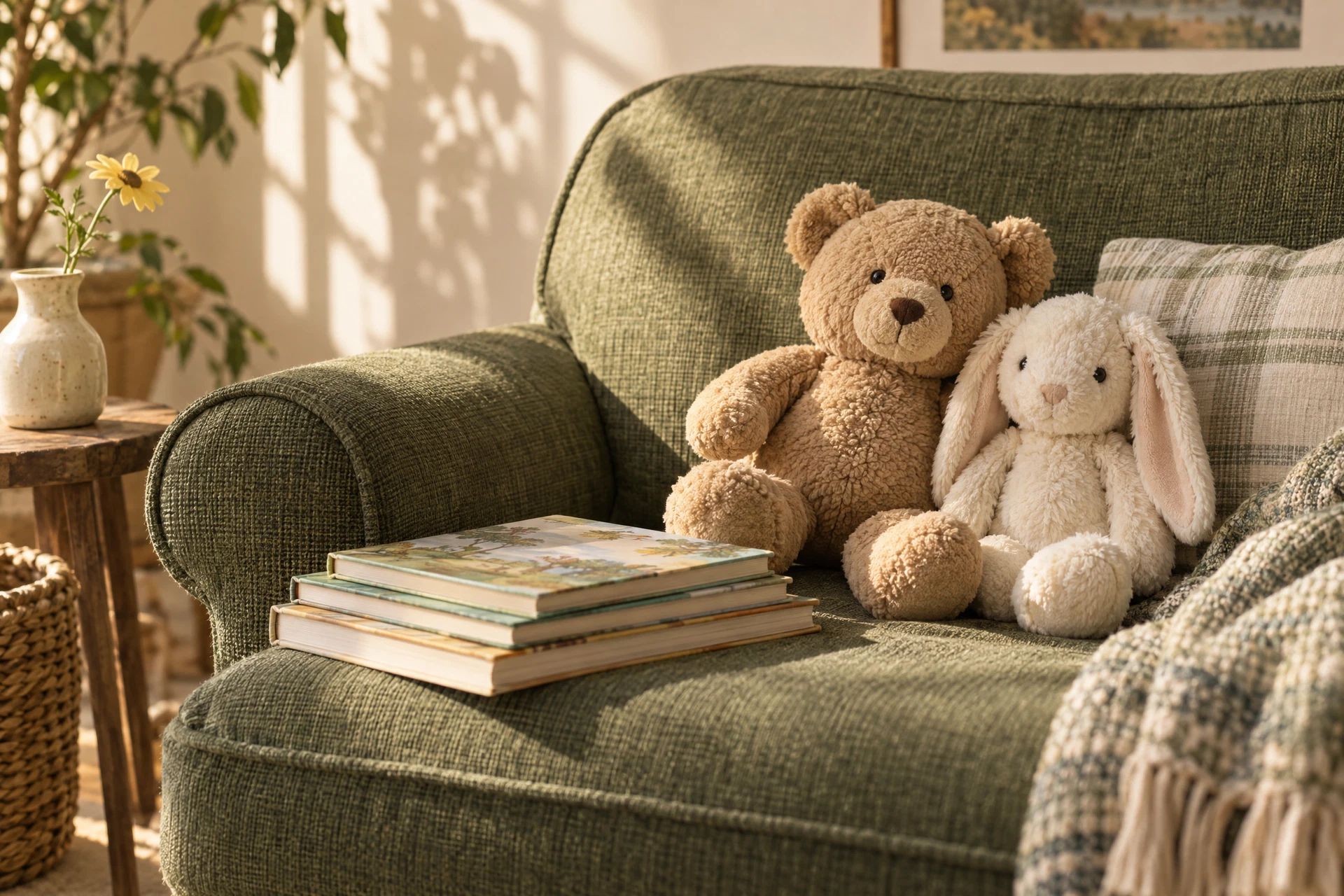
Instead of arranging plush by catalog category or brand, build displays around color palettes and micro-stories. A 'cozy neutral' cluster can include tan, cream, and moss-green plush regardless of size or style, while a 'playroom pals' setup groups small, stackable pieces for gift shoppers. Color-driven arrangements read as intentional and fresh even when items are reused.
Avoid the common mistake of over-categorizing: when customers see a display that looks curated, they perceive value and are more likely to buy. Use three to five complementary colors, and vary heights and orientations to keep the eye moving across the display.
Rotate stock in place to reduce clutter
Rotation means moving items from the back to the front, from shelf to window, or between fixtures on a set schedule. This technique makes the most of existing inventory by giving pieces new context. A weekly or biweekly rotation prevents the shop from feeling stale and reduces the need for extra purchases.
Concrete approach: set a rotation calendar—Monday for window refresh, Wednesday for mid-floor tables, Friday for impulse bins. When rotating, replace one-third of visible items with different sizes or colors and refresh signage. This steady churn keeps loyal customers noticing different items without expanding total stock.
DIY and repurpose to stretch decor budget
Repurposing in-store materials stretches the budget and creates a distinct aesthetic. Old stock boxes make great risers once covered in kraft paper; mismatched frames become signage holders with a printed insert; leftover bolts of fabric can turn into seasonal backdrops. These small DIY solutions cost little and can be stored flat between seasons.
Actionable small example: transform three sturdy shoebox lids into tiered risers by stacking and securing them with double-sided tape, then covering with patterned paper that matches your seasonal palette. Place plush on each tier to create a vertical focal point without buying new shelving or props.
Signage and pricing: clarity without clutter
Good signage communicates theme and price without overwhelming the display. Use a consistent typeface and one accent color for seasonal headers; smaller tags can note size or care. Keep signs lightweight and portable so they can be swapped alongside props during touch-ups.
Mistakes to avoid: overcrowding displays with too many promotional tags or ambiguous labeling. A clear hero sign announcing 'Autumn Collection' plus small, readable price tags balances thematic messaging with necessary product information. If you maintain a seasonal landing page, link to it on a take-away card for customers who want to browse later.
Consider selling display services or bundles
If your business works with other small retailers, consider offering a display kit or bundle—collections of props and a curated set of plush grouped for instant display. This can create a revenue stream while encouraging resale partners to present your products consistently. When describing such kits, be explicit about what’s included and leave decisions about merchandising style to the buyer.
If you explore wholesale relationships, have clear, documented terms and sample images of display templates to share. For more details about wholesale opportunities and how to discuss display expectations, refer to the wholesale information page for direction on next steps.
Care and maintenance for long-lived displays
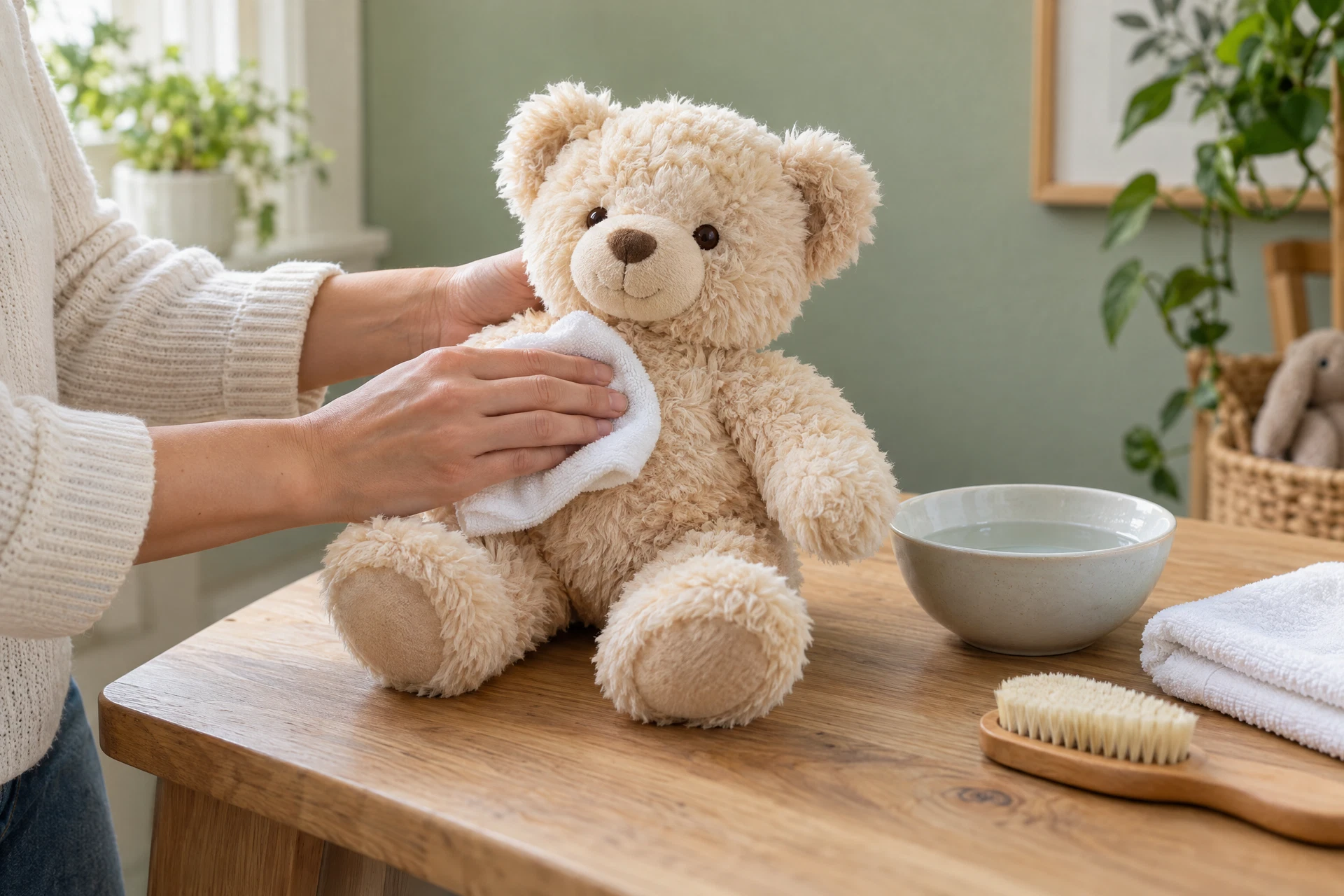
Regular upkeep keeps plush looking fresh and extends the life of props. Light vacuuming with a brush attachment, spot-cleaning according to manufacturer instructions, and rotating pieces to avoid prolonged sun exposure will preserve appearance. Always check the individual manufacturer's label for specific care and cleaning guidance.
Store seasonal props and excess plush in labeled bins to speed future refreshes and reduce damage. Keep a short maintenance checklist for staff—dust surfaces, check price tags, groom plush fur using a soft brush, and replace soiled items immediately. These small rituals ensure displays stay appealing without constant reinvestment.
Explore the details before choosing
Take a closer look at Seasonal Characters, review our plush and clothing care guidance, or ask about specifications and availability before making an order request.