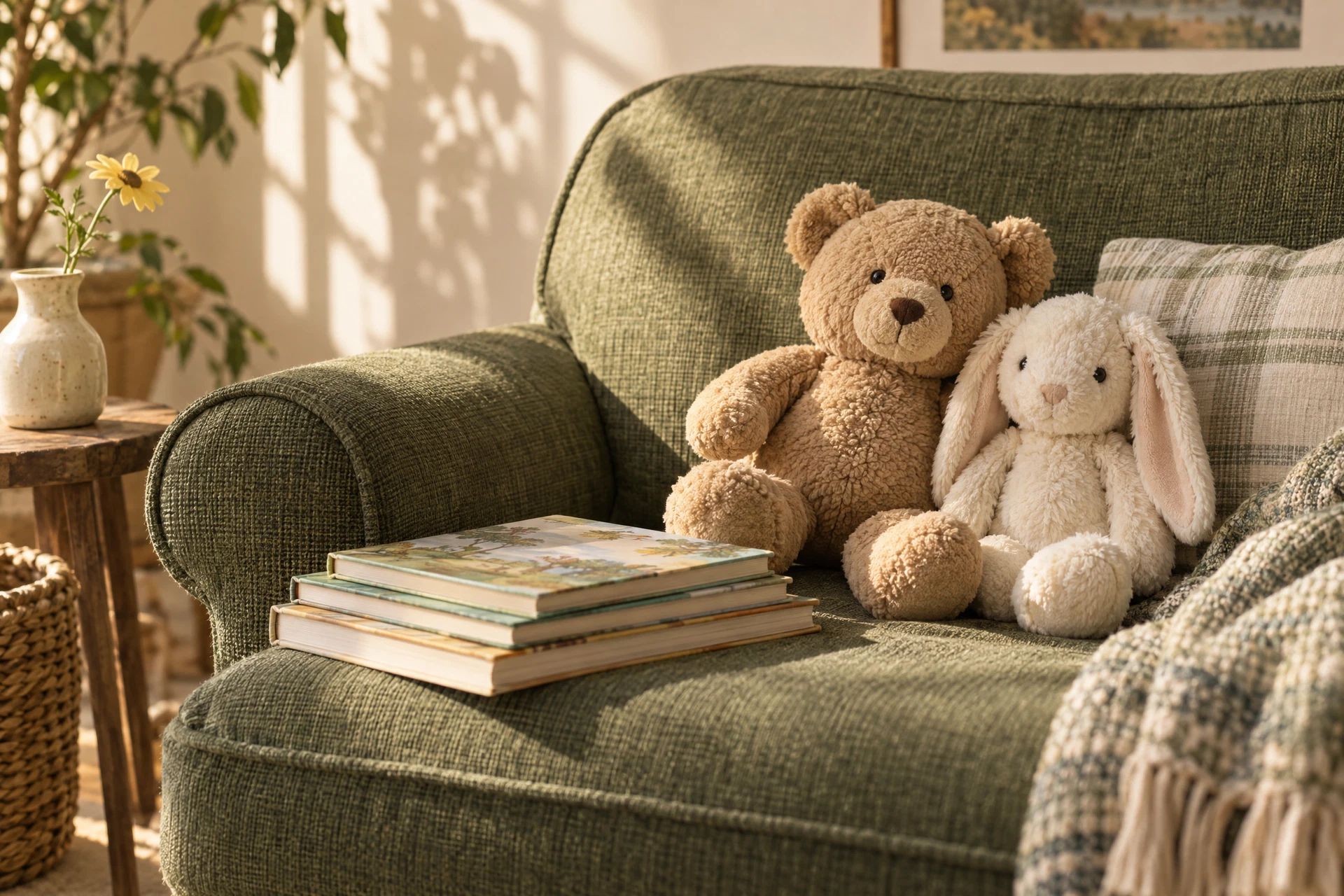
Stuffed animals accumulate scent, dust, and compression over months of play. When you rotate toys seasonally, the way you store them determines whether they return looking fresh and ready or limp, discolored, and forgotten. This guide focuses on storing stuffed animals between seasons with practical checks, simple cleaning steps, and packing methods that match different storage situations—closet, attic, underbed, or rented storage unit.
Decisions you make now—what to keep out, what to wash, and which containers to use—save time and frustration later. I’ll walk through selection criteria, safe pre-storage cleaning techniques, container choices, labeling habits that work, and how to handle special cases like heirloom toys or ones with electronics. Along the way you’ll find common mistakes to avoid and a small example checklist you can use tonight.
Sort and Prioritize: What Comes Out and What Goes Away
Begin by laying out all stuffed animals and grouping them by condition and sentimental value. Create three piles: permanent keeps (high sentimental or heirloom), seasonal rotation (toys used mainly at certain times), and donate/repair. Use simple decision criteria: if a toy is stained beyond a quick clean, has a tear you won’t mend, or hasn’t been played with in a year, it may be time to let it go or set it aside for repair.
For seasonal decisions, consider visibility and practicality. Bulky plush used for holiday displays might be best stored away, while smaller comfort toys should remain accessible. Label each pile with masking tape or a sticky note and take a quick photo of special pieces before packing—photos are a lightweight inventory that helps you remember what’s in opaque bins later.
Pre-Storage Cleaning: Gentle Steps That Preserve Fabric and Fill
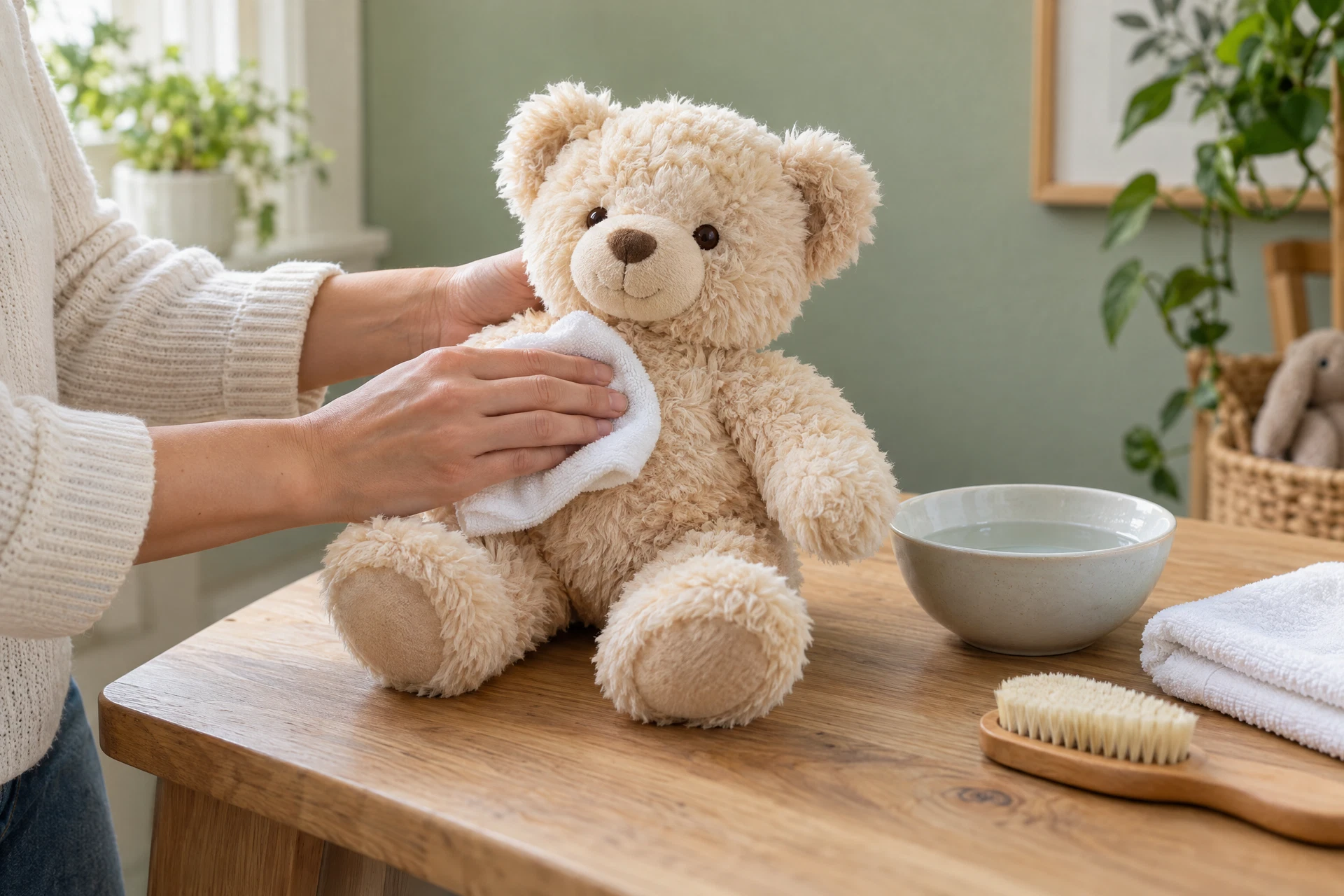
Before packing, surface-clean stuffed animals to remove dust and body oils that attract pests and cause long-term discoloration. For many plush toys the safest approach is to vacuum with a soft brush attachment on low suction or use a lint roller to lift surface debris. Spot-clean stains using a damp cloth and a mild detergent solution, blotting rather than rubbing to protect pile and embroidery.
If you think a deeper wash is necessary, check the manufacturer’s label for washing guidance and follow the exact instructions. Some toys tolerate gentle machine cycles in a mesh bag; others require handwashing or professional cleaning. After any wet cleaning, reshape fill and air-dry completely—sealed containers trap moisture and can encourage mildew.
Choose the Right Container: Breathable vs. Airtight
Container choice depends on storage environment. In a climate-controlled closet or bedroom, breathable cotton storage bags or fabric bins prevent trapped humidity while keeping dust off. Fabric containers allow some air circulation, helping maintain loft and preventing mustiness. For short-term season changes, these are often sufficient and inexpensive.
Airtight plastic bins protect against pests like moths and rodents in attics or basements, but they also trap moisture. If you use airtight boxes, include silica gel packets or other desiccants to control humidity and check periodically. Avoid vacuum-seal bags for long-term storage—compressing plush can damage filling and alter shape permanently.
Pack Smart: Layering, Positioning, and Fill Support
Pack stuffed animals loosely to avoid crushing. Lay heavier items on the bottom and place more delicate or flattened toys atop. Use acid-free tissue paper as padding between fragile pieces to reduce friction and color transfer between fabrics. For small sets or matching toys, keep them together in a labeled sub-bag so they’re easy to find during rotation.
For toys with delicate noses, glass eyes, or glued parts, insert small pieces of rolled tissue at pressure points to preserve form. If a toy is partially flattened, shape it by hand and add lightweight fill (polyester fiberfill) in small amounts to restore loft before packing. Finish each container with a layer of breathable fabric or a clean sheet to buffer the items from the lid.
Labeling and Inventory: Save Time Next Season
Label every box with a brief inventory and the destination location in your home (e.g., “attic: seasonal plush—holiday red/white”). Use a permanent marker on labels or printed stickers for clarity. Maintain a simple digital inventory—phone photos plus a note—so you can search for a particular character or color without opening boxes.
Include a ‘last checked’ date on the label to track how long items have been stored. That helps you schedule inspections for pests or moisture and avoids the unpleasant surprise of discovering mold or odors months after packing. If you rotate frequently, smaller, clearly labeled boxes save more time than a single oversized container.
Special Cases: Heirlooms, Electronics, and Multi-Material Toys
Heirloom or handmade stuffed animals deserve extra care. Store these in acid-free boxes or wrap them in unbleached cotton and avoid any plastic that can trap humidity. Consider a climate-controlled location away from sunlight and radiators, and periodically inspect for any fabric deterioration. Photograph condition before storage for your records.
Toys with sewn-in electronics or batteries require separate handling: remove batteries before storing to prevent leaks and corrosion. Keep electronic modules in labeled small plastic bags and store them with the toys, or remove them entirely if the owner’s label allows. For toys with mixed materials—metallic threads, sequins, glued-on accessories—pad those areas to prevent abrasion and avoid washing methods that could loosen adhesives.
Common Mistakes and How to Avoid Them
A frequent error is packing toys dirty or damp; this invites stains, odors, and mildew. Always complete cleaning and drying before sealing containers. Another mistake is overpacking—compressing plush in vacuum bags or cramming large numbers into small bins flattens fill and can lead to permanent shape loss. Give each piece breathing room unless space mandates otherwise.
Storing boxes directly on concrete floors or in direct sunlight is also harmful. Concrete can draw moisture into containers while sunlight fades fabric. Use shelving or pallets in basements and keep boxes away from windows. Finally, neglecting an inventory means you might repurchase a beloved toy unnecessarily; a quick label and photo prevent duplicate purchases.
A Small Example: Three-Box System for Seasonal Rotation
Here’s a concrete action you can use: create a three-box system labeled ‘Keep Out,’ ‘Seasonal Storage,’ and ‘Donate/Repair.’ Box 1 (Keep Out) holds four to six small comfort toys that stay accessible on a bedroom shelf. Box 2 (Seasonal Storage) takes holiday- or season-specific items—cleaned, tissue-padded, and stored in a breathable fabric bag inside a plastic bin with a silica packet. Box 3 (Donate/Repair) contains items to mend or pass on; address repairs within a month so the pile doesn’t grow.
When packing Box 2, place heavier plush at the bottom and lay a sheet over the top before closing. Add a label listing contents and the date packed. Store the bin in a cool, low-humidity spot; check it at the season’s end to address any issues. This small system reduces decision fatigue and speeds rotation from season to season.
When You Bring Them Back Out: Re-Inspection and Refresh
At the start of the active season, inspect each toy for dust, pests, loose parts, and odors. Lightly fluff fills by hand, repair small seams, and refresh surface cleaning as needed. If a toy smells musty, air it outdoors on a dry, shaded day and rewash only if the manufacturer’s label permits that method.
Reassess your storage choices after the first rotation. Did any items come out flattened or discolored? If so, move them to a different container or add extra padding next time. Keep a note of what worked and what didn’t in your digital inventory so seasonal packing becomes faster and less guesswork each year.
Resources and Next Steps
If you need storage containers or seasonal display ideas, check the seasonal collection page for options at the Seasonal Characters collection. For additional cleaning and care techniques beyond surface cleaning, see the detailed guidance on the care page at our care guide and always follow the manufacturer label on each toy.
If you have questions about bulk storage for a classroom, daycare, or shop, inquire through the wholesale page at wholesale inquiries or reach out with specific needs via the contact page at the contact page. Small changes in preparation and packing will keep stuffed animals looking and smelling better across seasons.
Explore the details before choosing
Take a closer look at Seasonal Characters, review our plush and clothing care guidance, or ask about specifications and availability before making an order request.