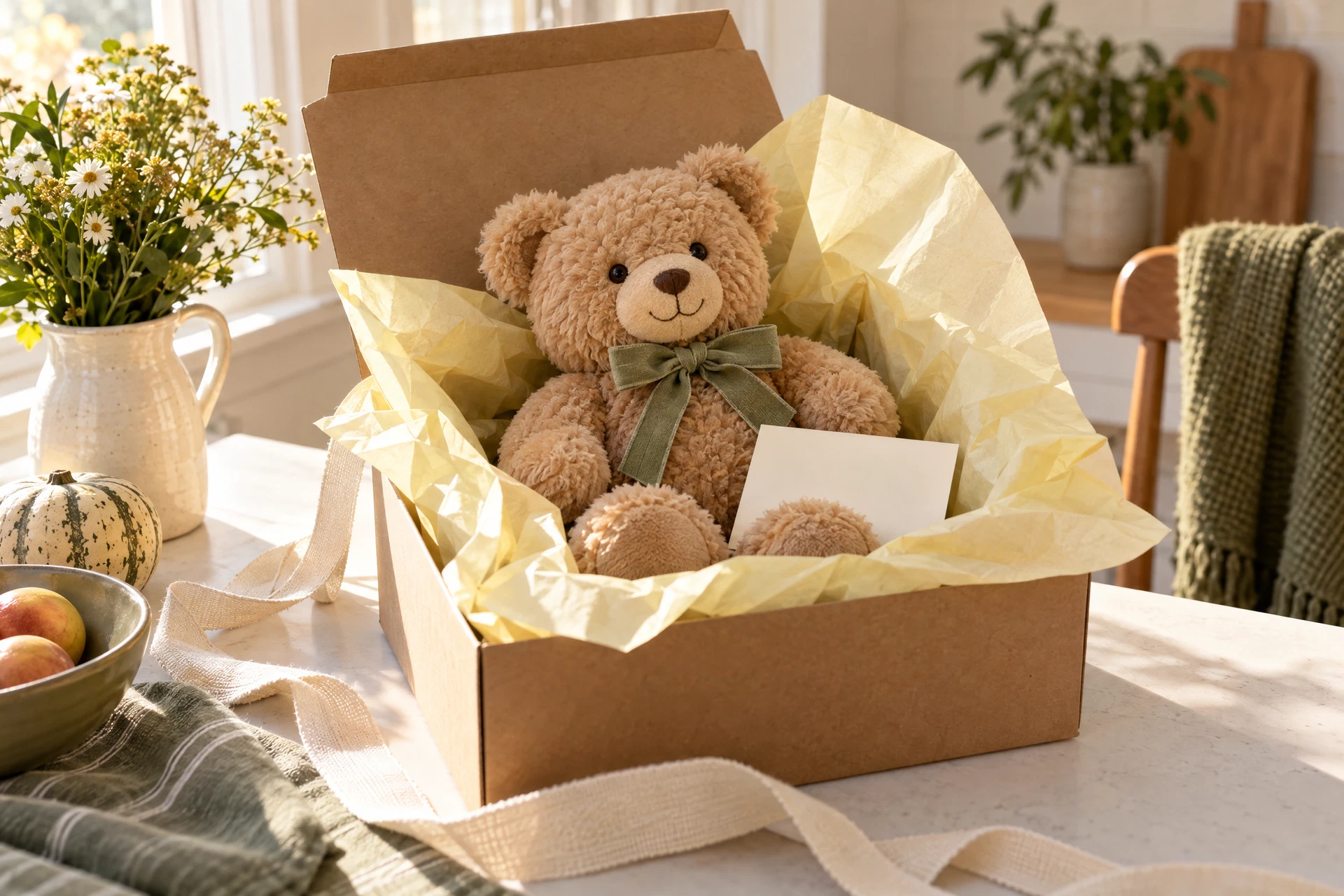
Plush retail display ideas must balance tactile appeal with clear merchandising logic. Customers buy plush for touch, giftability, and emotional resonance; displays should invite handling while keeping the assortment organized. Start by choosing a primary selling story—seasonal gifts, character lines, local makers, or comfort-themed picks—and let that narrative determine fixture height, grouping, and signage.
A second practical starting point is size and throughput. Measure the average shopper path in your shop and plan displays that allow two people to browse at once without crowding. Low, open fixtures work in narrow aisles; taller, contained displays suit wide open floor plans. Keep safety, loss-prevention and ease of restocking front of mind when you compare racks, bins, and endcaps.
Choose the Right Fixtures for Your Floor
Fixture choice defines what plush retail display ideas will succeed in your shop. Open-front cubbies and shallow bins let customers touch toys easily, which increases conversion; however, very deep bins hide smaller items at the bottom. Combine shallow face-out shelving for featured items with a few deeper baskets for clearance or bulk SKUs to maintain visual variety without losing accessibility.
Consider mobility and flexibility. Rolling islands or modular gondolas allow you to reconfigure displays for seasonal windows and holiday flows. If space is limited, wall-mounted slatwall panels with peg hooks and small ledges give vertical real estate for medium-weight plush, keeping the floor open for circulation. Evaluate fixture weight capacity to avoid sagging or instability from heavier stuffed items.
Group by Story, Not Just Color
Plush sells on storylines—’bedtime buddies,’ ’local mascots,’ or ’collectible characters’—so arrange assortments to make that story obvious. When a shopper sees a coherent cluster, they more easily understand purpose and gift suitability. Create single-theme islands with supporting signage and a clear hero item to anchor the group, then surround it with related sizes or price points.
Avoid the ‘rainbow scatter’ common in small shops where colors are mixed without context. That approach can look lively but often confuses shoppers searching for a specific use-case. If color coordination is part of your aesthetic, keep it to one dedicated wall or window and use other areas to communicate purpose-driven groupings.
Scale and Placement: Optimizing Touchpoints
Determine primary touchpoints based on foot traffic: entry, checkout, and high-visibility aisles. Place small impulse plush near checkout in a tiered display—items priced for impulse buys, with clear price tags. Larger, higher-margin plush should be showcased on floor islands or near the front of the shop where they can be noticed from multiple sightlines.
Use sightline rules to keep hero pieces at eye level for adults and lower shelves for children. In shops with narrow aisles, maintain a 3-foot clearance for shopper movement and stroller access. If you sell a range of sizes, rotate them so that larger items frame the display and smaller companions are within reach, encouraging mix-and-match purchases.
Lighting and Presentation Details
Good lighting makes plush textures pop; diffuse, warm lighting emphasizes softness without creating harsh shadows. Use adjustable track lights to spotlight hero products and softer ambient fixtures for the surrounding inventory. Avoid direct overhead fluorescents that can flatten color and diminish the tactile appeal that drives sales.
Presentation details also include neat grooming: regularly re-fluff and re-position plush to avoid a flattened, dusty look. Small mirrors or tactile sample tags can prompt customers to touch safely. For specialty or fragile plush, add a gentle, clear barrier or stand to preserve shape while still allowing viewing and limited handling.
Cross-Merchandising and Pairing Opportunities
Cross-merchandising increases average order value when done with intention. Pair plush with complementary products—board books, mugs, small pillows, or locally made gift wrap—to create cohesive gift sets. Put a suggested bundle on a single shelf so customers can take everything at once, and include clear pricing that shows the bundle value.
Make these pairings seasonal and rotate them monthly to test which combinations perform. Use small grouping cards that explain the idea—’Bedtime bundle’ or ’New baby welcome’—so customers instantly understand the gift occasion. Track which bundles sell together to refine assortment and supplier orders.
Pricing, Tags, and Decision Cues
Clear pricing and sensory cues reduce purchase hesitation. Use consistent tags: size, price, and a short one-line use-case (for example, ‘travel buddy’ or ‘desk pal’). Consider color-coded tags for price tiers to help quick decisions—affordable impulse pieces in one hue, premium in another.
Include tactile or experiential nudges: small ‘feel me’ cards or texture icons that indicate machine-wash guidance should be checked on the manufacturer label. Never assume care methods; always direct shoppers to the item's specific tag or to your care page for general guidance at our care guide.
Common Merchandising Mistakes and How to Avoid Them
A frequent error is overstuffing displays. When shelves look cluttered, individual pieces lose impact and customers can’t easily find sizes or characters. Maintain deliberate spacing—leave breathing room around hero items and rotate stock to keep displays tidy. Train staff to tidy public displays every two hours during busy periods.
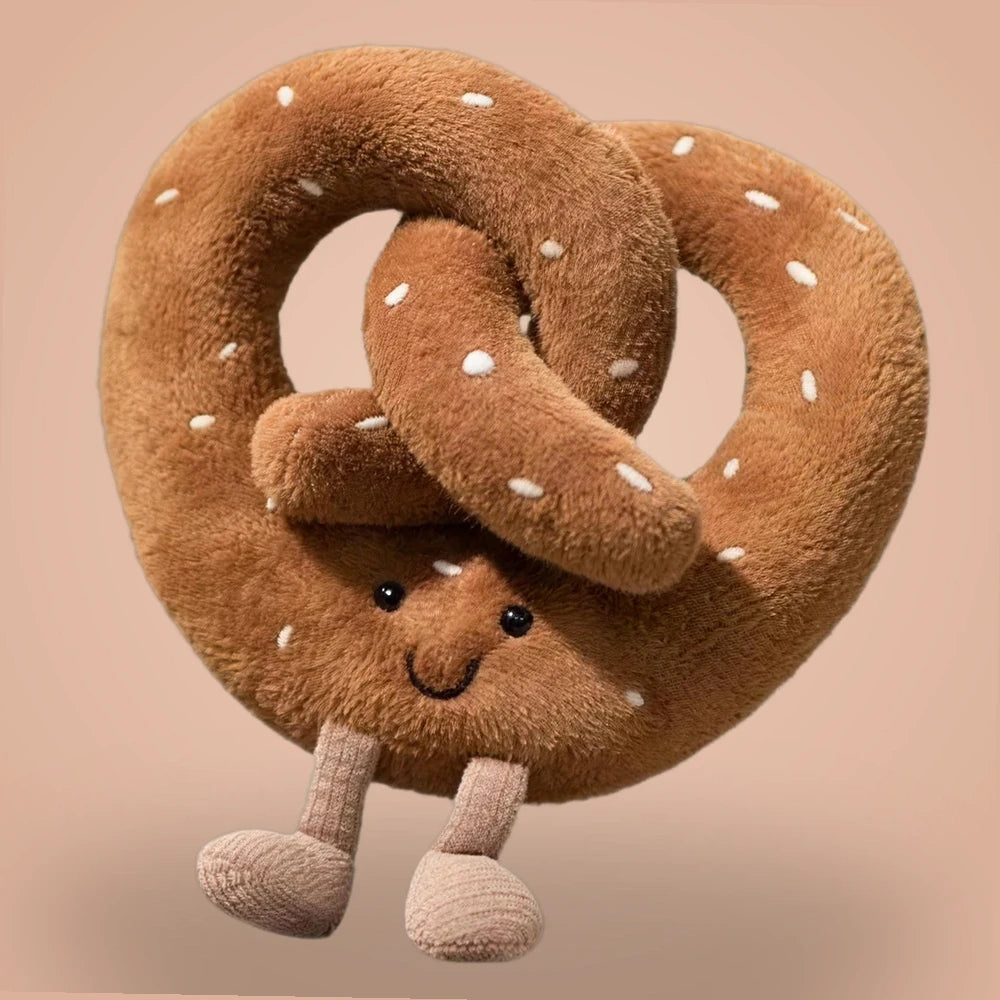
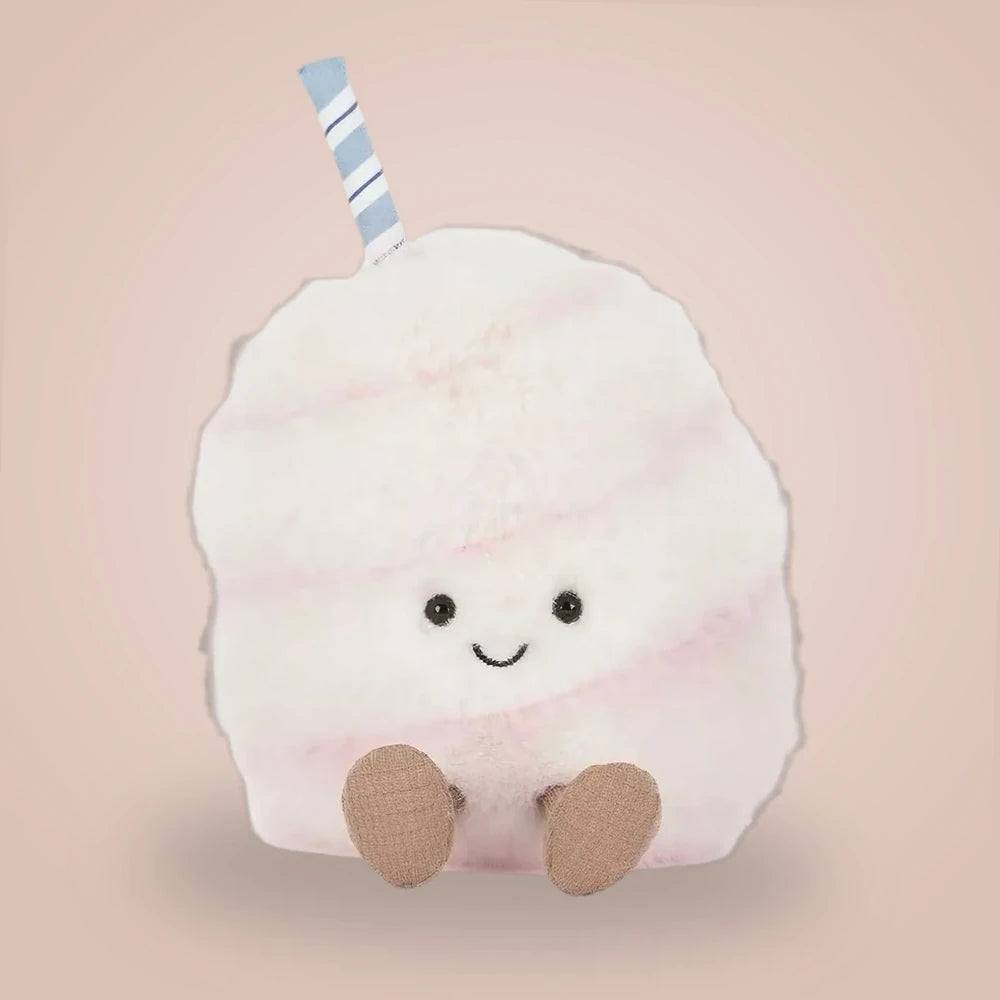
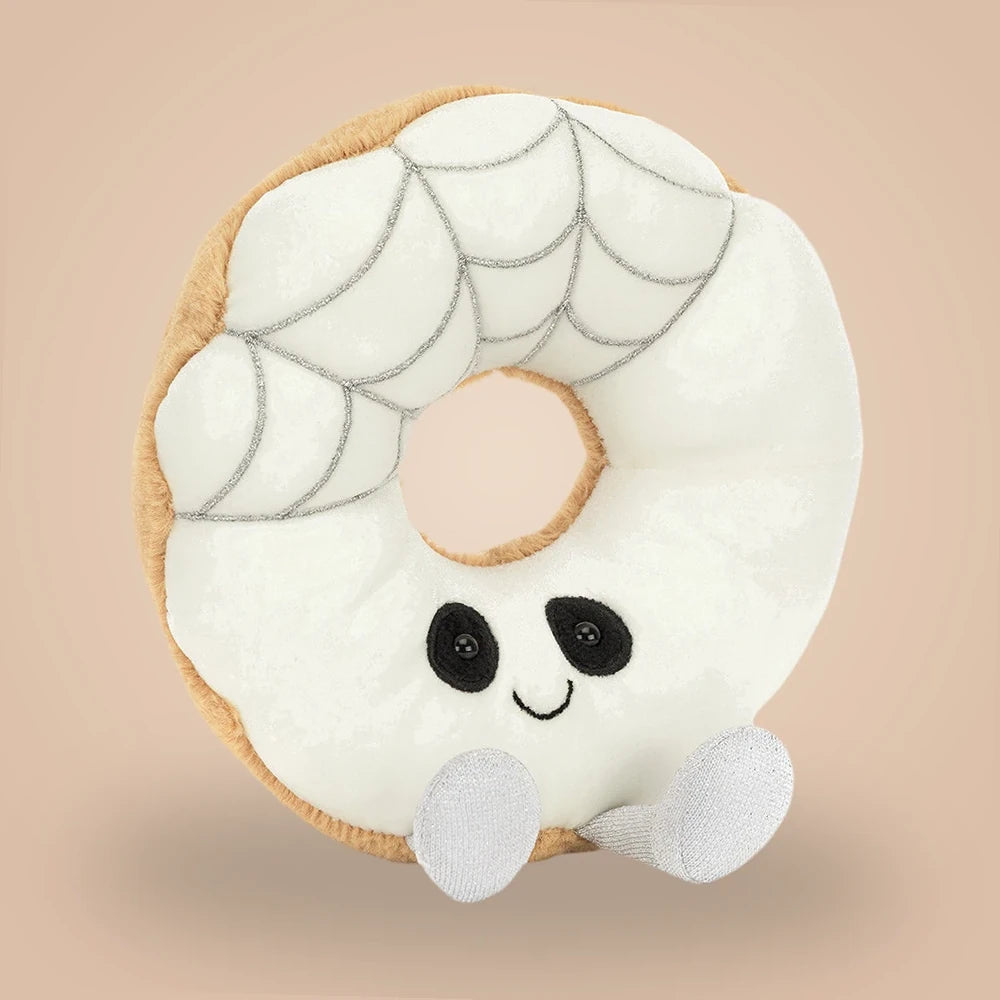
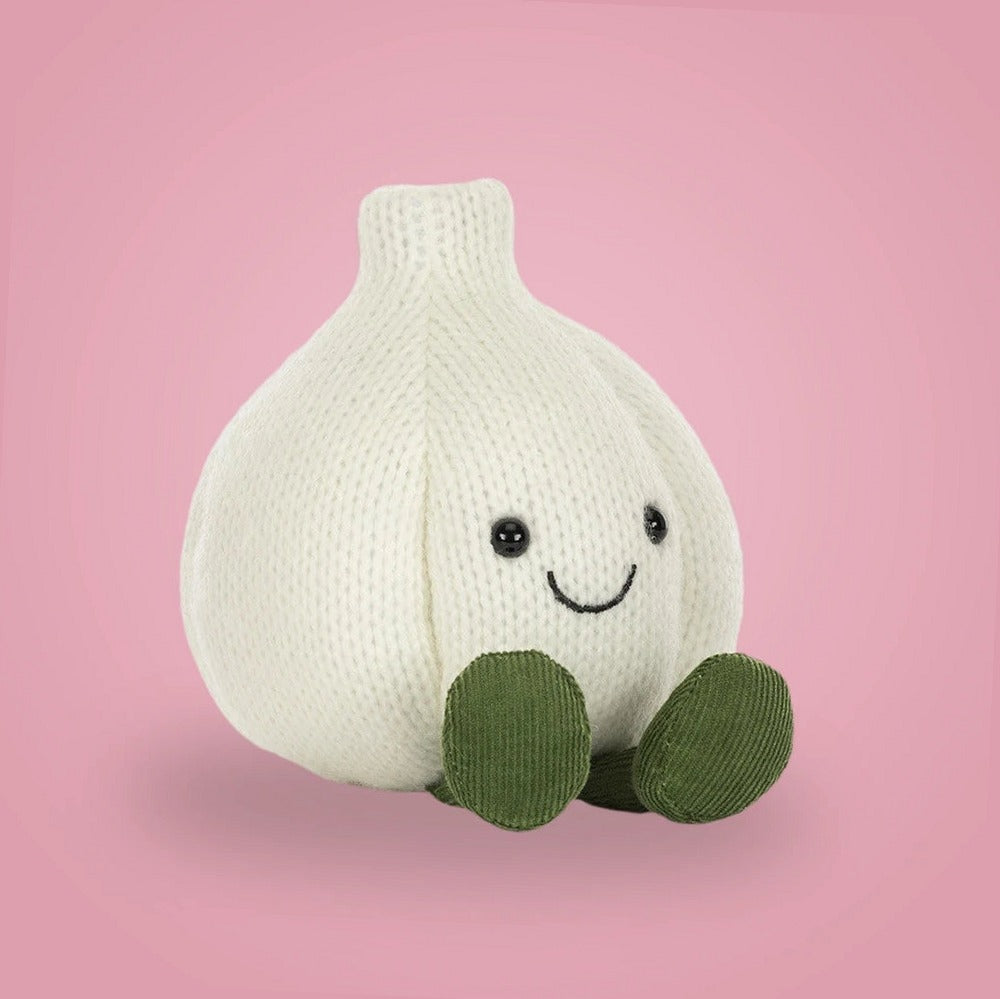
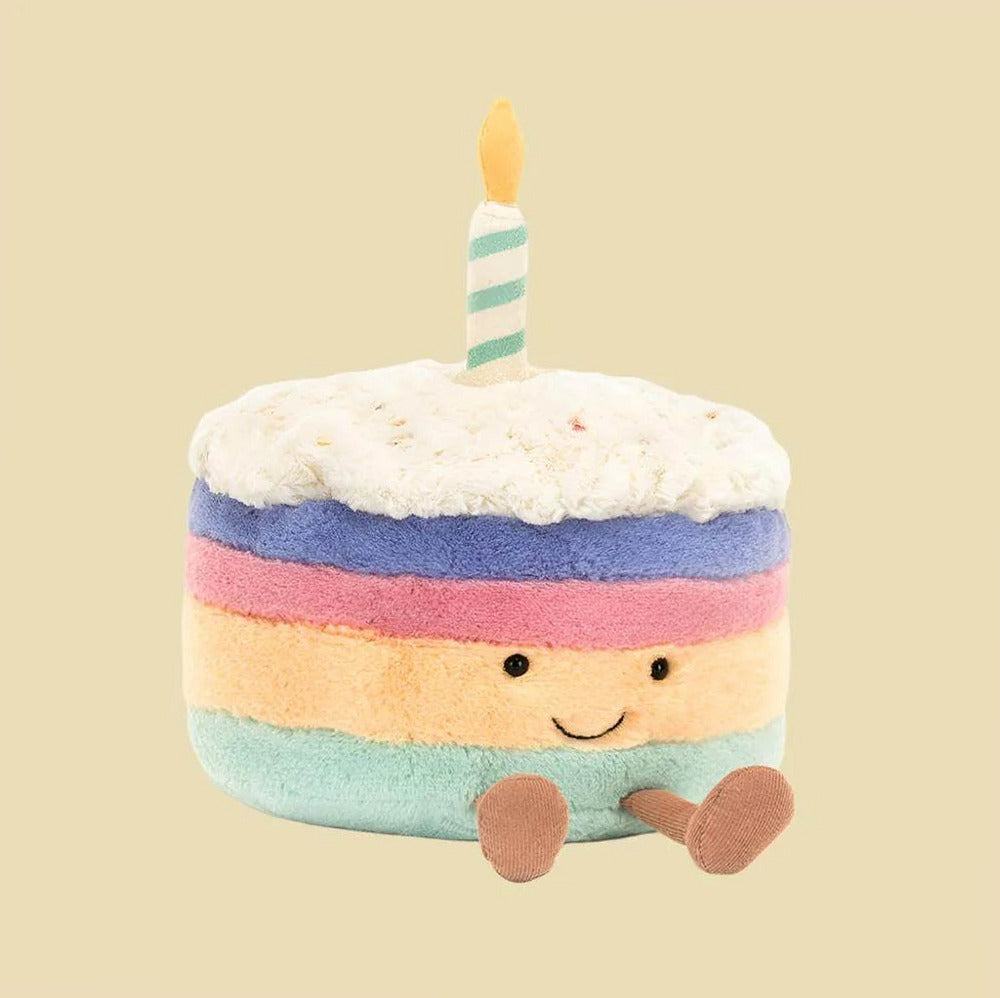
Another mistake is inconsistent storytelling—mixing unrelated lines without signage. If your shop stocks both character plush and artisan, handmade pieces, separate them visually and use tags that call out origin or intended recipient. If you sell a themed collection like food-shaped plush, create an obvious destination with a link on a product card that leads customers to related items, for example the dedicated collection at the Food Friends collection.
A Small Actionable Display Plan to Test in a Weekend
Pick one small area—an 8 sq. ft. corner or one table—and implement a test display to measure impact. Step 1: Define a theme (e.g., ‘travel companions’) and choose 8–12 items across 3 price points. Step 2: Select a hero item and position it at eye level with two complementary pieces flanking it. Step 3: Add a small sign that explains the theme and a suggested bundle price to simplify decision-making.
Run the test for one weekend and record simple metrics: units sold from the display, average transaction value of buyers who touched the display, and customer comments. After the test, tweak based on results: if bundles underperformed, try alternate pairings or change the price cue. If you need vendor contact or general wholesale information, use the wholesale inquiries page to start conversations and ask specific terms before committing large orders.
Maintenance, Theft Deterrence, and Customer Service
Routine maintenance keeps plush displays converting. Establish a daily grooming checklist: re-fluff three hero pieces, dust shelves, and realign tags. For high-touch items, rotate the front-facing pieces so no single unit bears constant handling. If a manufacturer’s care instructions indicate specific cleaning methods, follow them carefully and communicate that to customers.
For theft deterrence, avoid overly dense displays near exits and keep higher-value plush on counters or in locked cases that staff can access. Train staff to engage shoppers with open questions about gift intent—engagement reduces risk and increases the chance of a sale. For general shop service or location questions, point customers to the contact page.
Explore the details before choosing
Take a closer look at Food Friends, review our plush and clothing care guidance, or ask about specifications and availability before making an order request.