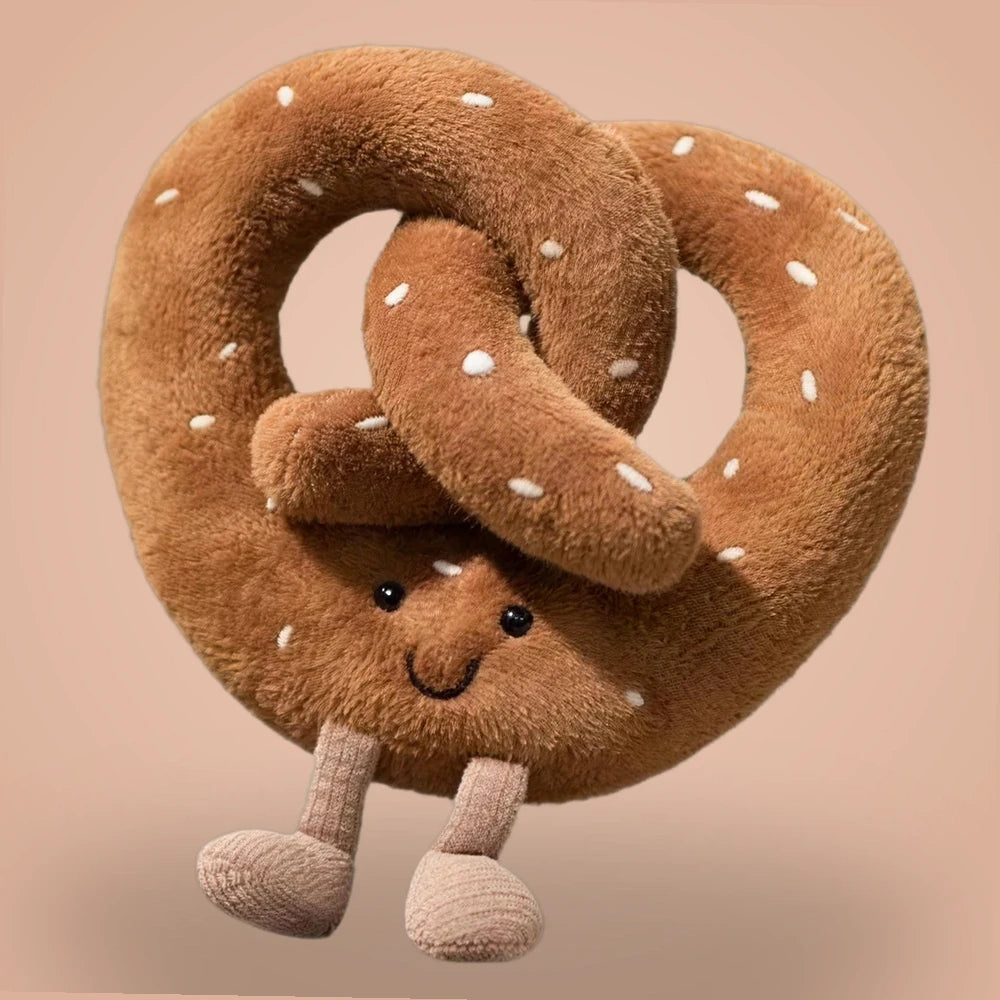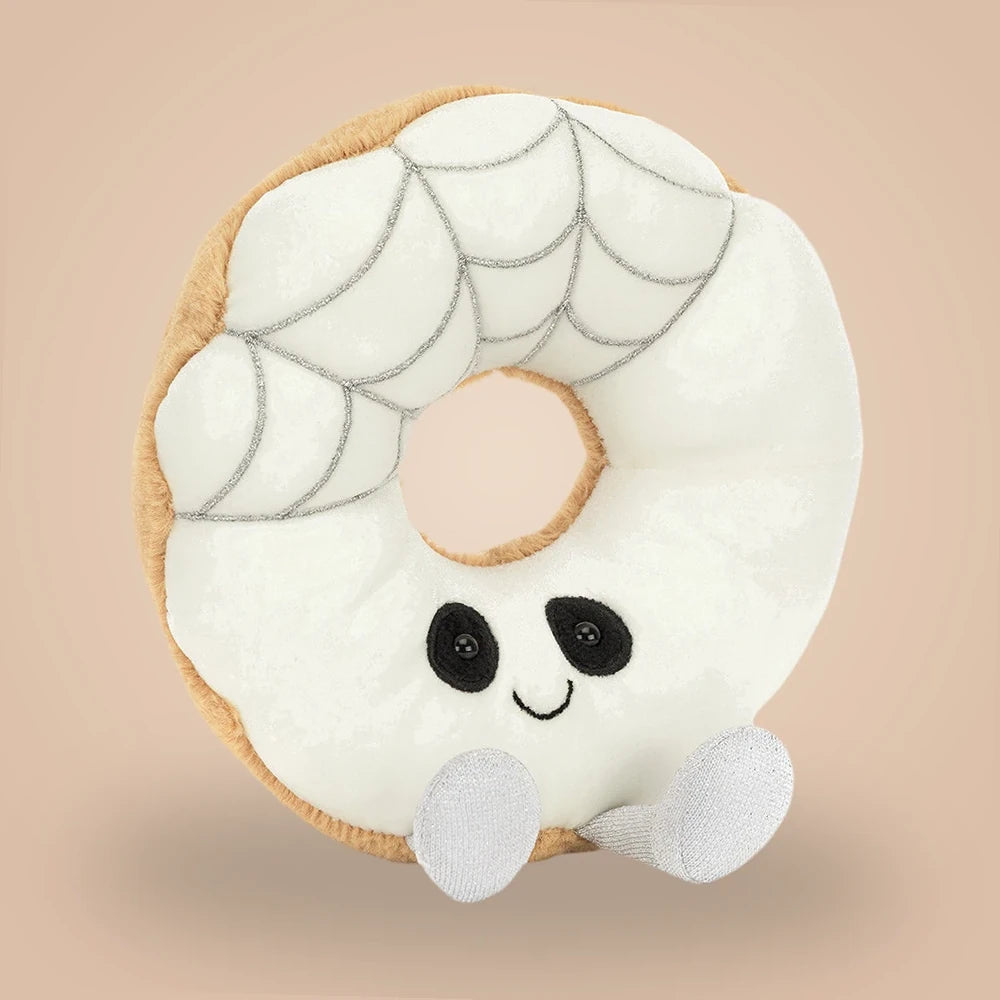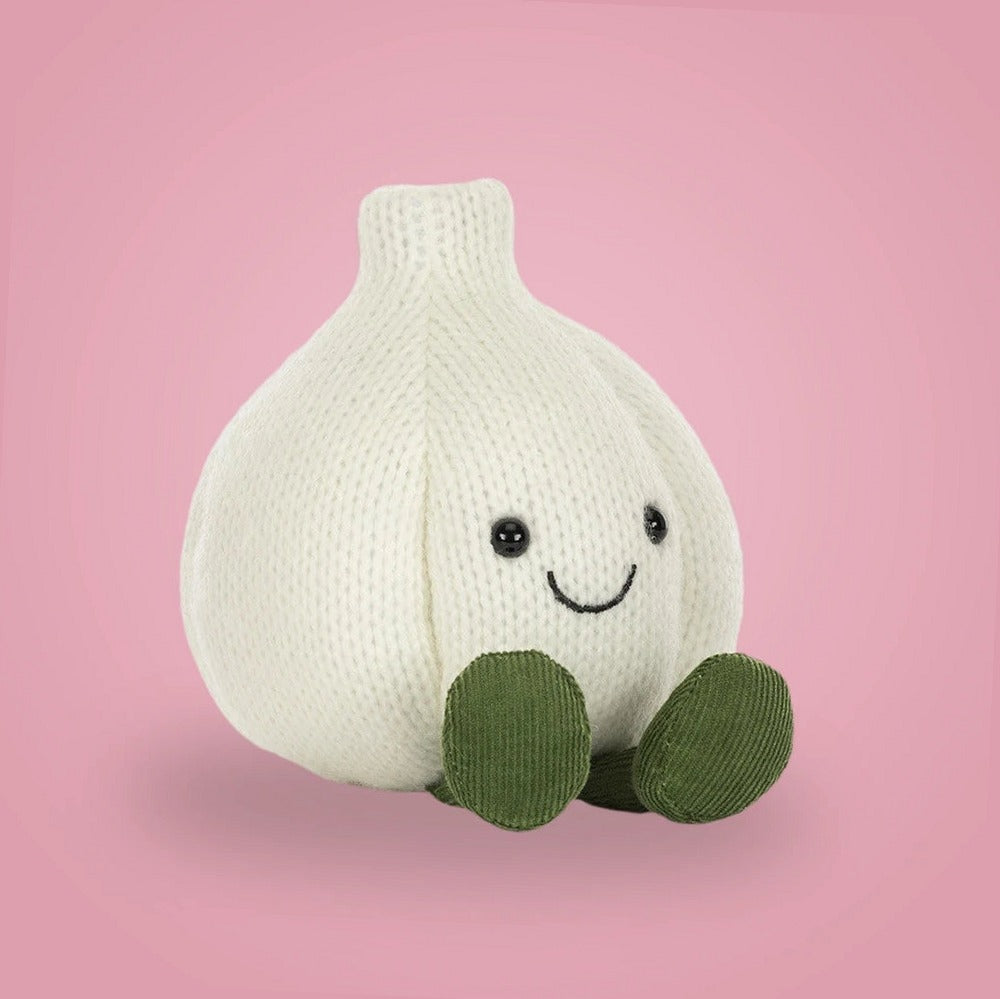
Food plush pretend play is an approachable way to build language, turn-taking and imaginative storytelling with soft, washable-feeling props. Focusing on food-themed plush keeps the setup simple: a few sandwiches, fruit, and a treat or two create immediate scenarios—picnics, grocery runs, or restaurant service. The tactile softness of plush invites gentle handling and can make routines like setting a place or sharing feel less fragile than with breakable props.
This article narrows the idea to picnic-focused play so you can gather materials, plan a session, and troubleshoot common issues without assembling every toy in the house. You'll find practical selection criteria, staging ideas, cooperative games, safety considerations, and cleaning reminders. For a ready set of themed pieces, see the food friends collection at the Food Friends collection for inspiration; for product care questions always check the manufacturer’s label and follow its instructions on our care guide.
Choosing the right pieces for a pretend picnic
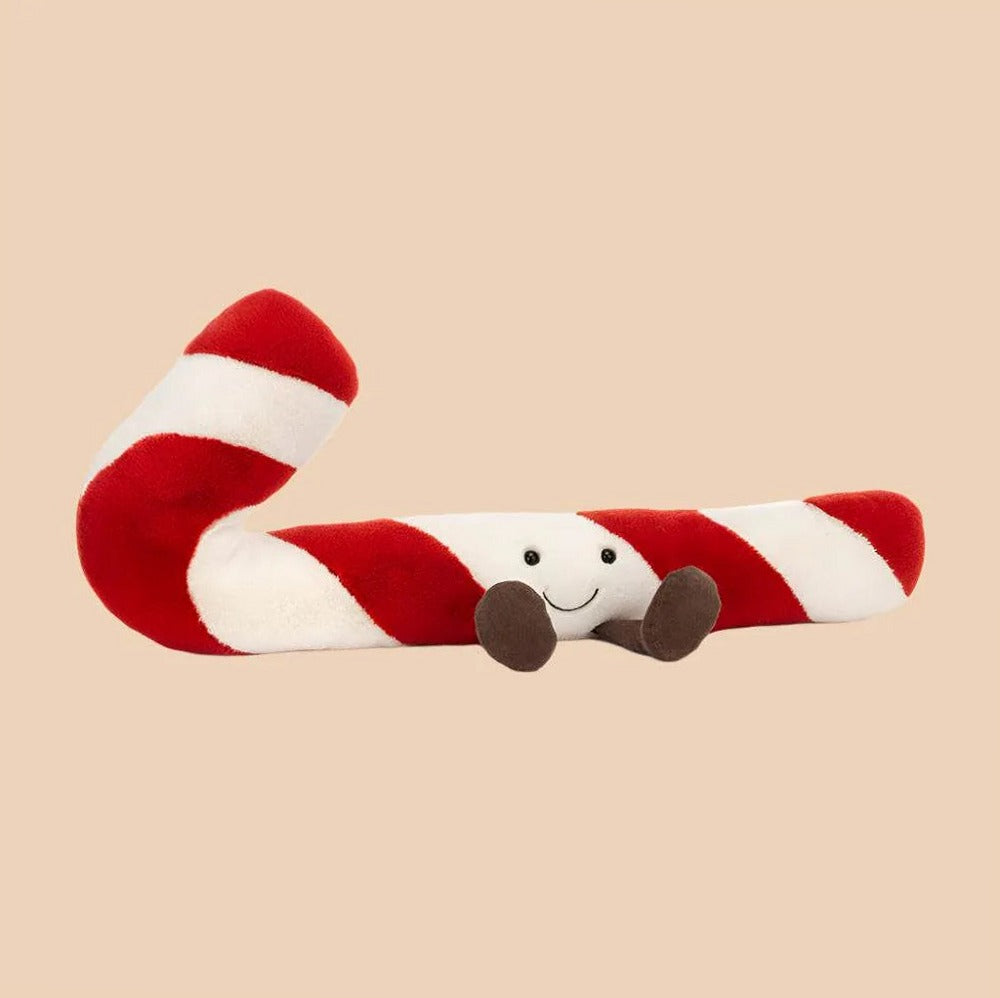
Start with a compact, coherent set so children can orient quickly: two to six items per child works well. A sandwich or wrap, a plush fruit, a drink, and a small dessert cover essential food groups and support different role-play scenes. Avoid overfilling a basket; too many options can fragment play. Think about size: pieces large enough to manipulate but not so big they overwhelm a small lap.
Choose variety in shape and texture—soft velour bread, fuzzy peach, and a felt cookie offer subtle sensory contrast and invite descriptive language. Consider pieces that nest or stack for additional actions like serving multiple courses. If you're buying for a classroom or program, create multiples of the most-used items to reduce squabbling over favorites and to simplify clean-up routines.
Staging the picnic: setting, props, and flow
A successful pretend picnic needs a clear boundary: a small blanket, circle of tape, or a low table works. The boundary signals the space is for picnic play and invites children to arrange the scene. Keep seating options simple—one cushion per child—and place a small basket or tray with the plush food within reach. This encourages independent decisions about what to pick and where to set it.
Think about adding a couple of non-food props to expand scenarios: a toy thermos, a simple paper menu, or a fabric napkin can turn a picnic into a café or food truck narrative. Use prompts to encourage progression: “What should we eat first?” or “Who will set the table?” These questions help children practice sequencing and social negotiation while keeping the pretend play anchored on the picnic theme.
Simple games and activities to extend play
Turn the picnic into cooperative games that build sharing skills. The ‘serve and switch’ game has children serve one item to a friend, then switch places, simulating restaurant roles. Another activity, the ‘surprise basket,’ asks a child to close their eyes while a partner places an item in their basket; they must describe it without naming it. These small rulesets add gentle structure without removing imaginative freedom.
Include literacy and math mini-games: create a simple order pad so one child ‘writes’ a meal request while another fills it, or count plateware and compare quantities to practice one-to-one correspondence. These activities use the plush as motivators and keep the picnic play purposeful while remaining playful.
Safety, age guidance, and common mistakes
Check individual manufacturer labels for age recommendations and care specifics; never assume all plush items are suitable for all ages. A common mistake is mixing tiny accessory parts with larger plush food; remove any small detachable pieces when younger children are present. Also inspect seams and closures regularly—loose stitching or exposed stuffing should be repaired promptly to avoid choking hazards.
Another frequent error is leaving too many props in open play. Rotate items in and out to keep interest high and reduce clutter that can discourage focused play. Finally, avoid food-realism that could encourage mouthing real food or confuse allergy-safe practices; keep pretend food separate from actual snacks and use clear rules about when real eating is allowed.
Cleaning and maintenance basics
Follow the care label for each item rather than assuming universal machine washing. Surface-cleaning, spot treatment, or hand washing may be specified. A gentle approach usually works: remove loose debris, brush off particulate matter, and treat stains with a mild soap and water mixture. Allow pieces to dry fully before storing to prevent mildew.
Create a simple toy-care schedule for shared spaces: quick wipe-downs between uses and a deeper inspection weekly. Keep a small repair kit with matching thread and blunt needles to sew split seams immediately. For questions about recommended cleaning methods or repairs for purchased items, use the contact page at the contact page to ask the seller directly.
Mixing plush with other materials for richer play
Pair plush food with durable plates, wooden utensils, or fabric napkins to provide fine motor variation and practical life practice without increasing risk. Wooden or silicone plates can support stacking and scooping behaviors that plush alone doesn’t offer. When mixing materials, ensure the hard items are age-appropriate and don’t have sharp edges.
Use sensory bins alongside the picnic blanket for a hybrid experience—dry rice, large pasta, or fabric scraps can act as ‘grass’ or ‘picnic filler’ around the plush. Keep the textures manageable and easy to tidy. This combination gives children opportunities to explore tactile contrasts and extend narratives, such as pretending to dig for buried picnic treats.
Observing play to guide development and intervene
Observe how children assign roles and resolve conflicts during picnic play. Note language use—do they narrate actions, negotiate trade-offs, or label items? These observations help adults plan scaffolded interventions, like introducing a prompt card with vocabulary (serve, share, pass) or suggesting turn-taking timers for equitable play. Use observations to choose future props that address emerging skills.
Intervene sparingly and with intent: step in to model a phrase, demonstrate a gentle hand-off, or set a short, observable rule when disputes stall play. Aim to support autonomy by offering choices rather than directives—for example, offer two orders to choose from instead of assigning a role. That keeps children engaged and helps them internalize the social routines of shared pretend play.
A small example session you can try tomorrow
Prepare: select four food plush items, two plates, one blanket, a small basket, and a napkin. Set a 20–30 minute window and invite two to four children. Lay the blanket and place the basket in the center with the plush foods partially visible. Tell a short scenario: “We’re going on a picnic in the park; what should we bring?”
Play: ask one child to be the ‘picnic host’ who greets others and takes snack orders. Introduce a simple rule—each child may hold two items at a time. After 10–15 minutes, swap roles so others can host. Close with a short cleanup song to practice responsibility. This small, repeatable session scaffolds decision-making, turns, and cooperative storytelling while keeping setup and clean-up predictable and achievable.
Where to buy and bulk considerations
When purchasing for a program or classroom, consider sets that offer multiples and consistent sizing so items are interchangeable during group play. Look for sellers that disclose individual cleaning guidance and replacement options. If you need several sets, contact wholesale departments early to clarify minimum orders and lead times; a wholesale inquiry can be sent to wholesale inquiries to request details from suppliers.
For home buyers, start small and add pieces as play themes emerge: a few well-chosen items often outlast a large one-time purchase. Use the food friends collection at the Food Friends collection as a starting point to assemble a balanced picnic kit. Keep receipts and product care documentation in one folder, and check the label before laundering or using any cleaning method.
Explore the details before choosing
Take a closer look at Food Friends, review our plush and clothing care guidance, or ask about specifications and availability before making an order request.