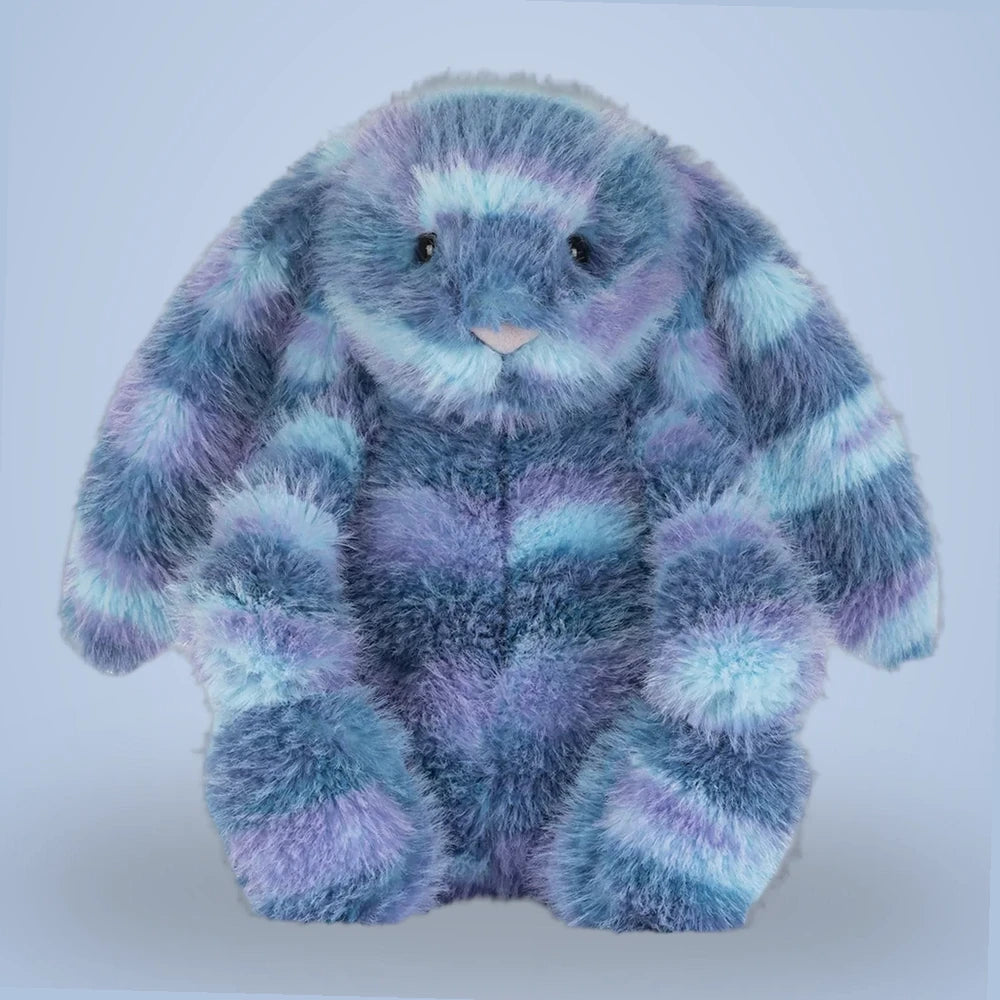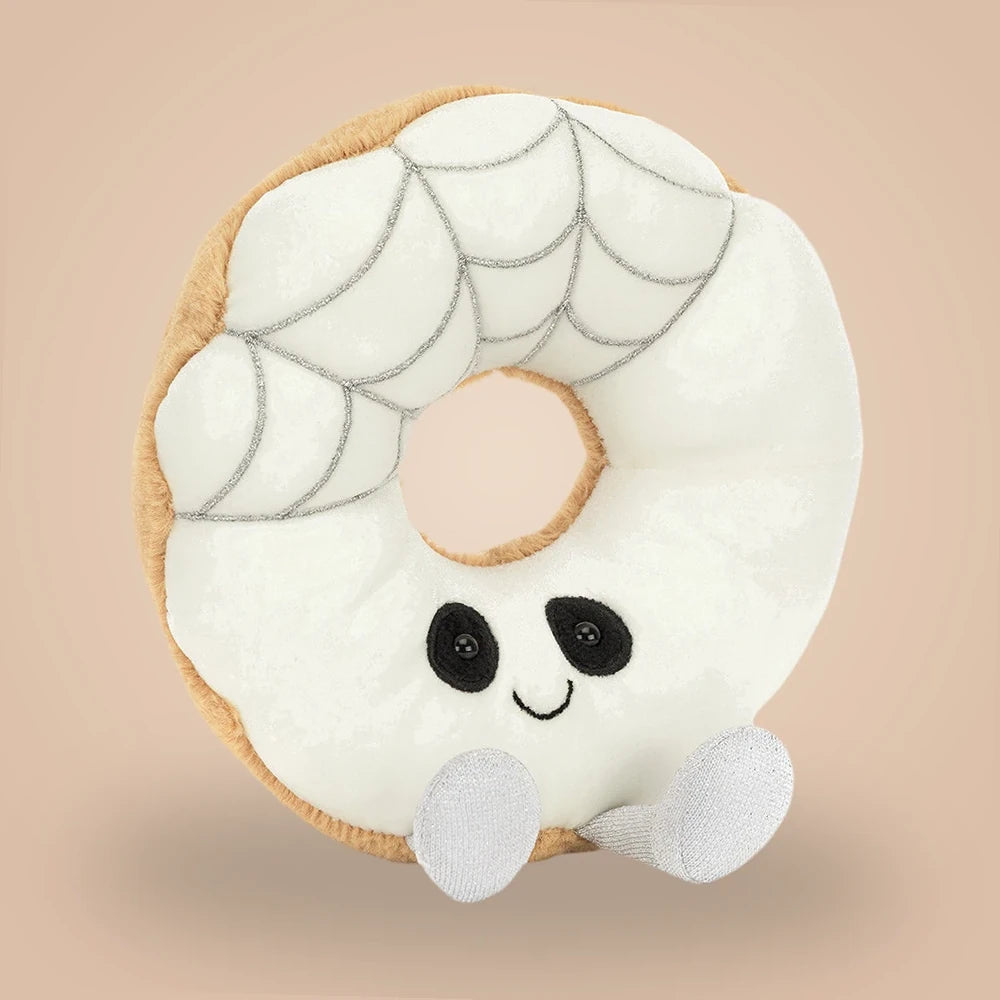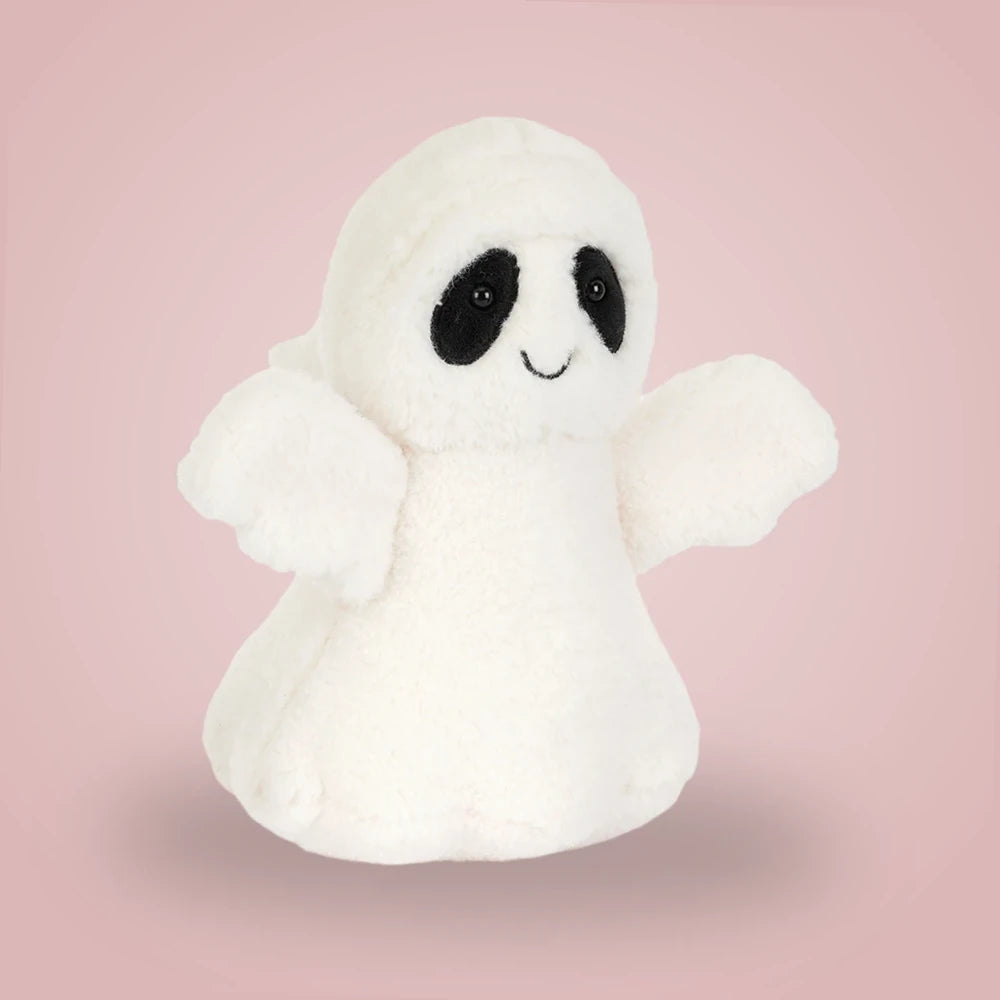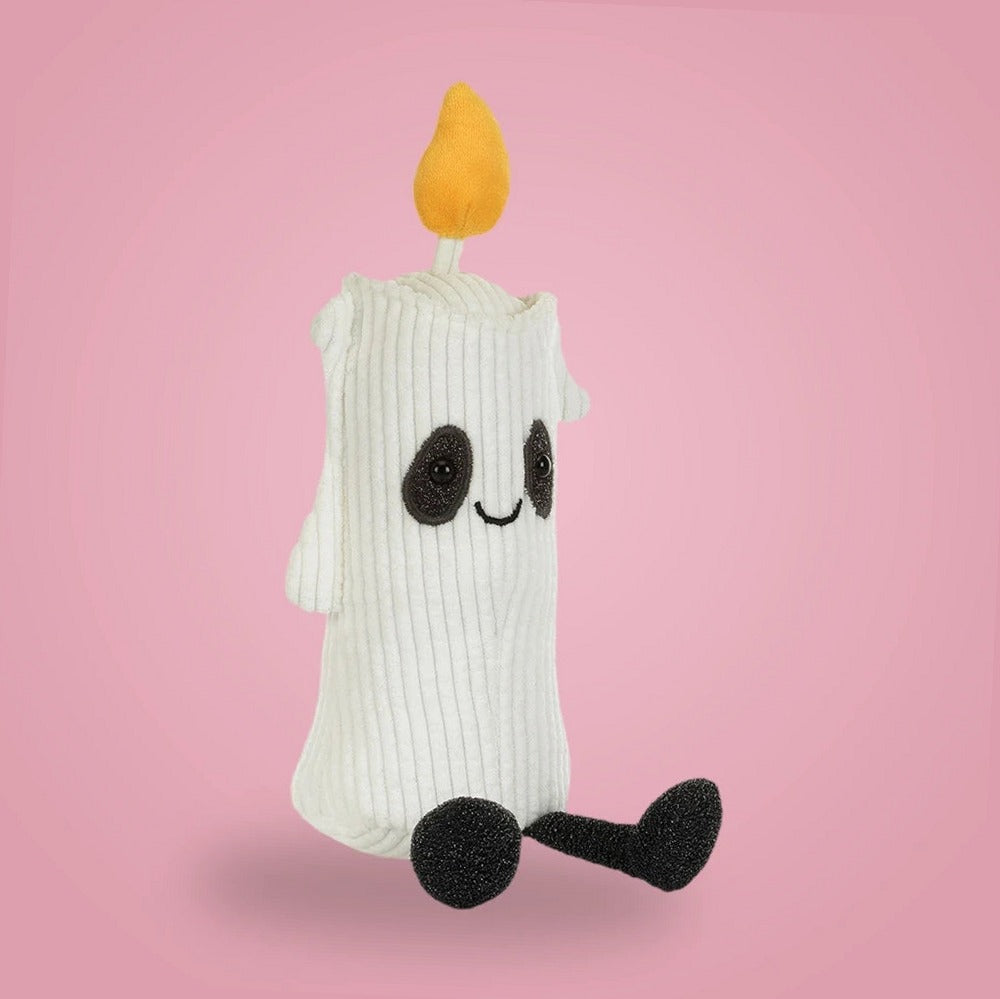
A well-chosen plush can do more than sit on a shelf: it provides texture, color, and a tactile focal point in a winter display and can be a thoughtful seasonal gift. When shopping for winter plush gifts, focus on multi-function: look for items that work as tabletop accents, shelf companions, or pillow-top extras on a couch or bed. Think beyond cuteness—consider how the plush interacts with your existing decor palette, the materials of nearby textiles, and whether it will live mainly as decor or be handled often.
Before buying, narrow what you need: a durable plush for everyday handling, a decorative piece sized to work on a mantel, or a gift packaged for easy wrapping and giving. Practical decision criteria include size relative to the intended spot, ease of cleaning according to the manufacturer's care label, and a color or texture that complements winter motifs like deep greens, warm neutrals, or metallic accents. For seasonal shopping, browse targeted assortments such as the the Seasonal Characters collection to compare shapes, sizes, and themed collections efficiently.
Sizing for Shelves, Mantels, and Tables
Size matters when adding plush to a display. A common mistake is choosing a large plush that overwhelms a narrow mantel or a tiny one that looks lost on a coffee table. Measure the width and depth of the intended surface and imagine leaving breathing space—generally 10–20% of the surface width should remain unoccupied by decor to avoid cluttered appearances.
For layered displays, pick a principal plush as an anchor—something medium-sized—and supplement with smaller companions or complementary objects like candles or framed prints. If the plush will be handled frequently, favor slightly smaller sizes that are easy to move. When shopping multiple pieces, keep a consistent scale to create cohesion; two large and several small items often balance better than a mix of many mid-sized objects.
Checklist: measure the intended surface; note sightlines from typical standing or seated positions; choose one anchor plush and one or two supporting items; leave visual breathing room. These steps help avoid a common pitfall of mismatched scale that undermines the cozy look you're aiming for.
Choosing Colors and Textures for Winter Warmth
Winter palettes often use rich neutrals, evergreen tones, and soft metallics. A plush's color should either harmonize with your base palette or provide one deliberate accent. Avoid too many competing bright colors; instead, pick one accent hue and repeat it in small accessories like pillows, a throw, or a tabletop runner for unity.
Texture is equally important—faux fur, looped knits, and velour read as warm and inviting. Mix textures rather than match them exactly: a smooth velvet pillow will make a shaggy plush stand out, while a knit throw layered beneath a plush adds depth. Don’t forget seasonal materials like wool or brushed cotton nearby to enhance the winter feeling.
Actionable example: pair a deep forest-green plush with a cream knit throw and a brushed-bronze candleholder to create contrast while keeping the scheme cohesive. This combination reads as intentional and seasonal without introducing visual noise.
Durability and Care Considerations
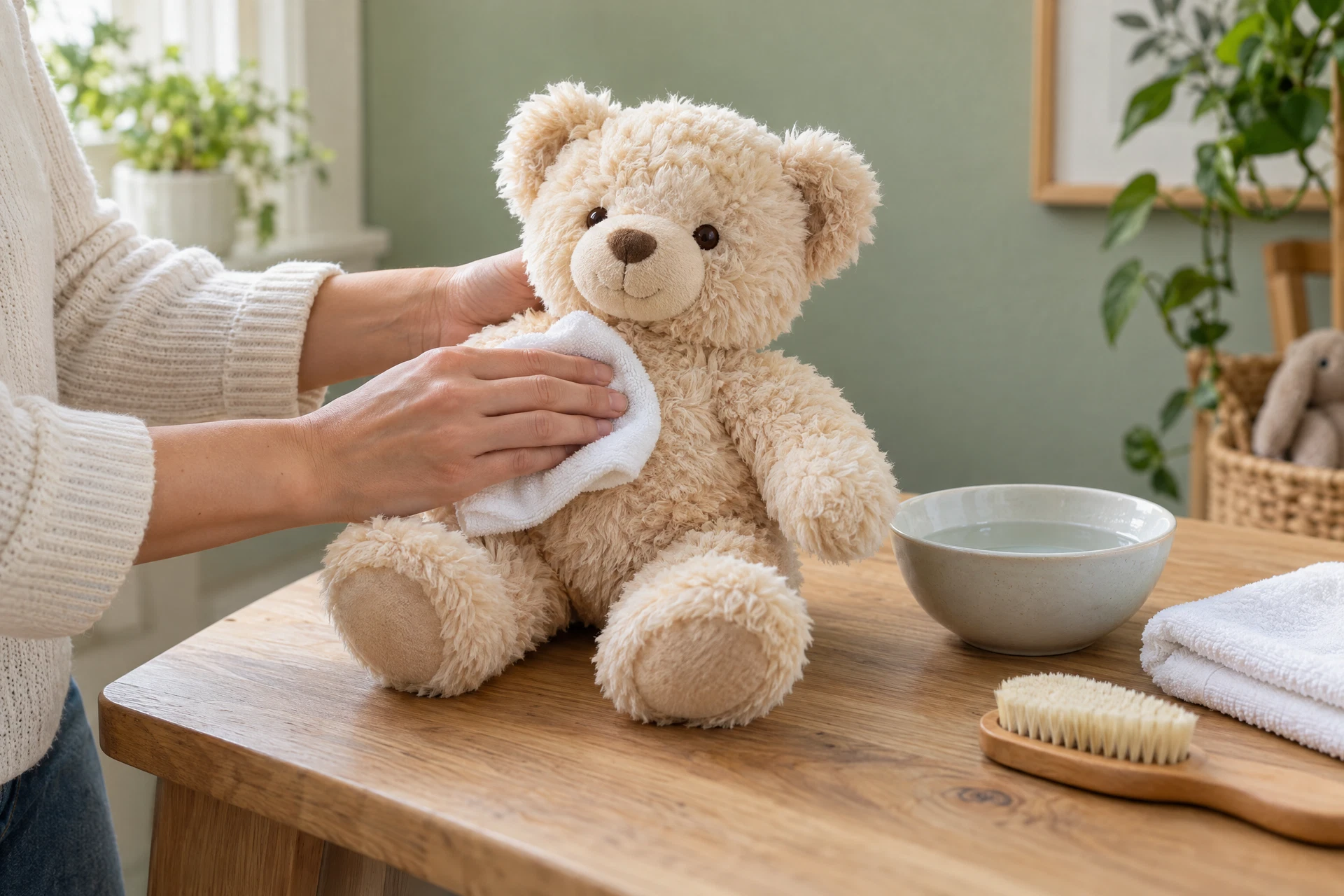
Durability should be a priority for any plush intended for frequent handling or placement where pets and children spend time. Look for tight seams, securely attached eyes and noses, and materials that stand up to occasional brushing or spot cleaning. Check the manufacturer's care label for specific instructions and follow them—do not assume machine washing is safe unless the label says so.
Common mistakes include buying visually delicate plush for high-traffic spots or neglecting how dust accumulates on long-pile fabrics. To reduce maintenance, prefer shorter-nap fabrics for surfaces that attract dirt and reserve long-pile plush for decorative nooks. Keep lint rollers and a soft-bristled brush on hand for quick upkeep.
Practical checklist: inspect seams and attachments; read the care label closely; set a simple maintenance routine (weekly fluffing, monthly spot checks); and choose easier-to-clean fabrics for high-use areas. If you need more detailed product care guidance, consult the our care guide page for general pointers, then confirm with the item's label.
Gift Packaging and Presentation Tips
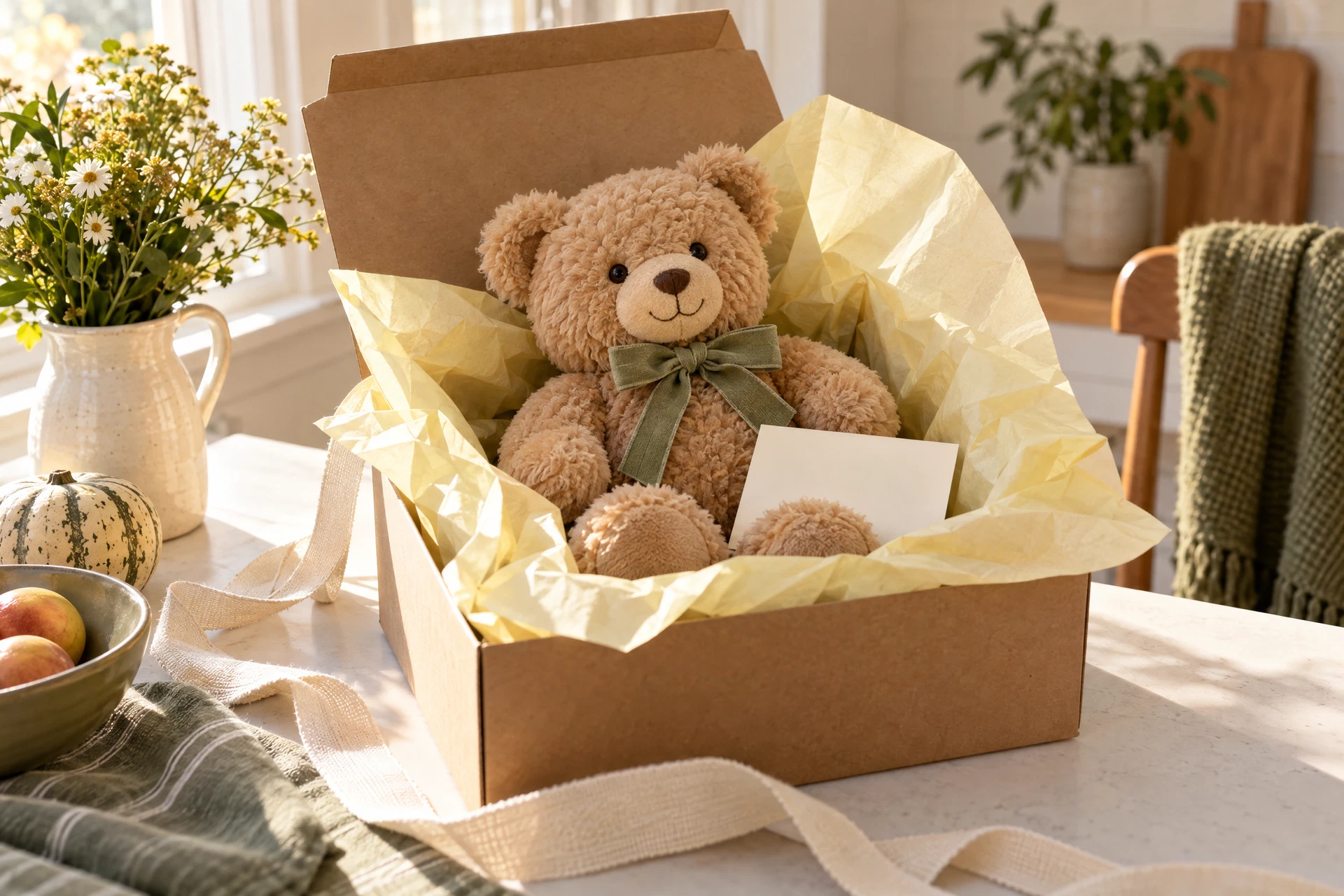
Presentation matters for winter plush gifts. Simple wrapping takes a plush from casual to considered: tuck the plush into a rigid gift box with tissue paper to protect its shape, or wrap it in a breathable fabric bag for an eco-friendly option. Include a small card describing the plush's care instructions and suggested uses so recipients can place it confidently in their own home.
When bundling, pair a plush with a complementary item—like a small throw, a sachet, or a boxed hot cocoa mix—to create a themed gift. Keep weight and fragility in mind; lighter, sturdy items travel better. Avoid overstuffing a package so the plush retains its intended silhouette on arrival.
Common gifting mistakes include choosing oversized boxes that allow the plush to shift during shipping and omitting care notes that lead to improper cleaning. Use appropriate packaging materials to maintain shape, and consider local pickup or in-person delivery for more fragile or plush-heavy gifts.
Creating Cozy Arrangements for Seating Areas
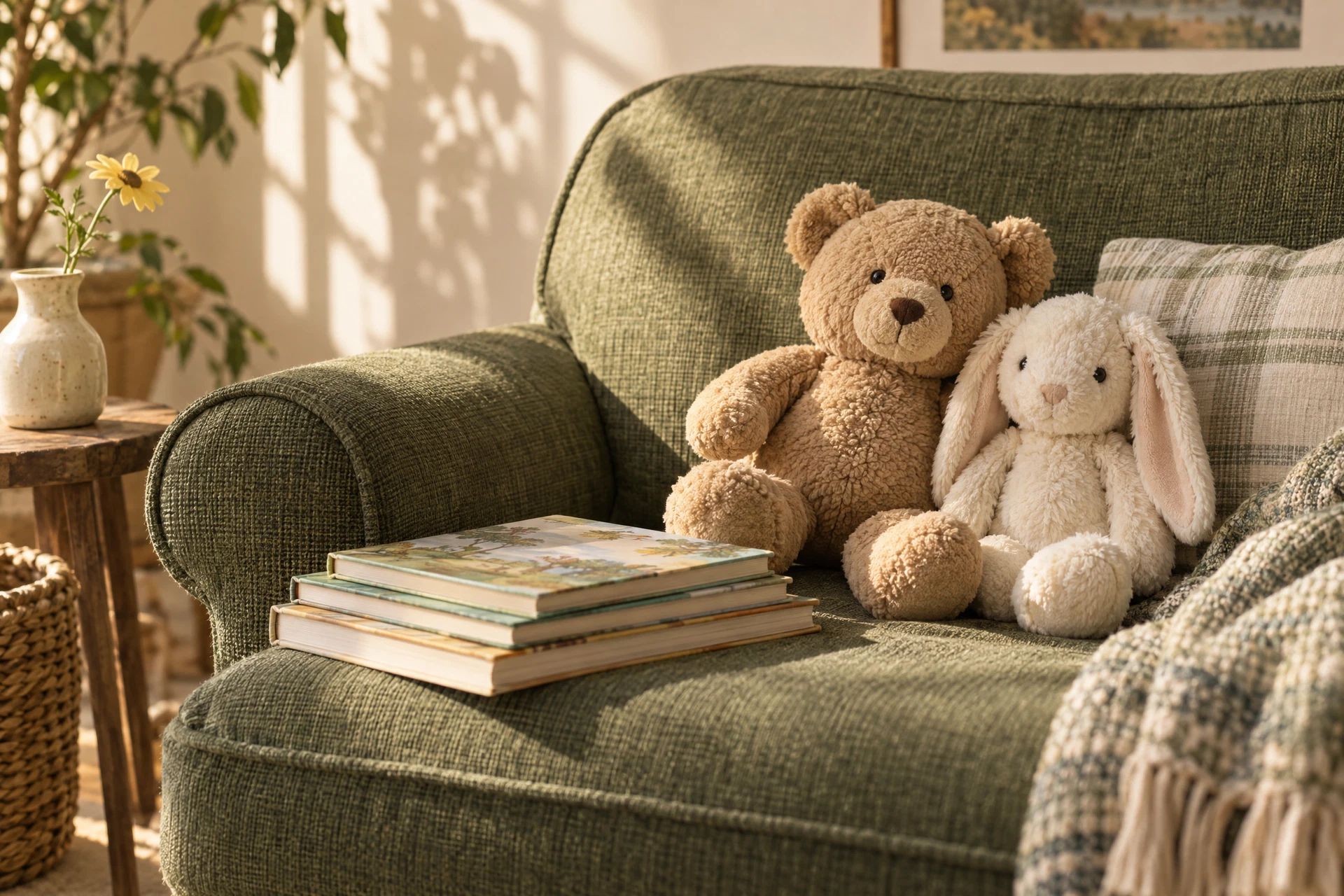
Seating areas benefit from a mix of functional and decorative plush. Place one or two smaller plush on a sofa among pillows for a relaxed look, or use a single larger plush as a focal point on an occasional chair. Keep pathways clear: avoid stuffing every seat with decor so the area remains usable.
Think in pairs and odd numbers; three items often feel balanced on a chair or bench, while two complements a loveseat. Rotate plushes seasonally—store bulkier items after winter to avoid a year-round heavy feel. If the plush will double as a support for lounging, prioritize firmer fills and cleanerable covers.
Example setup: layer a lumbar pillow at the back, drape a knit throw diagonally, and place a medium-sized plush at the front corner for a lived-in but curated look. This arrangement invites use while maintaining a tidy visual.
Mantel and Entryway Styling with Plush
Mantels and entry tables set the tone for a room; small winter plush can soften hard lines and add seasonal charm. Use plush as one element among candles, greenery, and framed prints. Keep taller items toward the center or back and shorter pieces in front so everything reads clearly from across the room.
For entryways, choose plush that resists grime if placed near coats and shoes—shorter nap or darker tones hide marks better. Place plush in a decorative tray or basket to contain shed fibers and define a vignette. Avoid placing plush where it will be in direct contact with footwear or wet outerwear.
Checklist for displays: anchor with one taller object, use a tray to group soft items, and select easy-care pieces for high-traffic zones. If you’d like more curated seasonal selections to inspire a mantel display, explore the the Seasonal Characters collection for ideas.
Purchasing for Multiple Recipients and Wholesale Considerations
Buying winter plush gifts for a group—office, family, or a batch of neighbors—requires consistency and practical logistics. Decide on a single colorway or theme to simplify ordering and create a cohesive set of gifts. Make a short list of must-haves (size, fabric type, packaging) and stick to it to streamline supplier communication.
If ordering larger quantities, ask suppliers about lead times, customization options, and minimums. Avoid last-minute shopping that forces compromise on size or care preferences. Keep records of each recipient’s preferences to prevent duplicate inappropriate choices, and include basic care notes in every package.
For businesses or bulk purchases, check the wholesale inquiries page for contact details and general process information, then follow up through the the contact page channel to discuss specifics. This approach keeps communication clear while you confirm quantities, timelines, and any customization.
Common Mistakes and Quick Fixes
A frequent error is prioritizing novelty over functionality: a quirky shape might look festive but sit awkwardly in a real home. Fix this by testing placement concepts at home with simple mockups—use pillows or folded towels to simulate size before purchasing. This practical step prevents returns and ensures the plush will fit the intended space.
Another mistake is neglecting care needs. If a plush requires hand-cleaning only, it’s a poor choice for a high-touch family room. Quick fixes include reserving delicate pieces for display-only spots, providing a washable secondary cover if available, or choosing similar-looking fabrics that are easier to maintain.
Finally, over-accessorizing can make an otherwise elegant plush feel cluttered. Trim one or two items from a planned vignette if the overall display reads busy. Use neutral trays or simple stands to define areas and let the plush breathe visually.
Explore the details before choosing
Take a closer look at Seasonal Characters, review our plush and clothing care guidance, or ask about specifications and availability before making an order request.