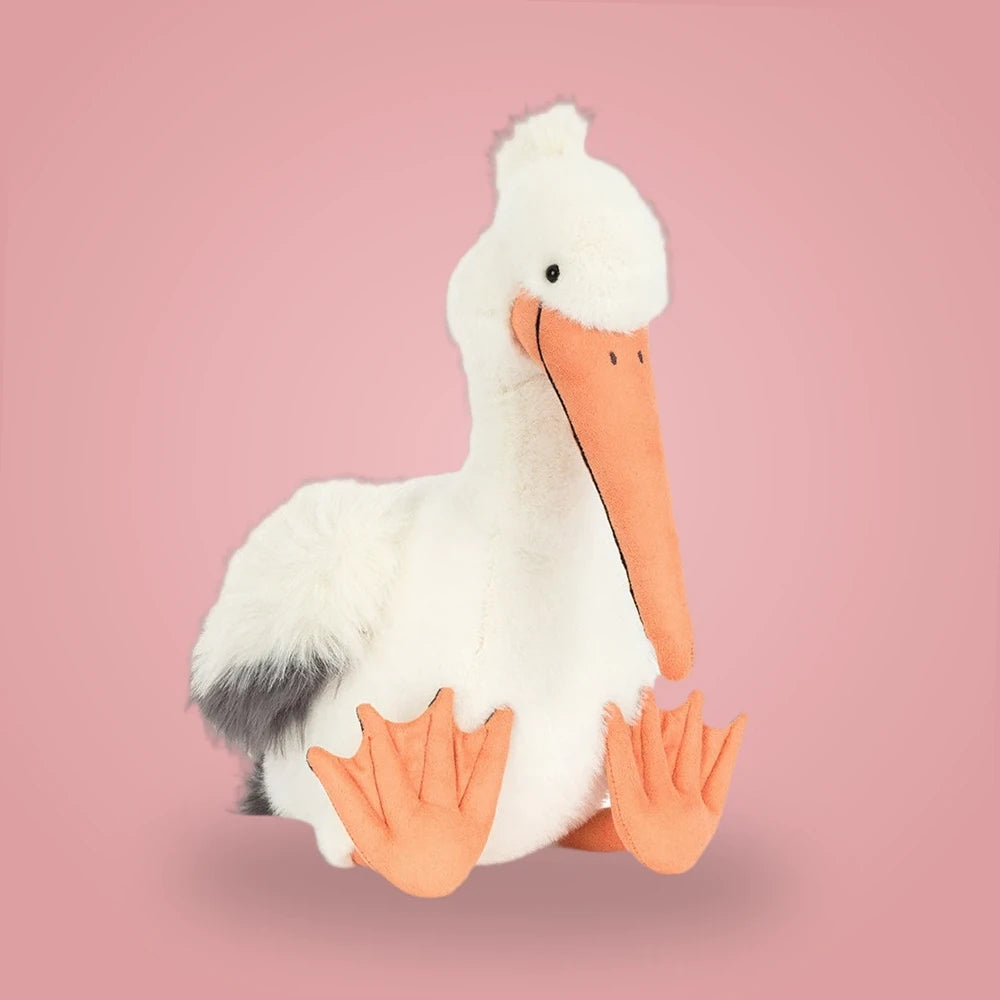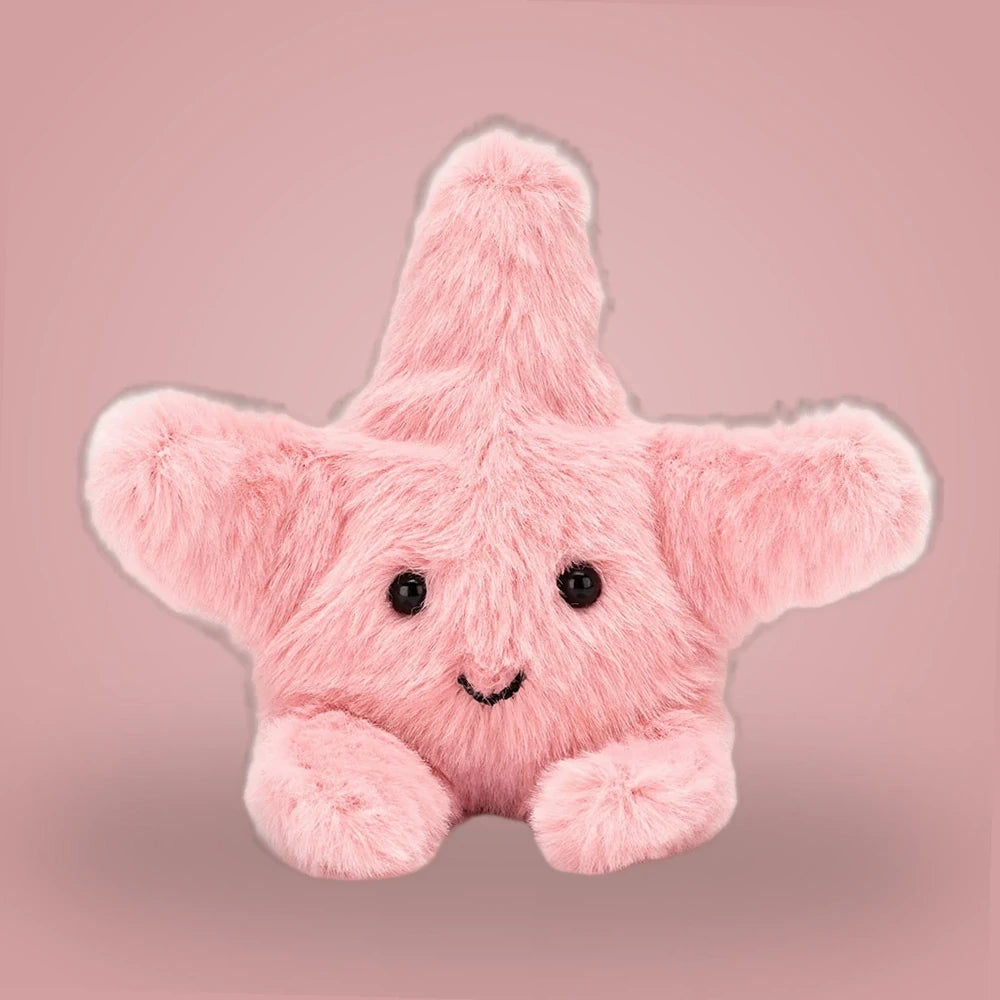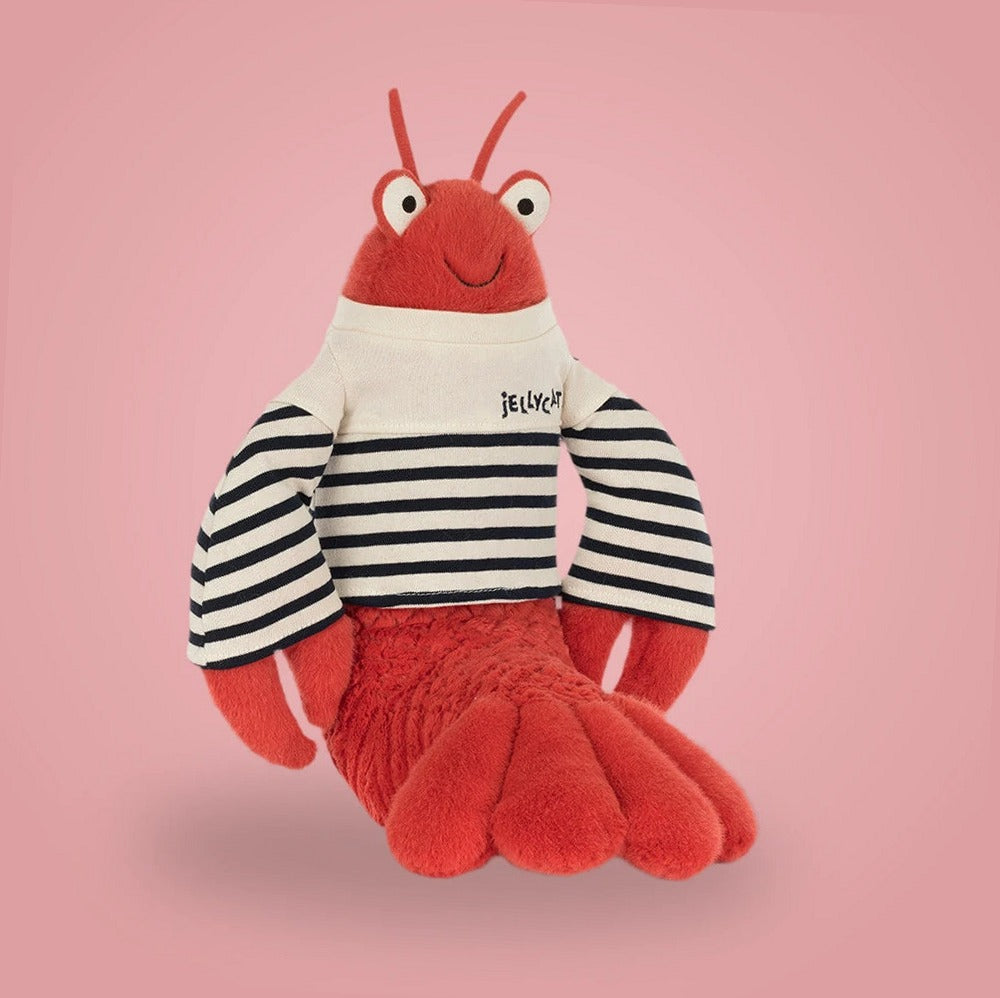
An ocean adventure built around stuffed sea animals is a compact, adaptable play format that sparks curiosity and social skills. The focus here is practical: how to choose a small cast of plush characters, stage a few repeatable scenes, and add props and rules that let children lead the narrative. This is not a lesson plan but a flexible guide for caregivers and small-group leaders who want to turn a basket of plush fish, whales, and octopuses into a sequence of playable episodes with clear roles and simple outcomes.
Before you gather toys, consider three small decision points that shape every scene: safety and suitability for the children present (consult each toy’s label for age guidance and care instructions), the space available for active movement, and how long you want each story to last. If you need more ocean-themed characters, browse the ocean friends collection to expand your cast. Keep the initial cast tight—three to five plush animals—so the plot stays focused and children can adopt clear roles.
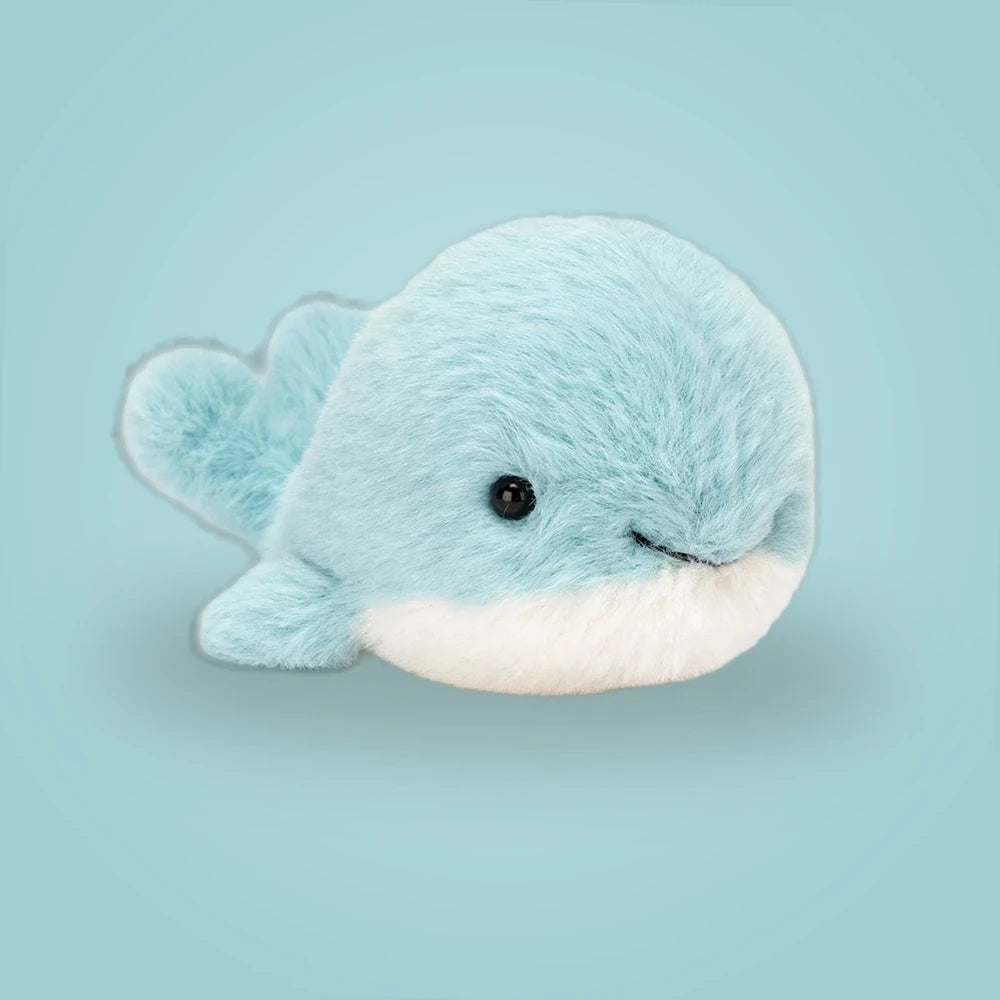
Choosing Your Plush Cast
Select a balanced mix of personalities rather than strictly species variety. For example, pick a brave big-animal (whale or shark), a small curious critter (seahorse or clownfish), and a problem-solver (octopus or crab). This helps children naturally assign roles like leader, explorer, and helper without needing explicit direction. Aim for three to five plush animals so the story doesn’t become crowded and each child can connect with a single character.
Practical decision criteria include size (can a child hold the toy comfortably?), durability (does the surface tolerate gentle rough play?), and sensory features (soft fabric, no loose attachments). Check individual manufacturer labels for age guidance and care instructions; don’t assume all plush toys are suitable for every setting. A compact starter set can be supplemented later from the ocean friends collection if the dramatic range needs widening.
Opening Scene: The Calm Reef
Begin with a short establishing scene to ground players. Lay out a blue sheet or blanket to mark the reef and a few pillows as coral mounds. Have each child introduce their plush animal with one sentence—name, favorite color, or a tiny quirk. This opening takes two to five minutes and sets emotional tone without complex exposition.
Concrete example: the seahorse is shy and collects shiny shells, the whale is gentle and hums, and the octopus is always curious. Use a simple prompt: “What does your animal notice first?” Encourage short, single-sentence responses to keep momentum and let shy children participate without pressure. This establishes familiarity and gives the leader quick cues for the next scene.
Conflict: A Lost Treasure or a Tangled Net
A conflict turns the calm into a purpose-driven journey. Two reliable, child-friendly choices are a lost treasure (a special pebble or bead) or a tangled net blocking a passage. These conflicts are tactile and resolvable, which keeps frustration low. Present the problem clearly with a prop: show an empty shell where the pebble should be, or drape a small net over a pillow and ask how the ocean friends will respond.
Checklist for choosing a conflict: pick something reversible, low-risk, and solvable by cooperation; avoid anything that mirrors real trauma for a child. Encourage brainstorming: children suggest solutions and assign tasks. Common mistakes include adding too many obstacles at once or giving the leader all the problem-solving power—spread tasks evenly so quieter kids get concrete roles like untangling, spotting, or guarding.
Prop Ideas That Keep the Flow
Simple props intensify the scene without distracting. Use scarves for seaweed, blue cellophane for water shimmer, and a shallow tray with water-safe toys for a tidal pool. A flashlight can stand in for sunlight moving across the surface. Keep props limited to three items per scene to maintain focus and avoid sensory overload.
Actionable small example: to stage a tidal-pool exploration, place a baking sheet with 1–2 inches of water and a few sealed plastic shells. Assign one child as the “scientist” who uses a spoon to gently lift shells and describe findings. Remind children to keep plushes dry if the label warns against water—again, check the individual label and care instructions before any prop with moisture.
Movement and Sound Cues for Scene Changes
Short movement and sound cues help transition scenes without lengthy instruction. Try a three-count wave (sway arms like water) to signal a tide change, or a low hum to indicate the whale singing. These cues create predictable rhythm and reduce downtime; children learn to anticipate what comes next and can focus on role-play instead of asking what to do.
Concrete suggestion: make a small cue card set with symbols—wave for move, shell for speak, star for freeze—each child keeps one. Use the cards to prompt who acts next. Common mistake: overcomplicating cues with too many symbols. Stick to two or three reliable cues for the session so children internalize them quickly.
Collaborative Tasks and Turn-Taking
Design tasks that require two or more participants, such as building a coral hideout from blocks or navigating a pebble path while carrying a plush animal. These activities teach cooperation and reduce the likelihood of one child dominating the story. Make roles explicit—navigator, builder, and timekeeper—so responsibilities are clear and rotations are easy.
A helpful rotation system: set a five-minute timer and rotate roles clockwise. Use a visible token, like a foam star, to indicate the current speaker or action-leader. Common mistakes include unequal role distribution and non-specific praise; instead of general “good job,” name the action—“You helped hold the net steady”—to reinforce cooperative behavior.
Wrap-Up Scenes: Safe Conclusions and Reflections
Finish with an emotional reset and a short reflection. After resolving the conflict, gather children into a circle with their plush animals and prompt one-sentence reflections: “What did your character learn?” or “What surprised you?” Keep reflections positive and brief to avoid rehashing frustrations.
To close physically, use a gentle ritual like tucking animals into a shared blanket reef or singing a simple two-line goodbye song. This helps transition from imaginative play back to regular activities. If you plan to reuse props or water trays, tidy together as a final cooperative task—this reinforces responsibility and keeps materials ready for the next session. For care questions about washing props or toys, always check the label and the care page for manufacturer recommendations.
Adapting the Adventure for Groups and Quiet Play
Scale the story to fit a room of preschoolers or a single child at home. For larger groups, split into parallel mini-teams, each with its own problem to solve, then bring the teams together for a “harbor meeting” to share solutions. For solo play, deepen internal narration: provide a simple prompt card with three questions—who, goal, obstacle—to guide a longer, reflective session.
Practical tip: for group settings, assemble multiple identical starter packs so each team has comparable toys and props. For solo extensions, introduce a small activity journal where the child draws a scene or writes one sentence about their plush animal. If you need more character variety for larger groups, check the ocean friends inventory to add complementary animals without creating imbalance.
Explore the details before choosing
Take a closer look at Ocean Friends, review our plush and clothing care guidance, or ask about specifications and availability before making an order request.