Whale and octopus plush combine two of the ocean’s most recognizable silhouettes into soft, everyday companions. This article focuses tightly on whale octopus plush—how to choose the right one for play, display, or gifting, how to style them within a room, and what to watch for when it comes to care and safety. You’ll find concrete checklists and examples rather than generalities, so you can compare options and avoid common mistakes when shopping or integrating these toys into a home.
Start by thinking about use: are you buying for tactile play, a themed nursery shelf, a photo prop, or a cozy reading nook accent? That single decision will change what matters most—durability and easy-clean surfaces for active play, or accurate color and sculptural detail for display. Use the practical criteria and step-by-step example below to refine your search and come away with a whale octopus plush that actually fits the role you need.
Sizing and scale: matching plush to space and purpose
Sizing goes beyond length or height—consider mass and visual scale against existing furniture and the intended user. For a bedside cuddle partner, 12–18 inches often balances manageability and presence. For a floor pillow or reading buddy, 24 inches or larger can make a statement while remaining functional. If the plush will share a shelf with books or framed prints, measure shelf depth and height and choose a plush that sits comfortably without blocking other items.
Also evaluate weight and fill density. High-loft fillings make toys look plump and inviting but can flatten with heavy use; denser fills keep shape longer but add heft. For decorative displays, a slightly firmer fill preserves silhouettes like a whale’s fluke or an octopus’s curling arms. For hands-on sensory play, softer fills that recover slowly can feel more comforting and are easier for small fingers to manipulate.
Materials and tactile choices that suit different users
Fabric choices determine both texture and longevity. Short-pile microsuede or velboa offers a smooth, polished look that photographs well and resists matting, whereas long-pile faux fur or minky delivers plush tactile variety and a softer hand. For octopus plush, consider how the arm undersides are finished: a contrasting texture (ribbed, quilted, or scaled pattern) adds sensory interest and helps define each limb.
Fabric also affects maintenance and stain visibility. Darker, patterned fabrics hide spots better than pale solid colors, which may be important for frequently handled toys. If tactile therapy or sensory comfort is a priority, seek fabrics with subtle stretch, gentle nap, and consistent seams—these features impact how the plush conforms to a lap and how it tolerates repeated hugging.
Construction details: what to inspect before you buy
Seams and attachment points are the first things to check. For octopus plush in particular, each arm is a potential stress point; look for reinforced stitching where limbs meet the body and for internal bar-tacking if possible. For whales, pay attention to fin attachments and embroidered features—surface decorations that are stitched down will outlast glued-on pieces.
Eyes and embellishments differ in safety and longevity. Embroidered or appliqué eyes remain intact through repeated handling, while plastic safety eyes provide a glossy finish but can be a failure point if not secured properly. If the plush is for a tactile or sensory user who manipulates features frequently, favor stitched detailing and inspect the interior construction—baffles or compartments in larger plush help distribute fill and prevent lumping.
Design choices: realistic versus stylized whale octopus plush
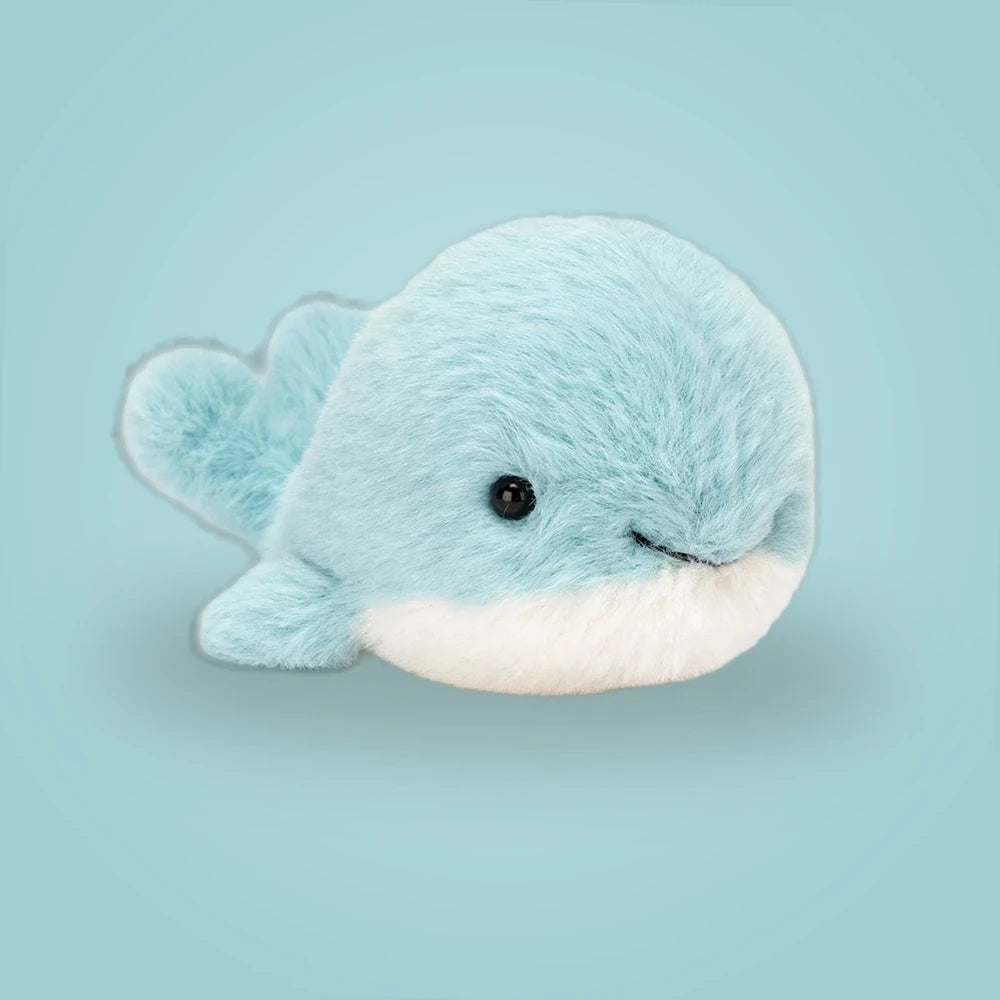
Realistic designs tend toward muted palettes, anatomically inspired shapes, and subtle detailing like stitched gills or textured undersides. These are well suited for collectors, educational displays, and decor schemes that lean toward natural history. Stylized versions, with oversized eyes, pastel colors, or simplified limbs, often appeal to children and those seeking a whimsical accent. Decide whether you want accuracy or character and let that guide color, proportion, and facial expression choices.
A hybrid approach can work well: a plush with a broadly accurate whale body while giving the octopus arms a playful curl and an accessible scale. This gives visual interest without confusing the silhouette on a shelf. When pairing with other ocean-themed items, match the tone: realistic plush pairs with framed ocean prints and shells, while stylized pieces complement bright, pattern-driven textiles.
Styling and placement: bringing the ocean indoors gracefully
Placement affects how the whale octopus plush reads in a room. For a coastal console or mantel, arrange the plush with low, flat objects—driftwood, a shallow bowl of shells, or a stack of coffee-table books—so the toy becomes part of a layered vignette rather than an isolated focal point. Use repetition in texture: a corduroy throw or woven seagrass basket will help the plush sit naturally among other elements.
In child-centered spaces, create purposeful zones. Place a large whale octopus plush in a reading nook with a floor lamp and a basket of books; smaller octopus toys can live with soft blocks or sensory bins. Consider rotation: keep two or three favorite plush in reach and store the rest to reduce visual clutter and prolong fabric life. When photographing or staging the plush for social sharing, natural light brings out fabric subtleties; avoid backlighting which can flatten color.
Care basics and when to check the label
Every plush has a care label with manufacturer guidance—this is the definitive resource for cleaning and longevity, so check it first. General care principles are useful: treat stains promptly with gentle blotting, avoid abrasive scrubbing that can roughen piles, and air-dry thoroughly after any water-based cleaning to prevent mustiness. For surface cleaning, a soft brush or lint roller can remove dust and pet hair between deeper cleanings.
If a plush has internal components—beads, mechanical elements, or weighted pellets—these change cleaning options and may restrict machine washing. Where machine washing isn’t recommended, spot-clean or use a gentle hand-wash method as described by the manufacturer. For storage, keep plush in a breathable container away from direct sunlight to avoid fading, and consider lavender sachets or cedar blocks for long-term storage to deter pests without applying chemicals directly to the toy. See our care page for general suggestions at our care guide.
Common mistakes shoppers make (and how to avoid them)
One common error is buying by aesthetics alone without verifying size and sturdiness; an adorable octopus that’s too small for hugging or too flimsy for play quickly becomes a disappointment. Always compare product dimensions to a familiar object—use a ruler or the height of a chair back—and decide whether the plush will be handled or displayed. Also, inspect photos closely for seam lines, eye attachment, and corded details that can indicate construction quality.
Another mistake is misunderstanding maintenance needs. Some buyers assume all plush are machine-washable; they are not. Before purchase, read care guidance, and if the listing is silent on cleaning, ask the retailer for details via the contact page at the contact page. For bulk purchases or store displays, talk to the seller about care expectations and packaging—use wholesale inquiries to request terms and ask about replacement policies and handling recommendations.
A small actionable example and buying checklist
Example: You want a whale octopus plush for a child’s daytime play and occasional bedtime cuddle. Start by deciding minimum size—choose at least 18 inches so arms and body are substantial for hugging. Prioritize a short-pile fabric for easier surface cleaning and select embroidered eyes. Check the product photos for reinforced arm seams and read the care label online or request it if missing. Finally, compare two candidates side-by-side by weight and estimated fill density to ensure it won’t flatten quickly.
Quick buying checklist: 1) Purpose: play or display. 2) Minimum size in inches. 3) Preferred fabric texture and colorfastness. 4) Construction checks: reinforced seams, stitched features. 5) Cleaning constraints per label. 6) Storage plan to avoid sun and dust. Use this checklist while browsing the Ocean Friends collection to narrow selections and then contact the seller with any unanswered questions via the contact page.
Explore the details before choosing
Take a closer look at Ocean Friends, review our plush and clothing care guidance, or ask about specifications and availability before making an order request.