Summer ocean plush is a focused category of soft toys—sea creatures, shells, and nautical motifs in bright colors and breezy fabrics—kept specifically for seasonal décor and travel. Choosing a few well‑made pieces can refresh a sunny bedroom, add palette accents to a living room window seat, or become companionable cushions on a long car ride. This article keeps the scope narrow: how to pick, stage, transport, and care for plush that’s intended for summer use, not general toy collecting or infant sleep environments.
Think of summer ocean plush as both decorative and functional: a cheerful octopus propped on a shelf, a squid-shaped lumbar pillow for a backseat, or a set of small sea creatures in a mesh bag for sandy afternoons. Below you’ll find concrete selection criteria, display and storage solutions, a packing checklist for road travel, maintenance pointers that reference the manufacturer label, common mistakes buyers make, and a short actionable example to help you choose three pieces for a bright room and one that travels well.
Selecting the Right Summer Ocean Plush
Begin with a clear purpose: is the plush primarily decorative for a sunny bedroom, a soft toy for supervised play at the beach, or something to travel with on family drives? Narrowing the purpose immediately filters out extremes—large floor cushions that won’t fit in a car or tiny keychain plush that won’t read well at a distance on a shelf. Look for color palette and scale that complements the room’s light; saturated corals, aquamarines, and sandy neutrals read as summer colors under bright window light.
Use a checklist when shopping: 1) Intended function (display, travel, play); 2) Size relative to available space; 3) Weight and compressibility for packing; 4) Fabric sheen—matte versus glossy texture changes how a piece looks in sunlight; 5) Manufacturer care instructions on the label. If you want more options within this category, see the ocean friends collection at the Ocean Friends collection for ideas on variety and themes.
Materials and Construction to Prioritize
Summer ocean plush that travels well or serves as accent pillows benefits from tightly stitched seams and fabrics that resist immediate discoloration from sun or sand. Fabrics like short-pile plush and microfiber dry faster than heavy shag, and dense stitching reduces the chance of seams opening during repeated handling. Check for securely attached features—embroidered eyes, reinforced fins or tentacles—rather than glued-on elements that can separate when tugged.
Because care needs vary, always consult the product label for washing and drying guidance. If you need more detailed cleaning resources, review the care page at our care guide. For travel, fabrics that compress and spring back retain shape better in luggage or under seat storage. Consider whether the plush has internal structure such as a foam insert—this affects compressibility and how it should be stored when not in use.
Styling Bright Rooms with Ocean Motifs
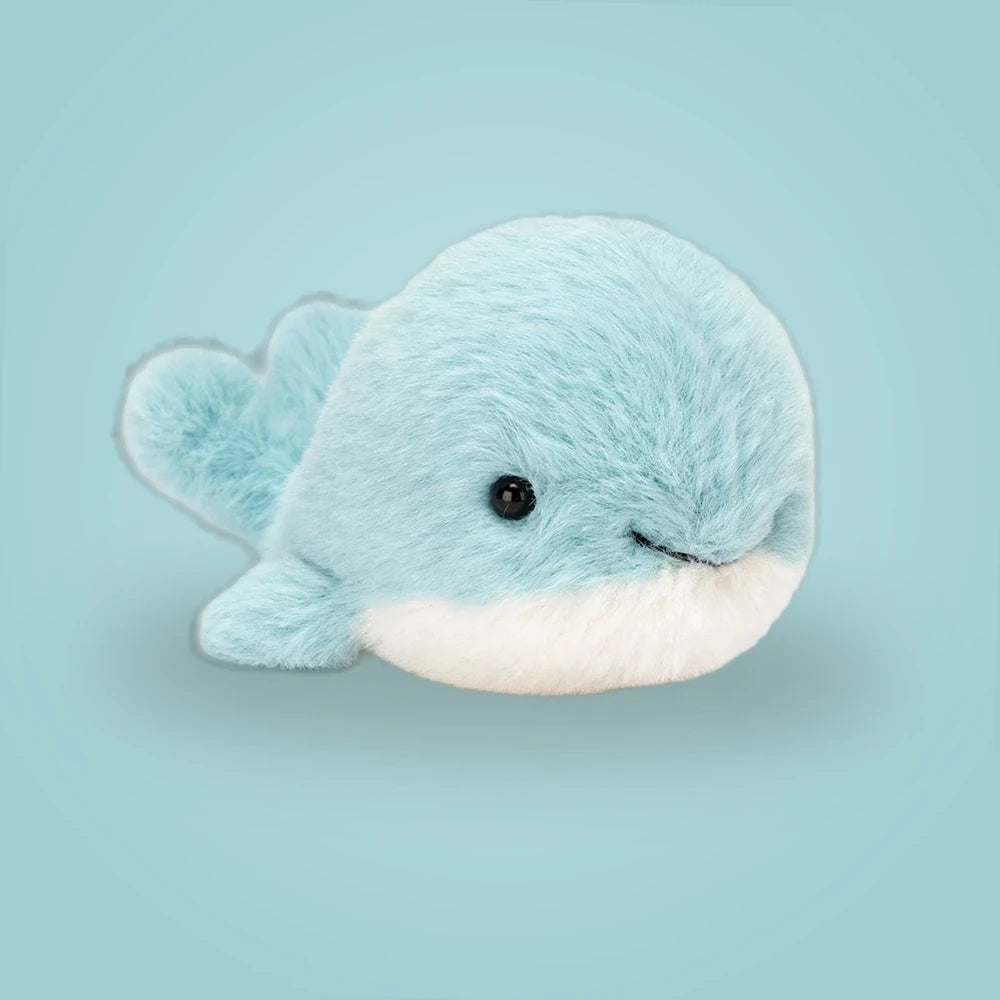
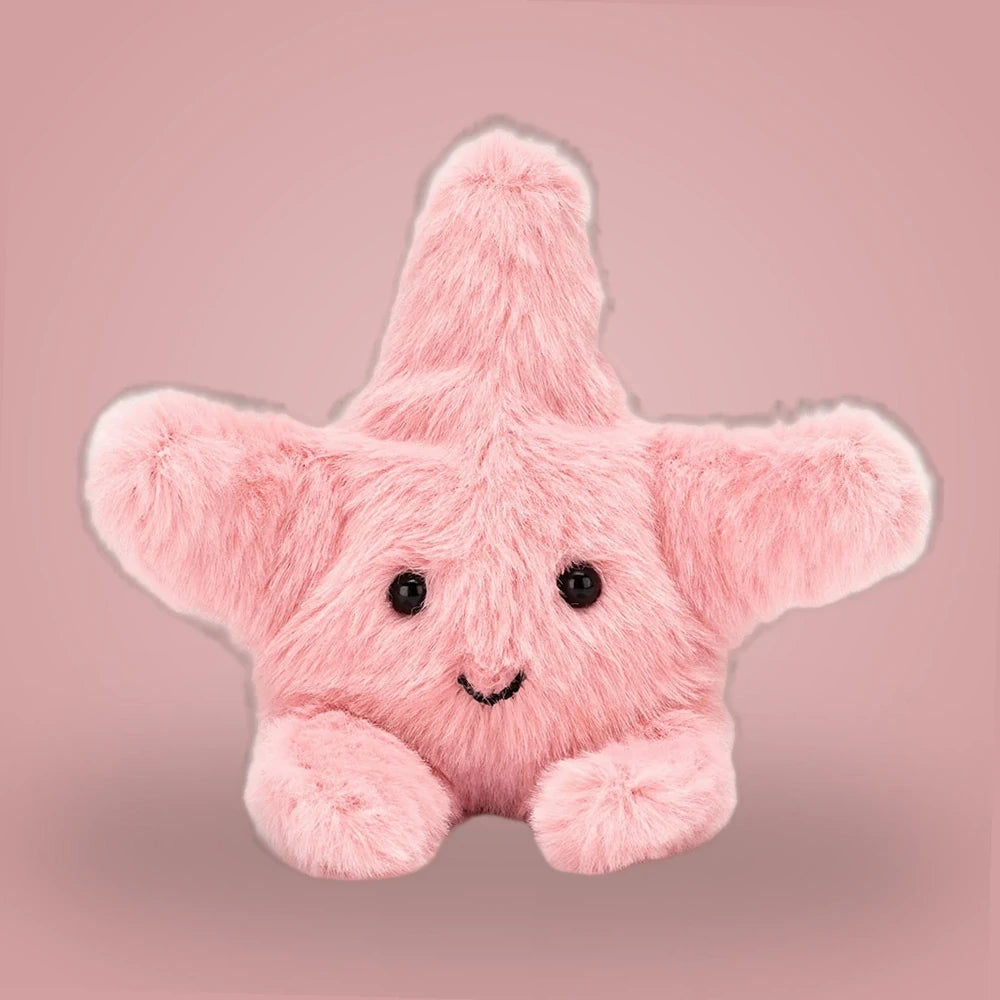
Compose a small vignette rather than scattering pieces randomly: choose a dominant piece (a large manta-ray cushion, for example), a medium companion (a whale or turtle), and one or two smaller accents (starfish or shell plush). Arrange on a sunny window seat or a light-colored shelf so natural light enhances the colors. Keep other décor minimal to avoid visual clutter—let the ocean pieces read as the room’s seasonal focal point.
Think about balance and repetition. Repeat a color or shape across the display—three teal pieces across the back of a bed or two coral accents by a lamp—to make the ensemble feel cohesive. Incorporate non-plush elements like driftwood, a glass jar of shells, or a woven basket to add texture and avoid the display feeling like a toy pile. If you want more pieces to build a theme, browse themed assortments at the Ocean Friends collection.
Packing Summer Ocean Plush for Road Trips
Pack with intent: designate one soft-sided bag or mesh travel pouch for plush to keep them separate from clothes and snacks. Use compression sparingly—squashing a structured pillow can deform it—so place flatter or more compressible items in the bottom and bulkier ones on top. Bring a small resealable plastic bag for wet or sandy pieces and a lint brush for quick touch-ups at rest stops.
Include a road-trip kit: 1) a compact towel for sandy pieces; 2) a soft-bristled brush to remove coarse sand; 3) stain wipes that are safe for fabric finishes (check label first); 4) a plastic bag for soiled items. If you want a travel-specific pick, choose one medium compressible plush that doubles as a neck or lumbar support—this becomes both comfort and entertainment during long stretches.
Common Mistakes and How to Avoid Them
One frequent error is buying too many small pieces that read as visual clutter on shelves and are easy to misplace during travel. Prioritize three to five items per room: a large anchor piece, a secondary medium item, and one or two accents. Another mistake is ignoring care labels; what looks like a washable toy may have components that require surface clean only. Check the manufacturer’s label for cleaning instructions before selecting a plush for heavy use.
Overlooking scale for travel is also common—bulky, uncompressible plush take up valuable trunk or cabin space. If space is limited, pick plush with a soft internal fill or foam that rebounds after being lightly compressed. Finally, avoid pieces with many small detachable parts if the item will be used in family cars where things can fall and disappear; simpler silhouettes tend to be more durable and less fussy.
Care, Storage, and Seasonal Rotation
Store summer plush away when not in season to preserve color and shape: air them out after use, then place in breathable storage totes or fabric bags to prevent mustiness. Avoid plastic tubs for long-term storage unless the plush is completely dry, because trapped moisture risks odor and mildew. Rotate pieces seasonally so the same items aren’t under constant sunlight for months, which can cause color fading.
Follow the product label for specific cleaning steps; labels will indicate whether spot cleaning, hand washing, or a different method is advised. If you need guidance beyond the label, the general care resource at our care guide can help you interpret common symbols. For quick on-road refreshes, a soft-bristled lint brush and a damp cloth are often enough to remove surface dust and crumbs without stressing seams.
Buying Checklist and Decision Criteria
Use this concise buying checklist before you add a piece to your cart: 1) Purpose (display/travel/play); 2) Size and scale for the intended space; 3) Compressibility for packing; 4) Construction quality (stitching and attachment methods); 5) Care label compatibility with your lifestyle; 6) Color harmony with your room palette. If the piece satisfies at least four of these criteria, it will likely be a practical summer purchase.
For travel-specific decisions, add: 7) quick-dry fabric or pile; 8) minimal loose parts; 9) ability to double as support during transit. If you’re considering purchasing multiple pieces to curate a themed display, shop with a starting palette in mind—choose two dominant tones and one accent color to avoid a mismatched assortment. For more options or wholesale inquiries, use the contact page at the contact page or review wholesale details at wholesale inquiries to discuss bulk needs.
Actionable Example: Choose Three for a Room, One for the Road
Example decision: imagine a bright guest room with white linens and aqua walls. Select a large manta-ray-shaped cushion in ocean teal as the anchor; a medium sea-turtle plush in sandy beige for contrast; and a small coral starfish accent in coral-pink to pick up bed linens. Place the manta-ray on the bed’s center, the turtle near a reading nook, and the starfish on a bedside shelf with a small jar of shells to complete a compact vignette.
For travel, pick a medium-sized squid plush made of short-pile plush that compresses gently and rebounds. Pack it in a soft side pocket of the car’s trunk or beneath a seat for easy access. Include the road-trip kit outlined earlier and use a resealable bag if the plush gets sandy. This simple mix—three room pieces and one traveler—keeps the theme consistent without overwhelming storage or display space.
Explore the details before choosing
Take a closer look at Ocean Friends, review our plush and clothing care guidance, or ask about specifications and availability before making an order request.