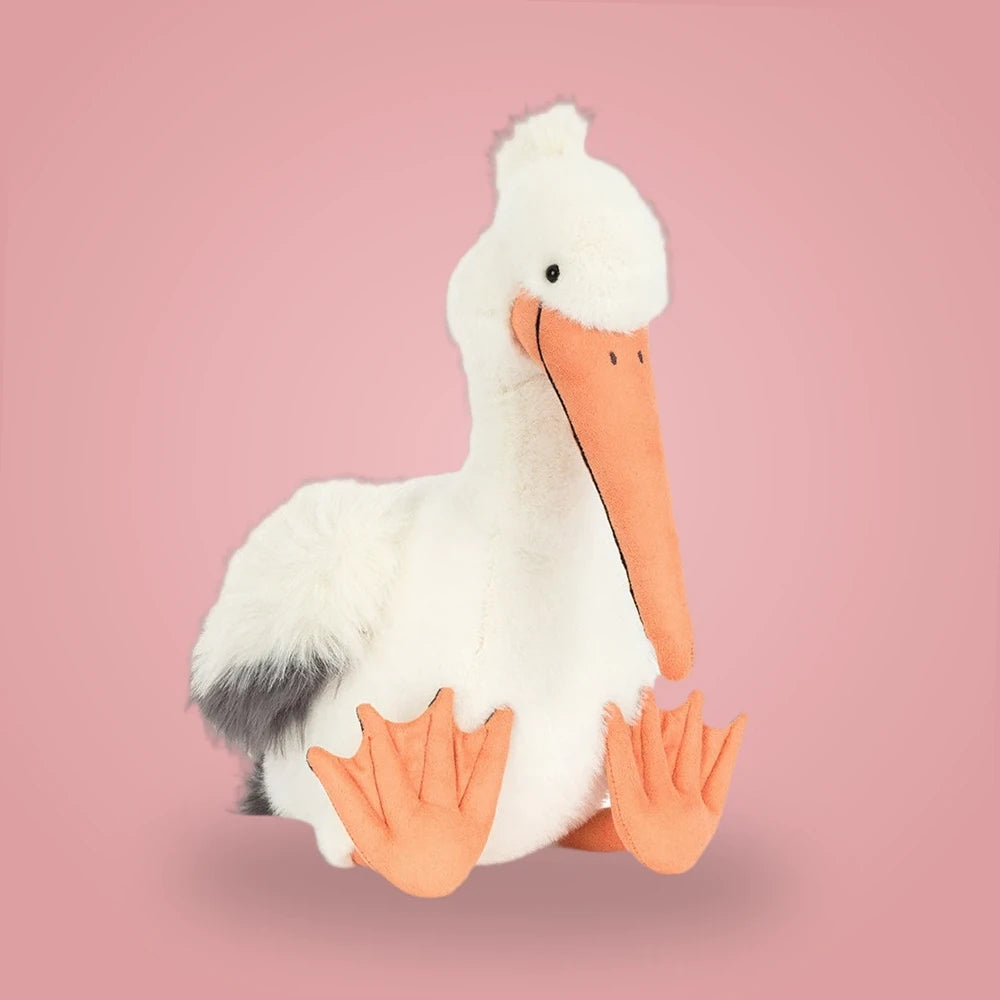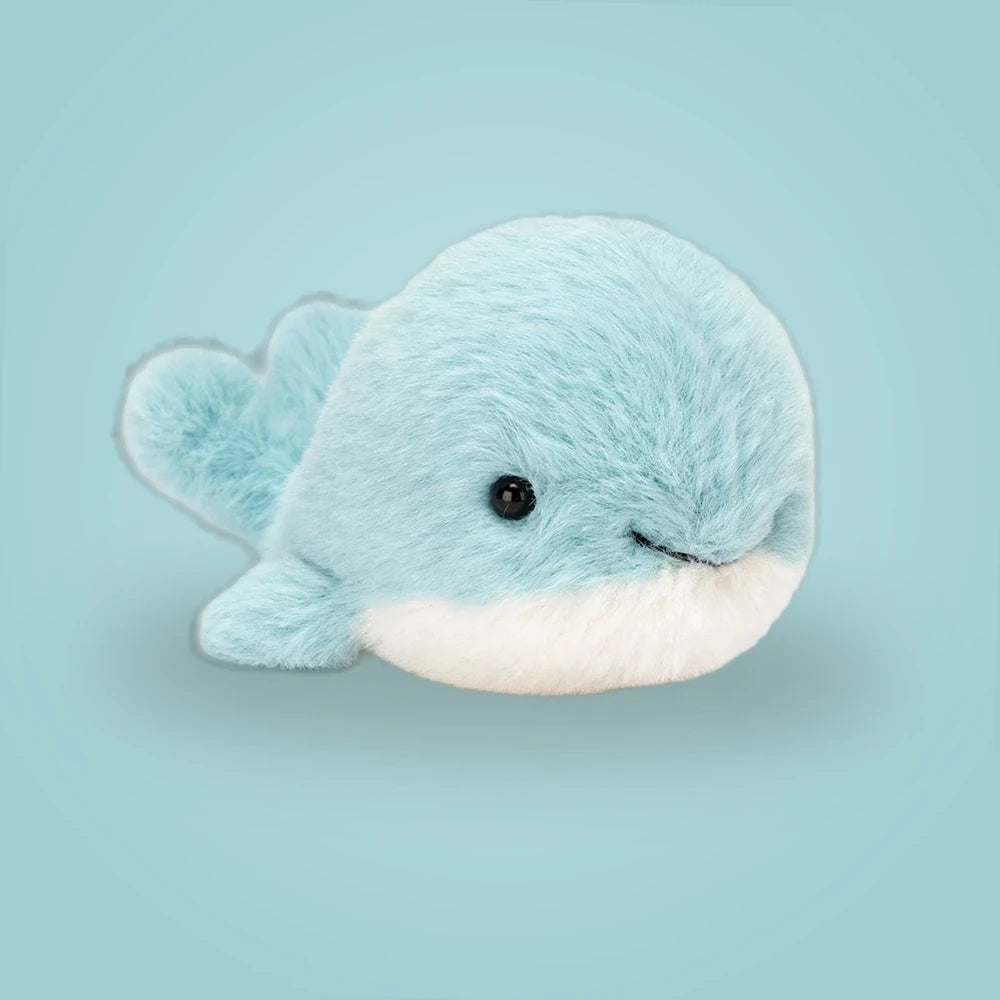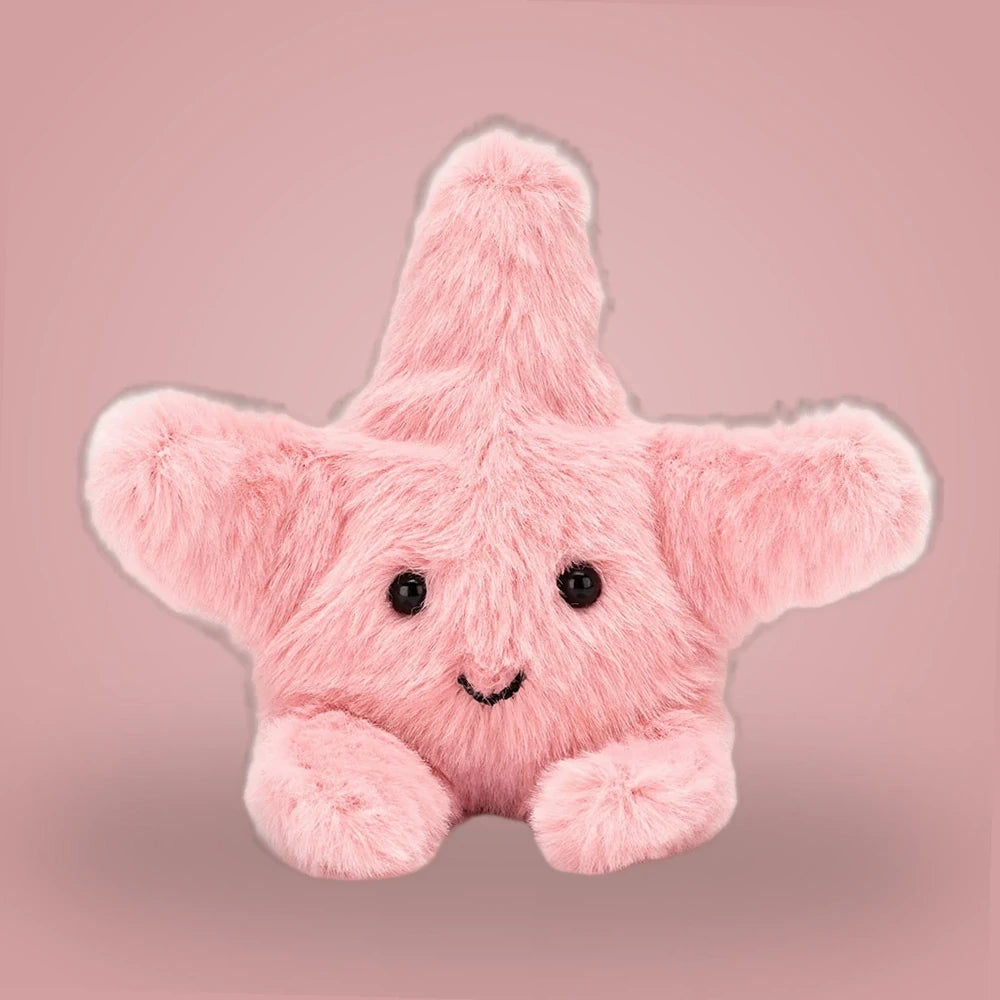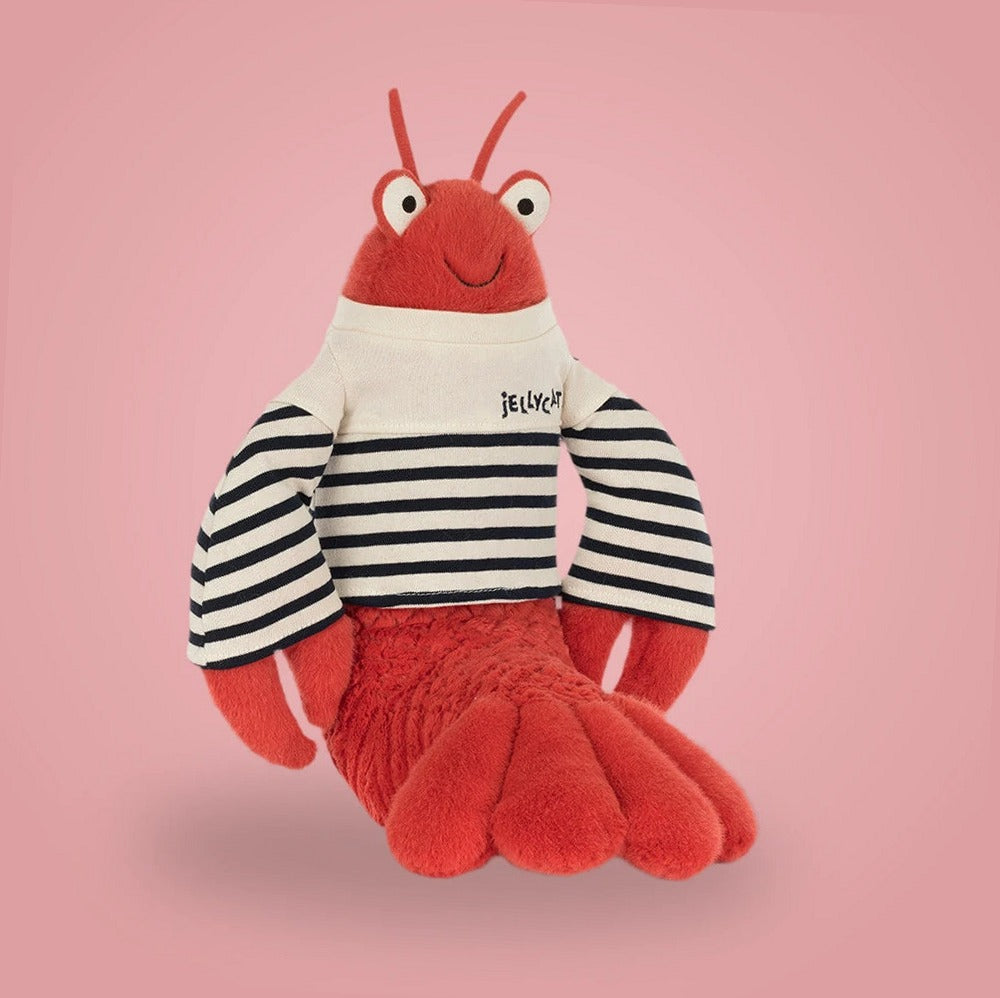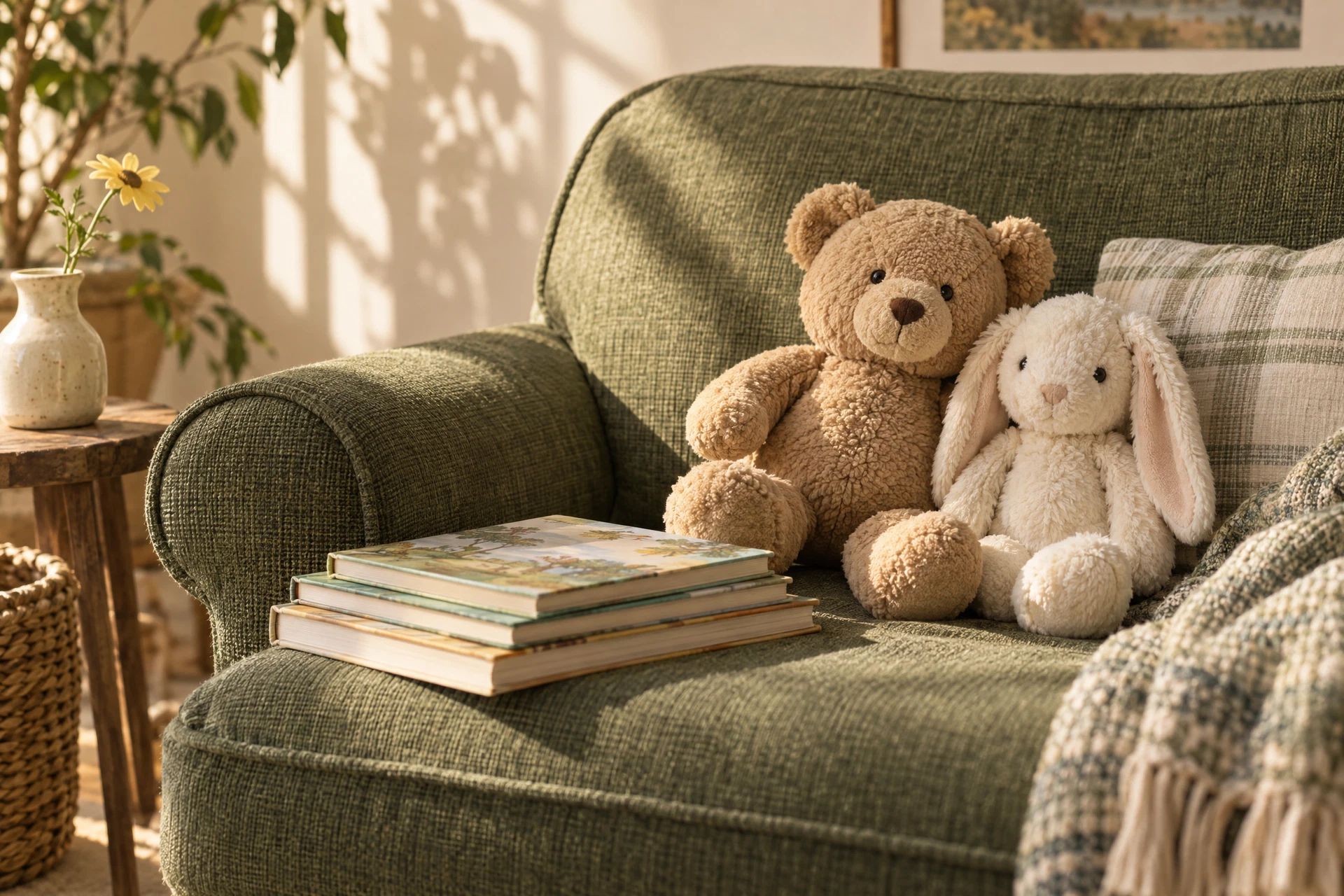
Ocean stuffed animals bring a bit of the coast into bedrooms, classrooms, and curio cabinets. For sea-life fans who collect, gift, or curate displays, the choices extend beyond the usual teddy: whales, octopuses, seahorses, and coral-inspired cushions each offer different play value, visual appeal and care needs. This guide narrows the focus specifically to ocean-themed plush so you can make practical decisions about size, material, and intended use.
Start with a clear purpose: do you want a durable cuddle companion for daily play, a lifelike model for a marine-themed nursery, or a decorative accent? The answer affects fabric choices, construction detail, and cleaning routines. If you’re exploring product lines, consider browsing the store’s ocean friends collection at the Ocean Friends collection to compare styles and species side-by-side.
Choosing the Right Species for the Recipient
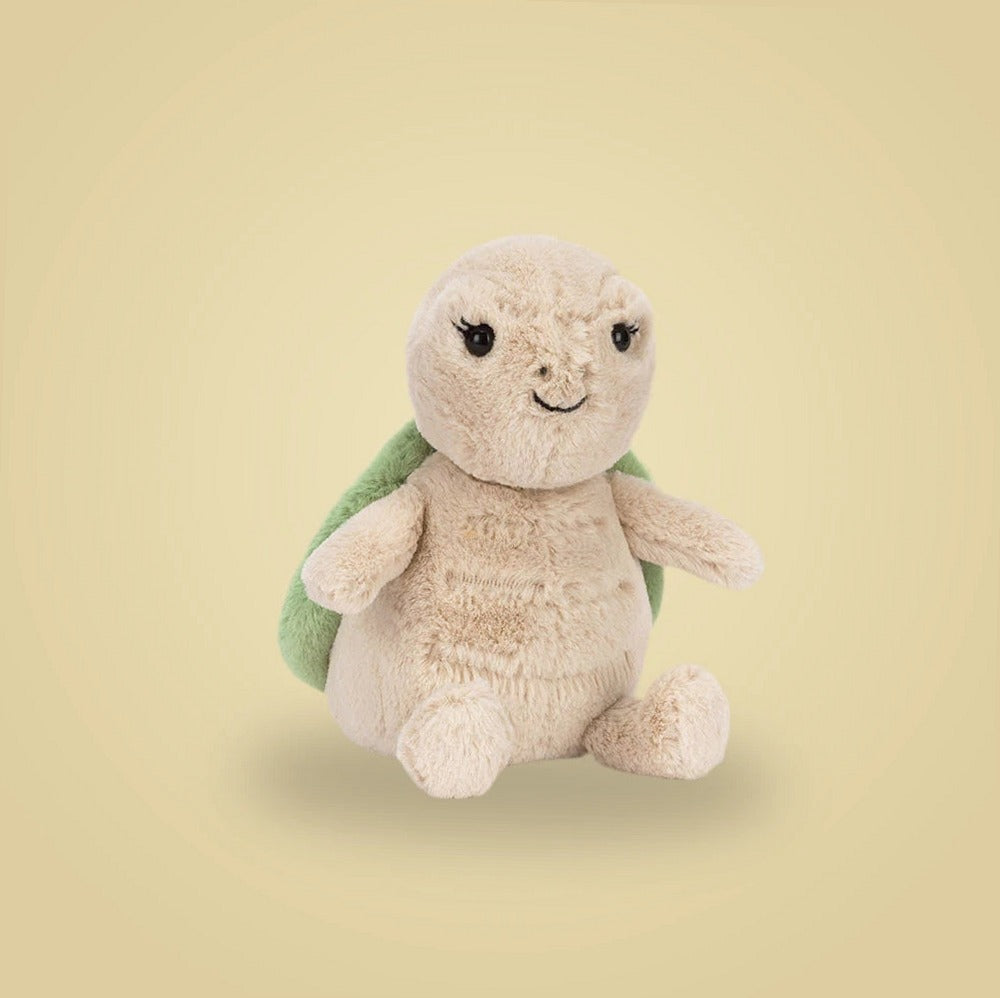
Species selection is more than aesthetics. Think about temperament and age-appropriate characteristics: a soft, squat seal or a rounded whale often translates to plush with fewer small attachments, while an octopus or crab might include many legs and sewn details that change how children handle them. For collectors, anatomical accuracy or stylized design can guide choices; museum-quality replicas lean toward detail, whereas whimsical characters focus on color and expression.
Consider the recipient’s interests. A budding marine biologist may appreciate a plush model that encourages learning—look for labels or product descriptions that highlight distinguishing features like dorsal fins or tentacle placement. For decor, coordinate species by silhouette and scale: a school of small fish-shaped toys can create rhythm on a shelf, while a single oversized manta ray becomes a dramatic focal point.
Materials That Matter: Feel, Durability and Allergens
Fabric choice affects tactile appeal and durability. Short-pile velour or minky gives a smooth, snuggly surface that graduates well from cuddling to display; long-pile faux fur can suggest fluffy marine mammals but traps dust more easily. For realistic texture—think octopus suckers or shark skin—manufacturers sometimes use embroidery, appliqué, or textured knit. Decide whether softness or surface detail is more important for your use.
Allergen concerns and sensitivities should influence material selection. Some synthetic stuffs off-gas or irritate sensitive skin; natural fills like wool are less common and offer different care needs. Always check the individual manufacturer’s label for specifics about materials and any allergy warnings before purchase. If allergies are a concern, select smooth, washable outer fabrics and avoid loose fibers that shed.
Size and Scale: Matching Toy Dimensions to Intended Use
Size determines portability, presence and practicality. Small sea creatures—6–8 inches—work well for grab-and-go comfort, party favors or party bag fillers. Medium sizes, around 12–18 inches, balance playability with display value and suit lap cuddling or shelf arrangements. Oversized pieces (24 inches and up) become showpieces and may require dedicated storage or specific display furniture.
When mixing sizes, keep a simple scale rule: group sizes with at least two size classes present for visual interest (for example, one large whale, two medium penguins, and three small fish). For functional decisions—like whether a plush will fit into a stroller or on a child’s bed—measure before you buy and compare to the recipient’s space.
Construction Details: Stuffing, Seams and Safety Considerations
Examine stuffing and seaming for longevity. Tightly stitched seams and uniformly distributed stuffing reduce lumps and extend life under frequent handling. Reinforced seams are important for plush that will be hugged or dragged outdoors. For items with movable parts—such as fins, flippers or detachable pieces—check the attachment method; sewn-on or embroidered details generally hold up better than glued or pinned parts.
Safety concerns should guide purchases for young users: embroidered eyes and features remove choking risks associated with plastic parts. Avoid purchasing toys that have loosely attached accessories for younger children. When in doubt about suitability, refer to the product’s age guidance; if a specific safety question remains, contact the seller through the the contact page page to request clarification from the manufacturer or retailer.
Care and Cleaning: Practical Tips and Common Mistakes
Cleaning plush can be straightforward when you follow label instructions. Many cleaning mishaps occur because people assume machine washing is universally safe. Check the individual manufacturer’s label and care instructions before washing; some plush require spot cleaning or professional cleaning to preserve fabrics, trims, or structural features.
A few practical tips: remove surface dust with a soft brush or vacuum on low suction using a brush attachment; spot-clean spills immediately with a mild detergent diluted in water; and air-dry thoroughly to prevent mildew. Avoid common mistakes like using bleach on colored fabrics, drying stuffed toys in direct sun for extended periods (which can fade dyes), or stuffing wet toys back into storage before they are fully dry. For additional care resources, consult the product care page at our care guide.
Play vs. Display: How Intended Use Affects Your Choice
If the toy’s purpose is active play, prioritize durability and ease of cleaning. Look for double-stitched seams, hardwearing fabrics, and simpler shapes that aren’t prone to catching on clothing or furniture. Puppeted or interactive ocean plush—those with openings or moving parts—can increase engagement but often need stronger seams and more careful cleaning regimens.
For display or staging—shelf vignettes, themed rooms, or photo props—visual detail and silhouette matter more than ruggedness. Choose pieces with finer embroidery, muted or realistic palettes, and consider using display stands or wall hooks to show off unique shapes like jellyfish tentacles or a manta ray’s wingspan. Remember that displayed items still accumulate dust; use gentle surface cleaning to maintain appearance.
Gift-Giving Checklist and Common Purchase Pitfalls
When buying ocean stuffed animals as gifts, use a quick checklist: confirm recipient age and preferences, inspect material and construction, verify care instructions, and double-check size relative to the intended use. Wrap or package thoughtfully—small themed accessories, like a fabric seaweed garland or a note identifying the species, add charm. A birthday or party present can be complemented with educational cards that name sea-life facts for interest.
Avoid predictable pitfalls: don’t assume all plush labeled 'ocean' are suitable for all ages; small parts, beads, or glued decorations can present hazards. Don’t prioritize cuteness over sturdiness if the toy must survive high-energy play. Finally, verify exchange or return policies in case the recipient needs a different size or style; for group or commercial ordering questions, check the wholesale inquiries page to learn about available options.
Storage, Rotation and Long-Term Care
Proper storage preserves shape and prevents pest or moisture damage. For long-term storage, keep plush in breathable containers away from direct sunlight and high humidity. Avoid tightly compressing stuffed toys; allow them to rest on shelves or in boxes with tissue supports to keep limbs and features from deforming. Rotate displayed pieces seasonally to limit sun exposure and refresh a room’s look.
If you maintain a collection, document each piece with a label noting purchase date, care instructions and any repairs. A small example of an actionable system: create a three-box rotation—'Current Display', 'Clean & Ready', and 'Long-Term Storage'—and move pieces through the boxes after a set interval, such as every three months. This routine reduces dust buildup and helps track items that may need periodic cleaning or repair.
Where to Buy and When to Ask Questions
Choose reputable sellers that provide clear product descriptions, material lists and care labels. If a product page lacks clarity about size or construction, contact the retailer before purchase. Use the store’s contact resources to request extra photos, clarification about stuffing types, or confirmation of safety features. When buying for institutions—schools, therapy centers or retail displays—ask about bulk options and lead times.
If you need specialized ordering or larger quantities, reach out via the site’s wholesale inquiry page at wholesale inquiries to learn about ordering processes and minimums. Always keep records of communication, warranties and receipts so that if a plush arrives not as described, you can reference prior correspondence. For general questions about a specific item on a site, use the the contact page page to request details that matter to your use-case.
Explore the details before choosing
Take a closer look at Ocean Friends, review our plush and clothing care guidance, or ask about specifications and availability before making an order request.